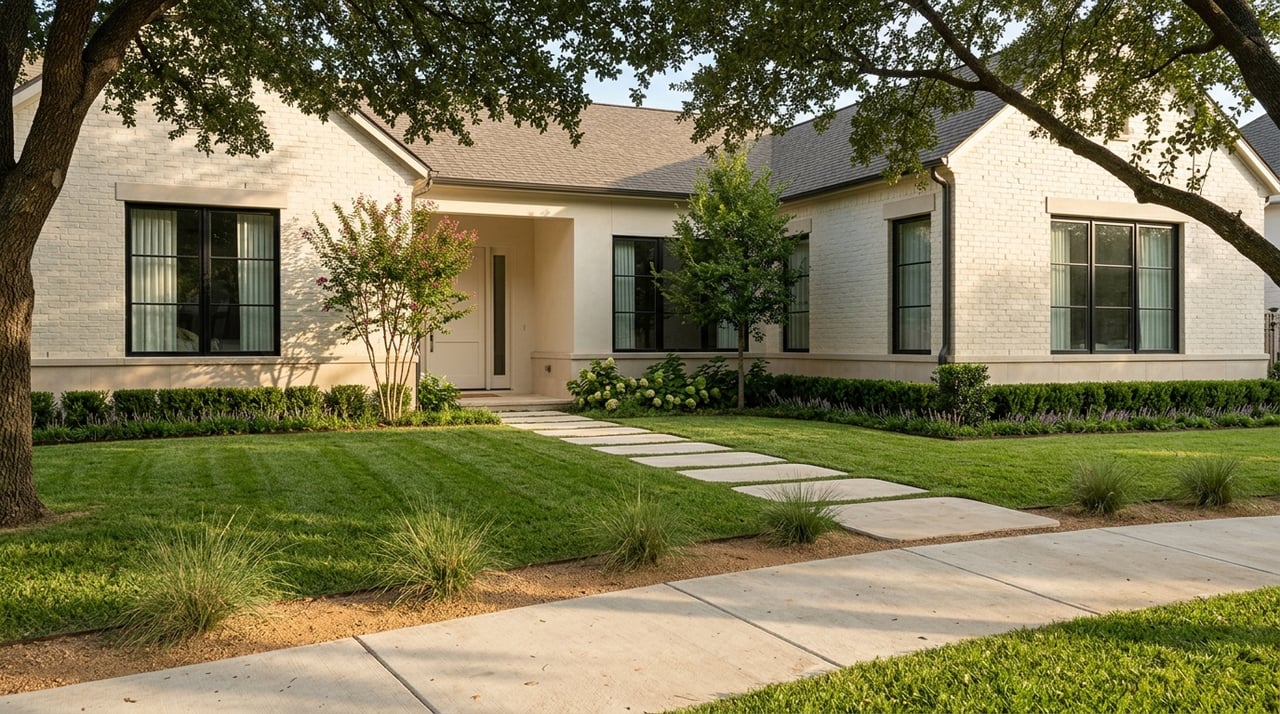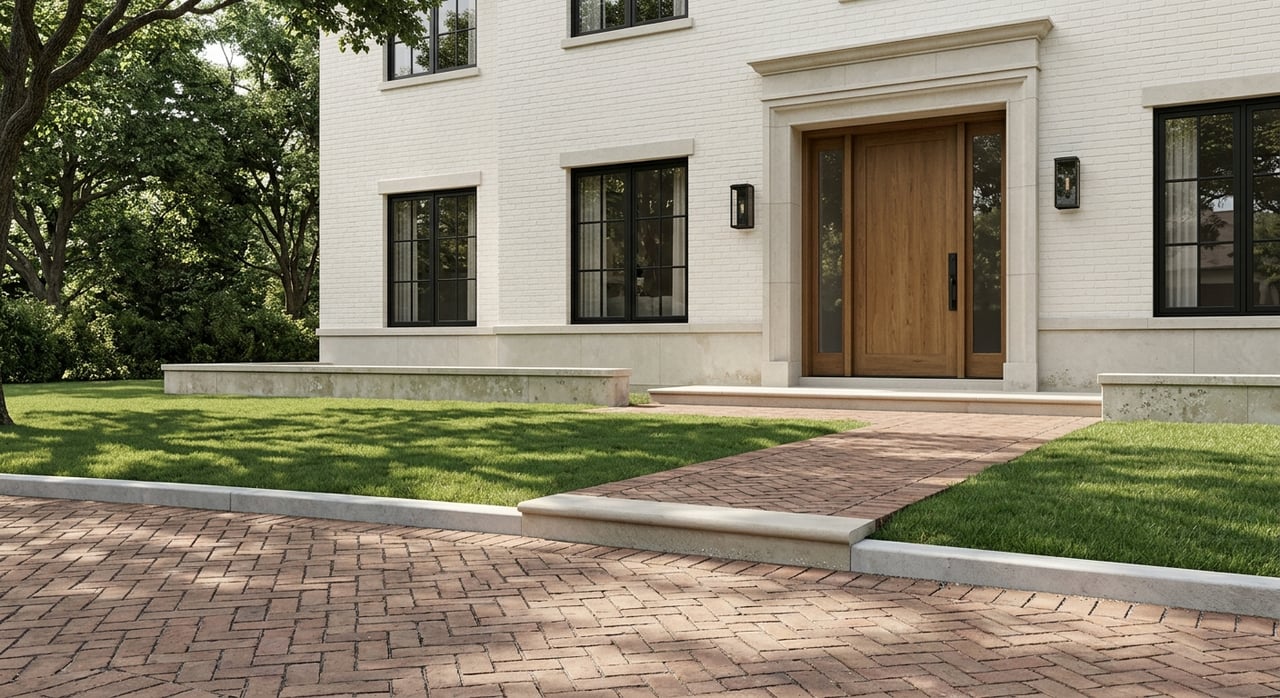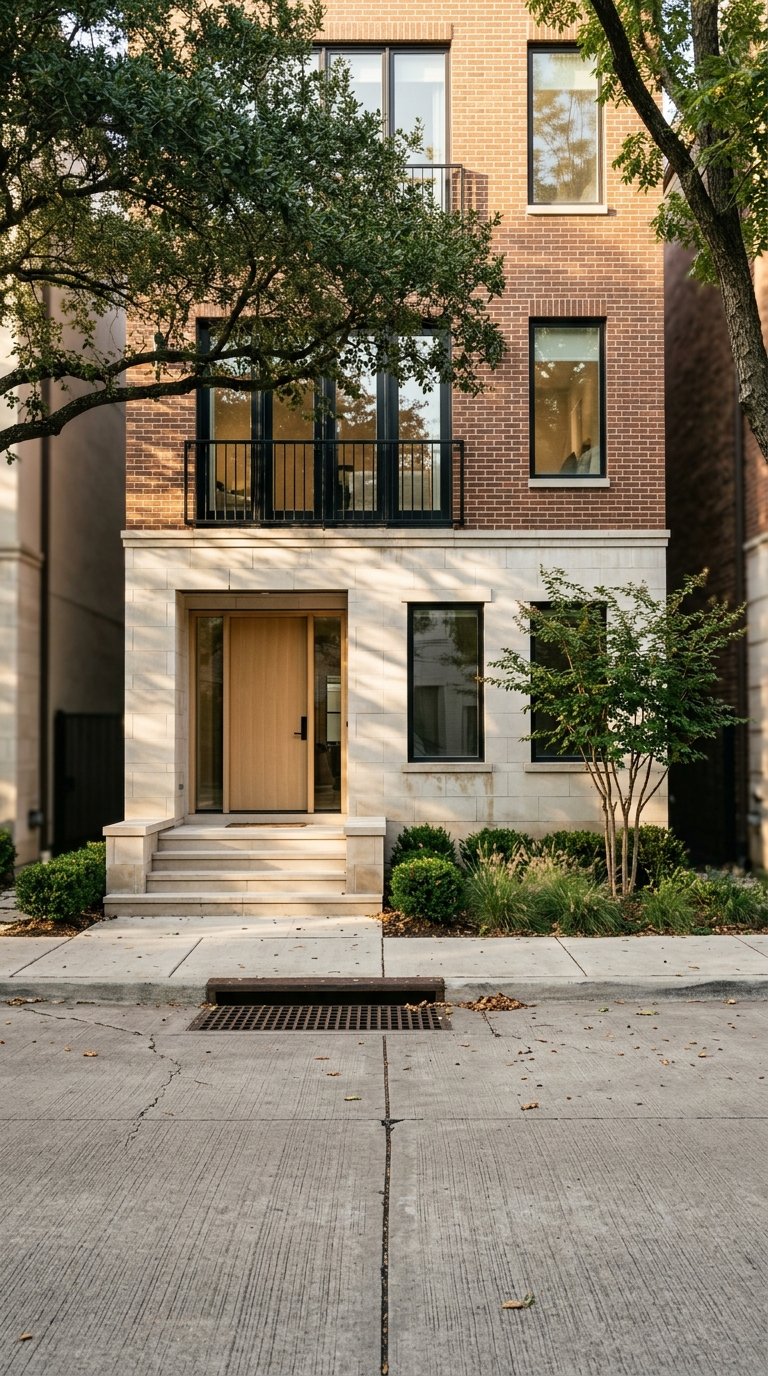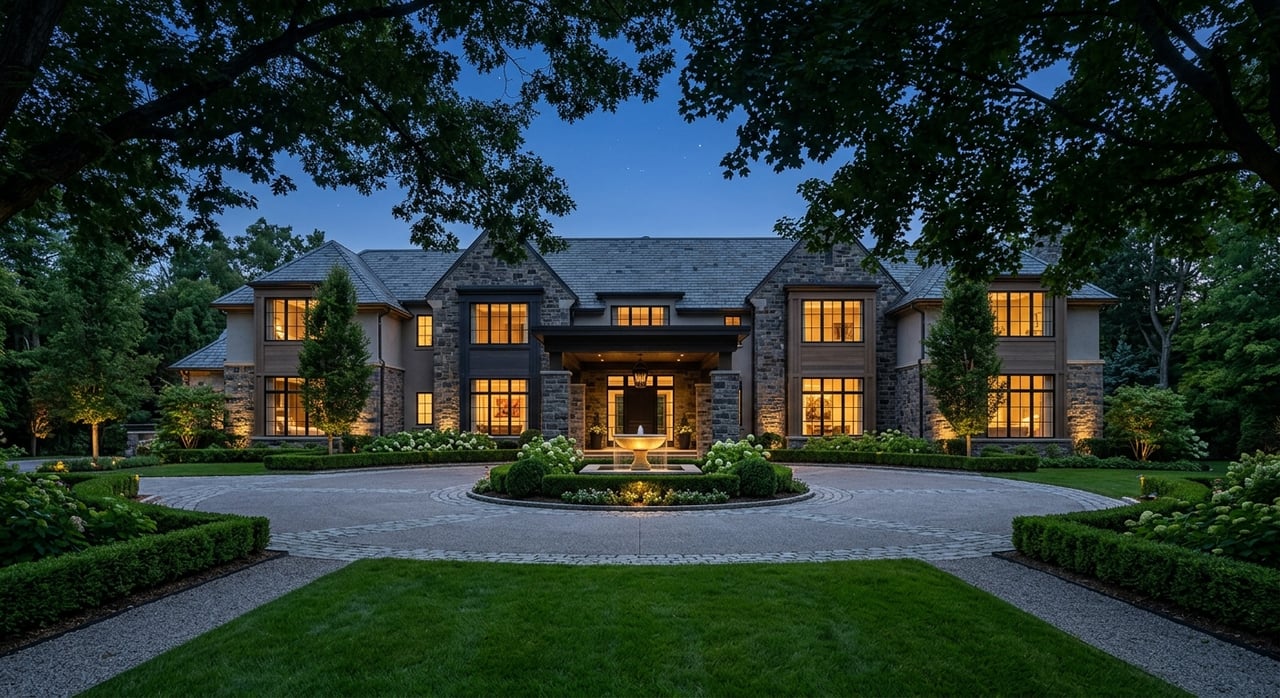
Thinking about a remodel or tear-down in Highland Park and wondering how big you can go? You are not alone. In this town, setbacks, floor-area ratio, and lot coverage work together to shape everything from your footprint to your second story. This guide breaks down the basics, shows how these rules interact, and outlines the due diligence you need before you draw a single line. Let’s dive in.
Setbacks, FAR, and lot coverage basics
Setbacks
Setbacks are the required minimum distances between your property lines and the exterior of your structures. They apply to the front, rear, and sides of the lot. Setbacks create the buildable “box” on the ground and protect space between homes, streets, and alleys.
What it means for you: a larger required setback reduces your footprint and may shift where you place garages, pools, and outdoor living.
Floor-area ratio (FAR)
FAR limits the total interior floor area you can build relative to your lot size, or it can set an absolute maximum square footage. It accounts for square footage across all stories of the home. Even if your footprint fits within setbacks, FAR can still cap your total size.
What it means for you: when you add a second story, FAR often becomes the limiting factor, not the footprint.
Lot coverage
Lot coverage caps how much of the lot area can be covered by structures. It usually includes the main house footprint and may include garages and certain covered outdoor elements, depending on the code definitions.
What it means for you: lot coverage controls visual massing at ground level and affects impervious area, drainage, and landscape design.
How they interact
- Setbacks create the horizontal margins.
- Lot coverage limits the footprint within those margins.
- FAR controls total floor area across multiple stories.
- Height limits and roofline or stepback rules, if any, further shape massing.
Together, these controls define what is realistically buildable on a Highland Park lot.
Highland Park authority and contacts
Highland Park is an incorporated town with its own rules and review process, separate from the City of Dallas. For authoritative answers, start with the Town’s resources and recorded property documents.
- Town of Highland Park: planning, building permits, and contact information are on the official town website.
- Zoning and definitions: the Highland Park Code of Ordinances provides district standards, terms, variance procedures, and nonconforming structure rules.
- Lot size and improvements: confirm data through the Dallas Central Appraisal District and your survey.
- Plats and restrictions: check recorded plats and any restrictive covenants with the Dallas County Clerk. Private restrictions can be stricter than town zoning.
- Flood mapping: confirm flood status through the FEMA Flood Map Service Center.
- State background: for zoning authority context, see Texas Local Government Code, Chapter 211.
Expect layered reviews: zoning rules, recorded plats and restrictions, site and building permit review, possible variance or special exception hearings, and any applicable conservation or design considerations.
How rules shape remodels
Existing homes in Highland Park can be nonconforming because standards evolve over time. That does not stop you from updating, but it can limit how you add area.
- Cosmetic updates are usually straightforward for nonconforming homes.
- Additions that expand the footprint must respect current setbacks and lot coverage.
- Second-story additions can be a smart way to gain space when lot coverage is near the limit, but FAR and height caps still apply.
- Easements along the sides or rear can block otherwise feasible additions.
- More impervious surface can trigger drainage and on-site stormwater requirements.
If an addition would increase a nonconformity, you may need a variance from the Town’s Board of Adjustment. Review the variance process and definitions in the Code of Ordinances and speak with Town staff early.
How rules shape tear-downs
New construction must comply with current standards, which may differ from the house you plan to remove. The buildable envelope for a new home comes from a sequence of steps.
- Apply required front, side, and rear setbacks to the surveyed lot.
- Subtract recorded easements and protected tree areas from the buildable area.
- Size the ground-floor footprint under the maximum lot coverage.
- Calculate total allowed floor area under FAR or any maximum gross floor rules.
- Confirm height and any stepback or articulation standards.
High-value lots often inspire larger, multi-story designs. If FAR or lot coverage constrain the design, consider alternate layouts, garage placement, outdoor structure sizing, or a variance strategy where appropriate.
Map your buildable envelope
Before you fall in love with a plan, map what is actually possible on the lot. A simple exercise helps you avoid redesigns later.
- Start with a current, certified boundary and topographic survey. Confirm lot area and show all easements.
- Draw the setback lines inward from each property edge. The area inside is your preliminary build zone.
- Remove easements, floodplain areas, and any protected tree zones to get the true buildable footprint.
- Test footprint options against the lot coverage limit.
- Stack proposed floors and run FAR calculations to test the total interior area.
- Overlay height limits and any stepback or roofline controls.
This map will guide site planning, massing, utility connections, and landscape design.
Buyer and seller due diligence
Whether you are preparing to list or evaluating a purchase, gather these items up front to save time and reduce risk.
- Zoning district confirmation and applicable code text
- Required front, side, and rear setbacks for the district
- Maximum lot coverage, FAR or maximum gross floor area
- Height limits and accessory structure rules
- Recorded plat and any replat documents
- Deed restrictions or other covenants
- Any prior variances, special exceptions, or permits tied to the lot
- Certified boundary and topographic survey with easements
- Measured floor plans and gross floor area, compared to DCAD
- Floodplain status from FEMA and site grading information
- Tree inventory and any protected trees within or near the build zone
- Utility locations and capacity for sanitary, storm, and water
If a variance or special review seems likely, factor in extra time and cost. Check current applications, fee schedules, and average processing times with the Town.
Timeline and approvals
Process timing varies with submittal quality and project complexity. Plan for these milestones.
- Pre-application meeting with Town planning staff to flag constraints early.
- Formal submittal for building permits and site plan review.
- Variance or special exception process if needed, including notices and a Board of Adjustment hearing.
- Demolition permit sequencing, including any asbestos or lead surveys for older structures.
- Tree protection or mitigation approvals if removal or work near roots is proposed.
- Inspections and a certificate of occupancy before move-in.
Starting with a complete, accurate package often shortens review cycles.
Common pitfalls to avoid
A few recurring issues tend to slow or derail Highland Park projects.
- Designing to tax-roll square footage instead of measured plans
- Overlooking easements that cut into the build zone
- Assuming a covered patio or pergola does not count toward coverage
- Ignoring drainage and stormwater until late in design
- Expanding a nonconformity without a variance strategy
- Missing private deed restrictions that are stricter than Town code
A careful early read of the Code of Ordinances and recorded documents can prevent costly changes.
Visualize your options
Use simple diagrams in your planning set to keep everyone aligned.
- Diagram A: Lot and buildable envelope. Show property lines, setback bands, and easements. Shade the remaining buildable footprint.
- Diagram B: Lot coverage vs FAR. Color the ground-floor footprint and stack second-floor area to illustrate FAR.
- Diagram C: Remodel vs tear-down flow. Map decision points, including nonconformity checks, demo requirements, and permit paths.
These visuals help you and your design team stress-test ideas before formal submittal.
Next steps with Torelli Properties Group
Every lot in Highland Park is unique, and the right strategy depends on your goals, the site, and the applicable rules. If you are weighing a remodel against a tear-down, or positioning a listing for redevelopment buyers, our team can help you gather the right documents, interpret next steps with Town staff, and connect you with vetted local professionals.
Ready to plan with clarity and confidence? Schedule a conversation with Torelli Properties Group to map your path forward.
FAQs
What is the difference between FAR and lot coverage in Highland Park?
- FAR limits total floor area across all stories, while lot coverage limits the ground-level footprint that structures can occupy on the lot.
How do I find the required setbacks for my Highland Park property?
- Confirm your zoning district, then review the applicable sections in the Highland Park Code of Ordinances, or contact the Town via the official website.
Can I expand a nonconforming Highland Park home with an addition?
- Cosmetic work is typically allowed, but additions that increase a nonconformity often require a variance reviewed through the Town’s Board of Adjustment.
Do covered patios or pool houses count toward lot coverage in Highland Park?
- Many accessory or covered elements count toward coverage, but it depends on definitions in the code, so verify in the Code of Ordinances before designing.
What records should I review before offering on a Highland Park tear-down?
- Start with a certified survey, zoning district rules, recorded plats and restrictions from the Dallas County Clerk, DCAD data, and FEMA maps for flood status via the FEMA Flood Map Service Center.