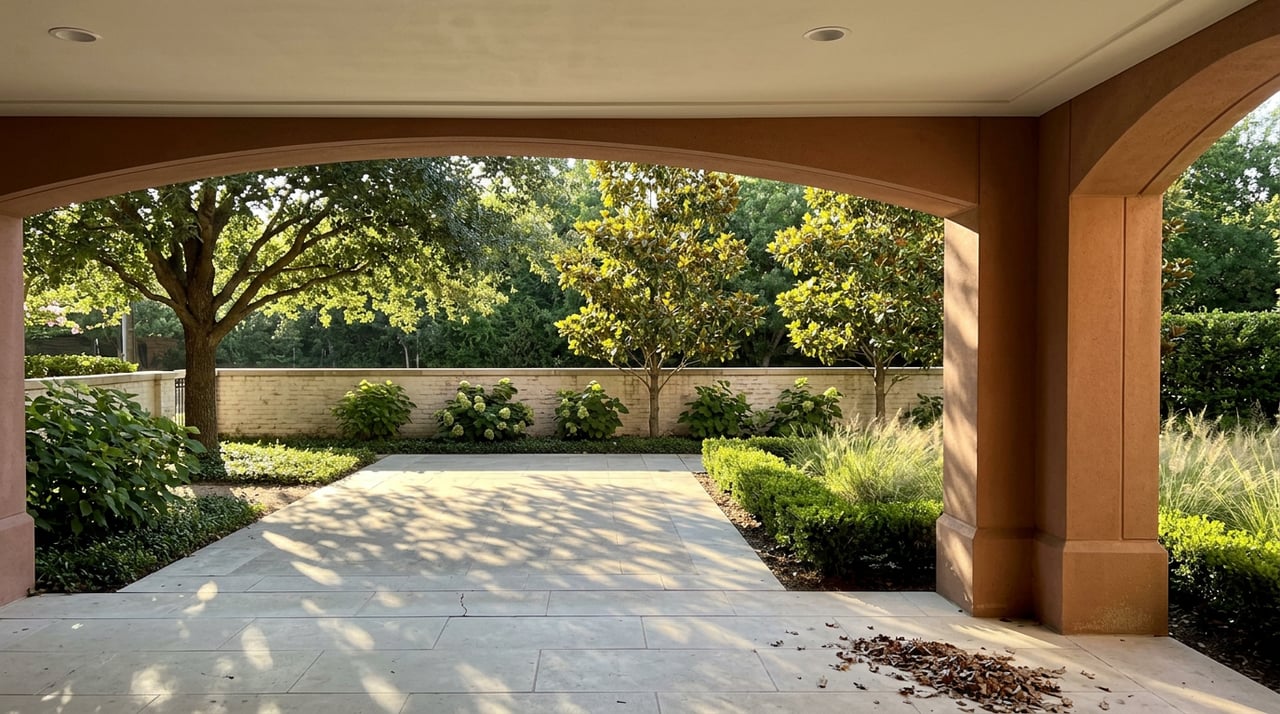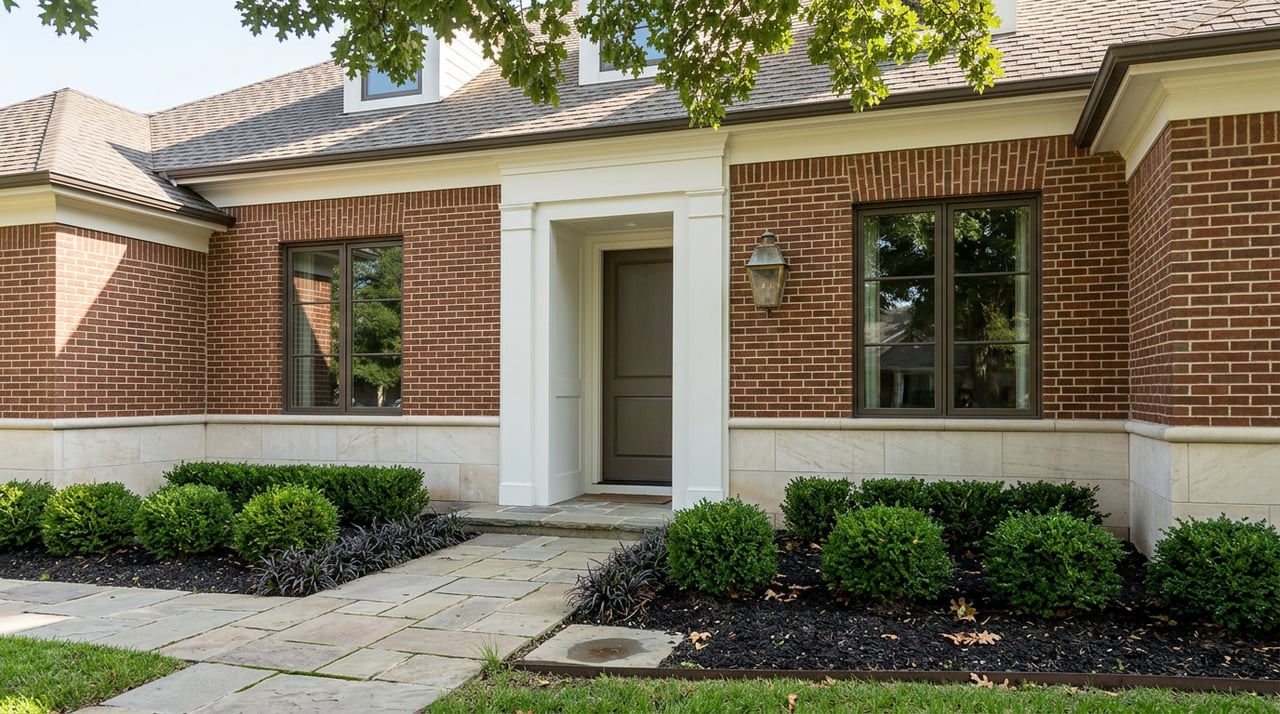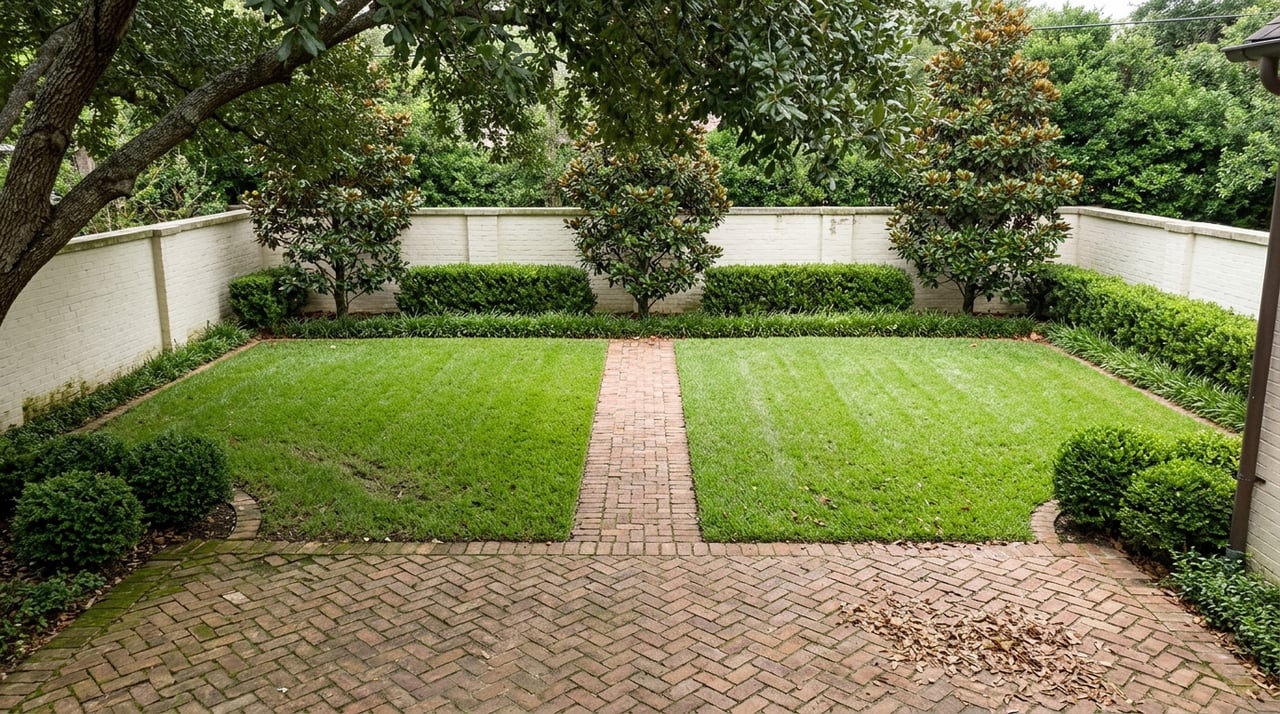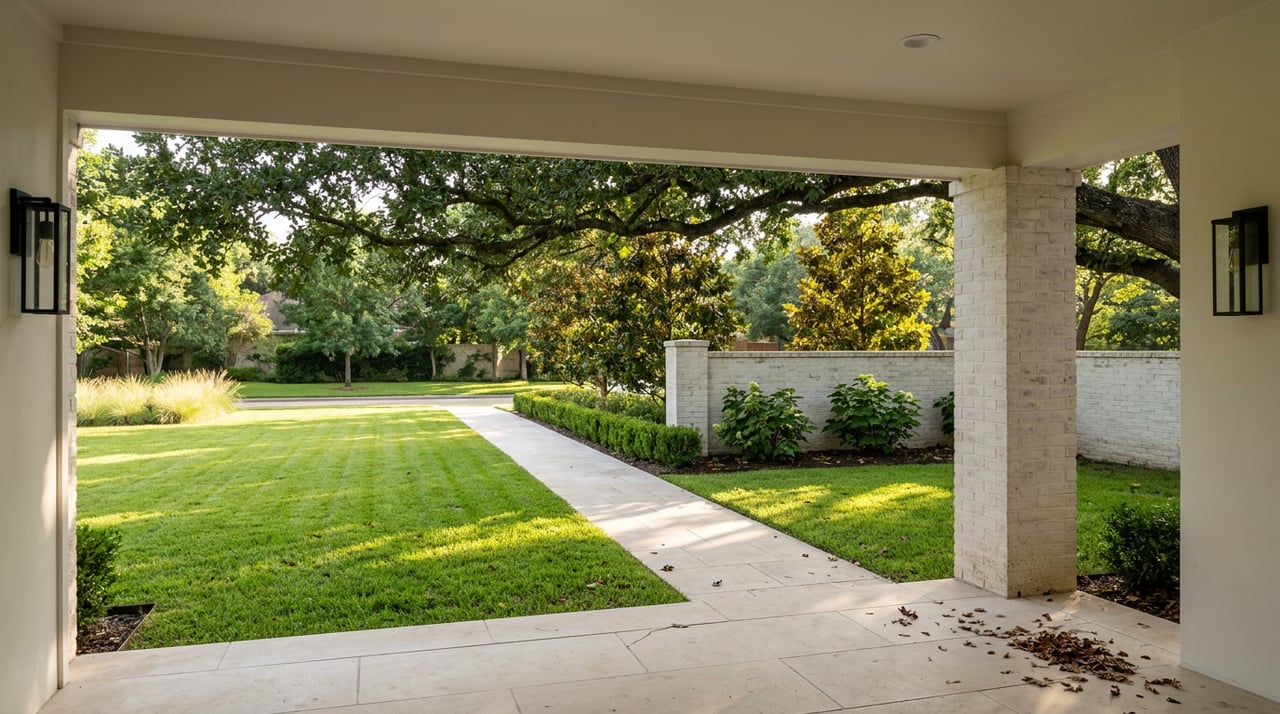
Torn between a stately Highland Park classic and a gleaming new build? You are not alone. This choice shapes your daily life, project timeline, and long‑term value. In this guide, you will learn how architecture, zoning rules, renovation needs, timelines, and resale dynamics differ in Highland Park so you can move forward with clarity. Let’s dive in.
Highland Park market reality
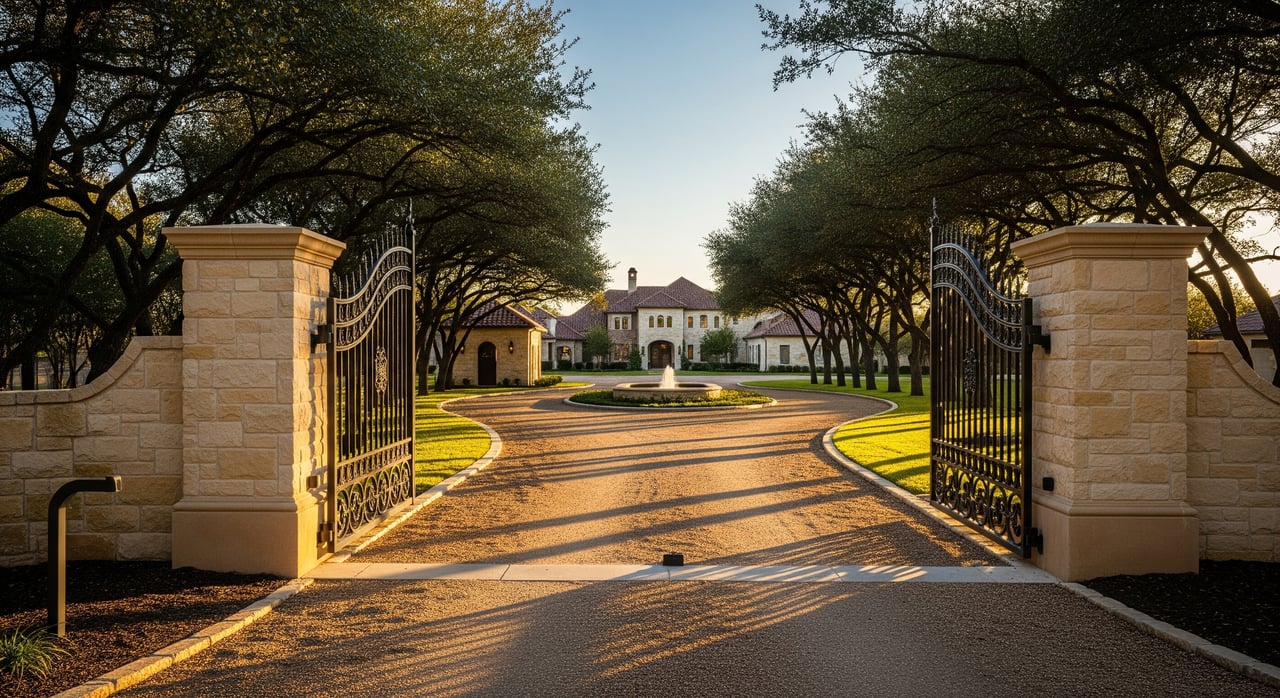
Highland Park is a small, independent town with some of North Texas’s highest property values and a very limited supply of single‑family homes. Ultra‑high‑end new builds on rare large lots have achieved top‑of‑market pricing, showing strong demand for quality and scale. Recent reporting highlighted an estate listing at the very top of the Texas market, underscoring this appetite for best‑in‑class new construction (example of ultra‑luxury pricing and demand).
Your annual carrying costs are shaped by Highland Park’s municipal tax rate and the Highland Park ISD levy. The Town publishes current municipal tax information and guidance on exemptions. Smart buyers weigh both town and school district taxes when assessing affordability (Town of Highland Park property tax resources).
Large, private lots are scarce. Many single‑family parcels fall in a mid‑range footprint, while a handful of estate‑scale sites approach an acre. That scarcity affects pricing, renovation options, and rebuild potential. Location, lot size, and architectural quality do much of the heavy lifting on value here.
Architecture and lifestyle fit
What classic homes offer
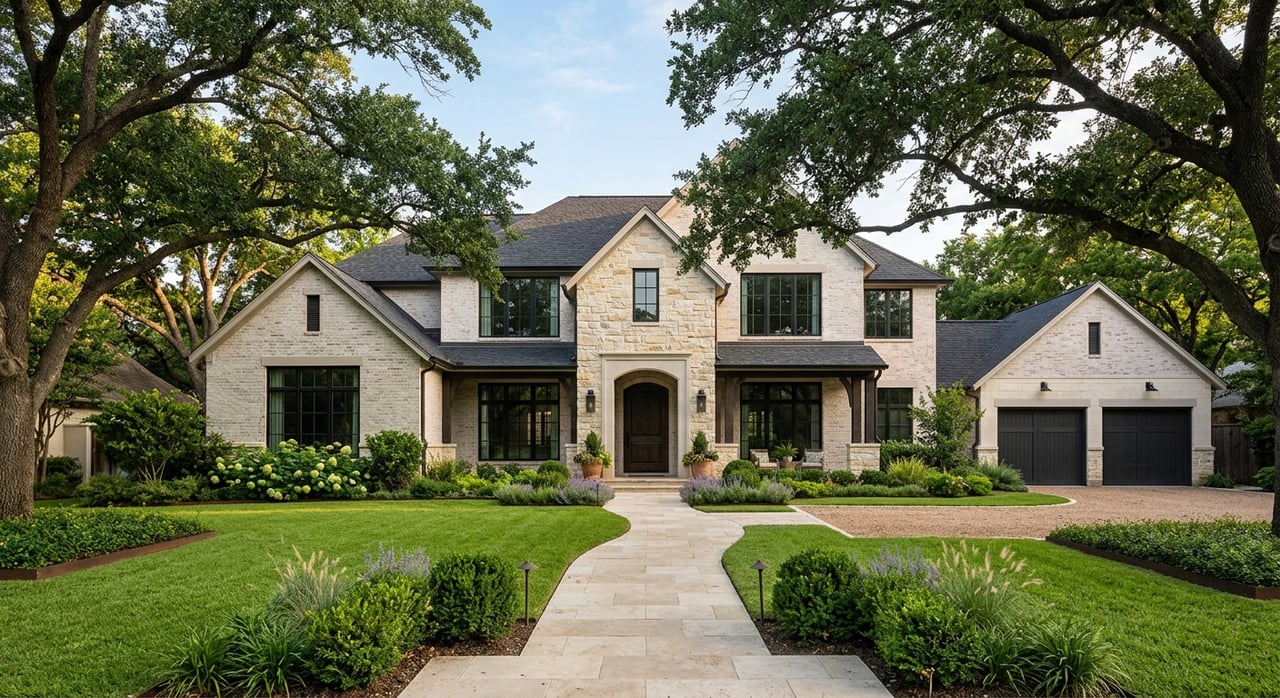
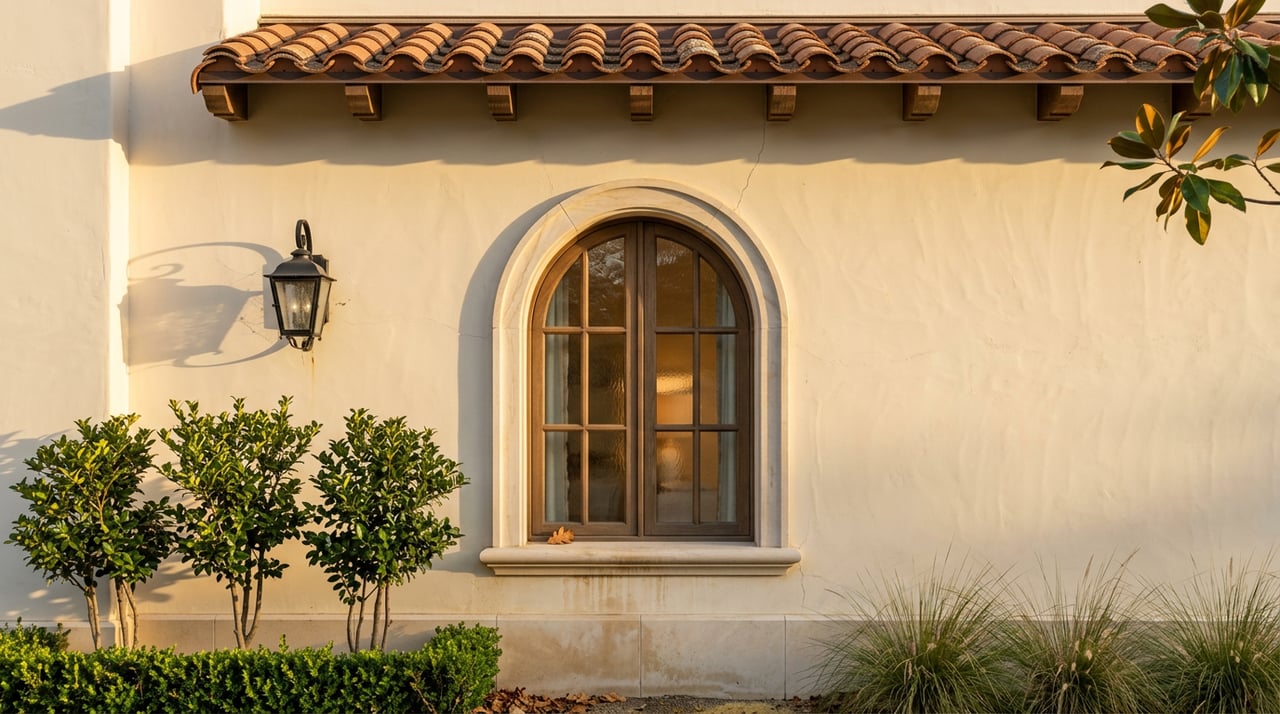
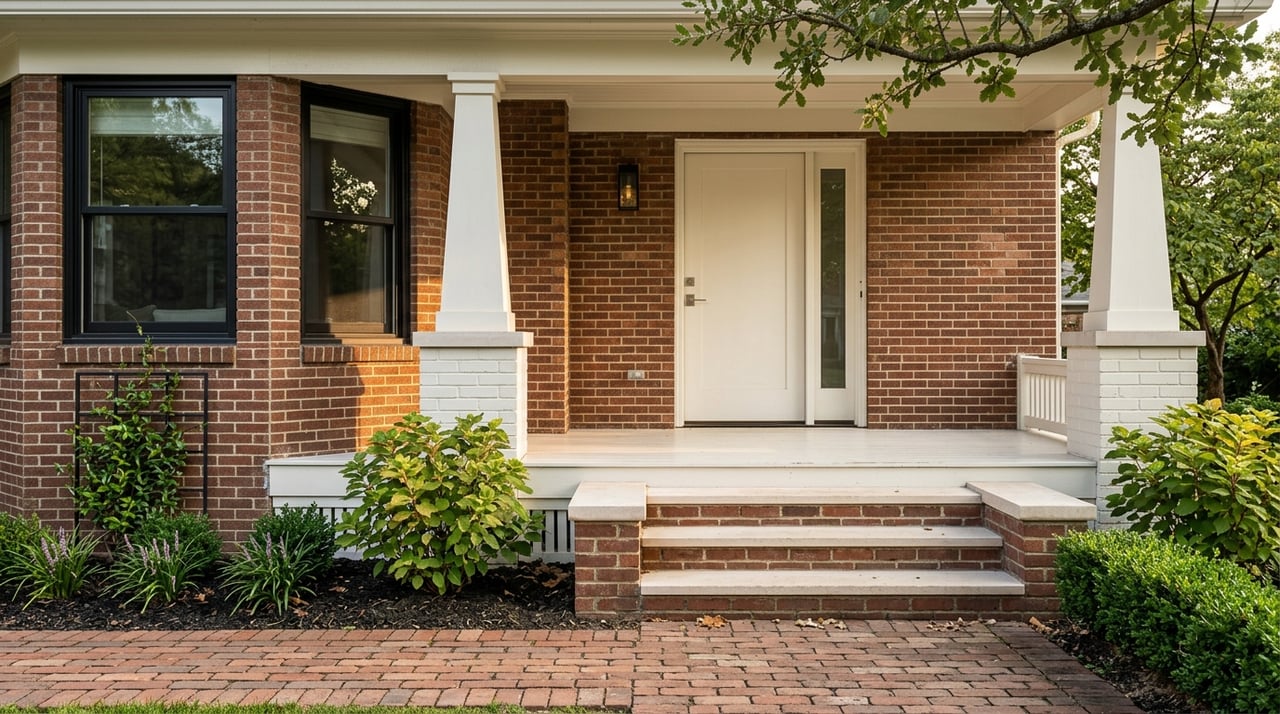
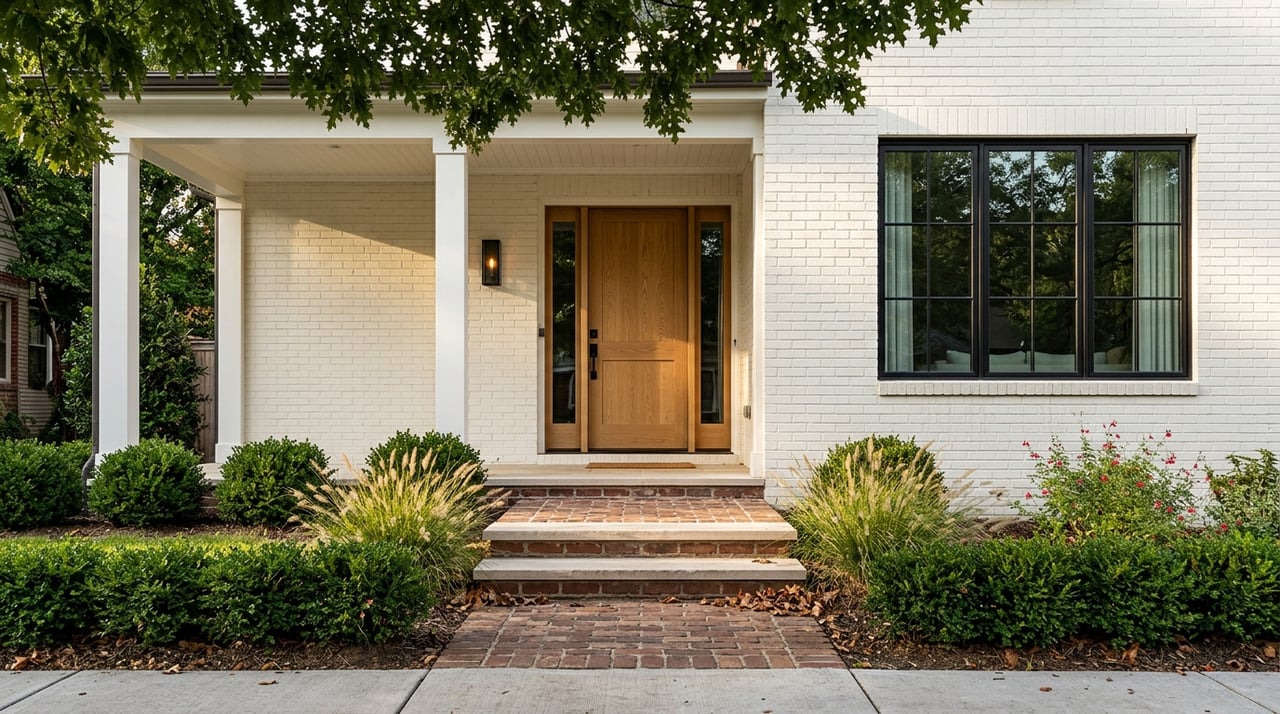
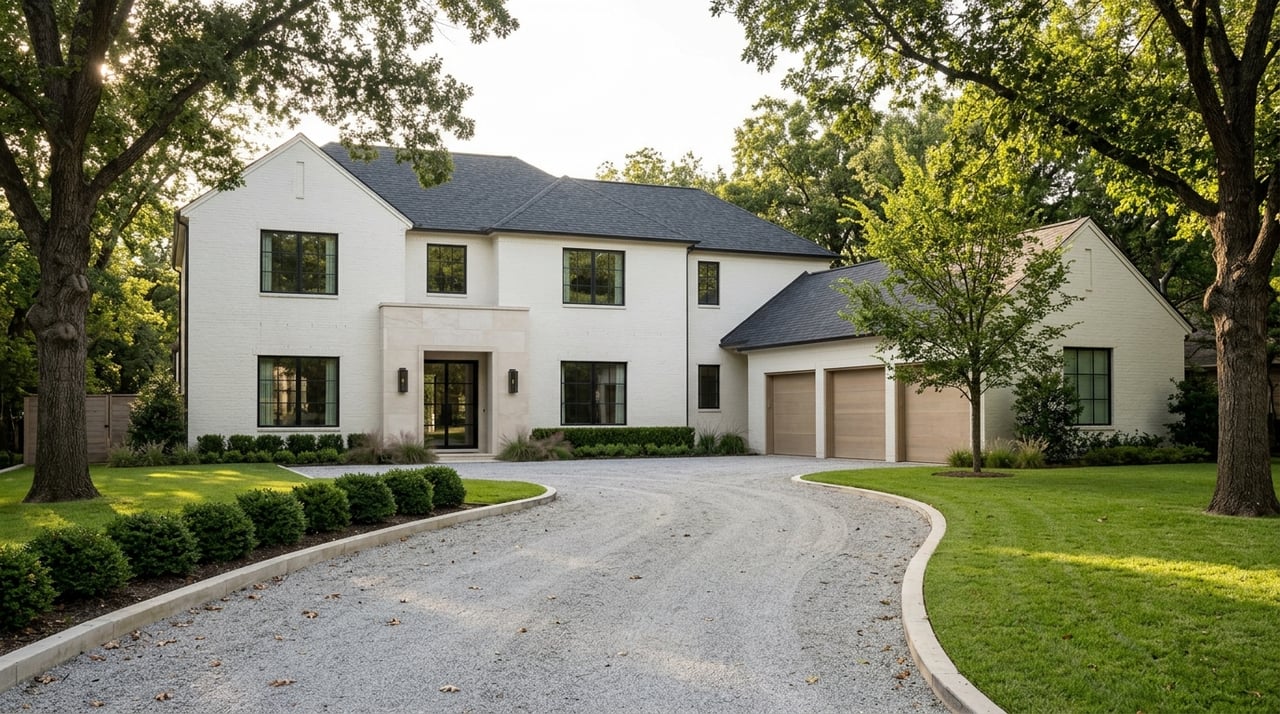
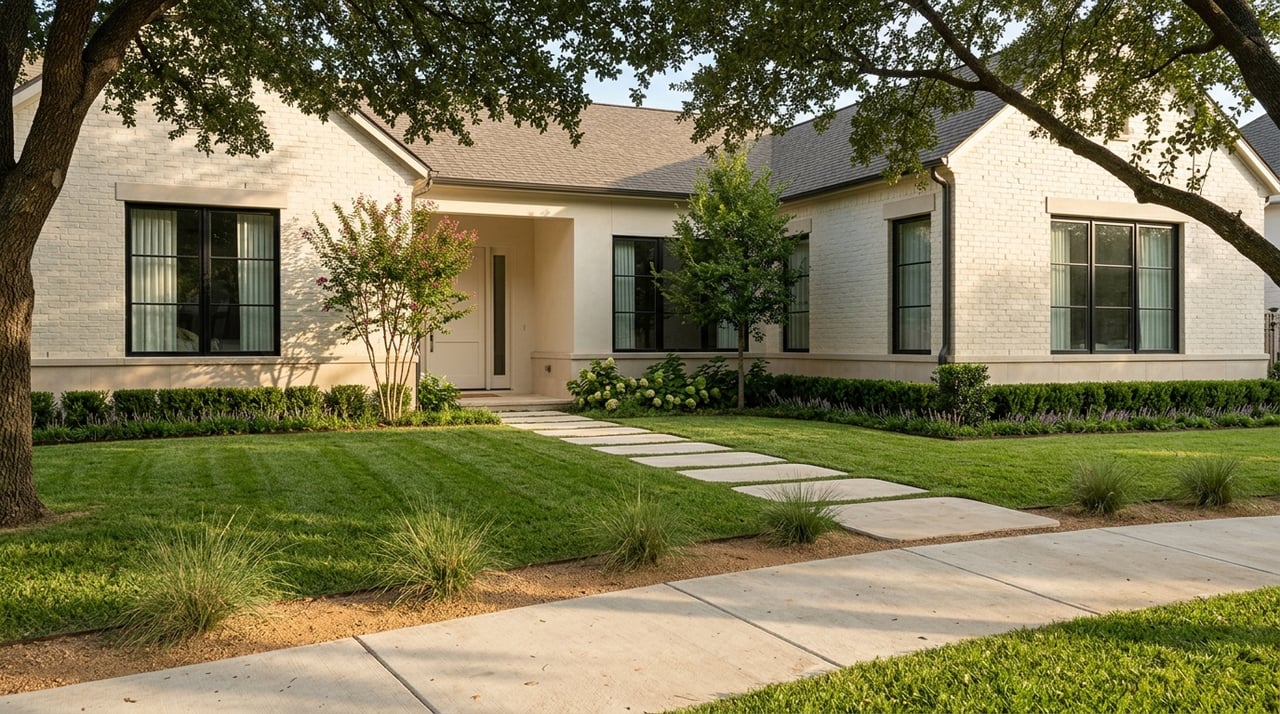
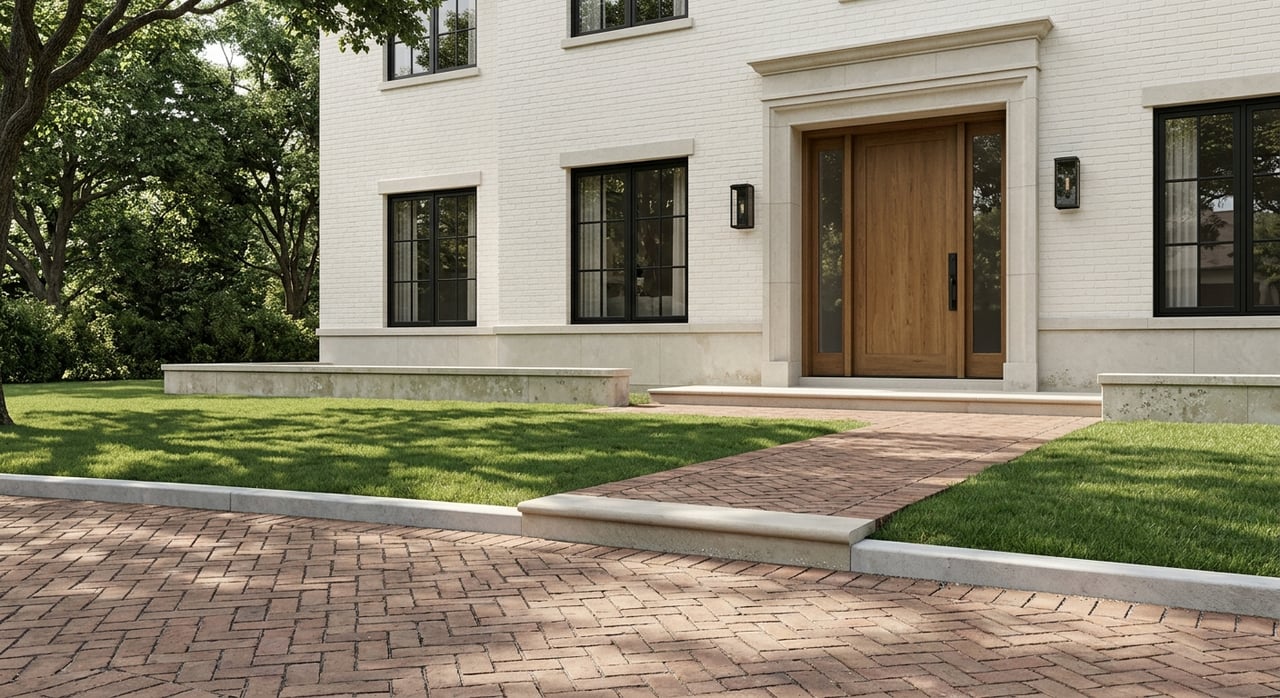
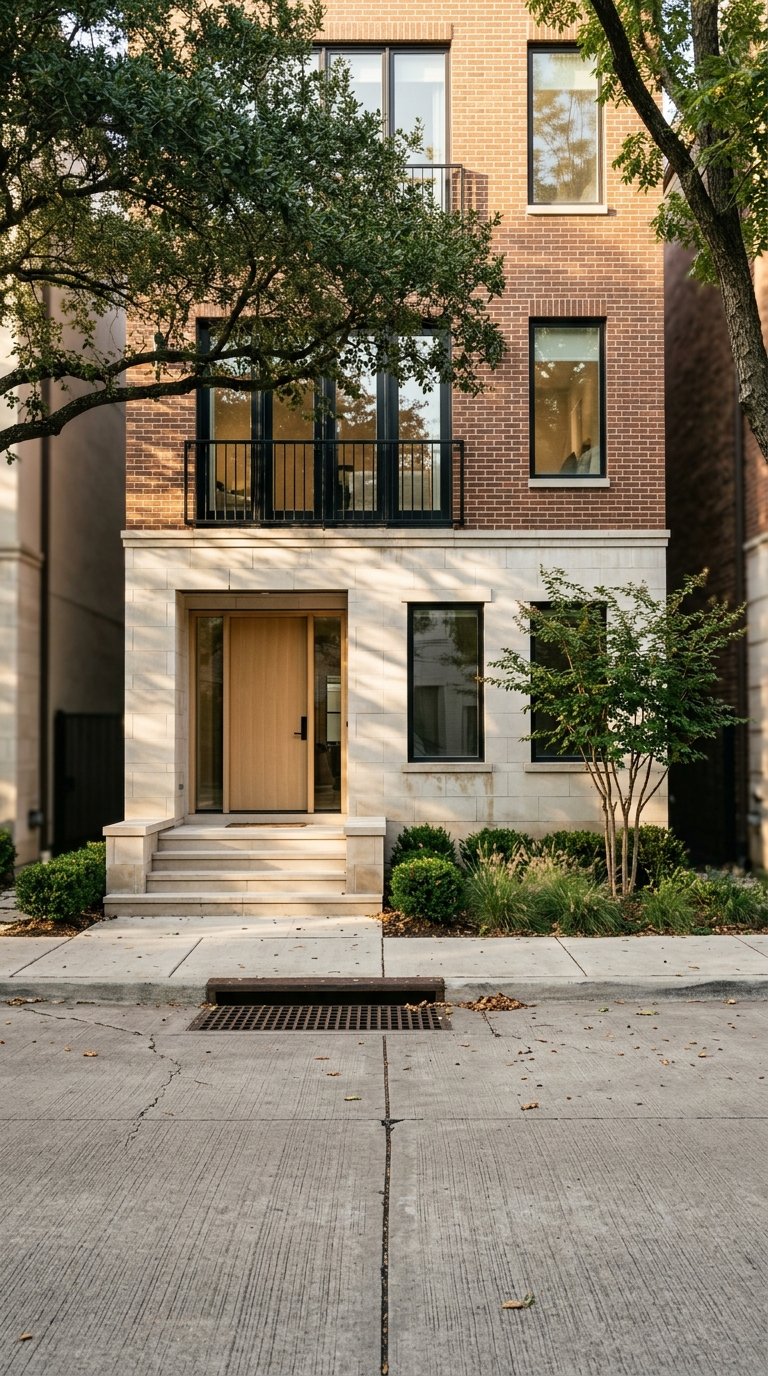
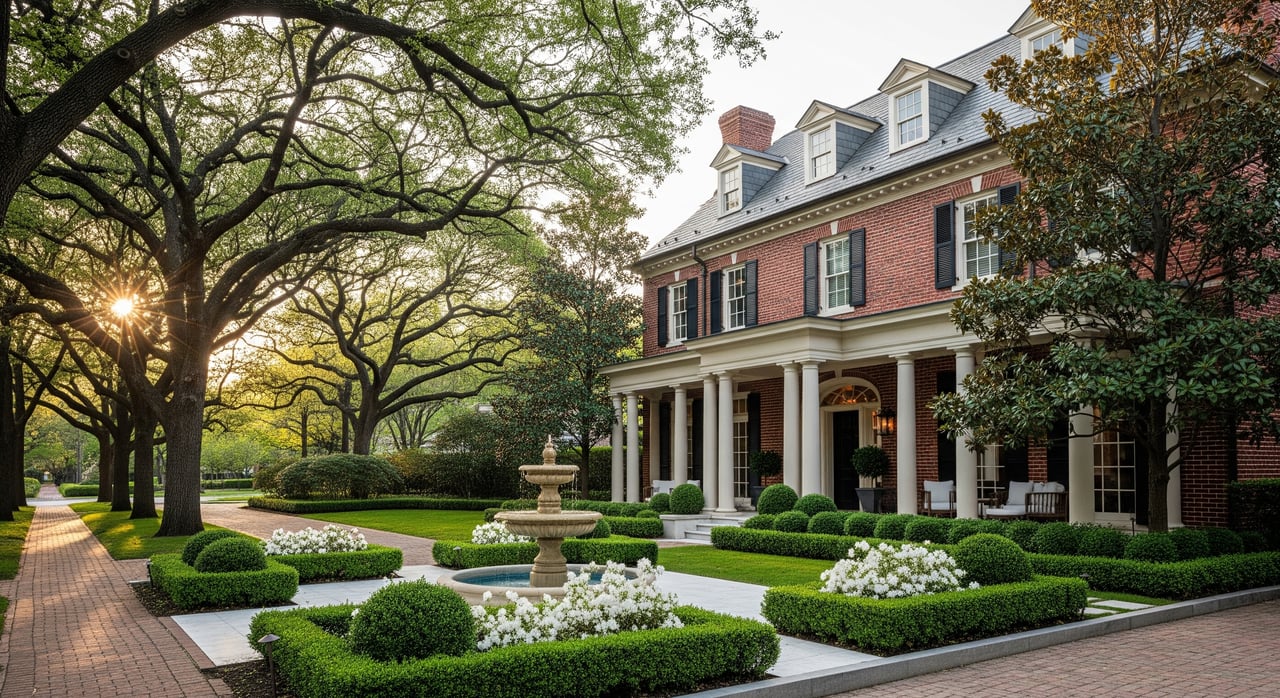
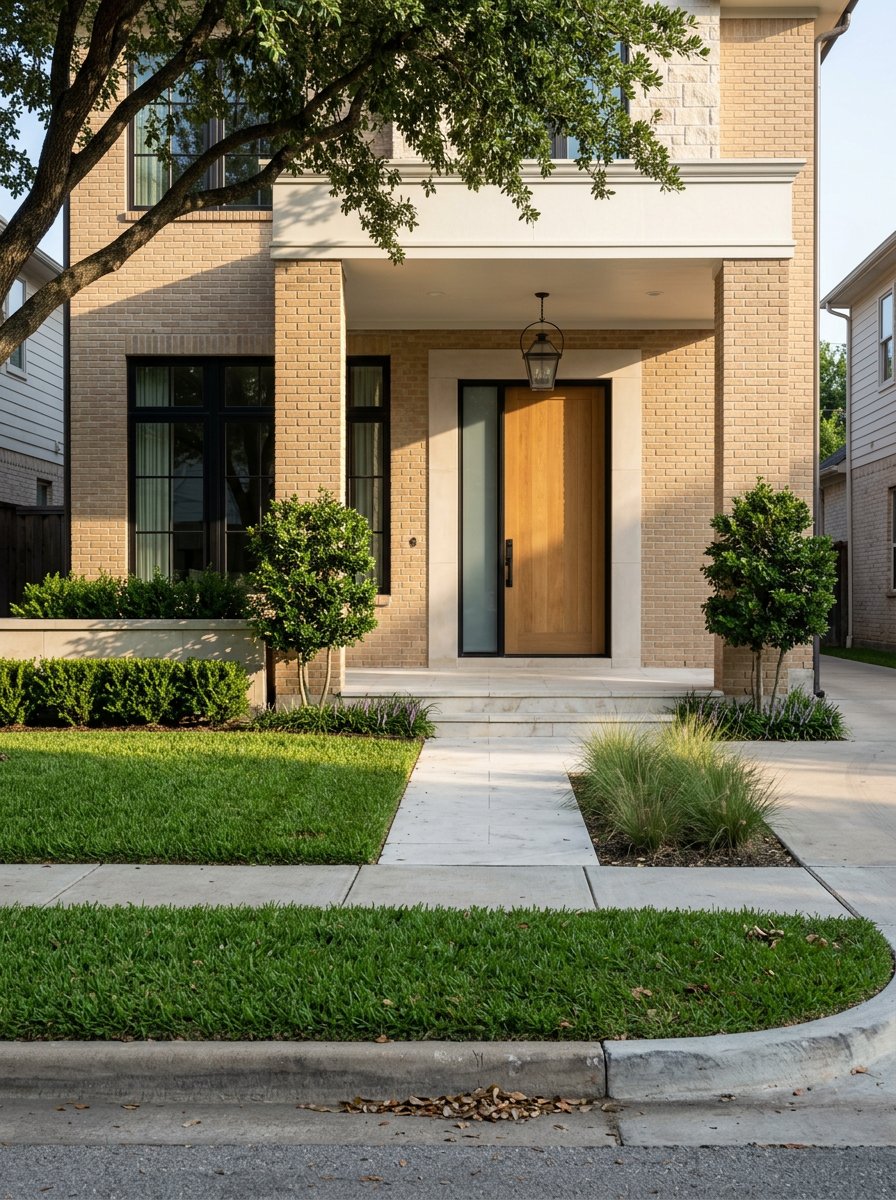
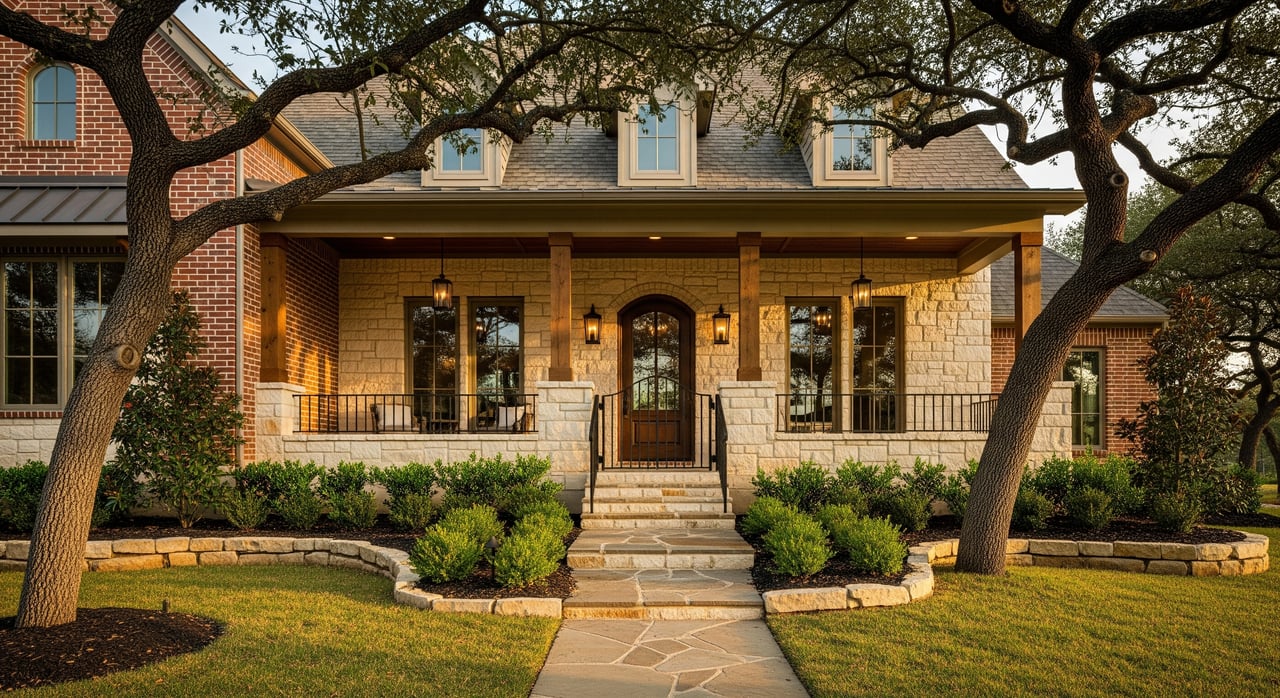
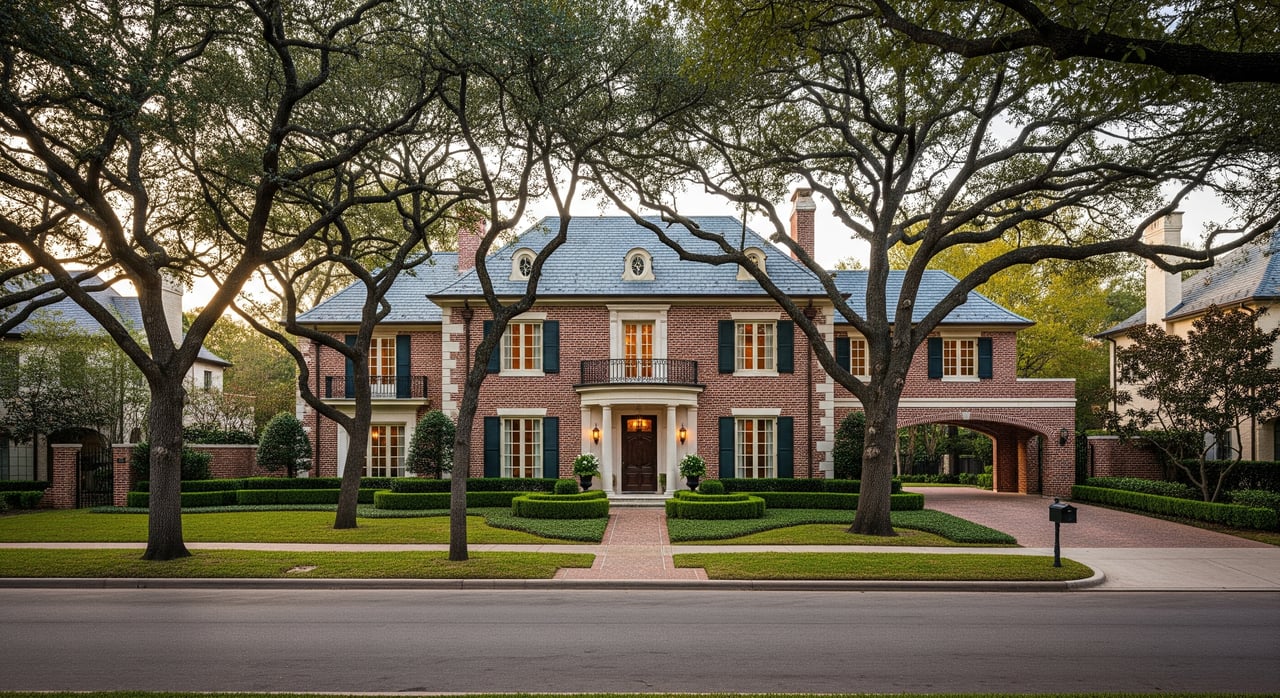
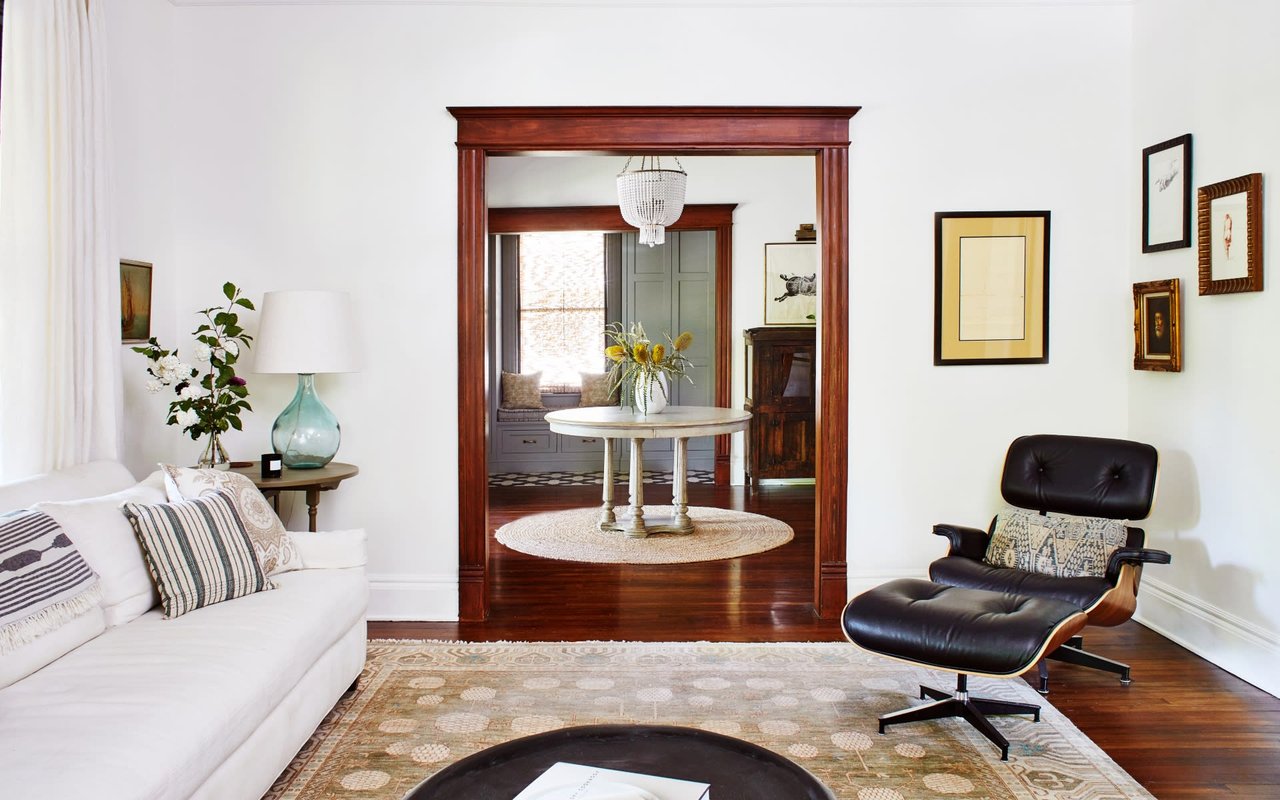
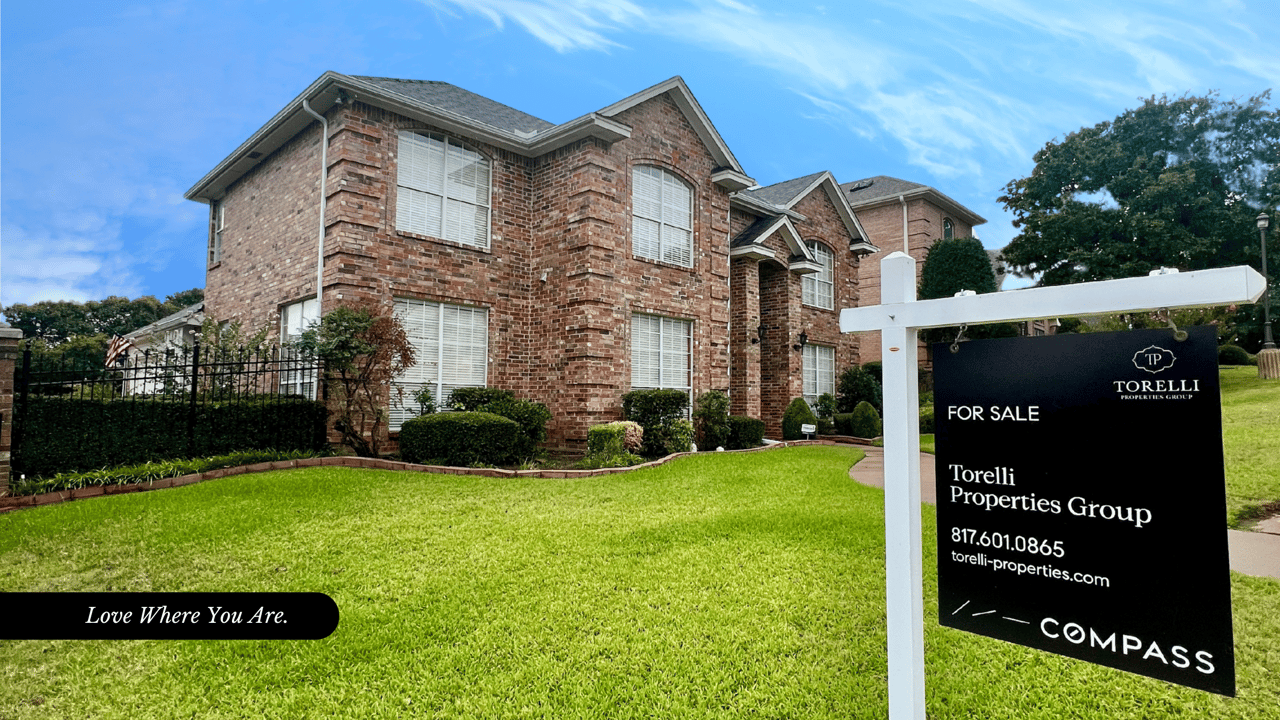
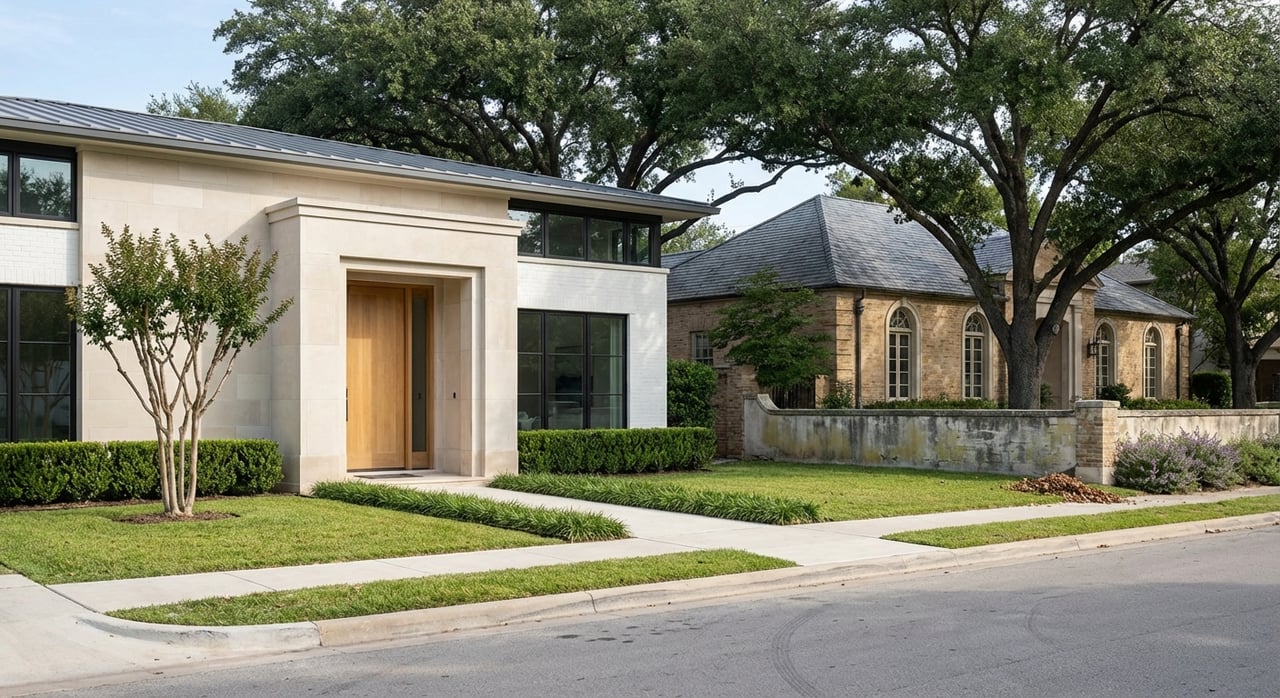
Many Highland Park classics date to the early and mid‑20th century, often in European‑influenced revival styles like Georgian, Tudor, Mediterranean, and French Eclectic. If you value patina, mature trees, and historically scaled rooms, these homes can be very appealing. Local guides describe a rich mix of historic architecture across Dallas’s older neighborhoods, including the Park Cities (visual overview of historic styles). Expect the possibility of systems upgrades or selective floor plan tweaks to suit modern living.
What new construction offers
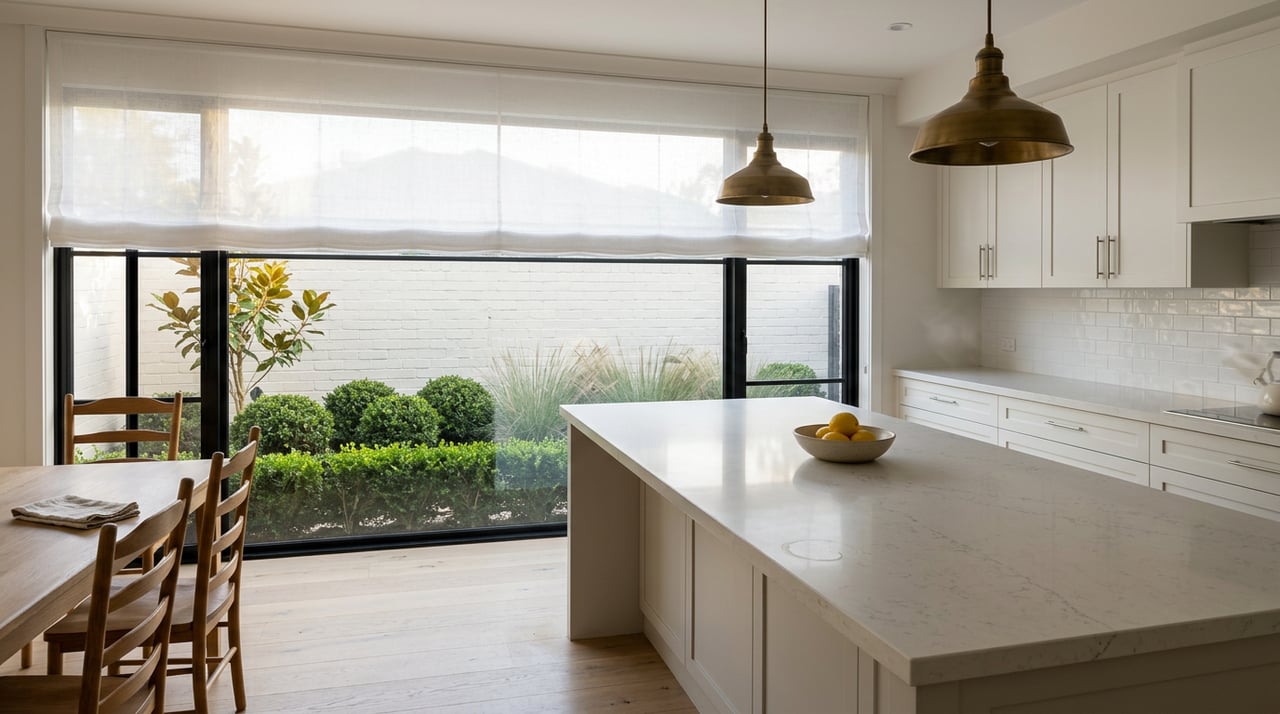
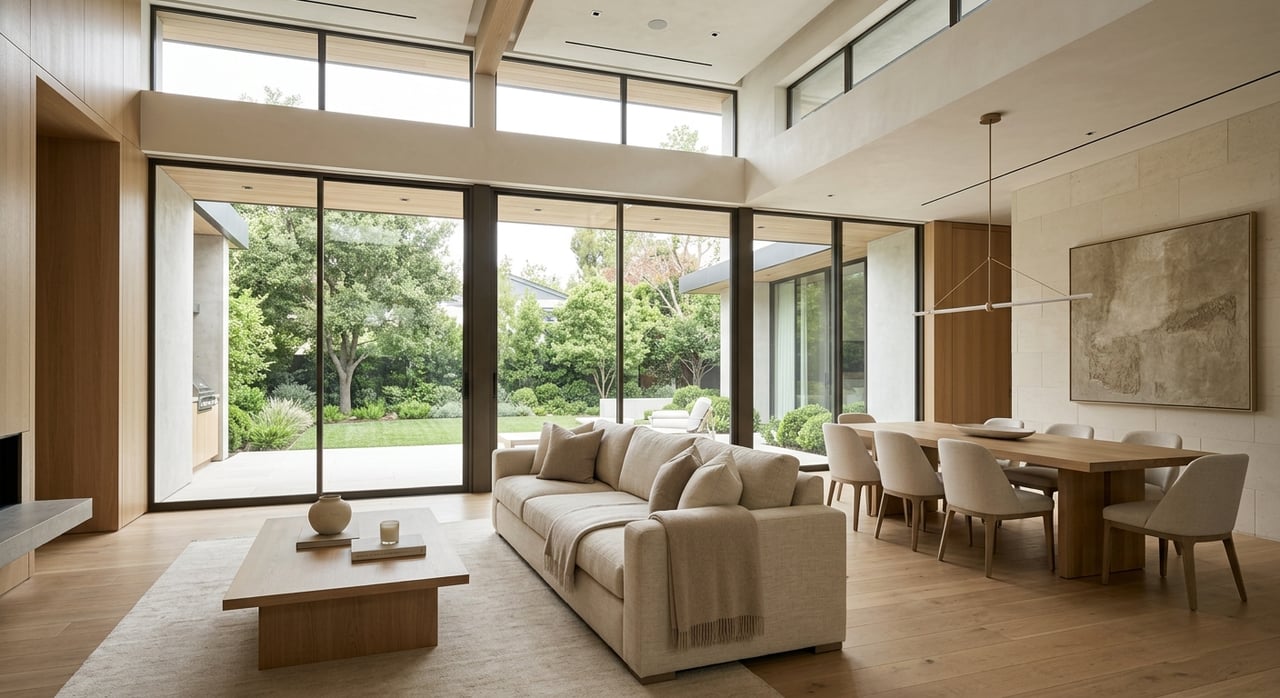
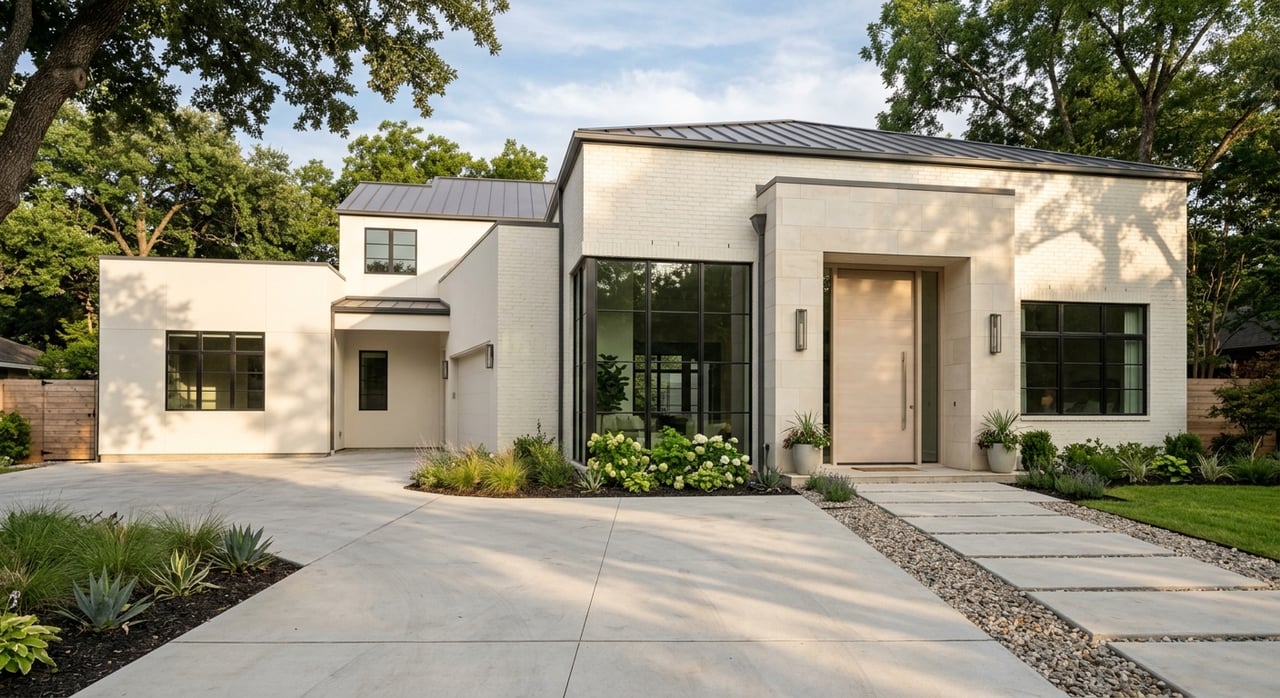
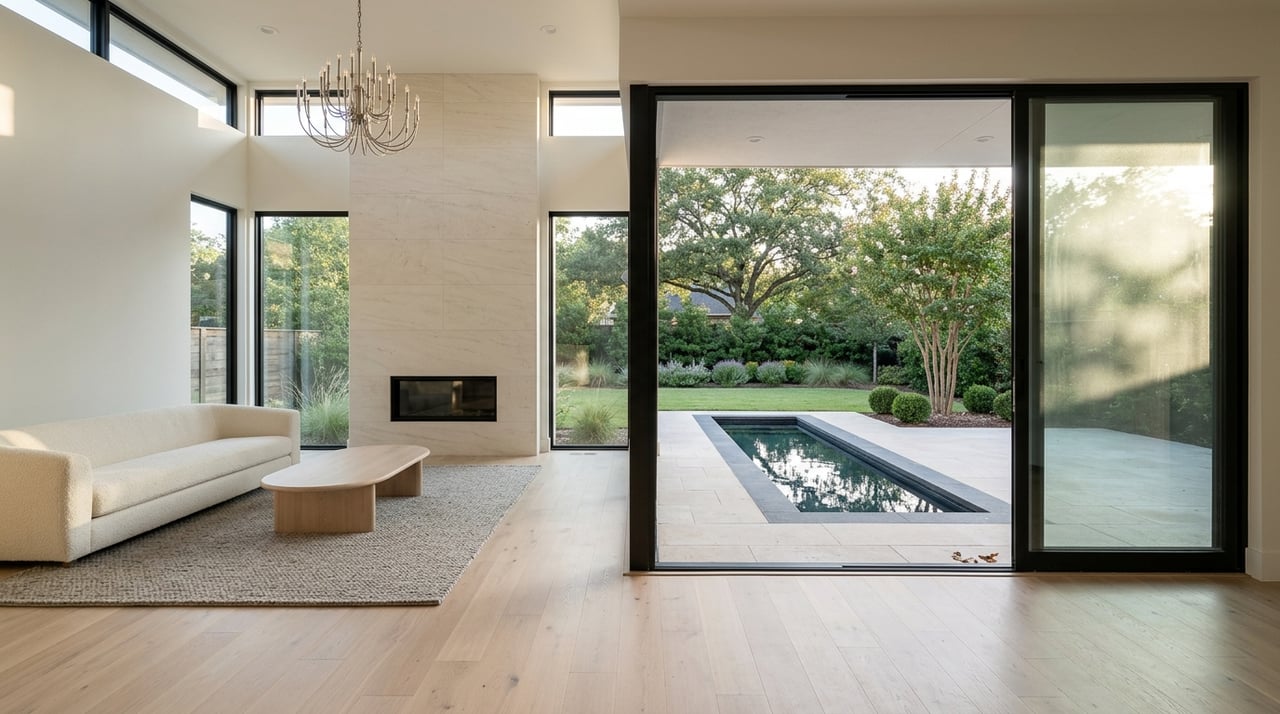
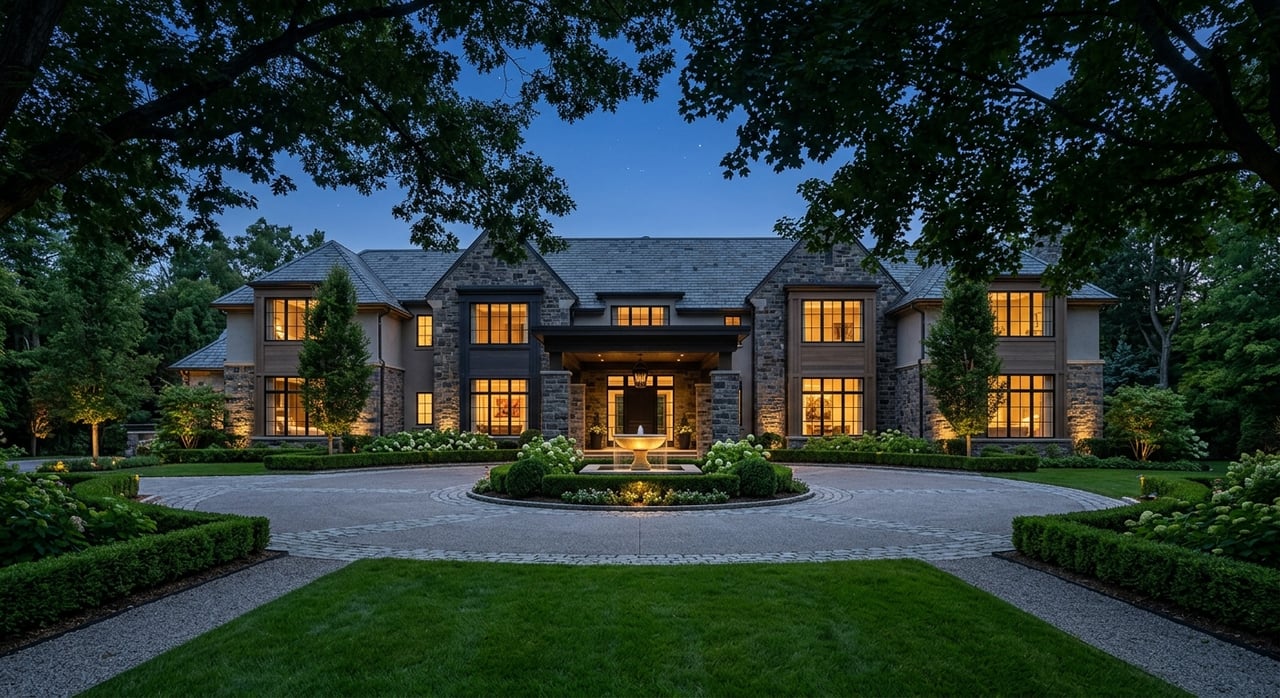
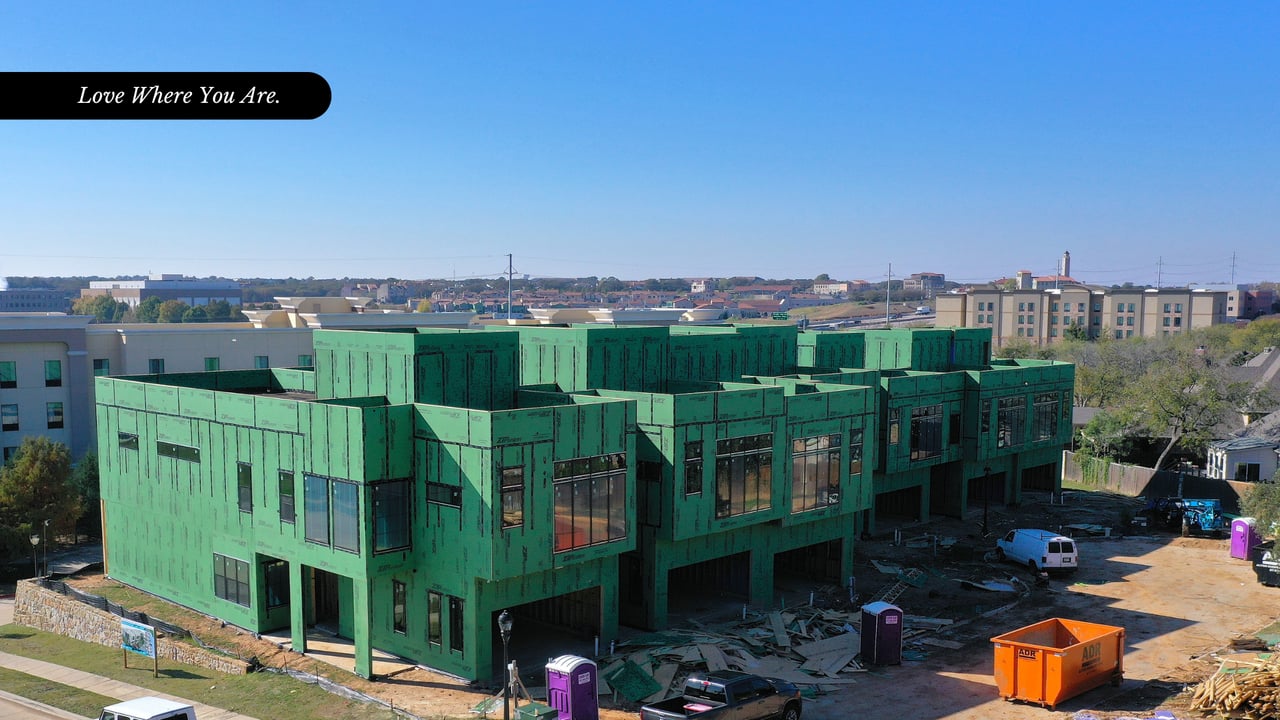
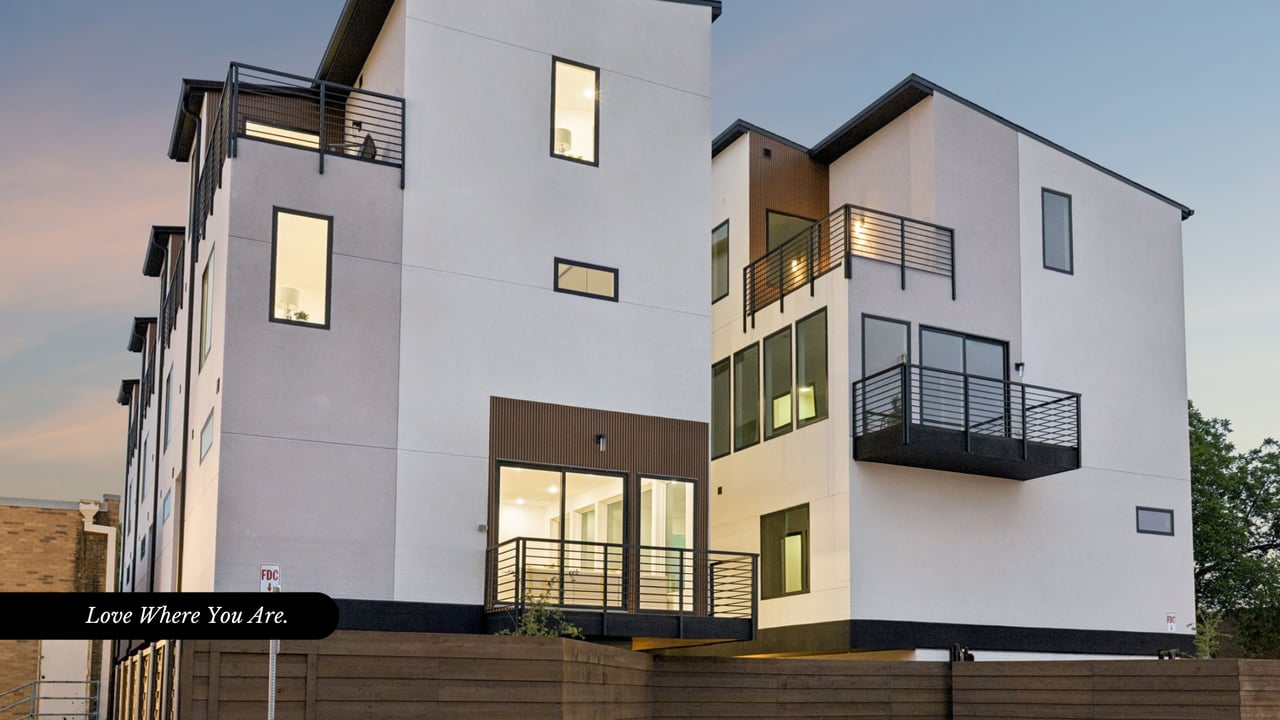
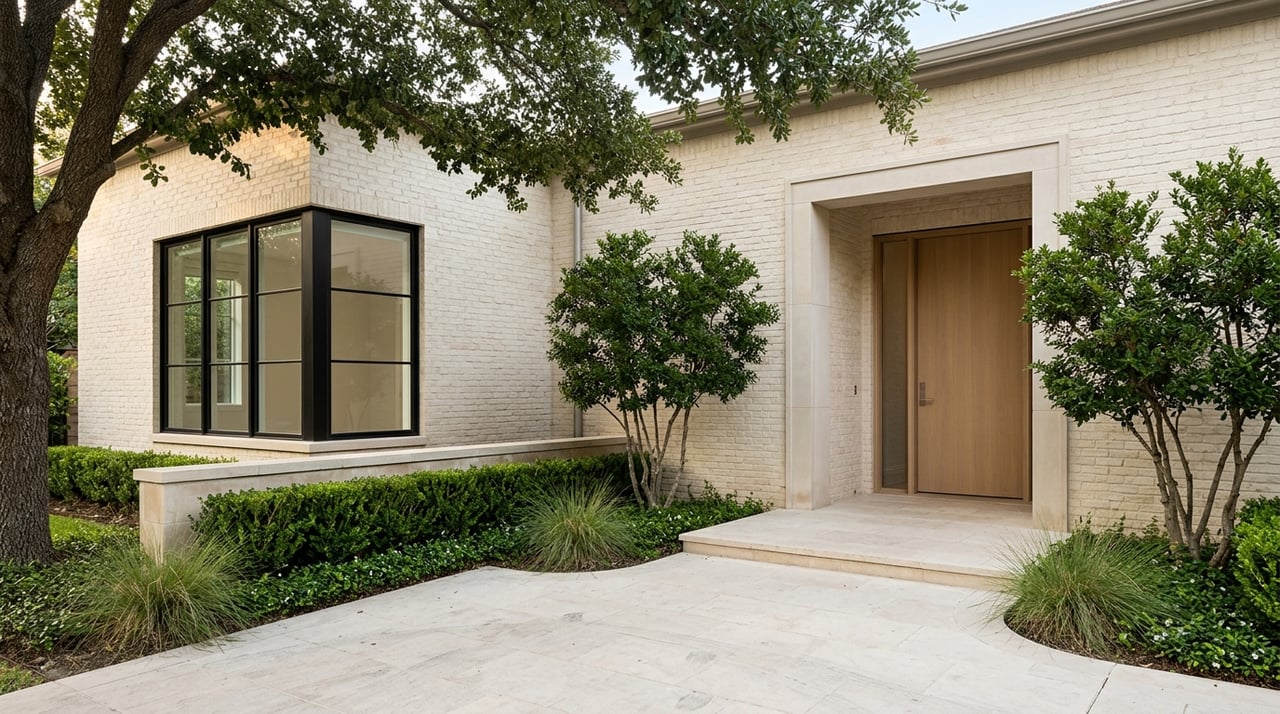
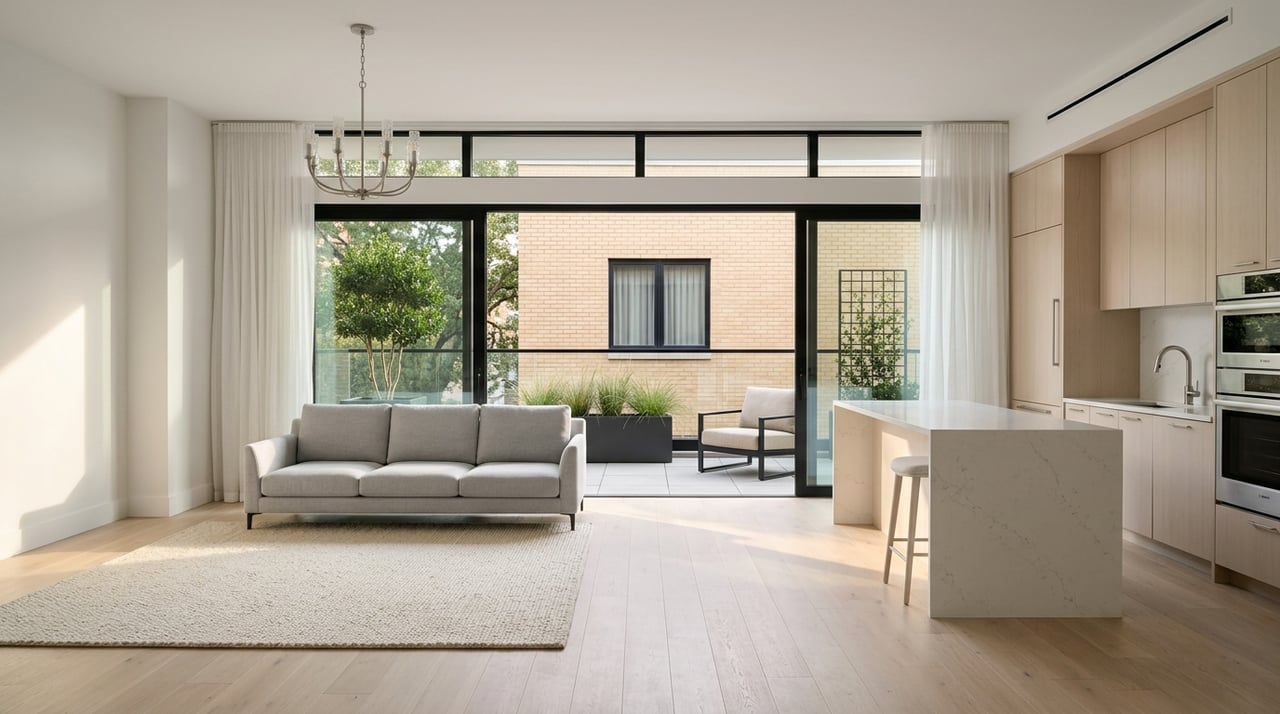
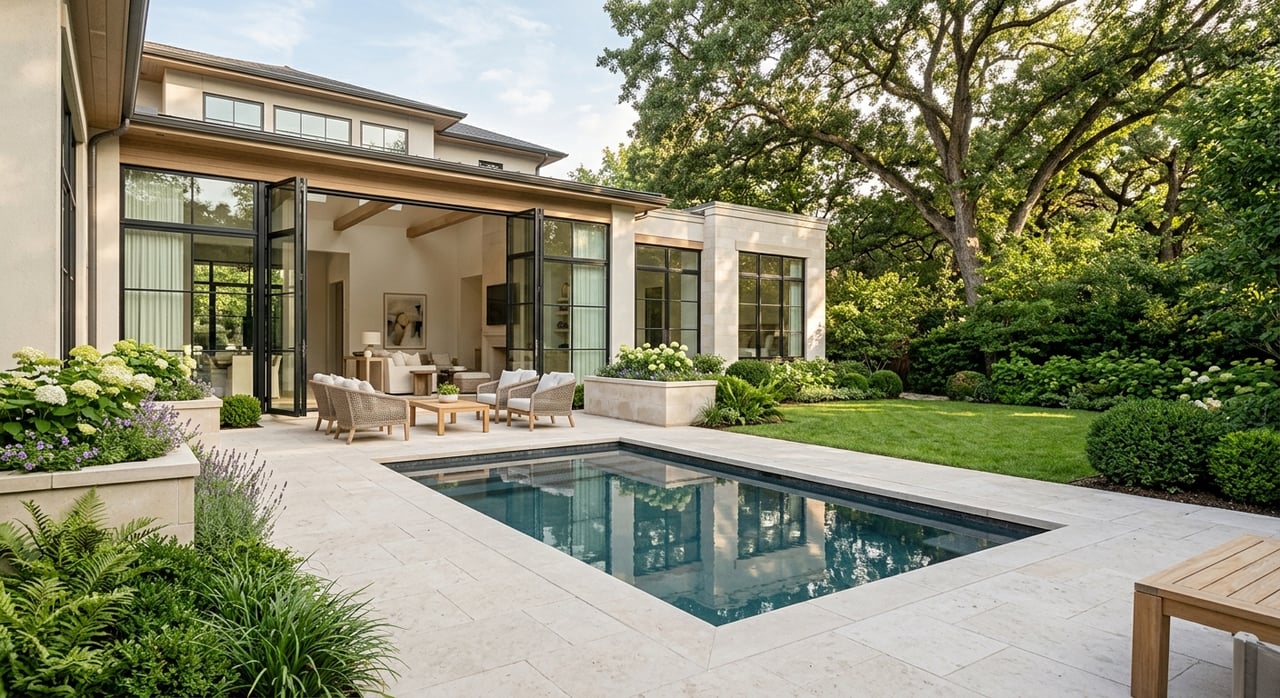
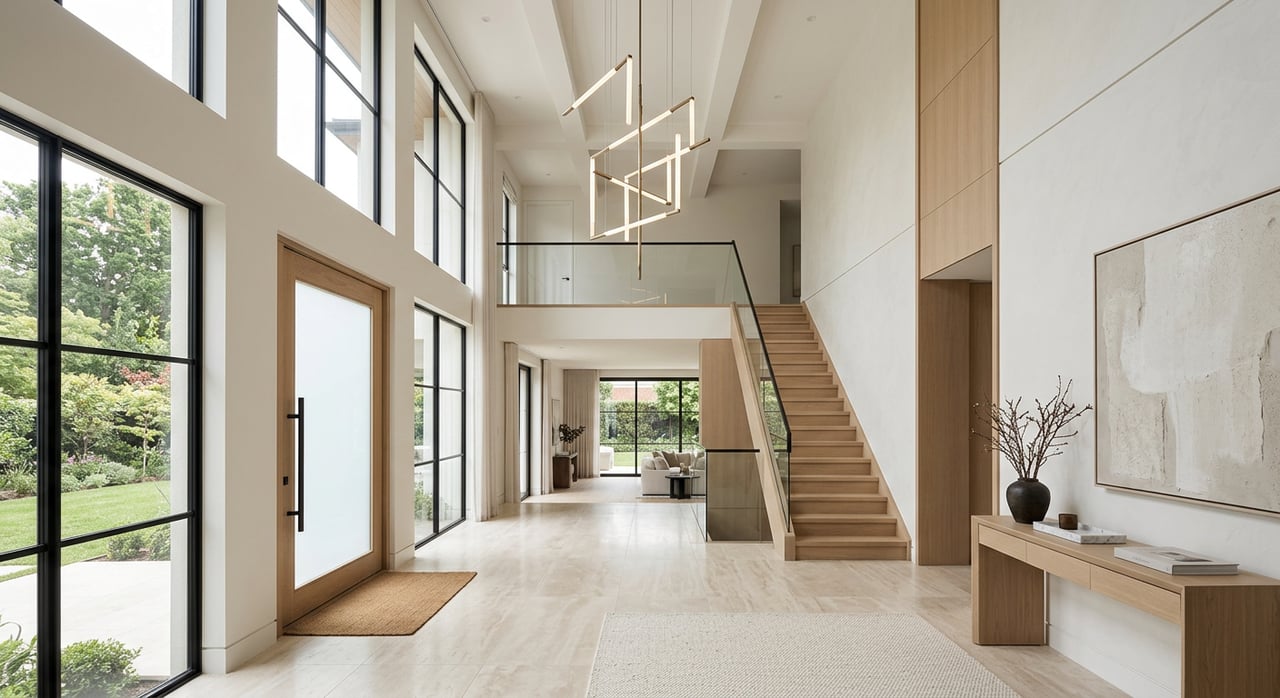
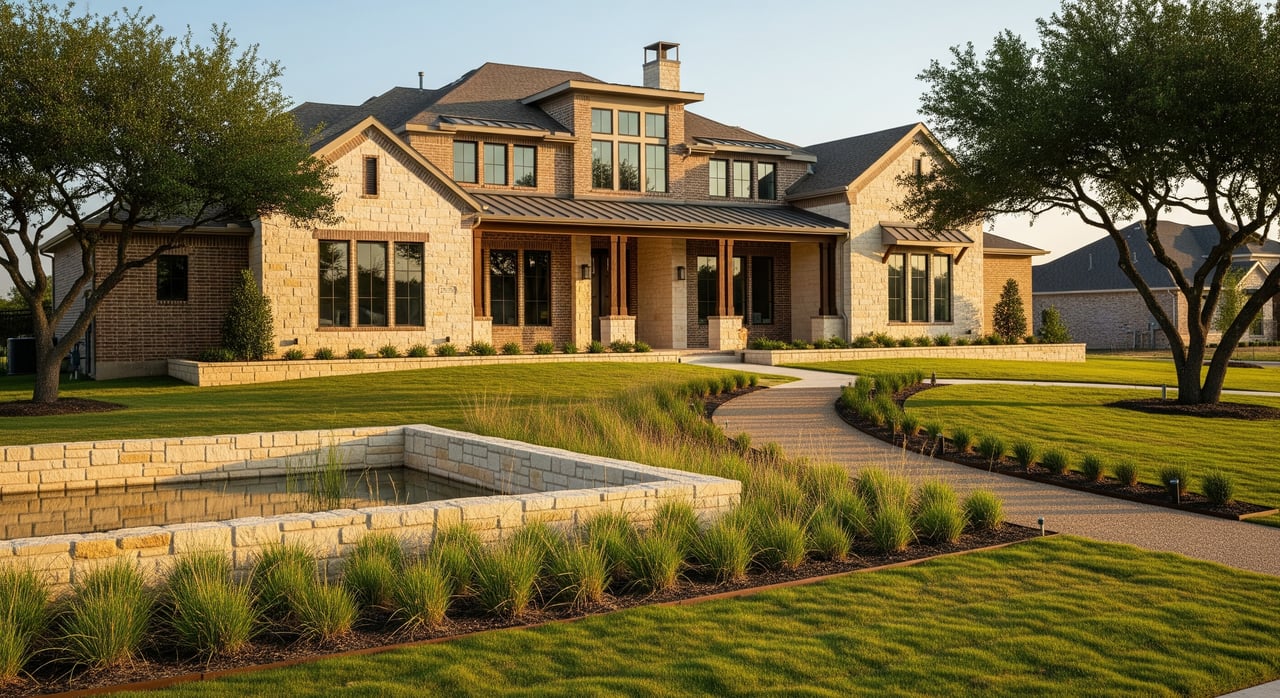
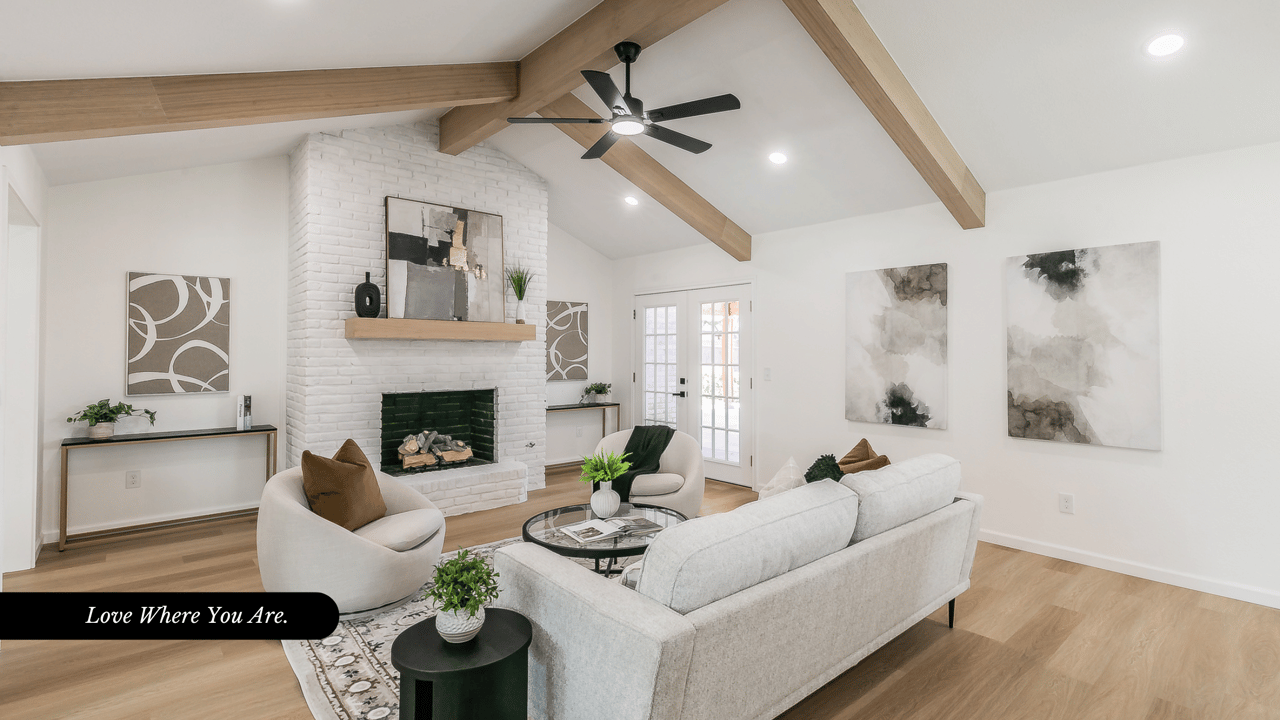
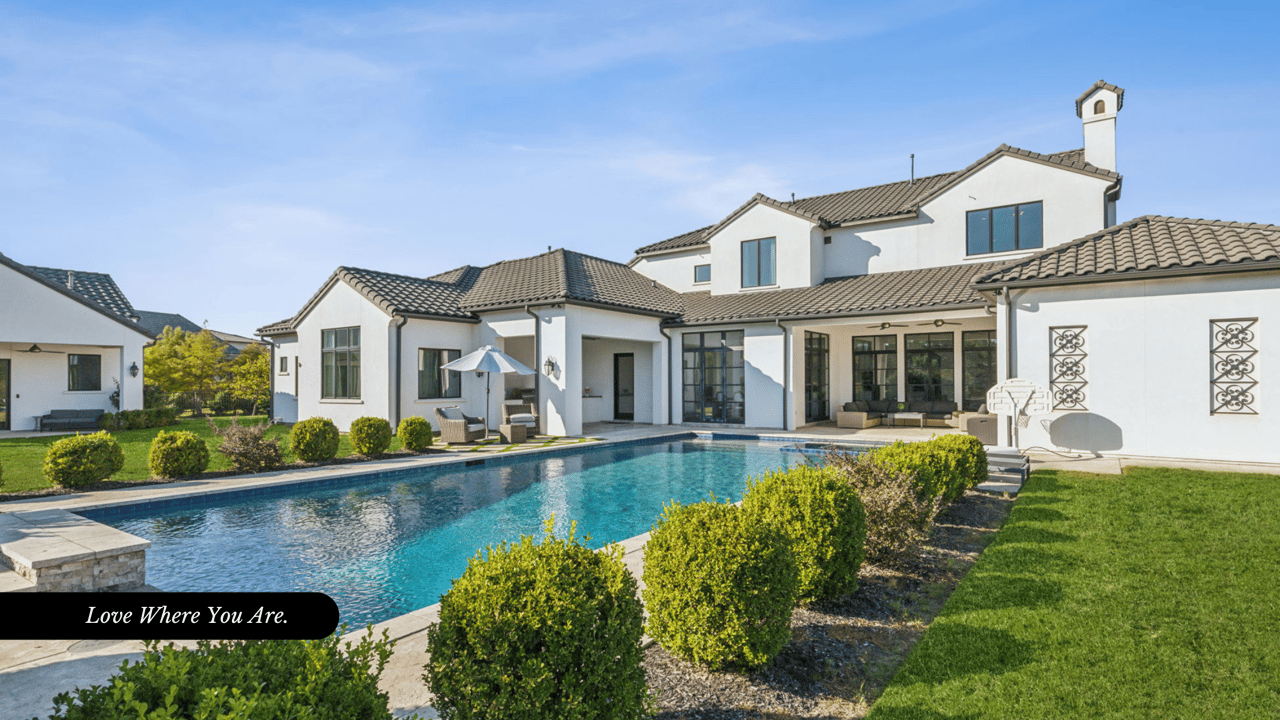
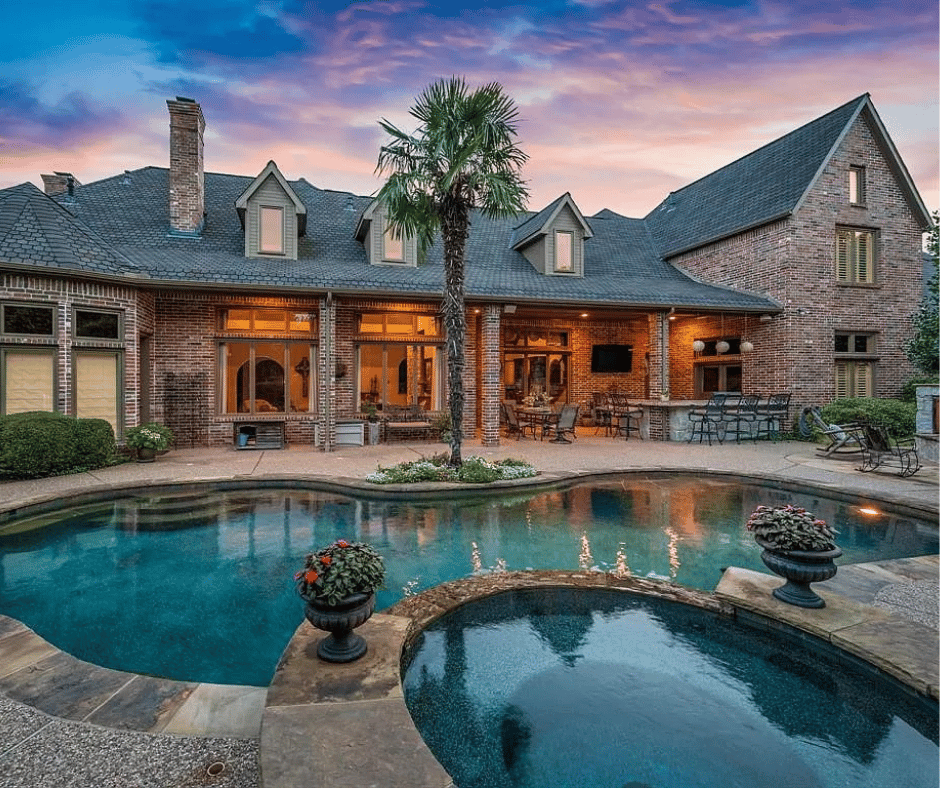
New luxury builds in Highland Park tend to deliver open entertaining spaces, modern MEP systems, integrated smart home features, multi‑car garages, and dedicated rooms for fitness, wine, and hobbies. On larger parcels, you may see expansive footprints and significant indoor‑outdoor transitions. Recent examples show that when quality and site are exceptional, buyers will pay for it (ultra‑luxury new build example).
Community character matters. New builds that feel out of scale can face neighborhood friction. Preservation‑minded groups are active resources and voices in local discussions (Preservation Park Cities).
Zoning rules that shape options
Highland Park enforces its own zoning ordinance and handles its own permitting and inspections. Before you renovate or build, review the code and connect with the Town’s Community Development department for submittal and inspection requirements (zoning ordinance hub, permits and inspections).
- Height and stories. The code sets limits by district. For example, the “A” one‑family district allows up to three stories and 45 feet, while many other districts limit homes to approximately 2 to 2.5 stories or 26 to 35 feet depending on district and roof type. Ornamental elements have special rules. These limits influence whether a third story, tall cupola, or large attic living area is allowed (zoning ordinance).
- Setbacks, lot coverage, and FAR. Minimum side yards scale with lot width, and each district has maximum lot coverage and floor‑area‑to‑lot‑area ratios. If you plan to combine adjacent lots, know that combined sites have separate maximum coverage rules, which can materially change what you can build without a variance (zoning ordinance).
- Demolition and preservation. The Town notes it does not impose local ordinances that legally restrict owners from demolishing private residences, though projects remain subject to zoning and permits. Community response can still shape timelines and public perception (Town FAQ on older homes).
- Practical permitting. Formal plan review, licensed contractors, inspections, and limits on working hours are standard. Significant remodels can run 12 months or more when you factor in design, bids, inspections, and neighbor impacts (permits and inspections).
Recent headlines show how neighborhood and political context can influence large proposals. A high‑profile teardown and zoning change request drew strong public pushback and was ultimately paused (Dallas Morning News coverage).
Renovation vs. new build costs and timelines
New build benchmarks
High‑end custom construction costs vary with design complexity and finishes. Industry guidance places many luxury projects at roughly $300 to $500+ per square foot, with total timelines of about 12 to 24 months from planning through completion. Very large or highly detailed estates can extend beyond that window, so early budget and schedule work with local builders is key (construction cost overview).
Renovation outlook
Renovating a classic can keep historic charm and mature landscaping while updating function and systems. Cosmetic upgrades often recoup a higher share at resale than deep upscale remodels or major additions, which deliver lifestyle value but may not return dollar‑for‑dollar (Cost vs. Value research). Older homes can hide surprises in foundations, roofs, electrical, and plumbing, so carry a 15 to 25 percent contingency once walls open.
If the home predates 1978, plan for lead‑safe work practices and potential asbestos testing. Texas follows the EPA Renovation, Repair and Painting rules, which add testing and containment requirements and can extend timelines (Texas DSHS lead program).
Resale and risk in Highland Park
Long‑term value in Highland Park is driven by location within the town, the lot’s size and privacy, architectural quality, and the reputation of HPISD. A thoughtfully scaled new build on a prime lot often achieves top pricing. By contrast, highly personal or idiosyncratic renovations can be harder to comp. Inventory is small and price points are segmented, so some ultra‑expensive properties may take longer to market. Your design choices today influence future liquidity.
Public sentiment matters. Teardowns and zoning requests can attract attention, which can affect timelines and strategy for both buyers and sellers. Stay aligned with the code, expect professional plan review, and be ready to communicate with neighbors for smoother execution (Dallas Morning News coverage).
Due diligence checklist for buyers
- Confirm zoning district, height limits, setbacks, FAR, and maximum lot coverage for the parcel. Review the official ordinance and any recent amendments (zoning ordinance).
- Order a current survey and title work to identify easements, tree locations, curb cuts, and restrictions.
- Review permit history, open code items, and any prior variances with the Town’s Building Inspection team (permits and inspections).
- If renovating a pre‑1978 home, budget for lead and asbestos testing and hire certified contractors (Texas DSHS guidance).
- If building new, get site‑specific bids from Highland Park‑experienced custom builders and a civil engineer. Verify tree protection, staging, and right‑of‑way logistics with the Town.
- Check flood hazard designations and any utility or drainage constraints that affect foundations and elevations (zoning ordinance).
- Speak with a preservation organization to understand neighborhood context and goodwill opportunities (Preservation Park Cities).
- Model carrying costs, including municipal and school district taxes, using published rates and exemptions (Town tax resources).
Decision framework
- Choose a classic Highland Park home if you prize architectural authenticity, mature landscaping, and neighborhood continuity, and you are comfortable with selective system upgrades and a measured renovation plan.
- Choose new construction if you want a turnkey, high‑efficiency home tailored to modern living and are prepared for a multi‑phase planning and build cycle, plus design scrutiny on scale.
- Consider a middle path by buying a well‑restored classic or a new build designed in a style and scale that respects Park Cities character. That can deliver modern function and strong neighborhood goodwill.
Work with a local guide
This decision is both personal and technical. You deserve clear steps, vetted resources, and access to the right opportunities, including privacy‑sensitive options. Our team brings a concierge process, off‑market reach through Compass Private Exclusive, and a vetted network of builders, engineers, preservation contacts, and inspectors to help you compare paths and act with confidence.
Ready to map your Highland Park strategy? Connect with Torelli Properties Group to get a tailored plan, introductions to trusted vendors, and discreet access to opportunities that fit your goals.
FAQs
What permits do I need to renovate a Highland Park home?
- Most substantial projects require permits and inspections; start with the Town’s Community Development page for submittals, contractor rules, and timelines.
How tall can I build a new house in Highland Park?
- It depends on your zoning district; for example, “A” one‑family districts allow up to three stories and 45 feet, while others limit height to about 2 to 2.5 stories or 26 to 35 feet.
Are teardowns restricted in Highland Park?
- The Town states it does not have a local ordinance that legally restricts demolition of private residences, but zoning and permits still apply and public sentiment can affect timelines.
What are typical Highland Park lot sizes?
- Many single‑family lots fall roughly in the 6,000 to 15,000 square‑foot range, with a few rare estate parcels approaching one acre; verify your site with a current survey.
Do older Highland Park homes have lead paint risks?
- Homes built before 1978 can involve lead‑safe requirements; budget for testing and certified renovation practices under Texas DSHS and EPA rules.