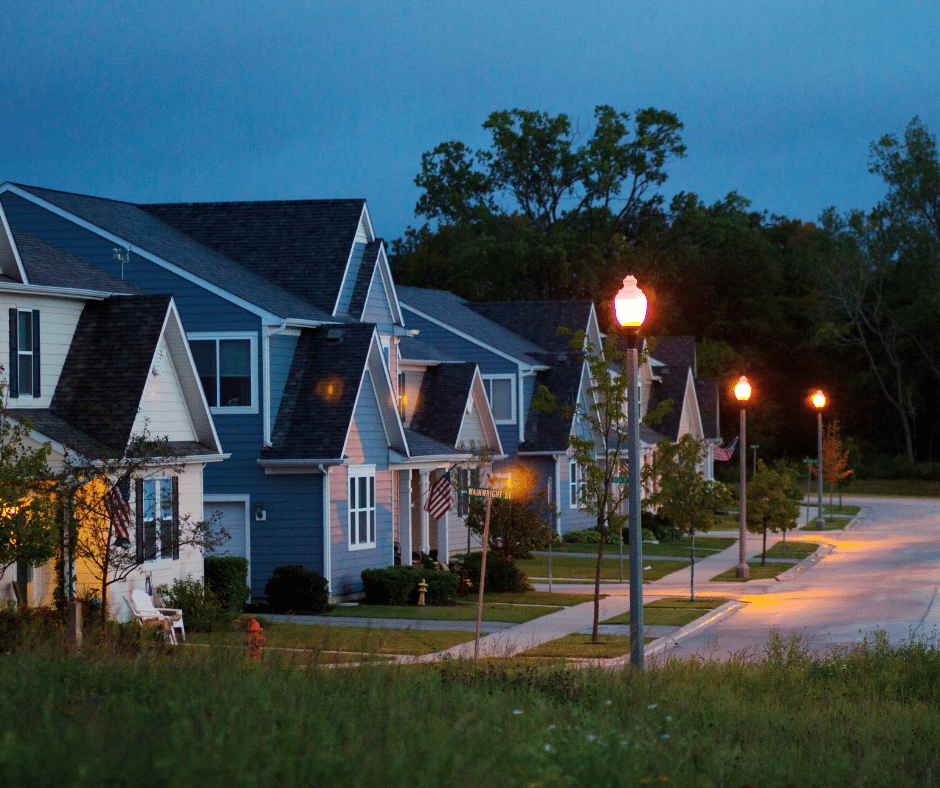
Thinking about a gated community in Southlake but not sure if it fits your family’s routine, budget, or long‑term plans? You want privacy, attractive streets, and on‑site amenities without taking on more rules than you can live with. In this guide, you’ll learn what daily life looks like behind the gates, how HOA dues work, what documents to review, and the financial and lifestyle trade‑offs to consider. You’ll also get a simple decision matrix and a practical tour checklist so you can compare communities with confidence. Let’s dive in.
Southlake gated living at a glance
Community types you’ll find
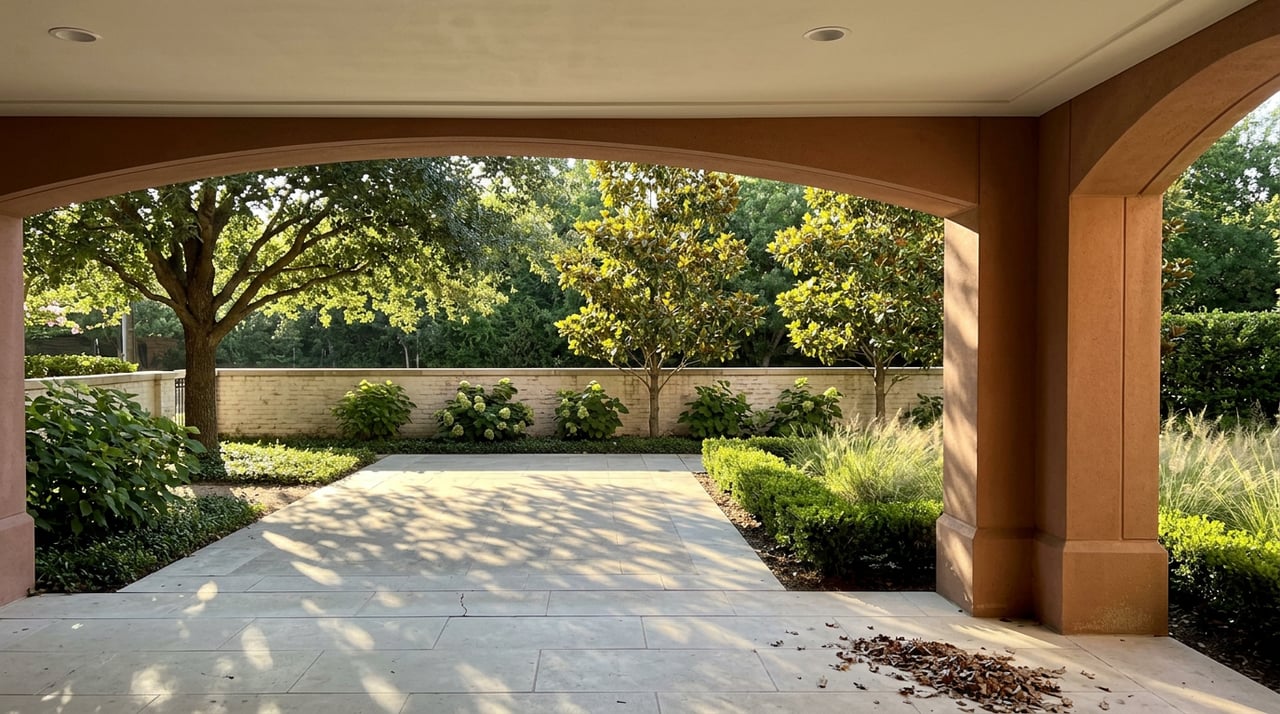
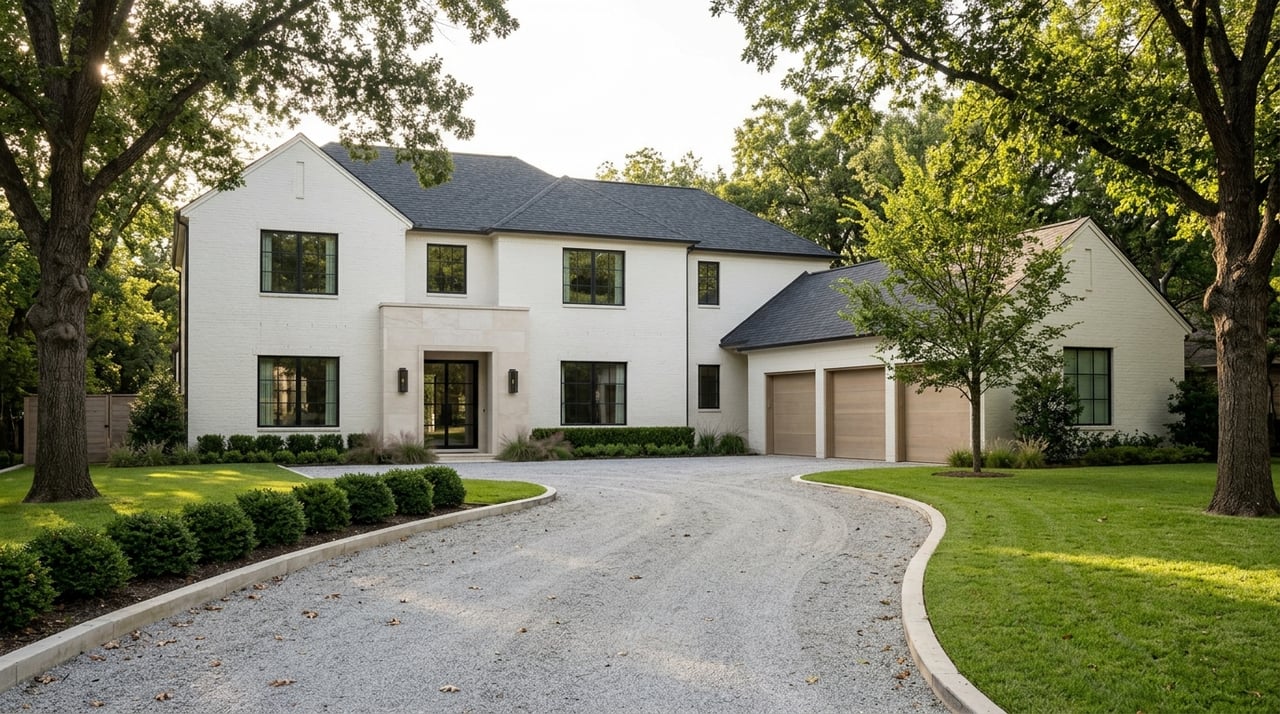
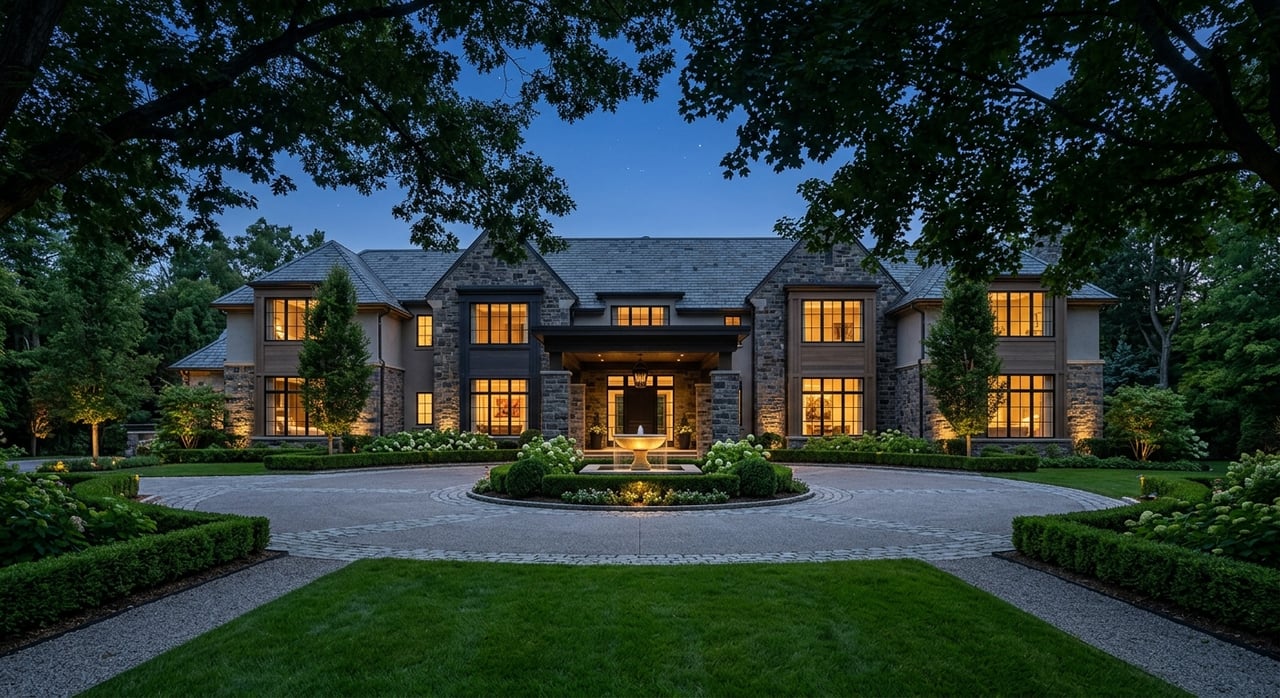
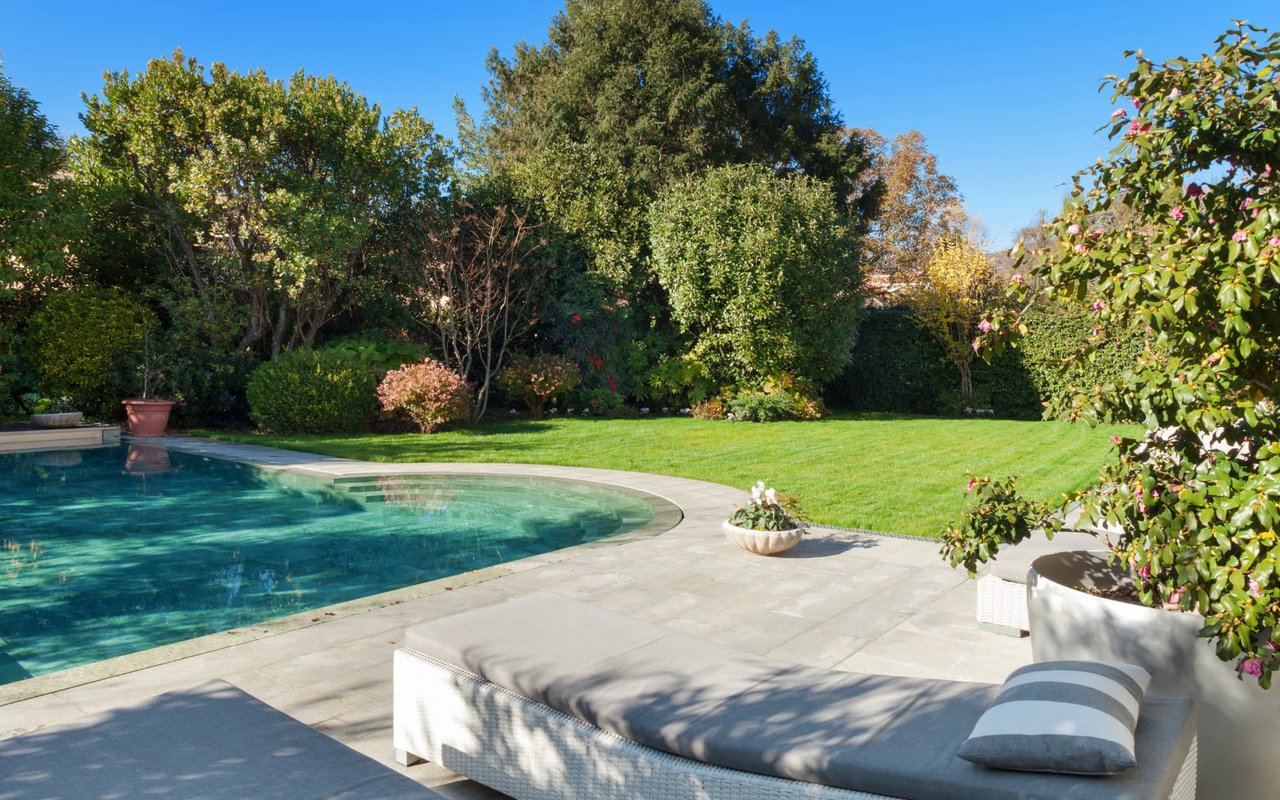
Southlake offers everything from small gated enclaves of custom estates to larger planned neighborhoods with clubhouses, pools, tennis, and trail systems. Some developments are built around private parks or golf, while a few luxury areas include patio or low‑maintenance lots. You’ll also see controlled‑entry townhome or condo options in limited numbers.
Homes and architecture
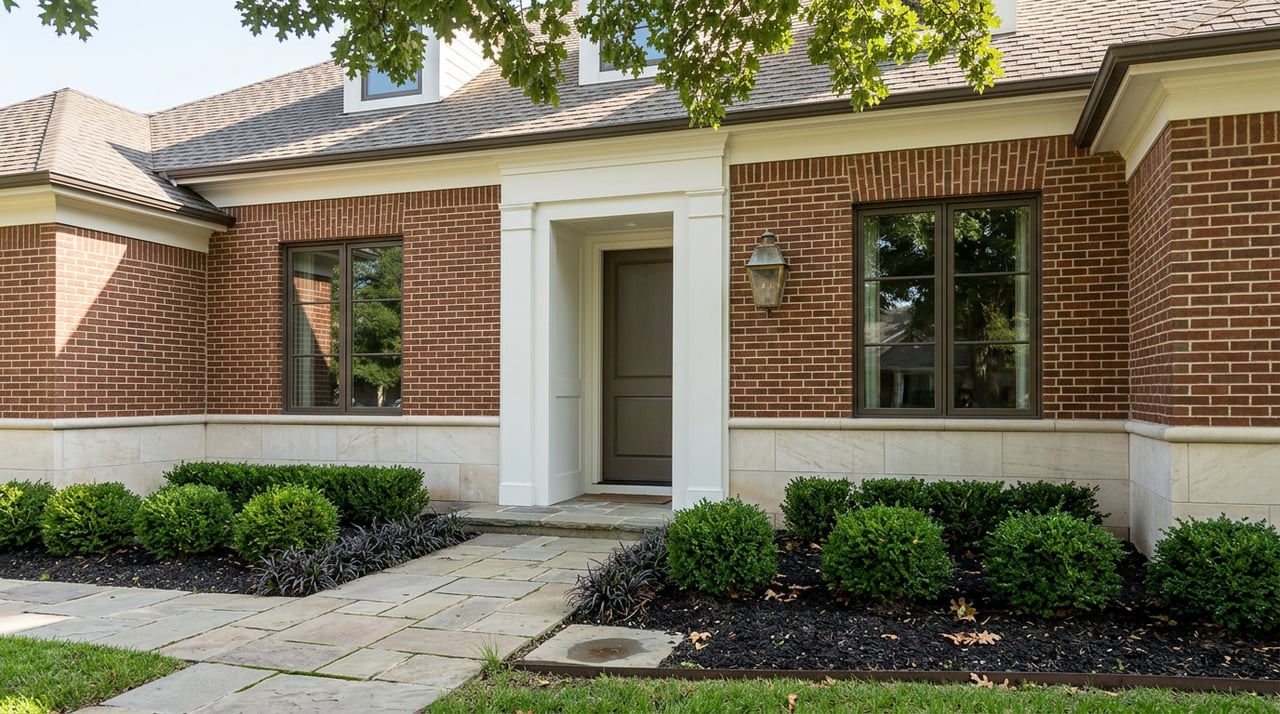
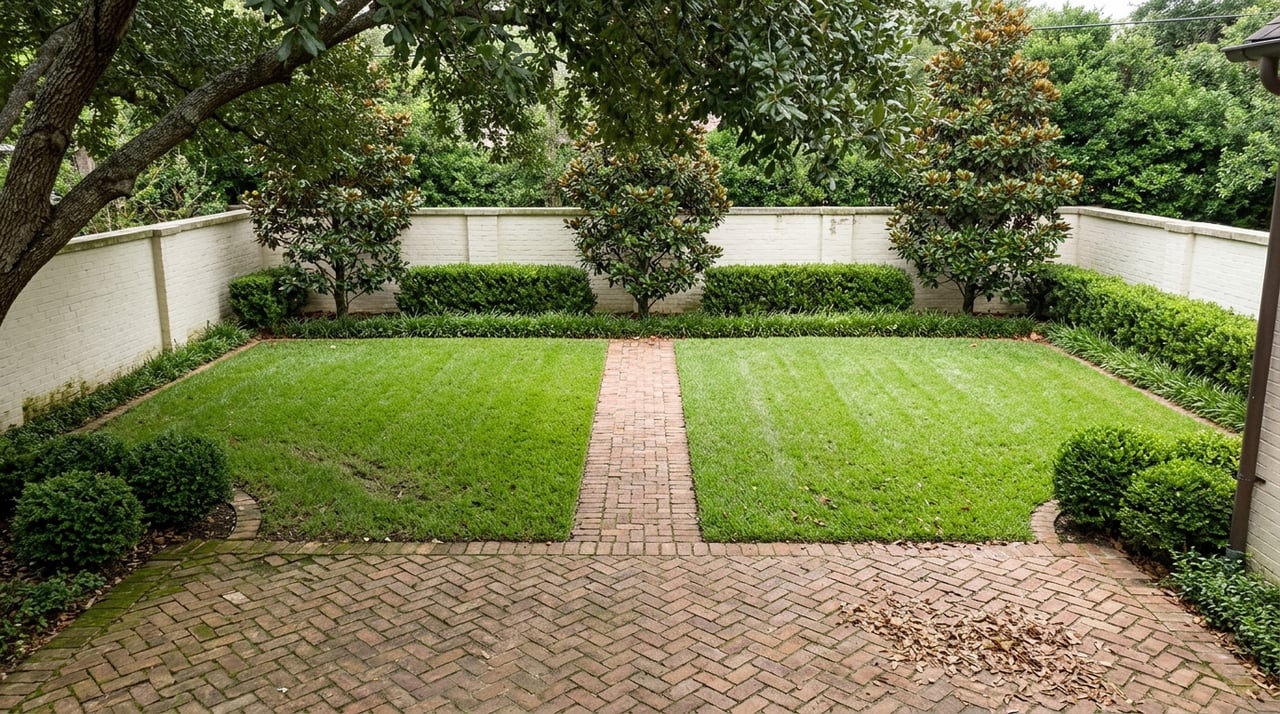
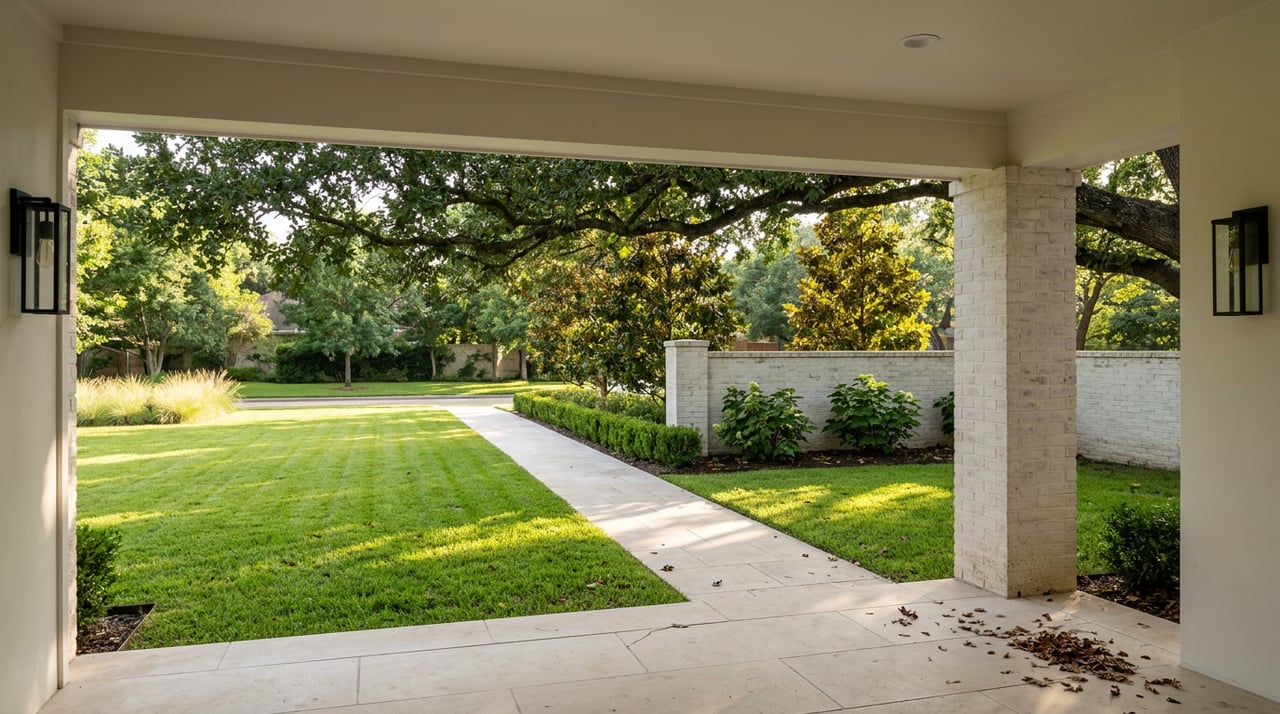
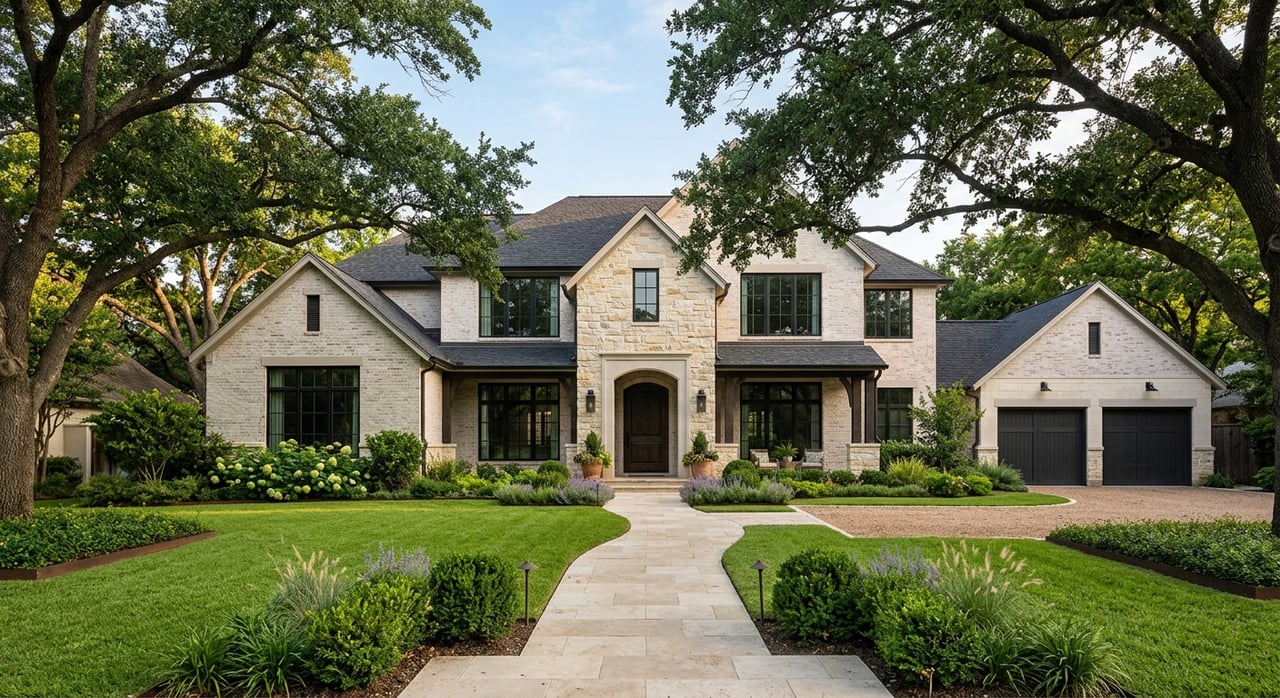
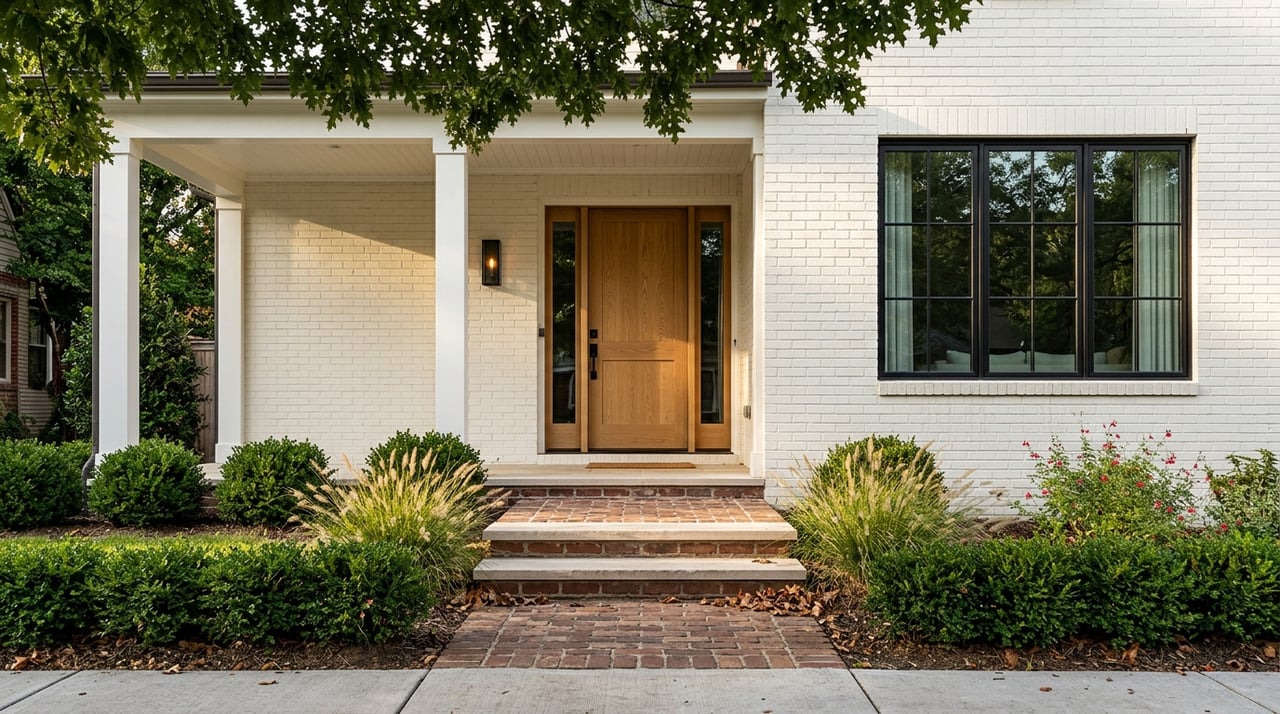
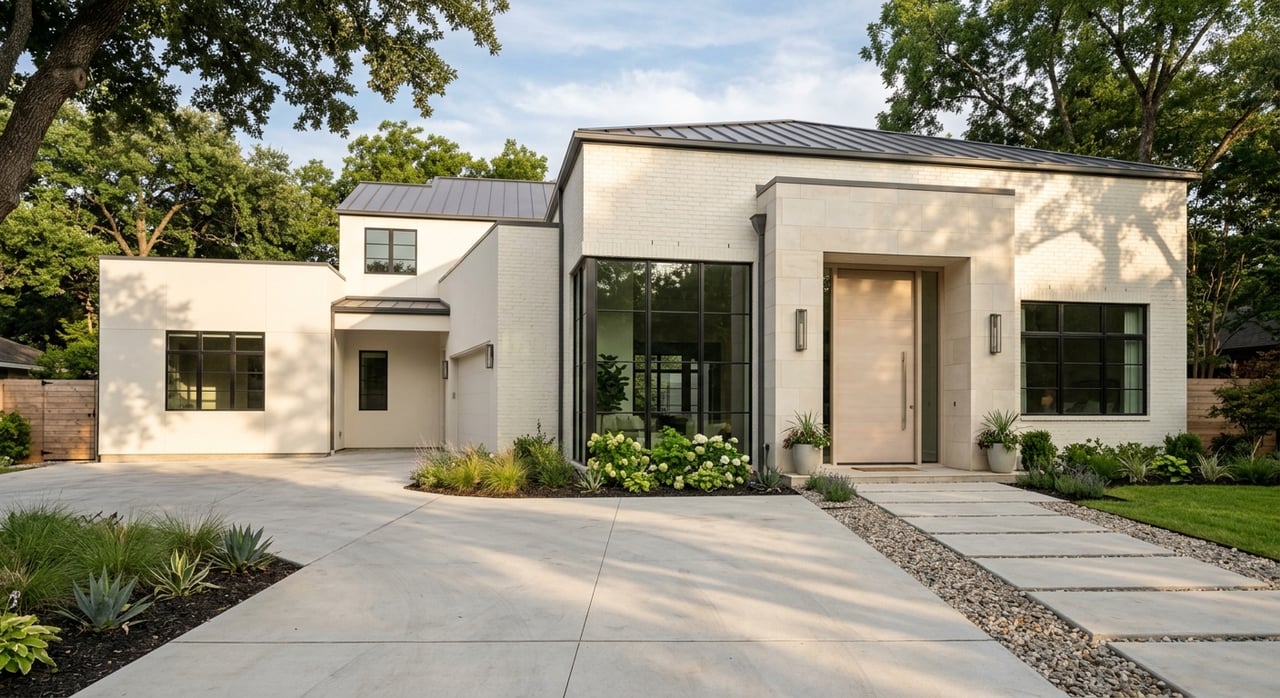
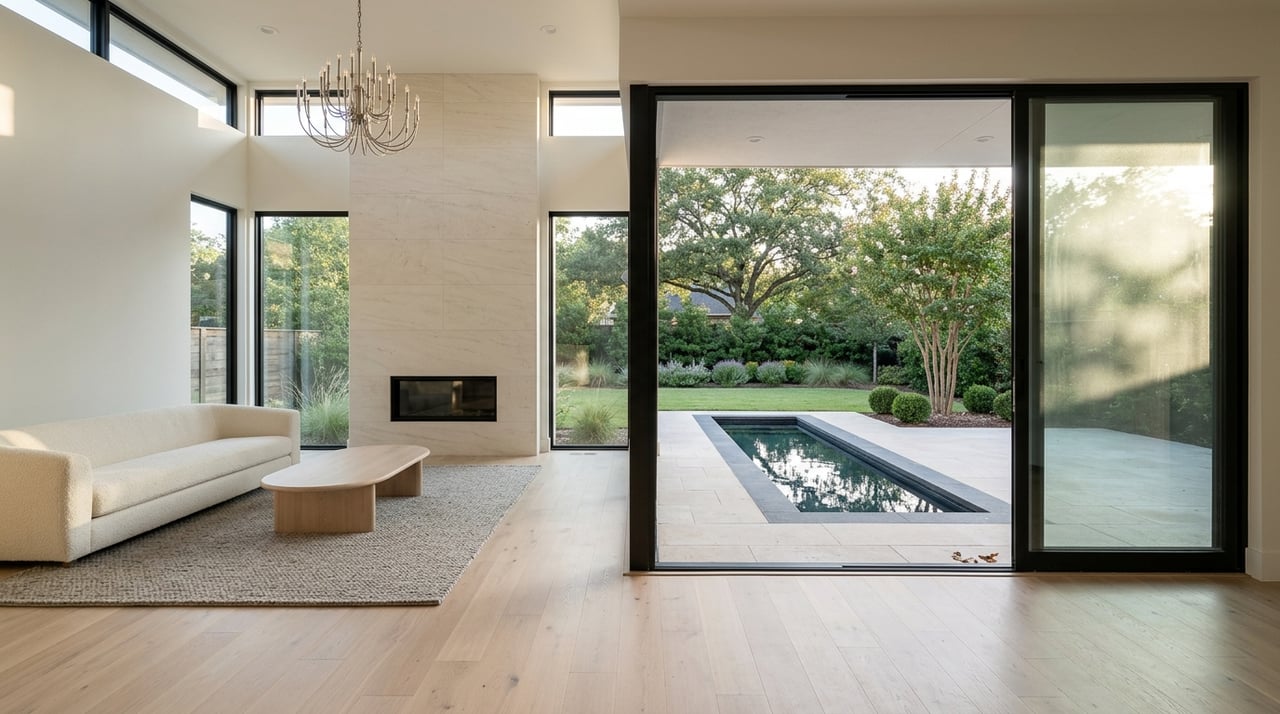
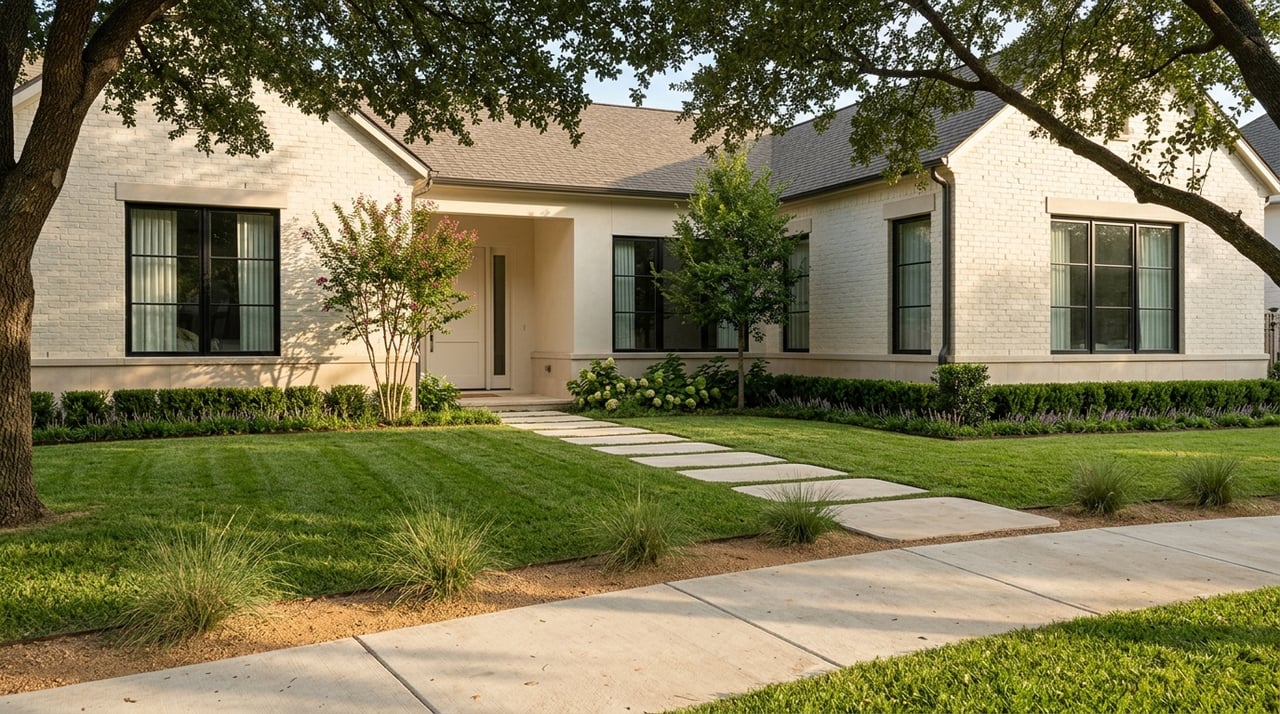
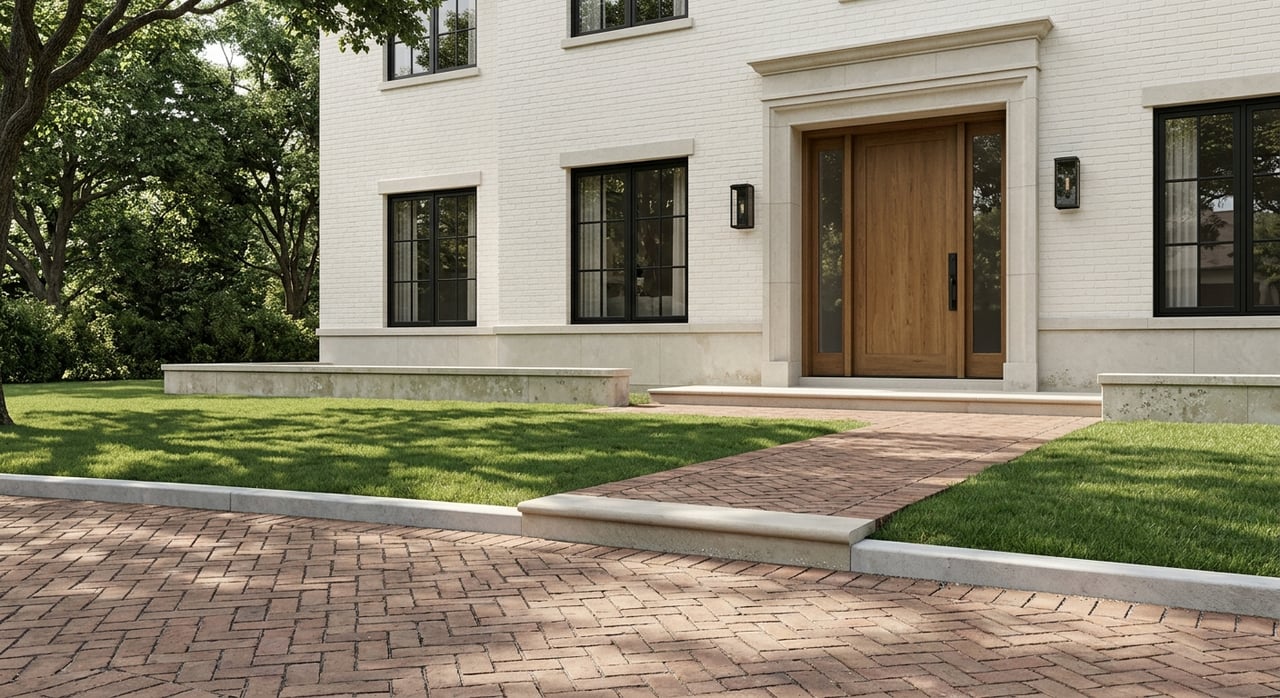
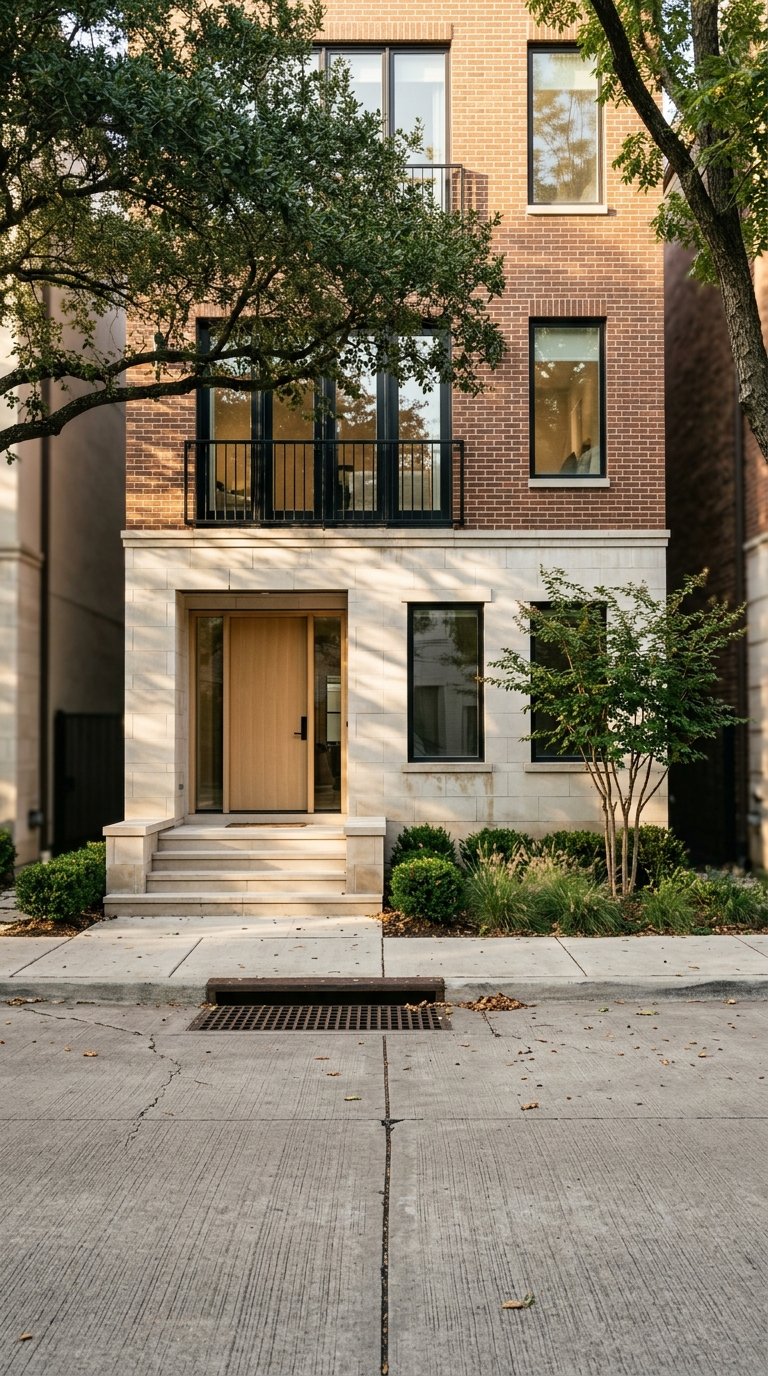
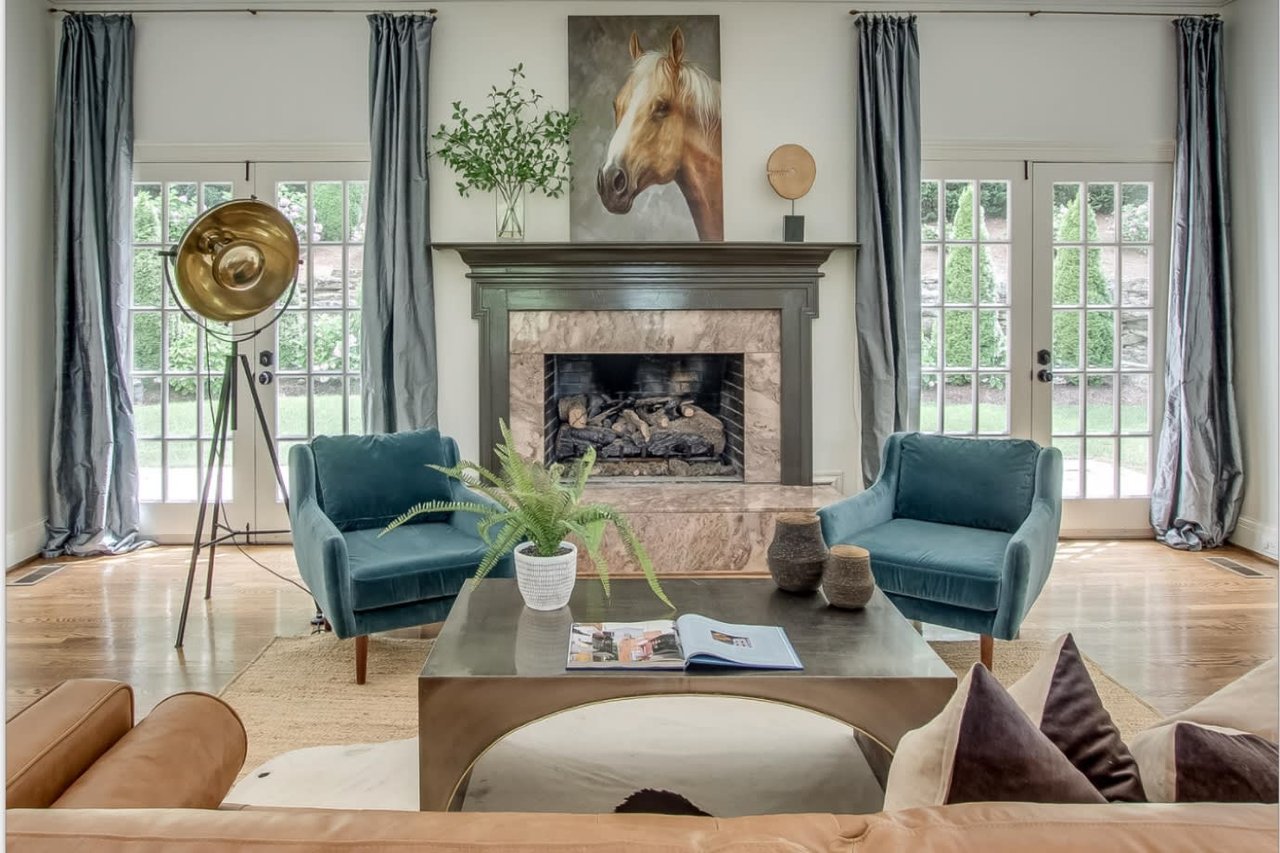
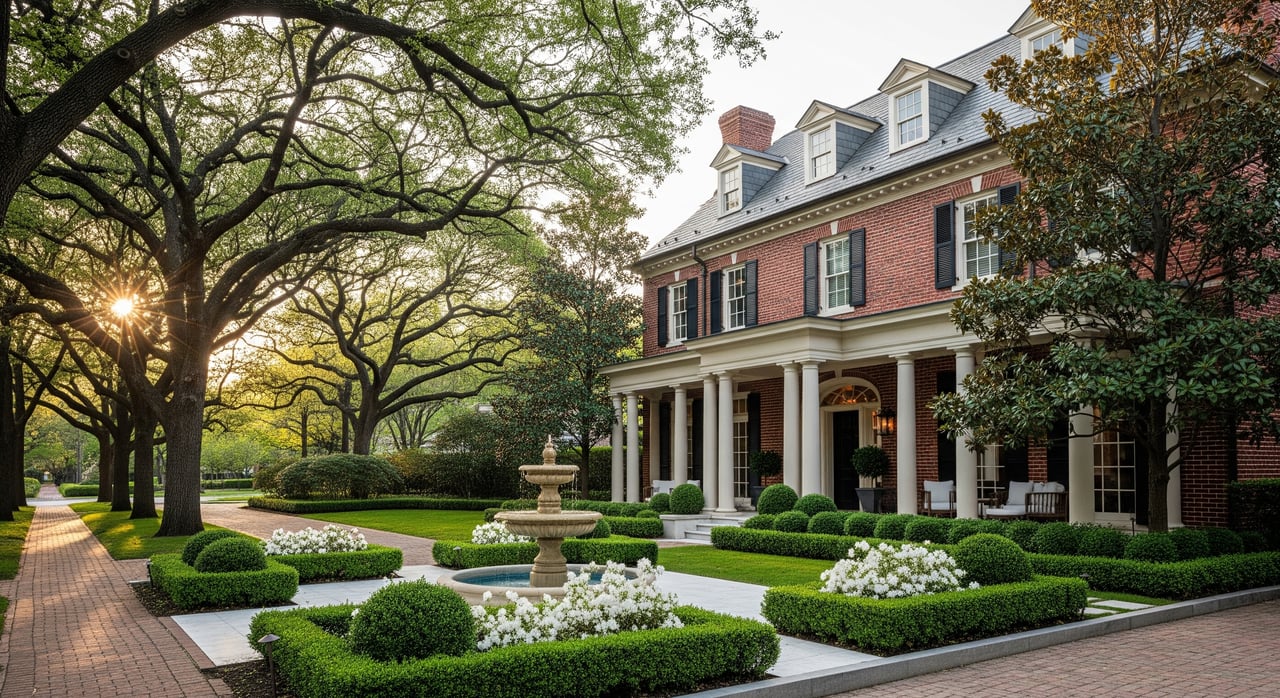
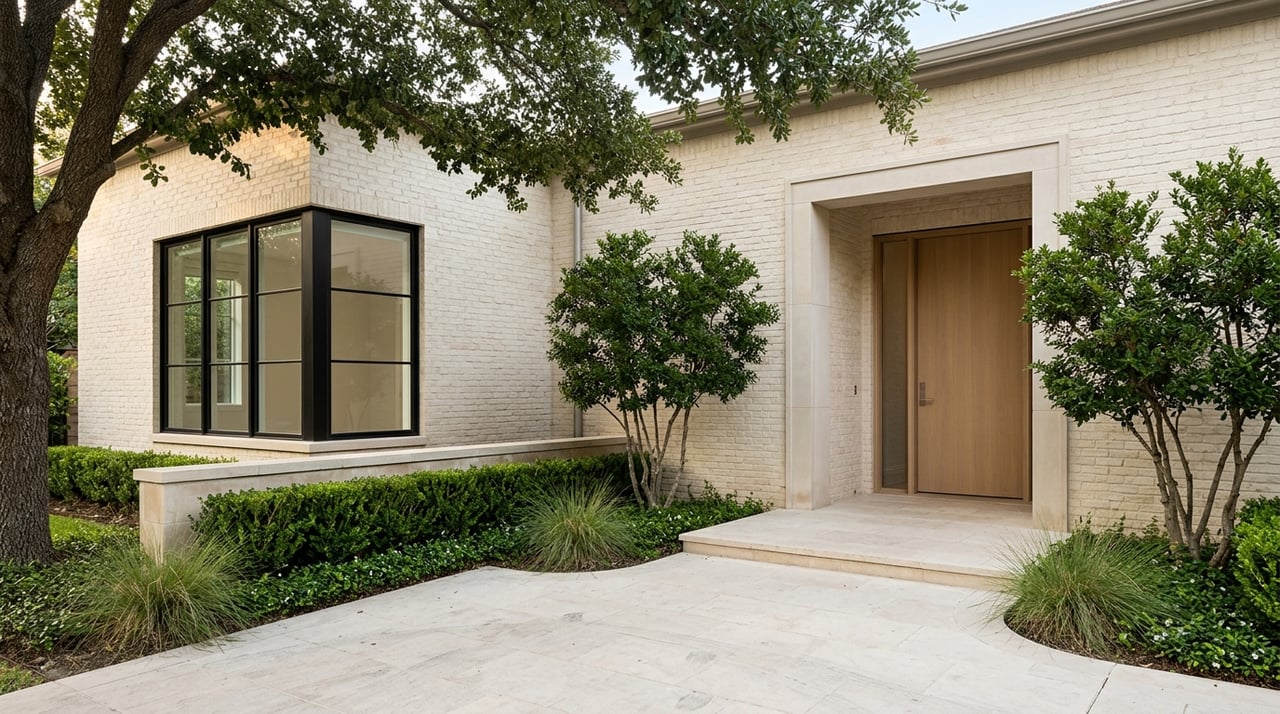
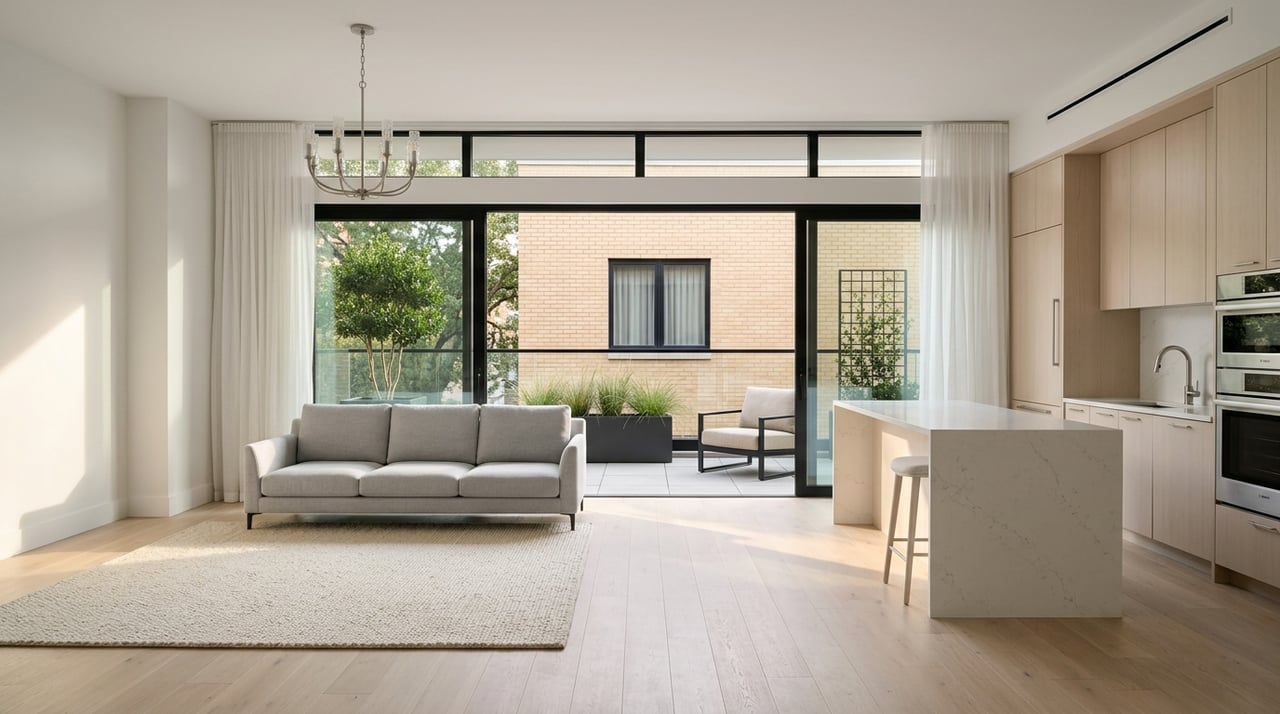
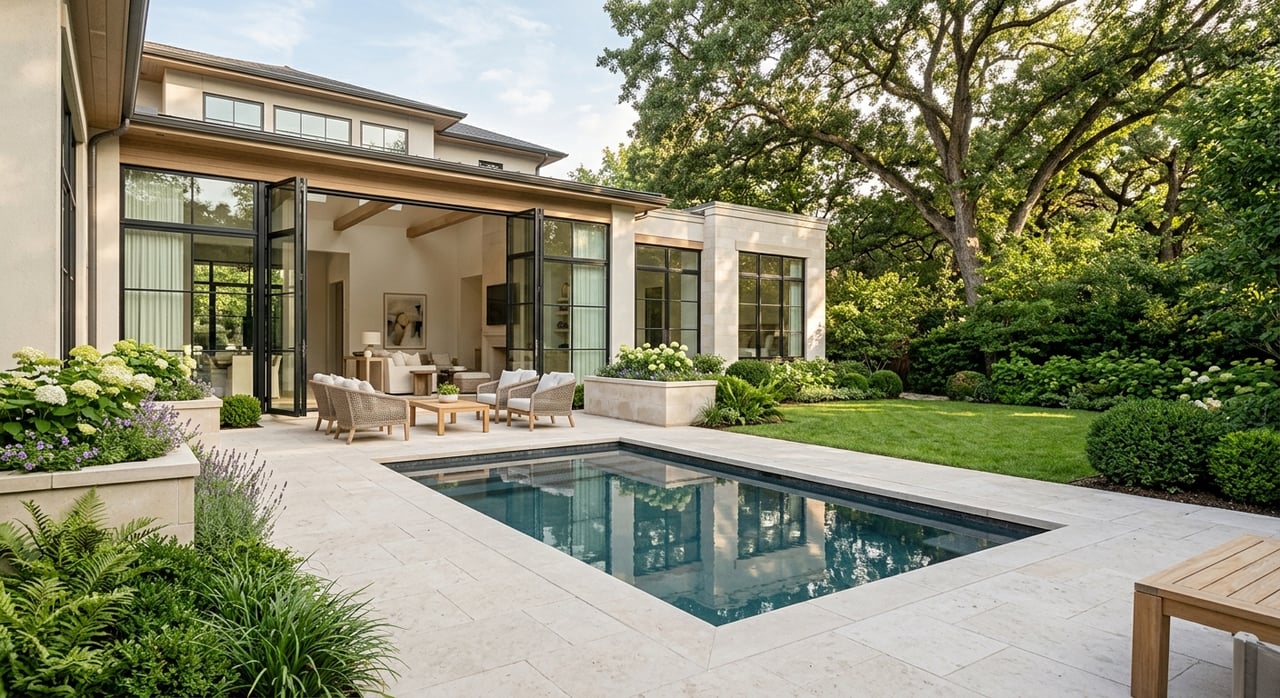
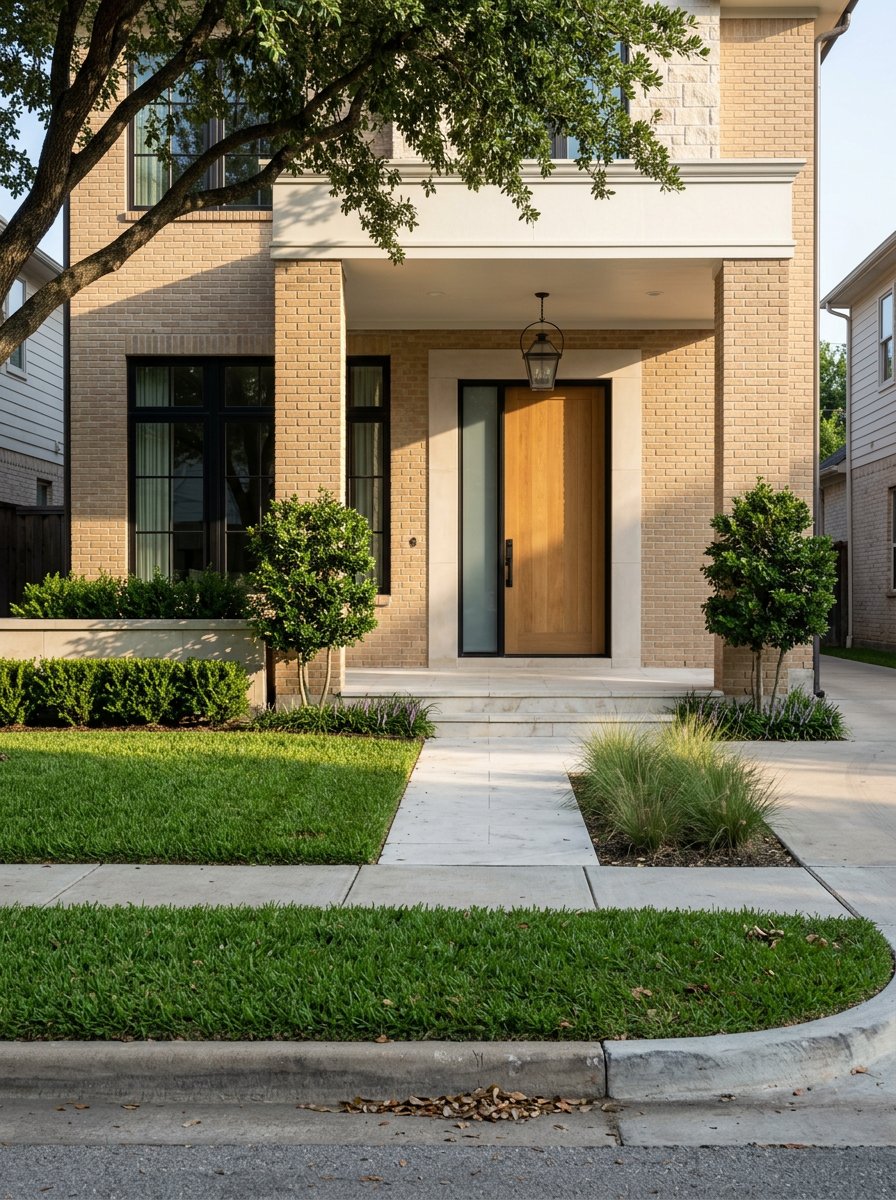
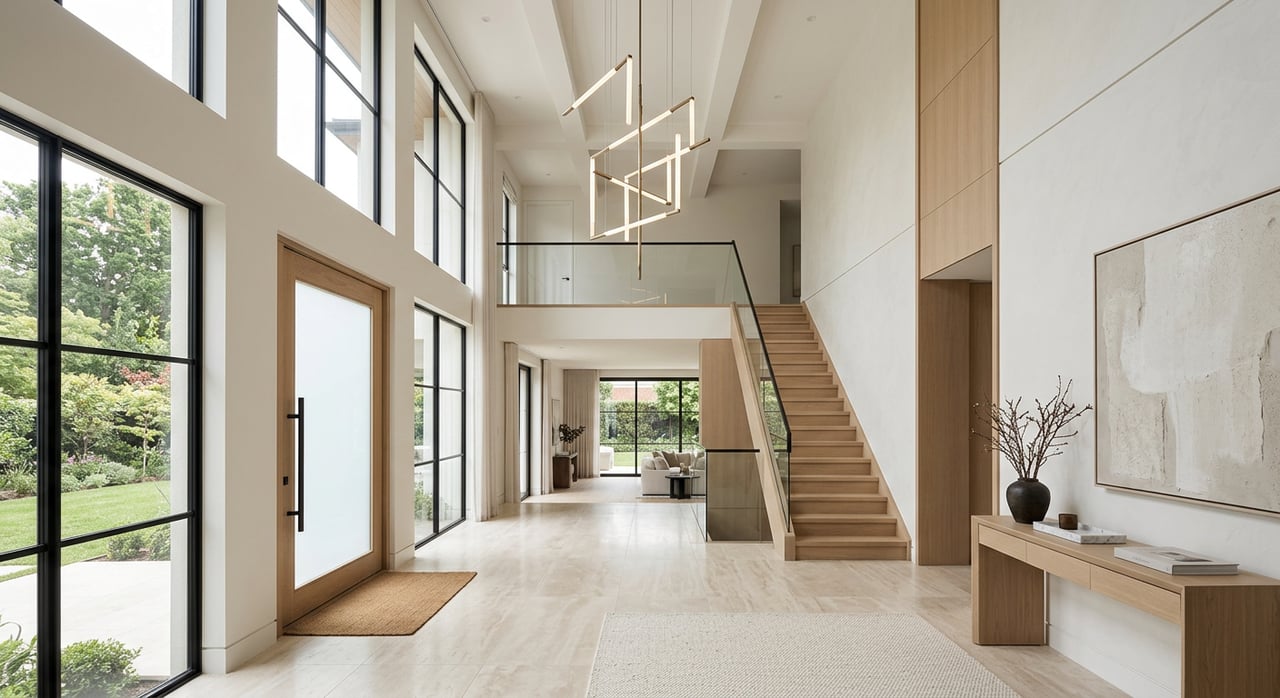
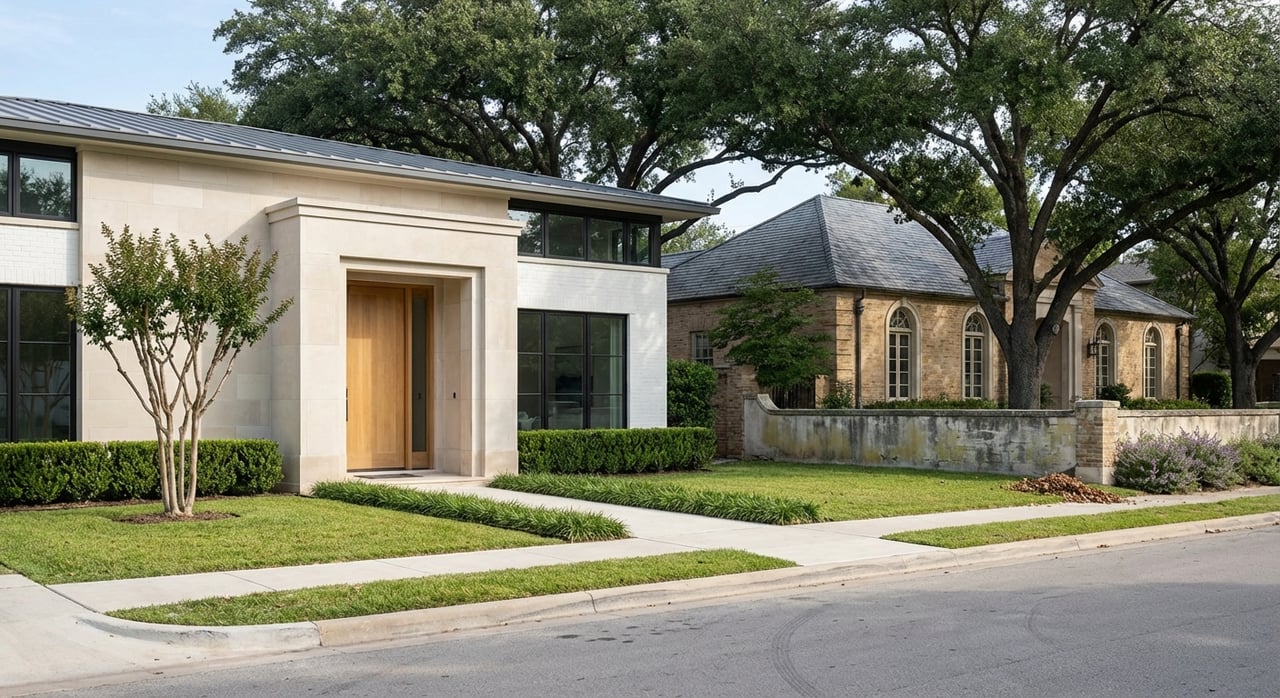
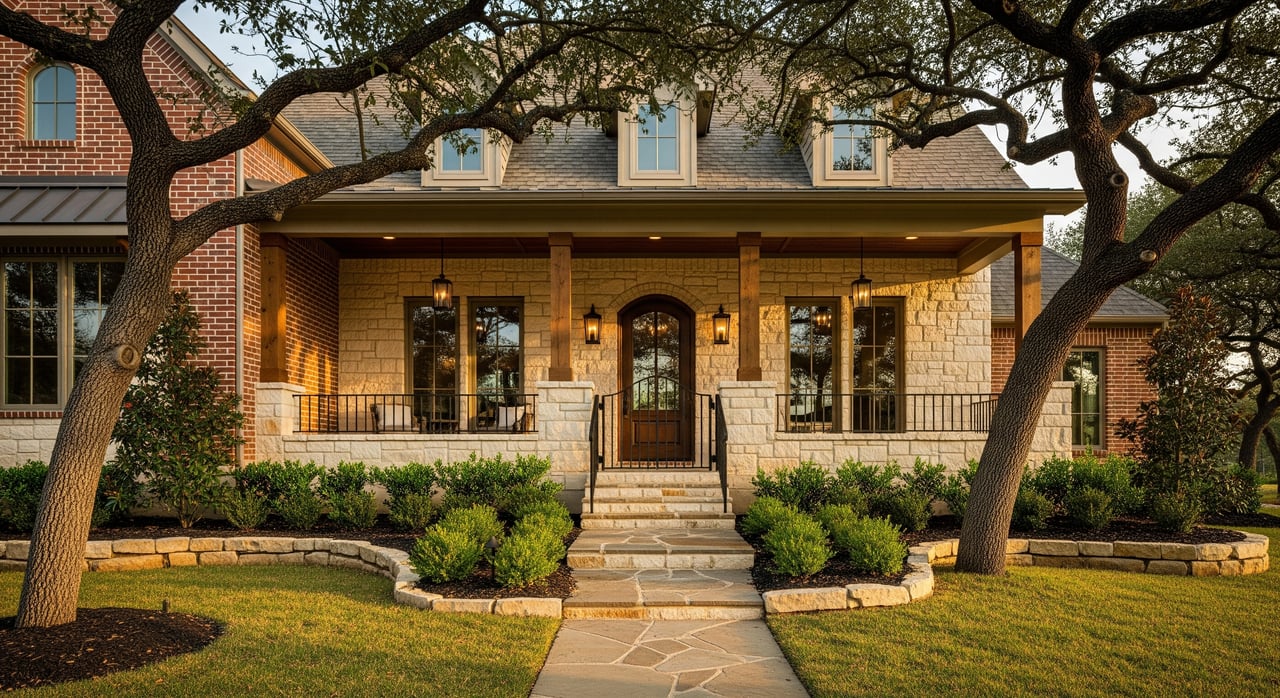
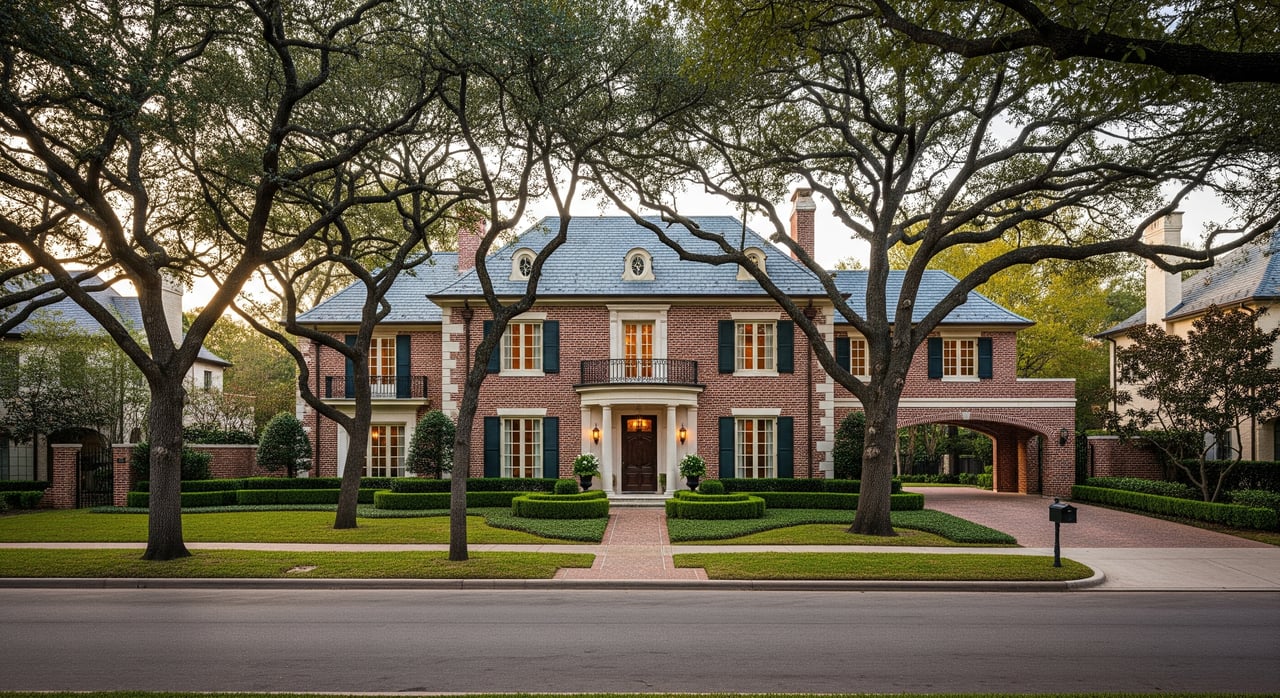
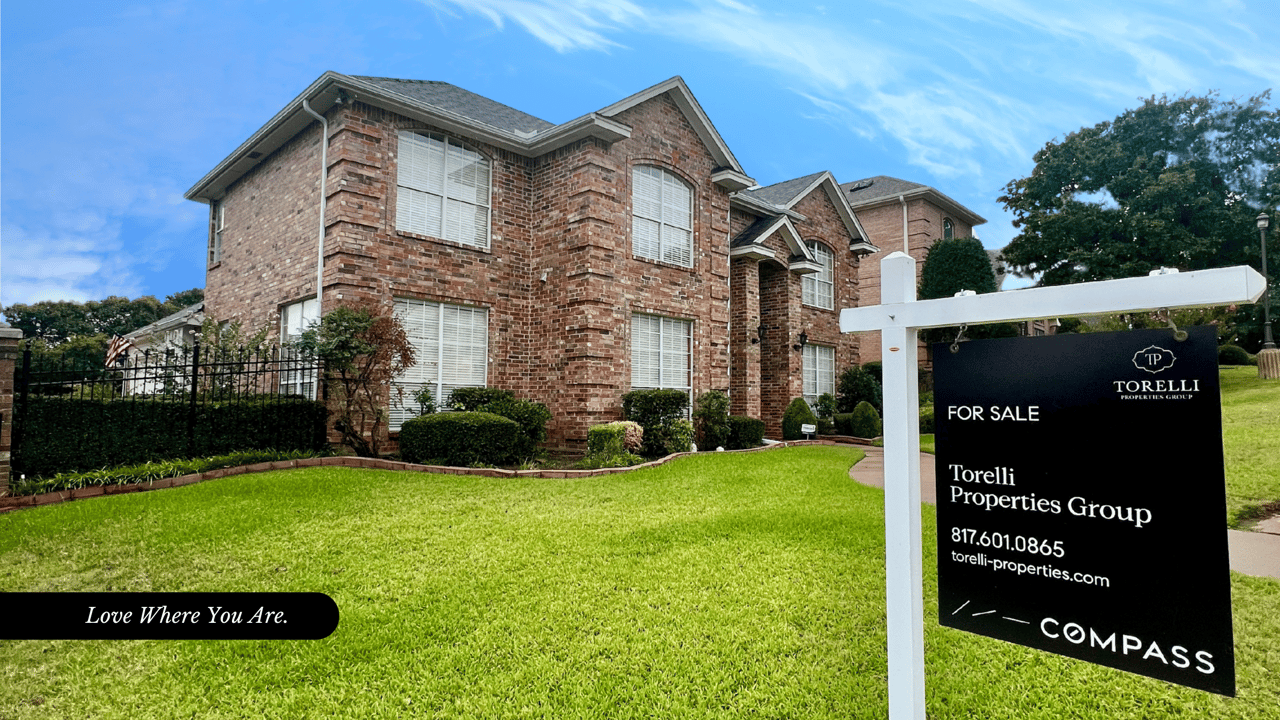
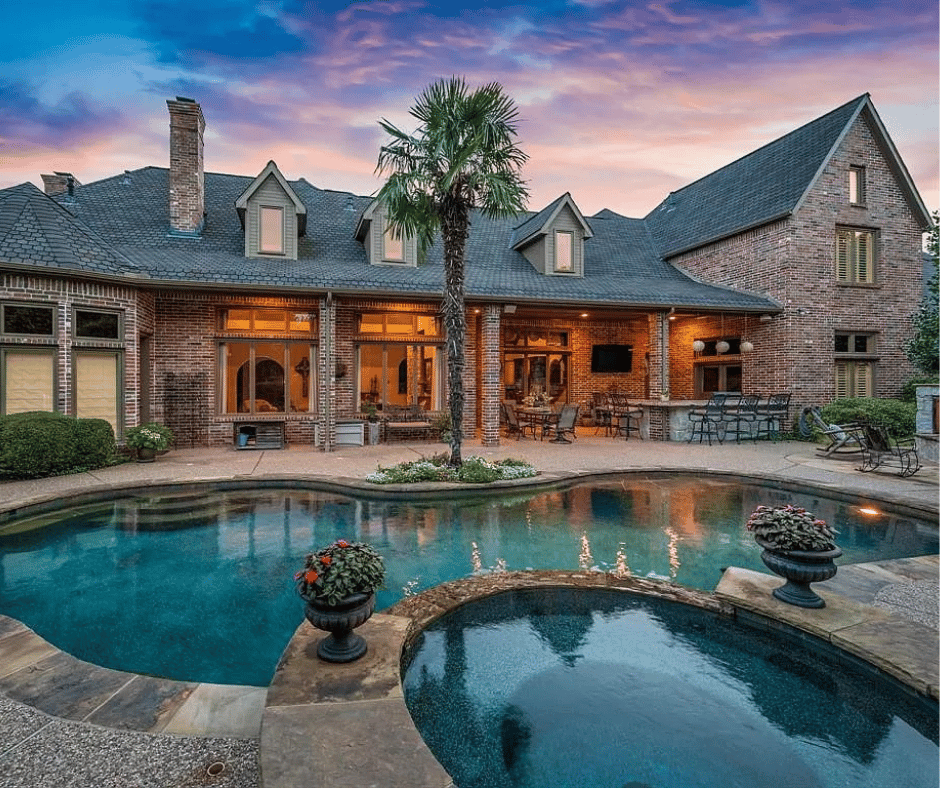
Expect estate homes and large single‑family residences with high‑end materials, custom millwork, and multi‑car garages. Common styles include Traditional and Transitional brick or stone, Mediterranean and Spanish‑influenced stucco, and Modern or Contemporary builds. Lots tend to be generous, with mature trees, irrigation, and professionally maintained common areas.
Day‑to‑day lifestyle
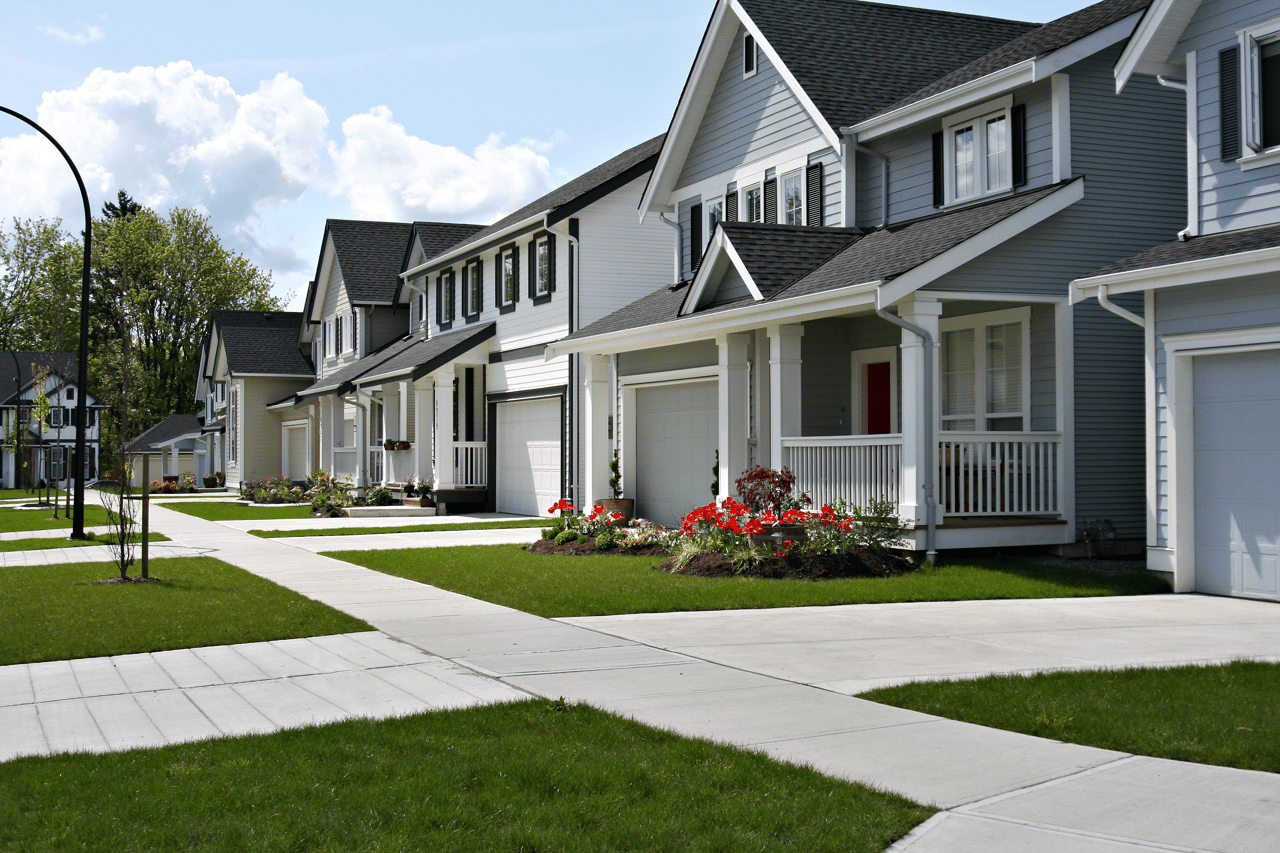
Many families choose gated neighborhoods for controlled access, quieter streets, and community amenities that reduce trips to public facilities. On‑site pools, courts, trails, and club spaces often anchor the social calendar. High landscape and appearance standards help maintain curb appeal across the community.
How HOAs work in Southlake gated communities
Association models
- Master association model. A master HOA runs community‑level elements like gates, roads, parks, and big amenities. Sub‑associations may manage specific sections or builder phases. You may pay master dues and sub‑dues.
- Single association. Smaller enclaves often use one HOA for governance, maintenance, and rule enforcement.
- Developer control period. In newer communities, the developer may still control the board and the Architectural Review Committee (ARC). Transition rules and timelines are detailed in the governing documents.
What dues typically cover
HOA assessments usually fund common landscaping, entry features, amenity operations, staffing, and gate or security services. If streets are private, the HOA maintains them. Dues also support insurance for common structures, management fees, and reserve contributions for long‑term repairs. Some neighborhoods offer exterior maintenance programs for roofs, painting, or yard service; confirm what is included and what is optional.
Key documents to review before an offer
Request the most recent version of the following to understand rights, obligations, and costs:
- Covenants, Conditions & Restrictions (CC&Rs)
- Bylaws and articles of incorporation
- Rules and regulations
- Operating budget, recent financials, and the reserve study
- Board meeting minutes for the last 12–24 months
- Recent assessment notices and the resale or estoppel certificate
- Association insurance summary, including deductibles
These items reveal how rules are enforced, how money is managed, and whether major projects or special assessments are on the horizon.
Assessments and Texas legal basics
Regular assessments are billed monthly, quarterly, or annually to fund operations and reserves. Special assessments can be levied for capital needs if reserves fall short. In Texas, association powers, disclosure obligations, and lien and foreclosure procedures are governed by state law in the Texas Property Code. During a transfer, a resale or estoppel certificate typically confirms dues, delinquencies, and known issues. For transaction‑specific questions, consult a Texas real estate attorney.
Amenities, standards, and rules to expect
Security and recreation
Most gated communities use staffed or automated entry gates, visitor pass systems, and in some cases patrols or cameras in common areas. Recreation often includes pools, splash pads, playgrounds, fitness centers, tennis or pickleball courts, and walking or biking trails. Clubhouses may host seasonal events and offer spaces for private gatherings.
Landscape standards
Associations maintain common areas, irrigation, trees, and entry monuments. Many neighborhoods set minimum front‑yard standards for turf, plant palettes, and street trees. Some limit xeriscaping or artificial turf. Expect rules for mailbox placement and lighting that create a uniform streetscape.
Architectural review and exterior changes
The ARC or Architectural Review Board sets and enforces exterior design standards. These can govern materials, rooflines, paint colors, fences, driveways, outbuildings, and even seasonal décor. Most communities require written applications and approvals before any exterior changes, with defined timelines and appeal processes.
Common use and nuisance rules
Typical provisions address street parking, boat or RV storage, signage, pets, exterior lighting, and noise. Some communities restrict short‑term rentals or set owner occupancy minimums. Review the rules carefully so your daily routines and hobbies align with community standards.
Costs and trade‑offs to weigh
Financial trade‑offs
- Dues and services. Higher dues usually deliver more services, stronger reserves, and staffed amenities. They can also tighten affordability and impact resale for buyers who prioritize low carrying costs.
- Multiple assessments. Master plus sub‑association dues can add up. Review the reserve study and assessment history to gauge the risk of special assessments.
- Property taxes. Gated status does not change tax rates, but higher‑value homes generally mean higher property taxes.
Lifestyle and freedom trade‑offs
- Privacy and access. Gates and patrols increase privacy but can complicate guest entry, deliveries, and contractor access. Understand visitor pass procedures and gate code policies.
- Control and flexibility. Strict CC&Rs protect aesthetics and property values but limit choices for landscaping, paint colors, visible décor, vehicles, and parking.
- Community culture. Some neighborhoods are very active with events and amenities, while others are quiet and privacy‑focused. Aim for a fit that matches your family’s personality.
Resale and marketability
Gated communities often command a price premium in affluent suburbs, but buyer preferences vary. Lease restrictions can affect investor interest and the size of your resale pool. Focus on financial health, maintenance quality, and location to preserve liquidity.
Practical daily logistics
Confirm guest and vendor protocols, package delivery rules, and whether there are drop‑off procedures. If school bus routing matters to you, verify routes with the local district. Check street widths and traffic flow to see if the environment suits strollers, bikes, and outdoor play.
Insurance and maintenance expectations
Review the association’s insurance and what it covers, including deductibles on common structures. Confirm whether your homeowners policy needs endorsements related to association deductibles. If exterior maintenance is included, plan for less hands‑on yard work but more rules about plantings and décor.
Compare communities with a simple matrix
Use this matrix to score each community you tour. Rate 1–5 for each criterion, multiply by a weight that reflects your priorities, and total the scores to compare options.
| Criterion | Weight (example) | Community A score (1–5) | Weighted score | Notes |
|---|---|---|---|---|
| Privacy & security | 5 | Gate staffing, patrols, CCTV | ||
| Amenities & family offerings | 4 | Pools, playgrounds, clubhouse hours | ||
| HOA dues & financial health | 5 | Budget, reserve study, past assessments | ||
| Architectural flexibility | 3 | ARC strictness, permitted exterior changes | ||
| Exterior maintenance included | 3 | Lawn, irrigation, painting options | ||
| Commute & school access | 4 | Drive times, school zoning | ||
| Resale/liquidity | 4 | Buyer pool, rental rules | ||
| Lifestyle fit / community culture | 4 | Events, neighbor engagement | ||
| Total |
Consider increasing the weight for dues and reserves if financial predictability is a top priority, or for amenities if your family plans to use them daily.
Your buyer checklist for tours and due diligence
Documents to request in advance
- CC&Rs, bylaws, and rules and regulations
- Current operating budget and reserve study
- Board meeting minutes from the last 6–12 months
- Resale or estoppel certificate with current dues and any delinquencies
- Insurance coverage summary for the association
- Notices of recent or upcoming special assessments
Questions to ask during the tour
- What exactly do the dues cover, and how often are they adjusted? Are there master and sub‑dues?
- When was the reserve study updated, and what is the current funding level?
- Are there pending capital projects, litigation, or planned assessments?
- What are guest, delivery, contractor, and emergency access protocols?
- Are there rental or short‑term rental restrictions? Any owner occupancy minimums?
- How long does ARC approval take, and what are common reasons for denial?
- How are rules enforced, and what are typical fines?
- Are any exterior maintenance programs included? What are service standards and schedules?
- How are packages handled? Are there drop‑off policies?
What to observe on site
- Gate operations and visitor flow at busy times
- Condition of common areas, pool, courts, and clubhouse
- Neighboring yard maintenance and street cleanliness
- Signage and visible enforcement such as towing or no‑parking signs
- Street widths, sidewalks, and traffic speeds for family activities
- Proximity to shopping, schools, commute routes, and any local noise sources
Tips for arranging private tours
- Coordinate with the listing agent and community management in advance. Some associations require gate lists or passes for showings.
- Ask to see the association office and meet a manager or security staff when possible.
- Bring your short list of questions and request governing documents during or immediately after the tour.
- If privacy is a priority, confirm whether tours can be private and ask about expected showing activity.
- For new phases, verify builder warranties and future construction timelines that could affect noise or traffic.
Ready for a private community tour?
If you want a closer look at Southlake’s gated neighborhoods, we can coordinate gate access, line up relevant HOA documents, and guide you through the decision matrix tailored to your family’s priorities. Our team’s concierge approach simplifies logistics so you can focus on fit, not paperwork. When you are ready, reach out to Torelli Properties Group to schedule a private, by‑appointment tour.
FAQs
What do HOA dues usually cover in Southlake gated communities?
- Dues typically fund common landscaping, entry features, amenity operations and staffing, gate or security services, private road maintenance, management fees, insurance for common structures, and reserves; some communities offer optional exterior maintenance programs.
How can I gauge the risk of special assessments before I buy?
- Review the reserve study, recent budgets and financials, board minutes, and assessment history; ask about upcoming capital projects, litigation, and the timing of prior dues increases.
How strict are architectural controls in Southlake gated neighborhoods?
- Most communities require written ARC approval for exterior changes and regulate materials, colors, fences, driveways, outbuildings, and seasonal décor; timelines and appeal processes vary by association.
How do gates affect guests, deliveries, and contractors?
- Expect visitor pass systems or codes, defined contractor hours, and procedures for package deliveries; confirm emergency access protocols and any delivery drop‑off policies with the HOA or gate staff.
Do property taxes differ in gated neighborhoods in Southlake?
- Gated status does not change tax rates, but higher home values often lead to higher property taxes; check property‑specific assessments through county records.
What should I review before making an offer in a gated community?
- Request CC&Rs, bylaws, rules, budget, financials, reserve study, board minutes, the resale or estoppel certificate, and the HOA insurance summary, then confirm whether there are pending projects or special assessments.