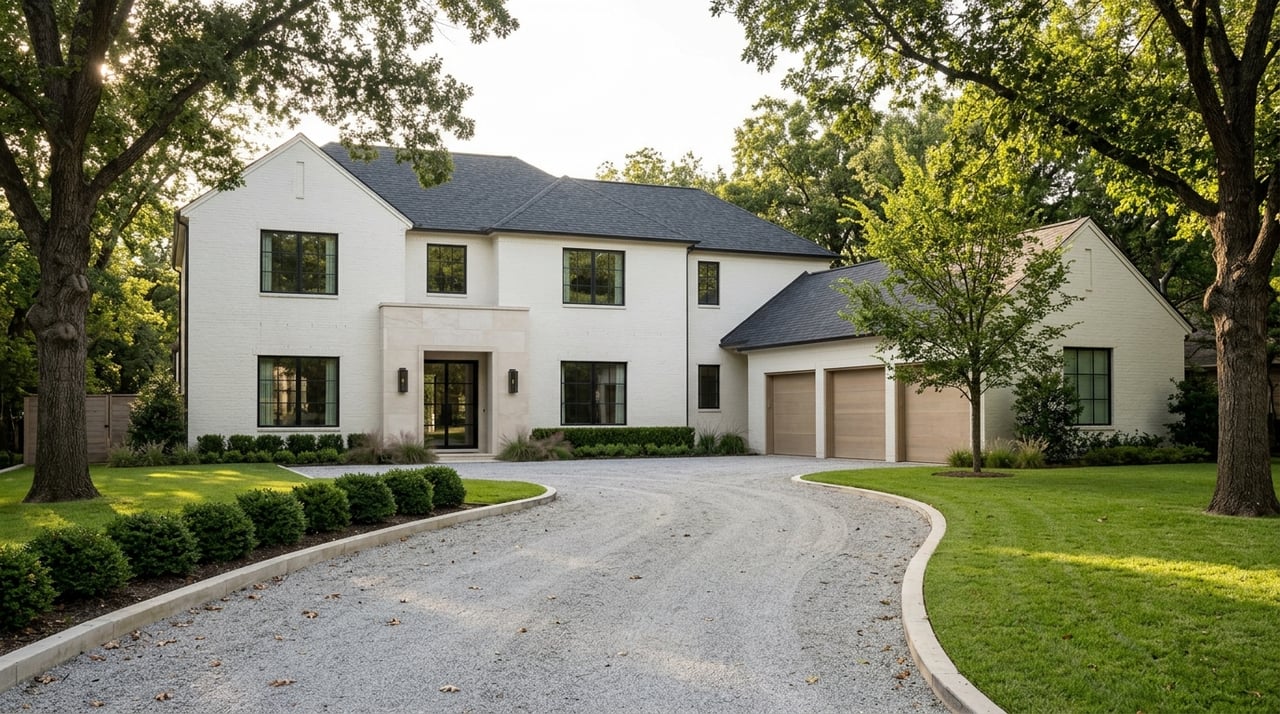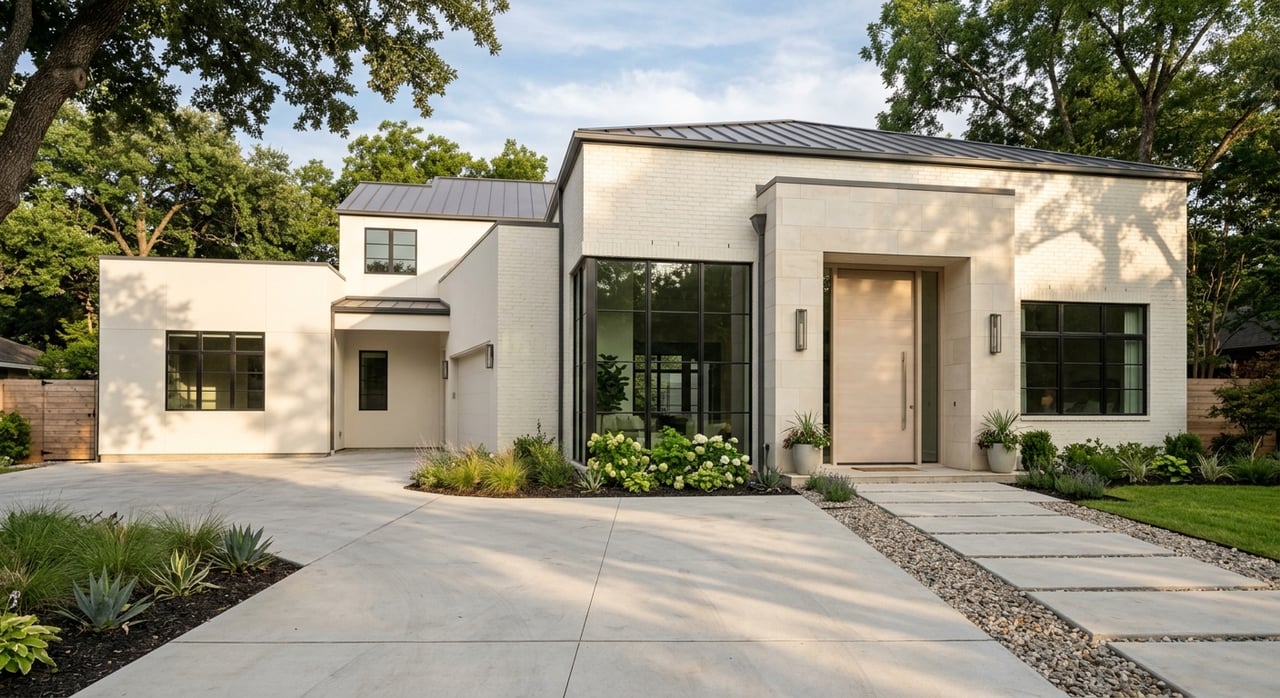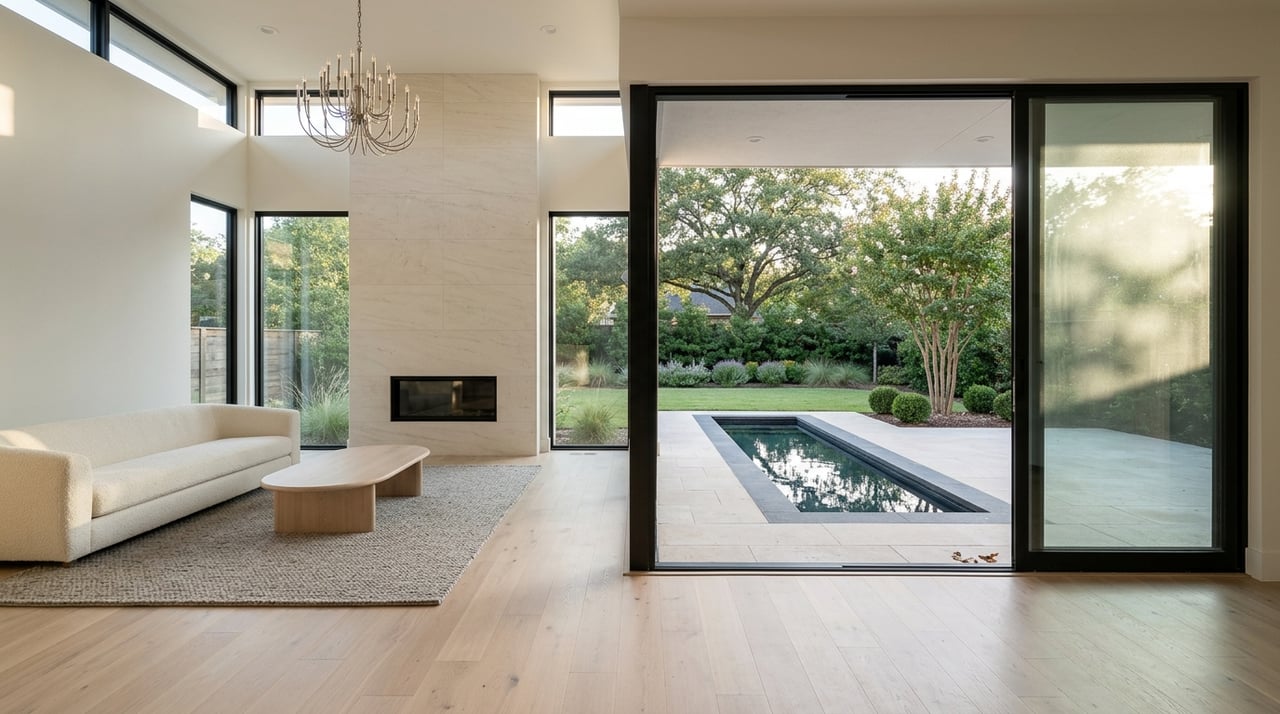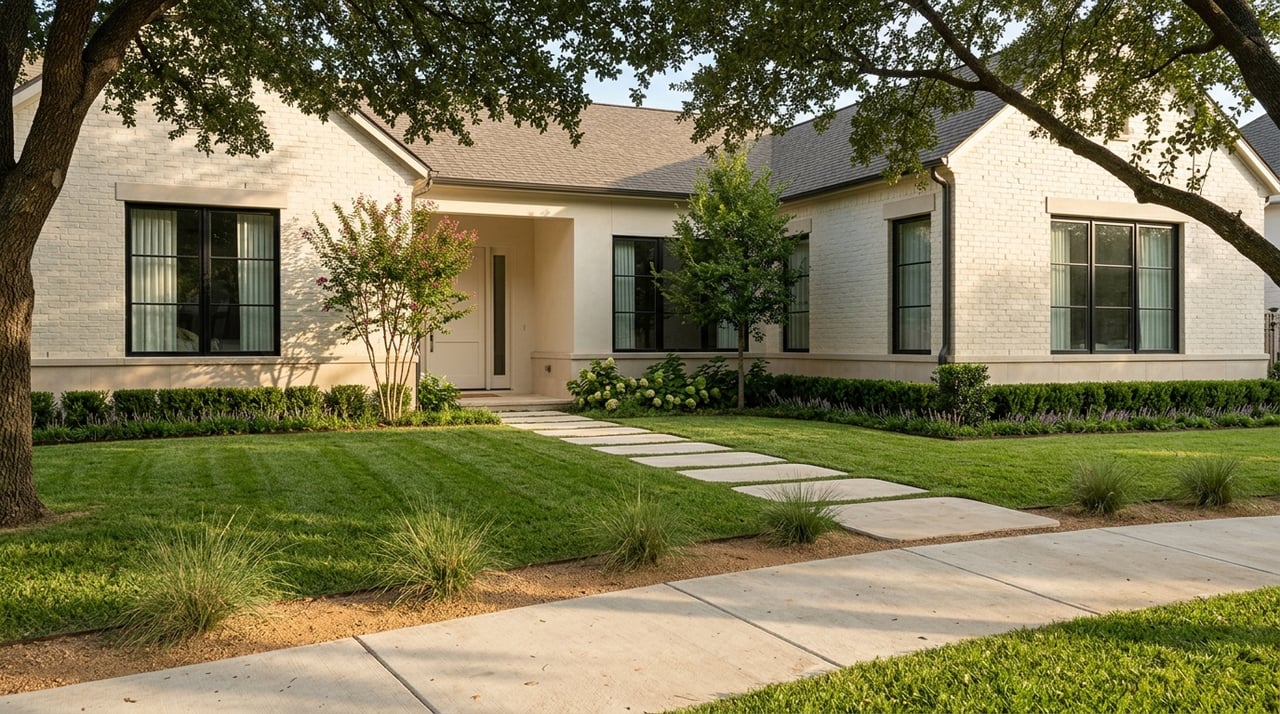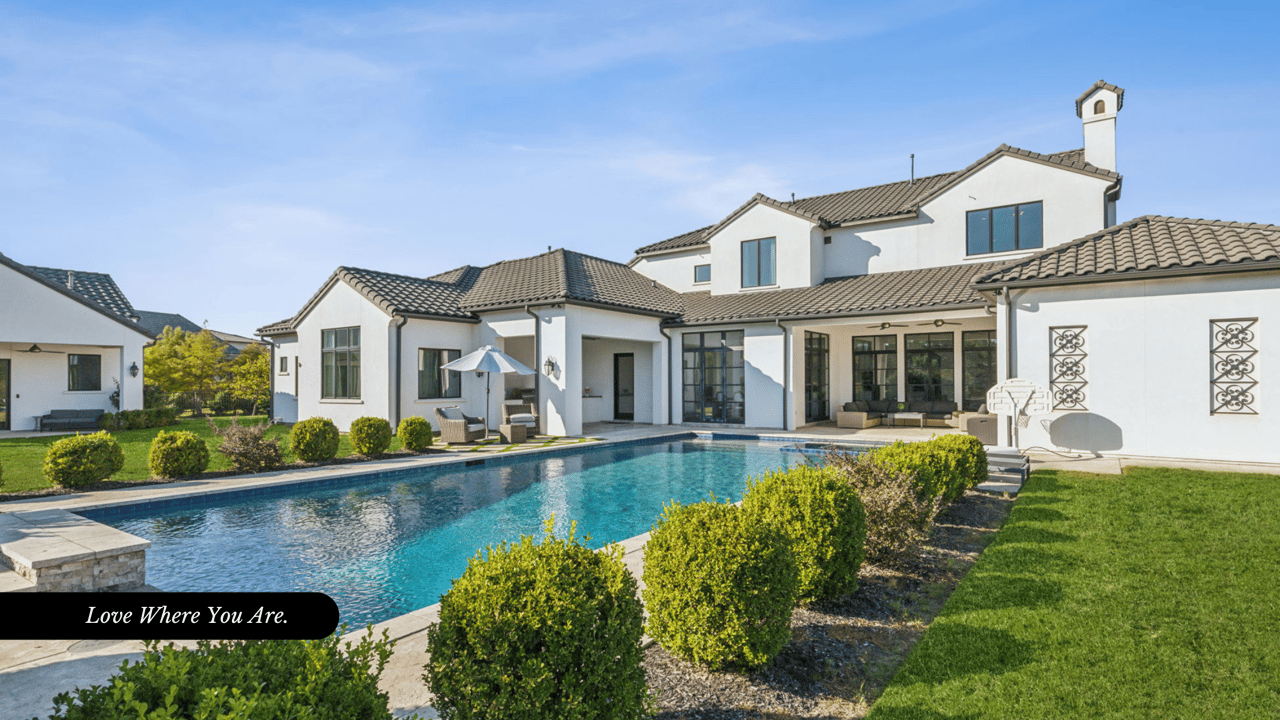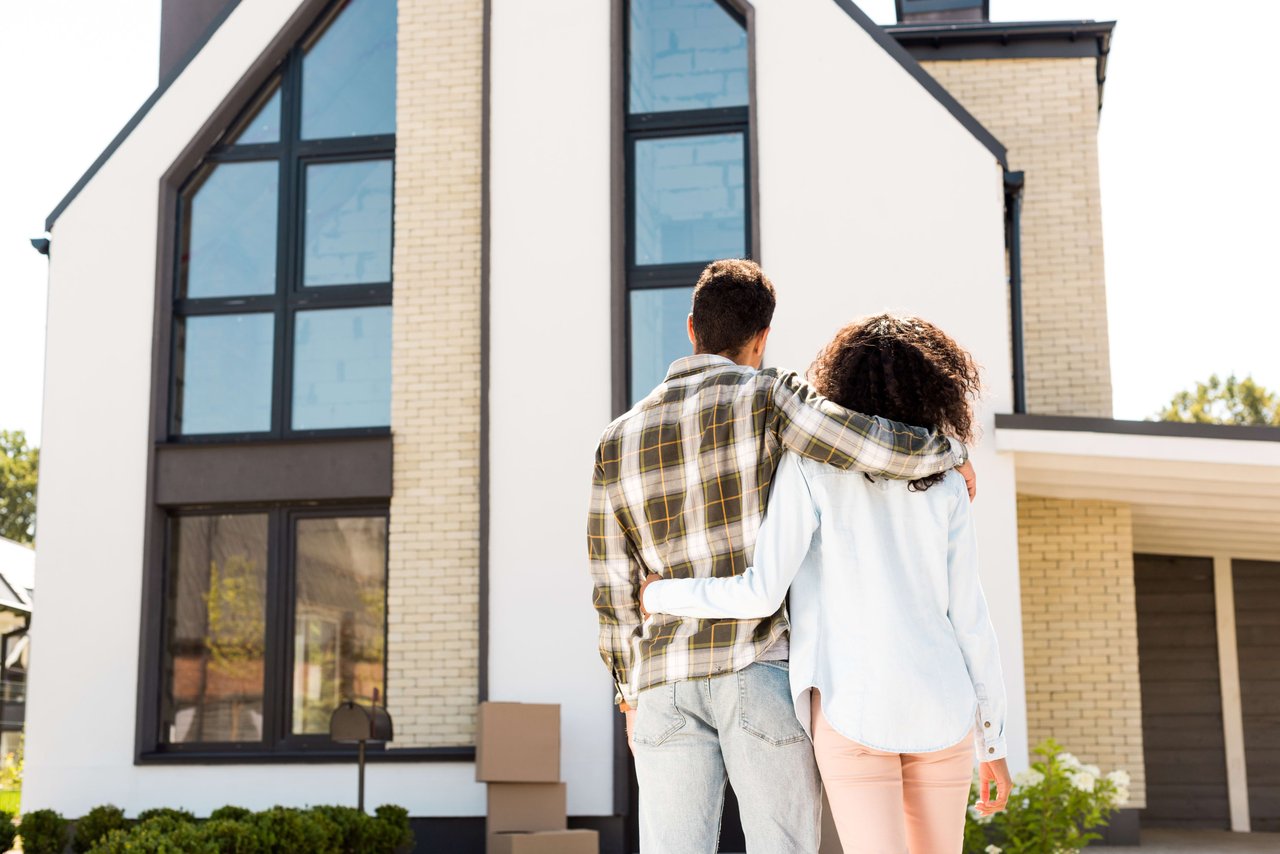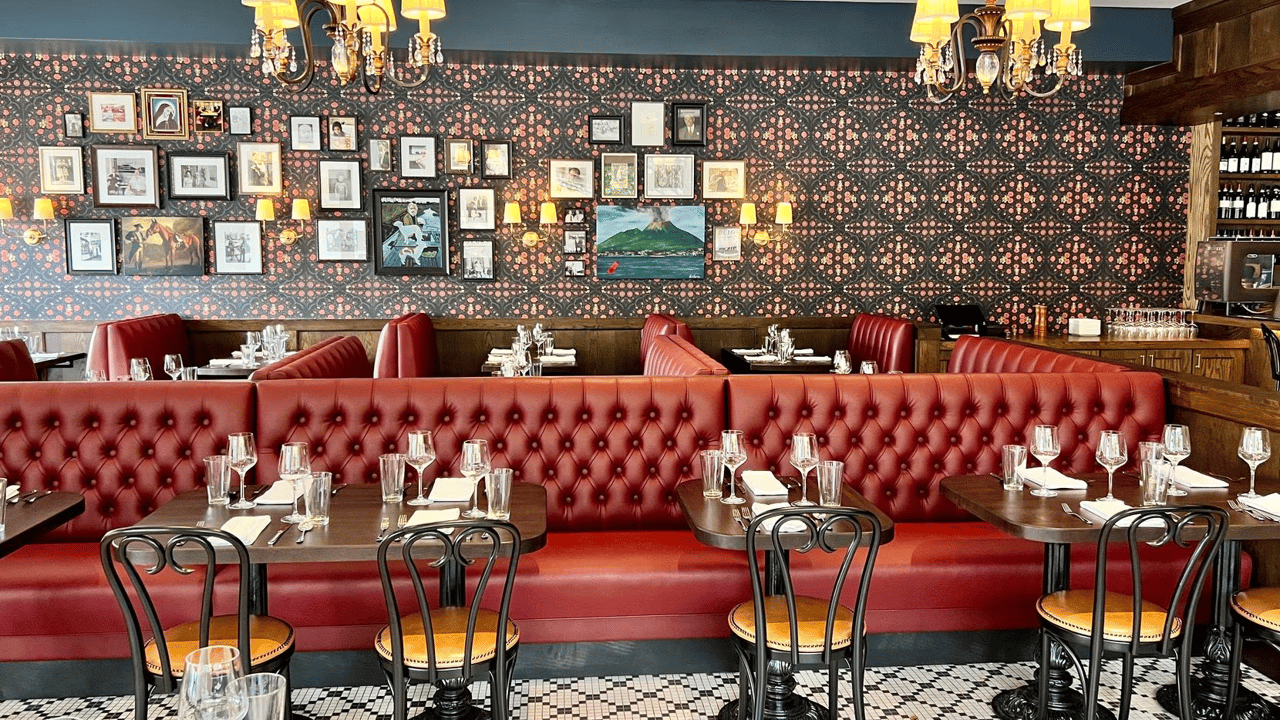
Looking for more space without giving up convenience? That is exactly why many move-up buyers keep circling back to Fort Worth’s west side. If you want a home with more room, a more established setting, and easier access to parks, culture, and everyday amenities, this part of the city offers a compelling next step. Let’s dive in.
West Side Offers More Than One Style
Fort Worth’s west side is not one uniform neighborhood. It is better understood as a corridor of established micro-neighborhoods and districts that include areas such as Ridglea Hills, Ridglea North, Monticello, Rivercrest, Western Hills, and Westover Hills.
According to the City of Fort Worth’s West Fort Worth overview, the area generally stretches from the Trinity River corridor westward, with connections to Camp Bowie, the Cultural District, and Texas Christian University. That layout gives the west side a connected feel that appeals to buyers who want neighborhood character without feeling cut off from the rest of the city.
Micro-Neighborhoods Create More Choice
For move-up buyers, variety matters. You may be looking for a larger lot, a different architectural style, or a setting that feels more established than newer outer-ring development.
The west side gives you that range. Instead of forcing you into one type of home or one price point, it offers several neighborhood options with different streetscapes, home ages, and lifestyle rhythms.
Mature Trees Add Everyday Appeal
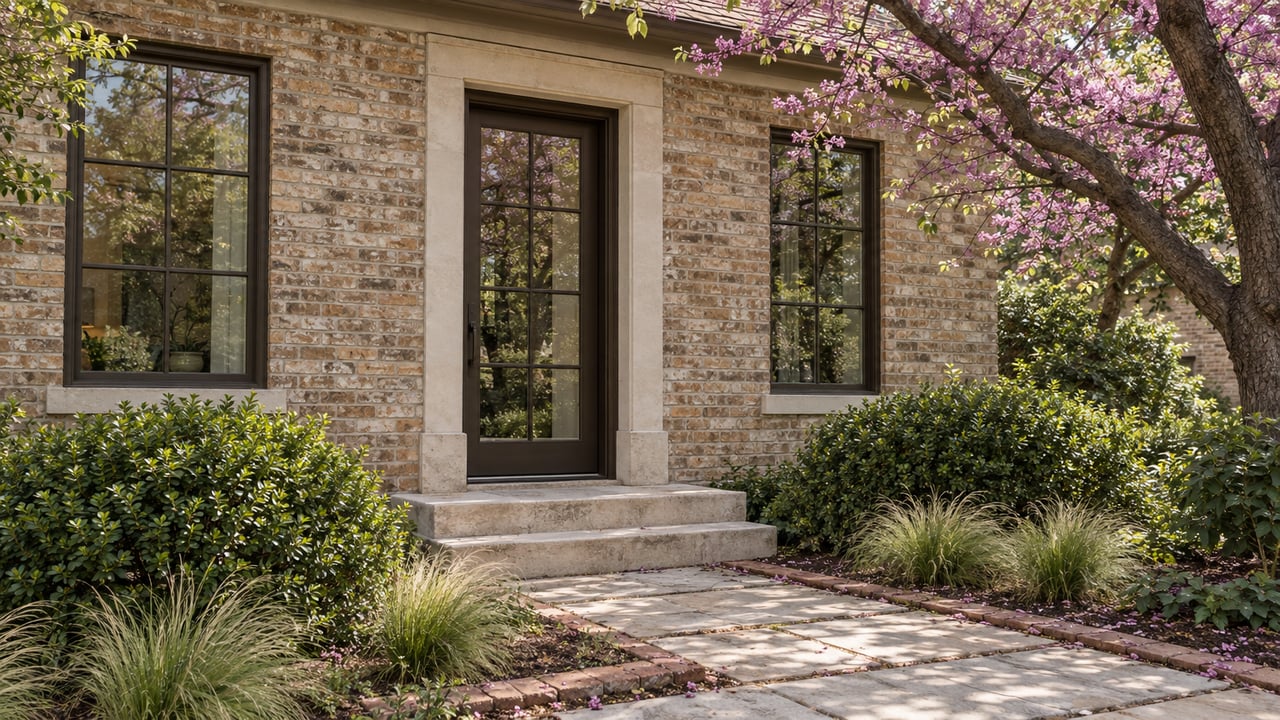
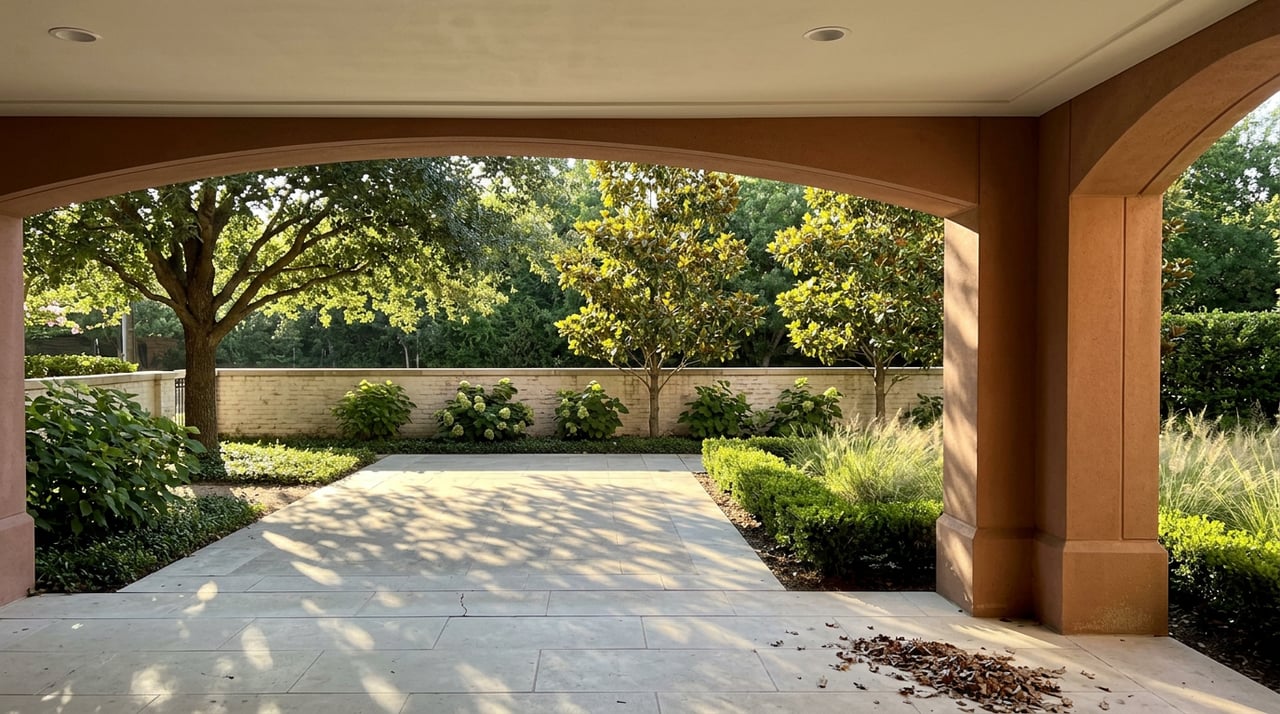
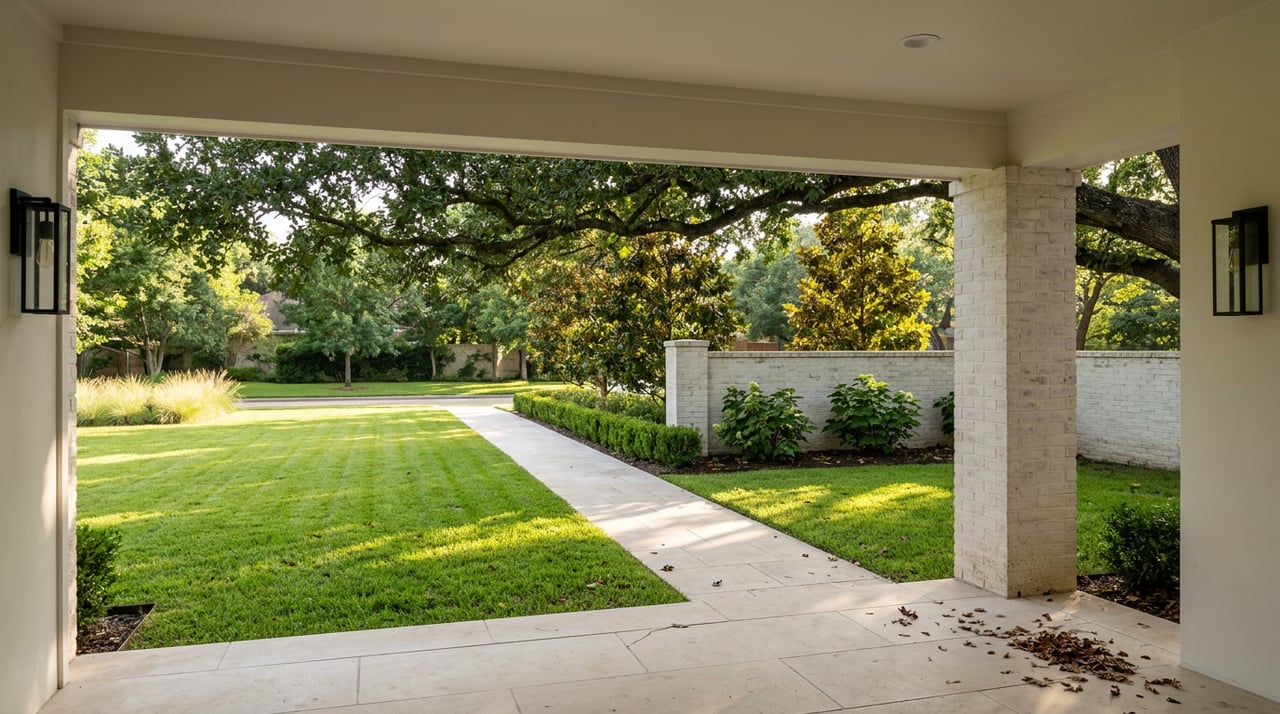
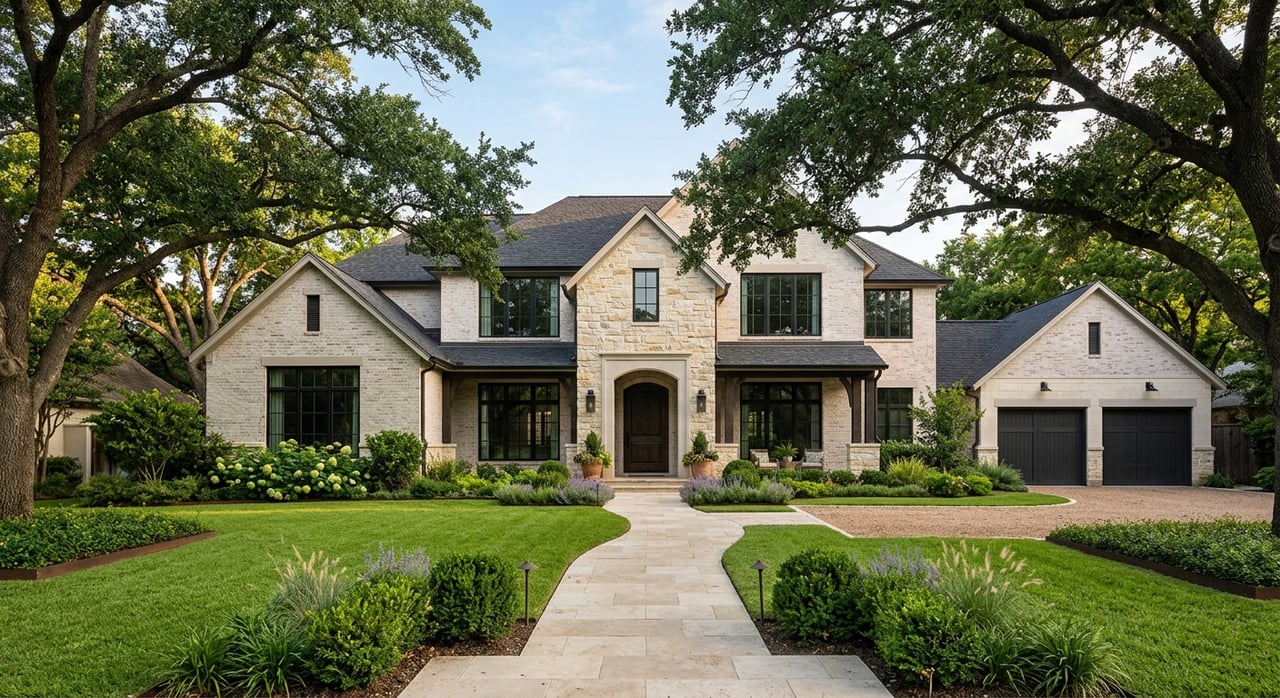
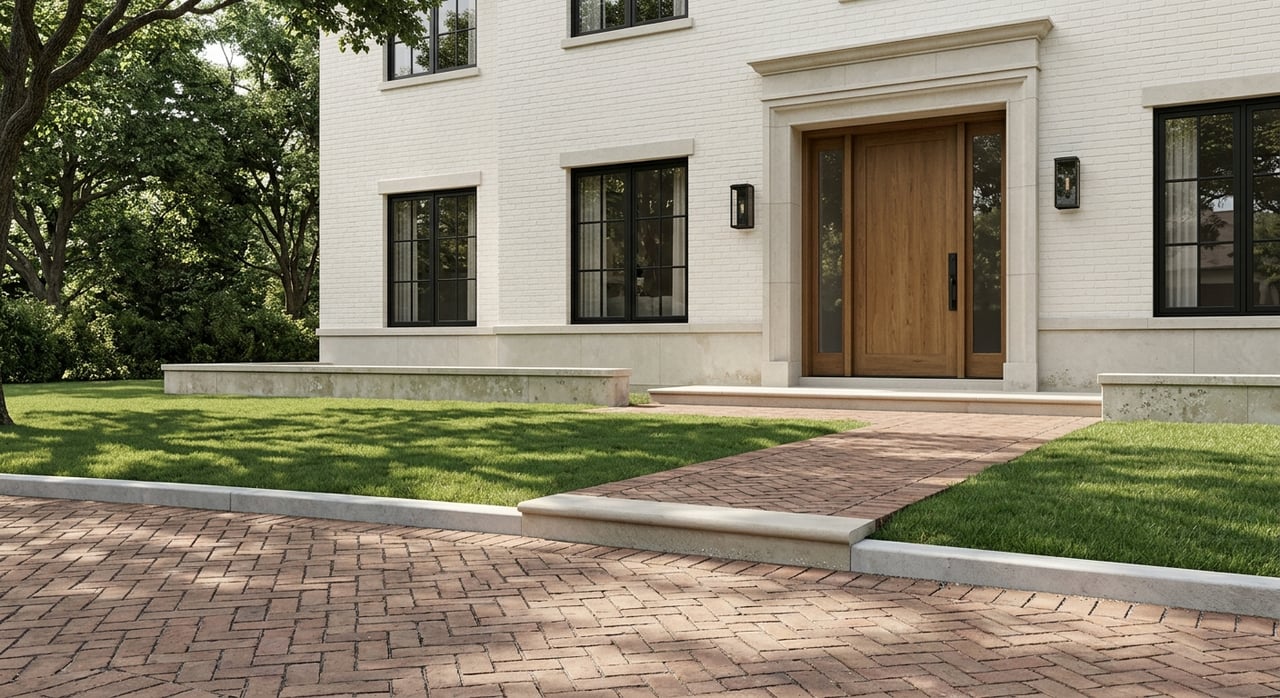
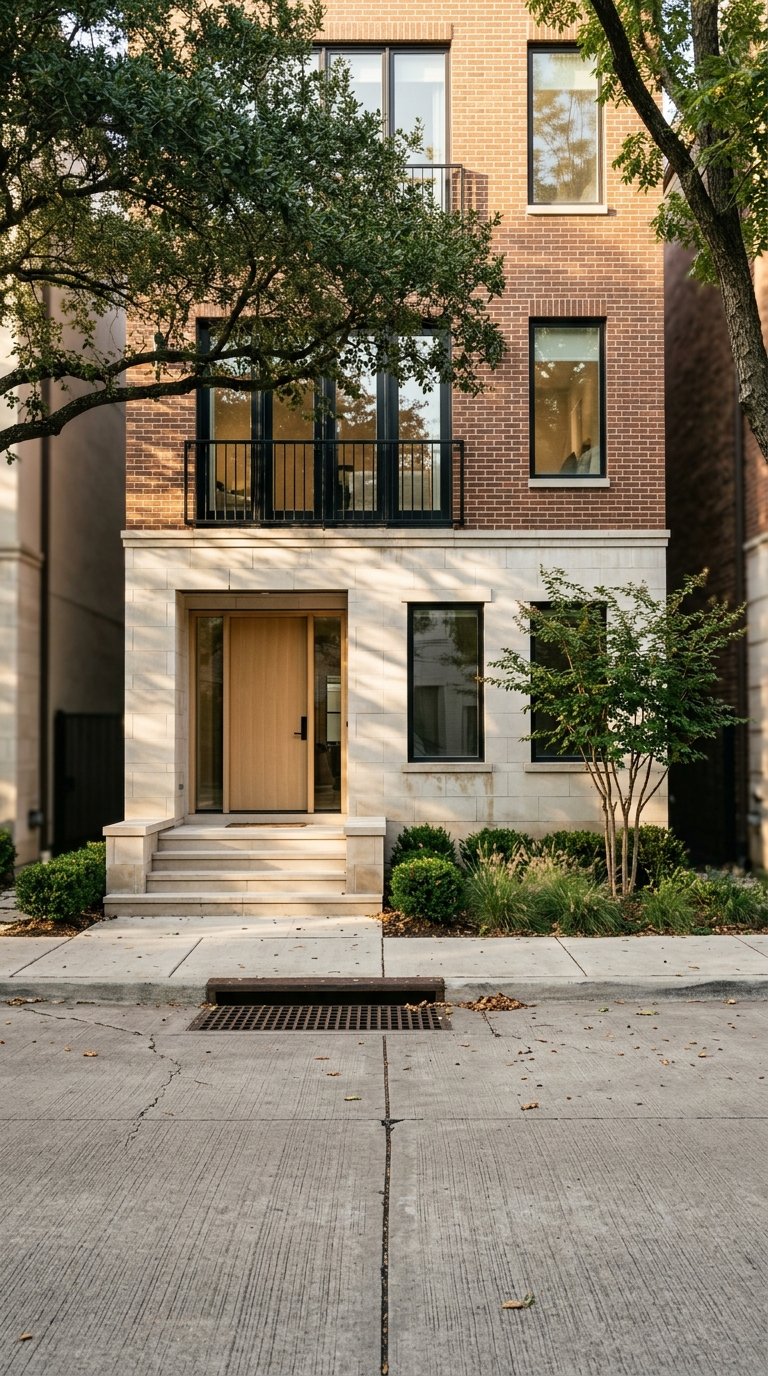
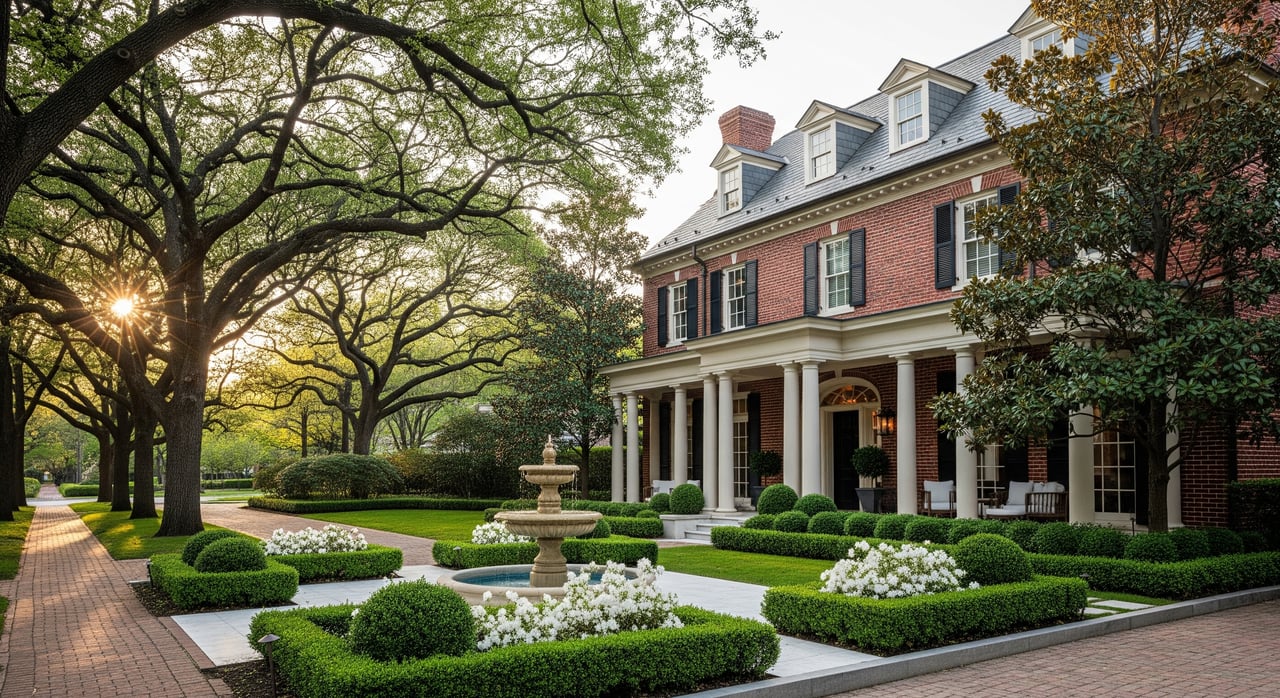
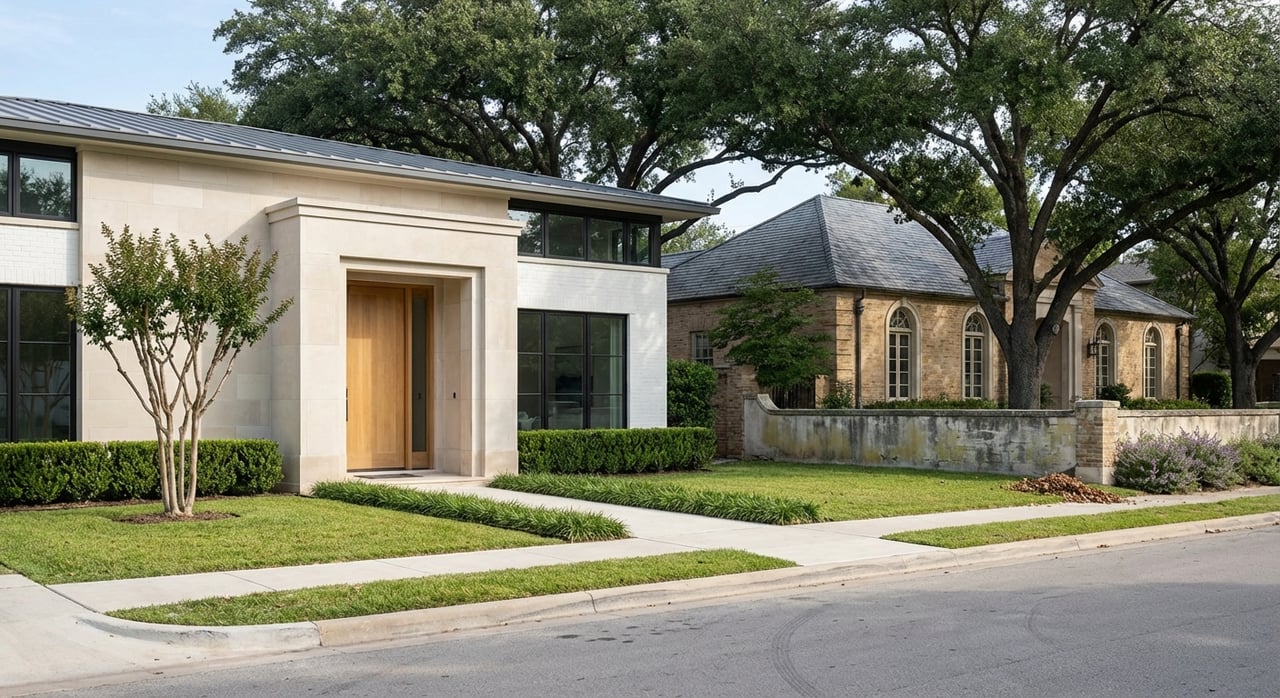
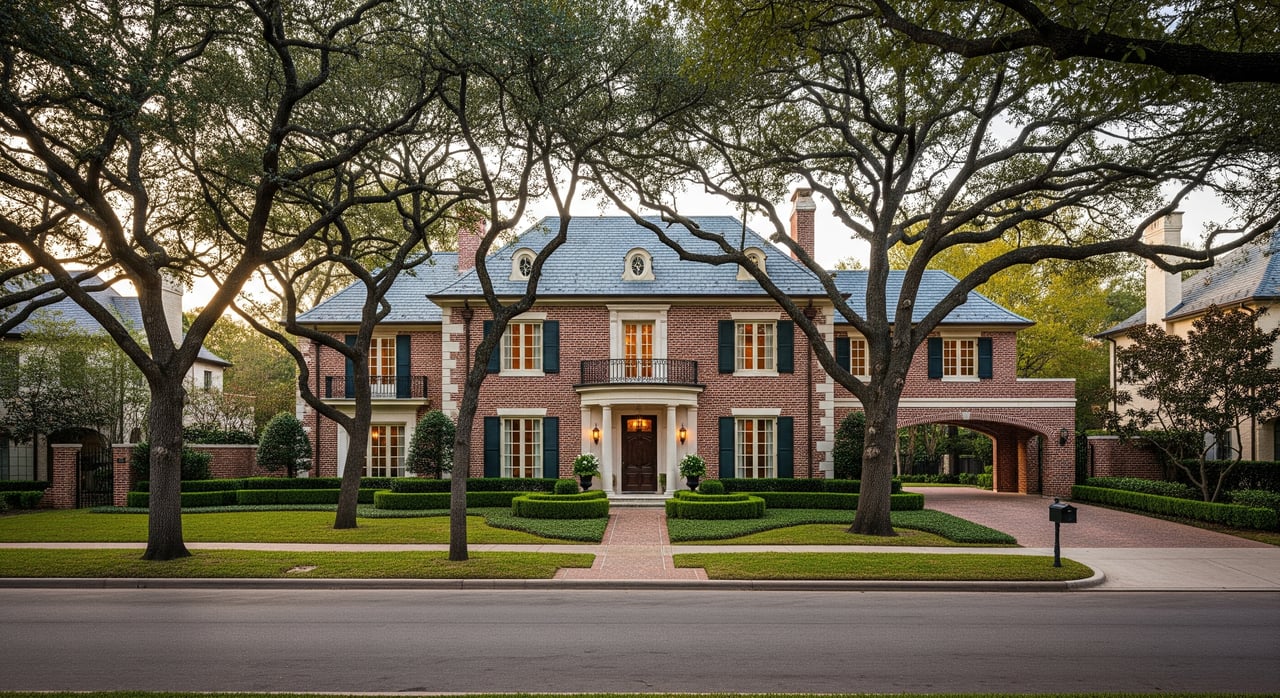
One of the west side’s biggest advantages is something you notice right away: mature canopy trees. The city notes that older west-side neighborhoods were planted with species such as pecan, sycamore, elm, live oak, and bur oak, while farther west areas generally have less canopy.
That matters because streetscape shapes how a neighborhood feels day to day. The city’s urban forestry guidance for West Fort Worth and broader forestry resources point to tree planting as a quality-of-life and property-value issue. For you, that can translate into shaded streets, a more established look, and a stronger sense of permanence.
Established Blocks Feel Different
Move-up buyers are often not just shopping for square footage. You may also be looking for a setting that feels settled, comfortable, and visually consistent.
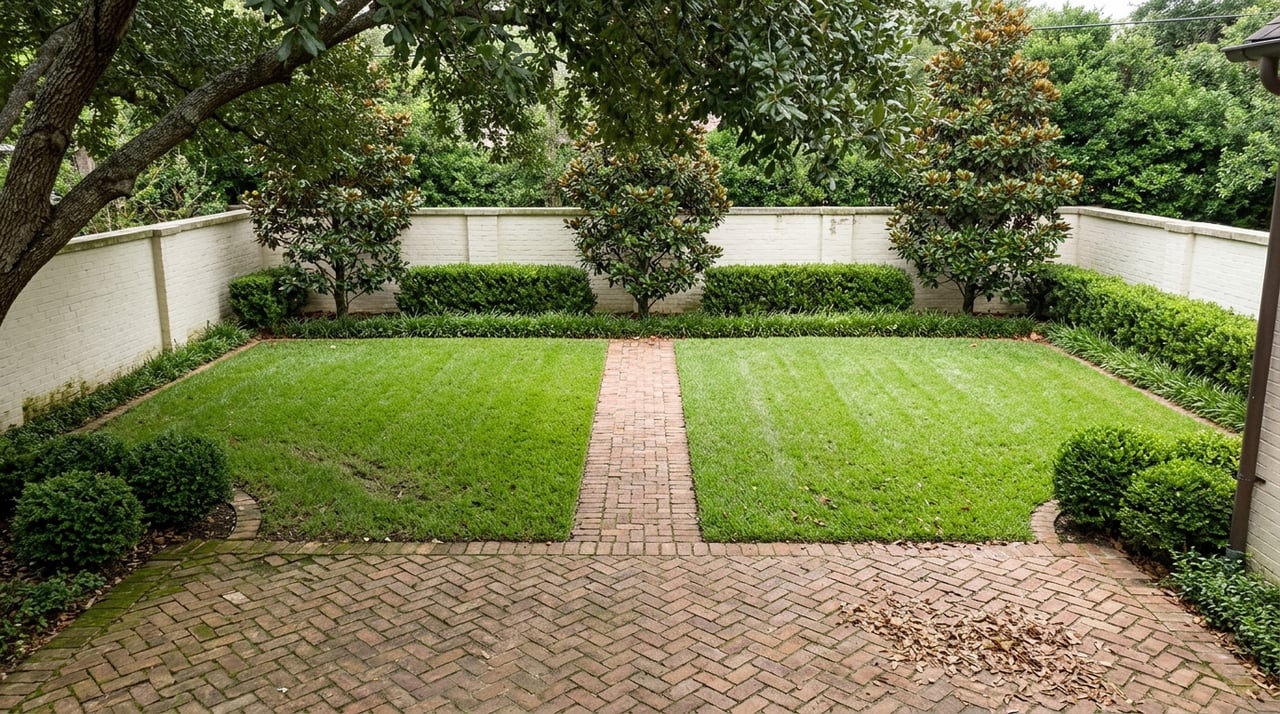
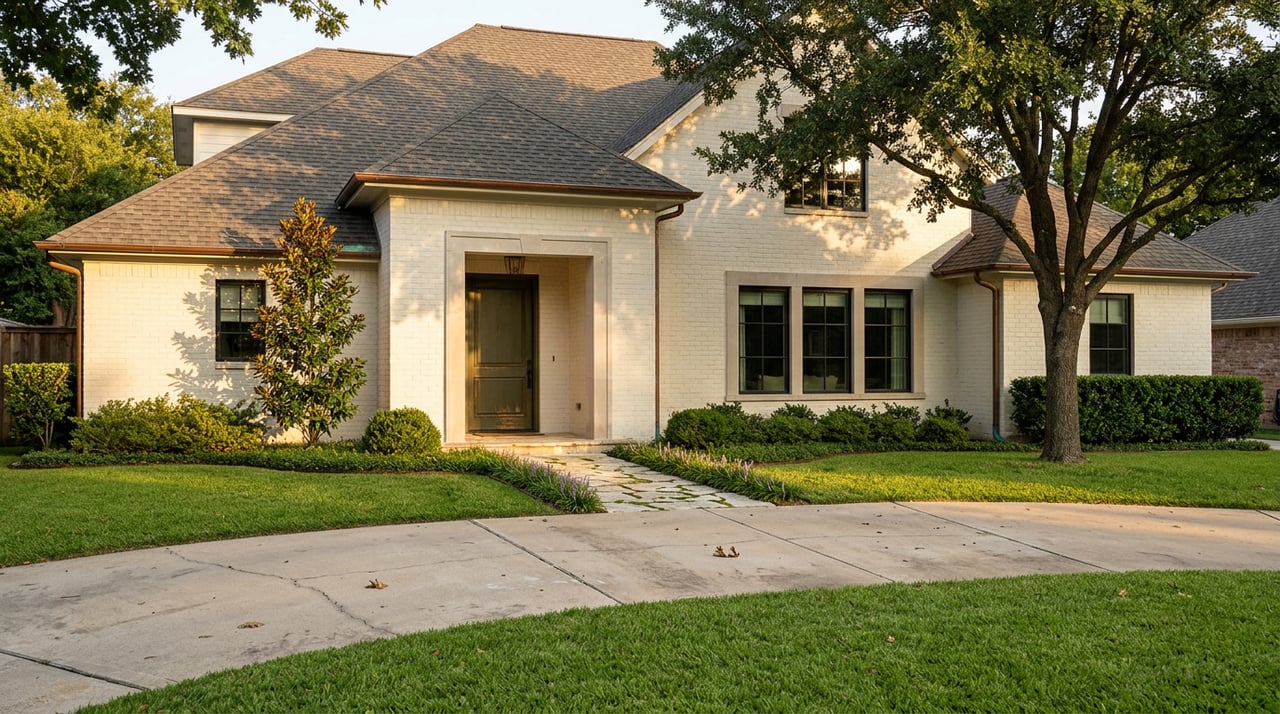
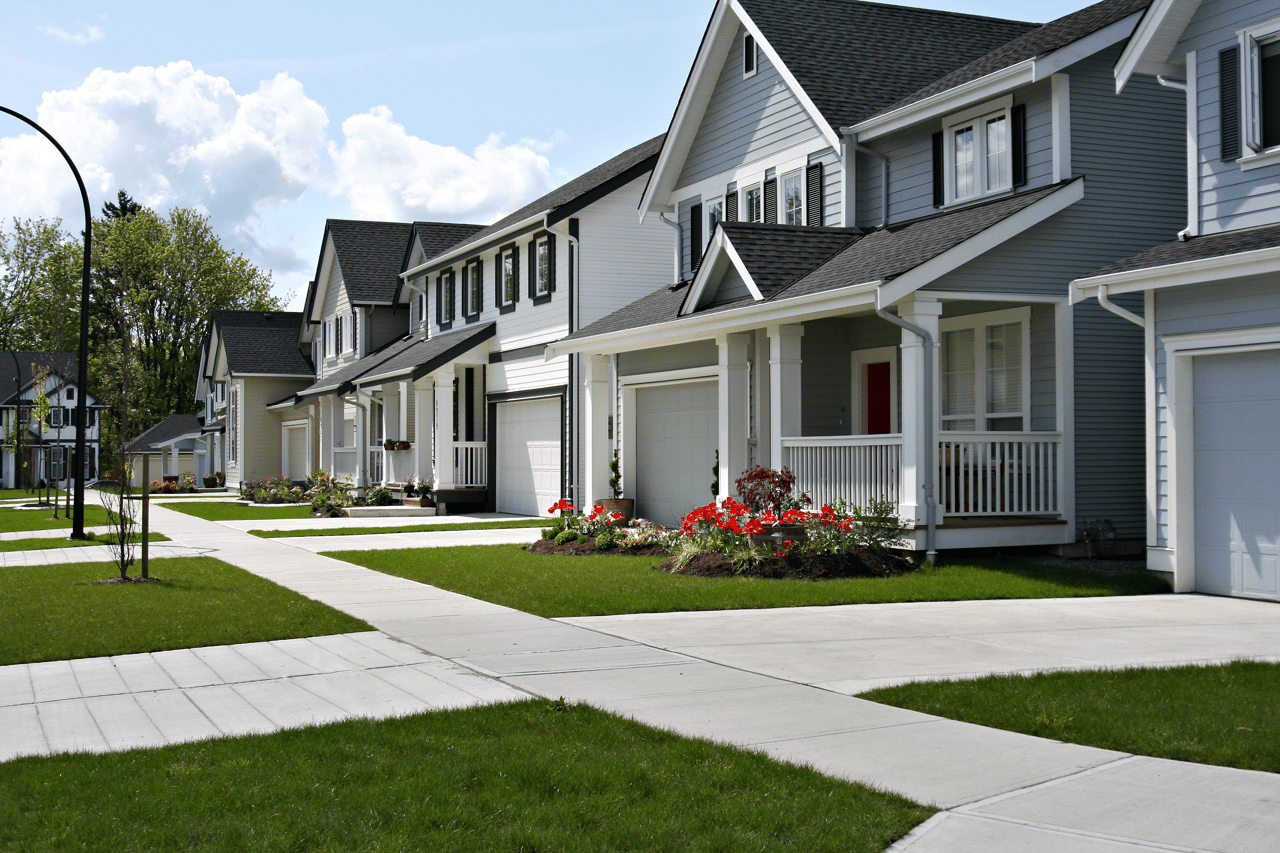
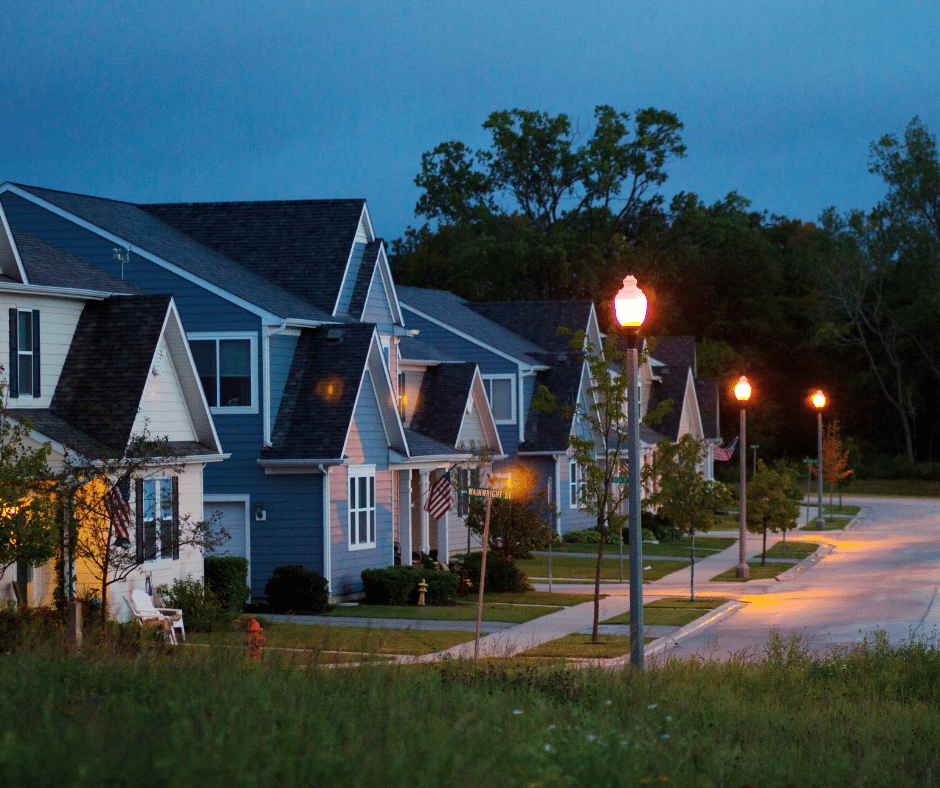
On the west side, mature landscaping helps create that impression. Older blocks often feel more grounded because the homes, yards, and tree canopy have had time to grow into place.
Housing Options Span Several Eras
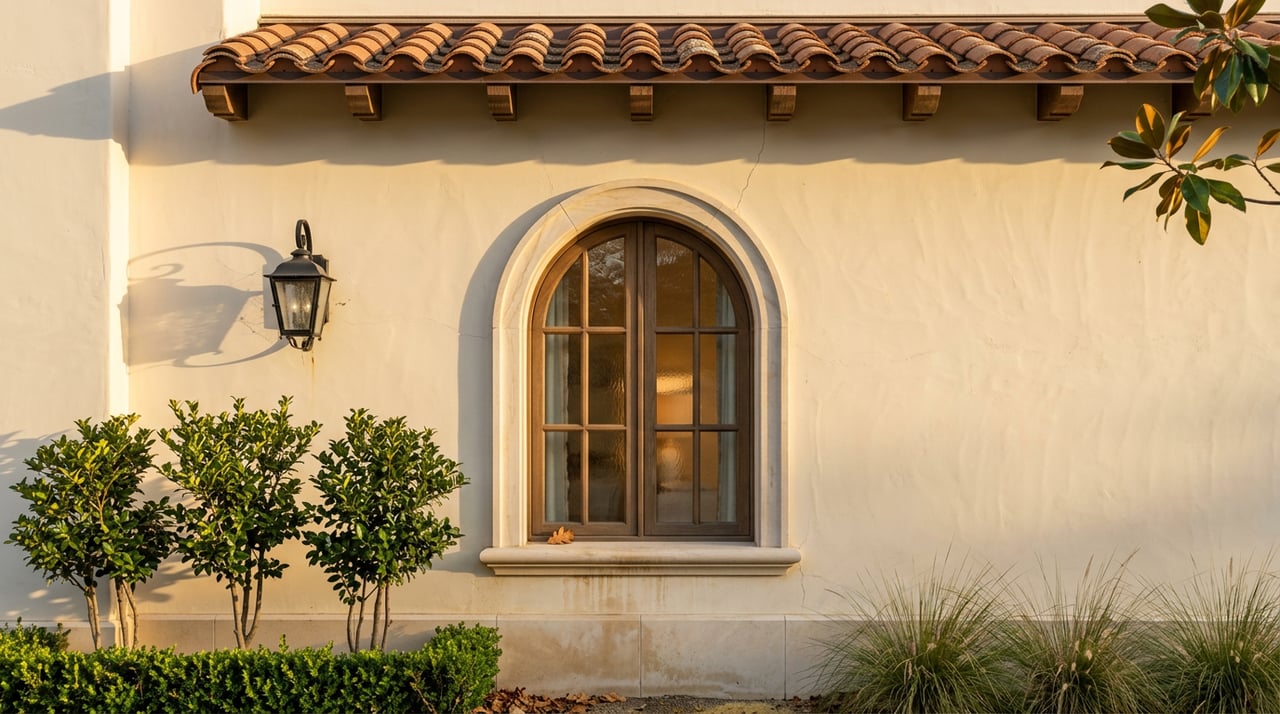
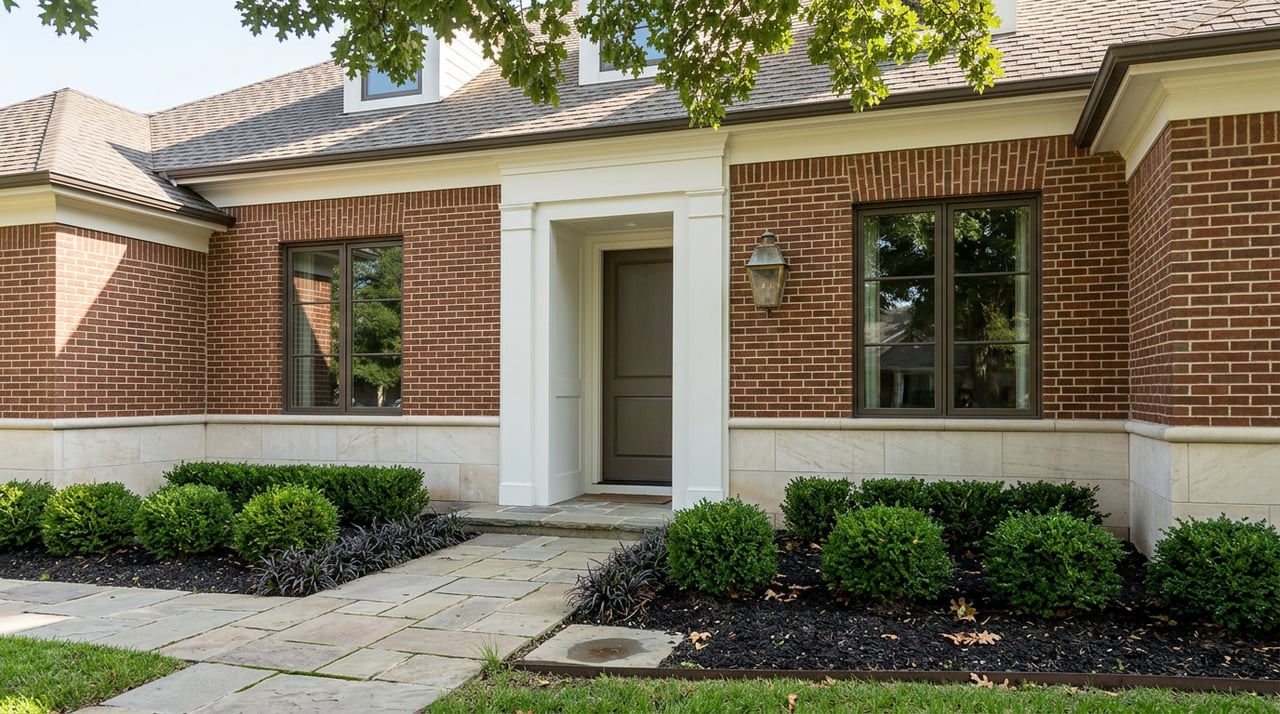
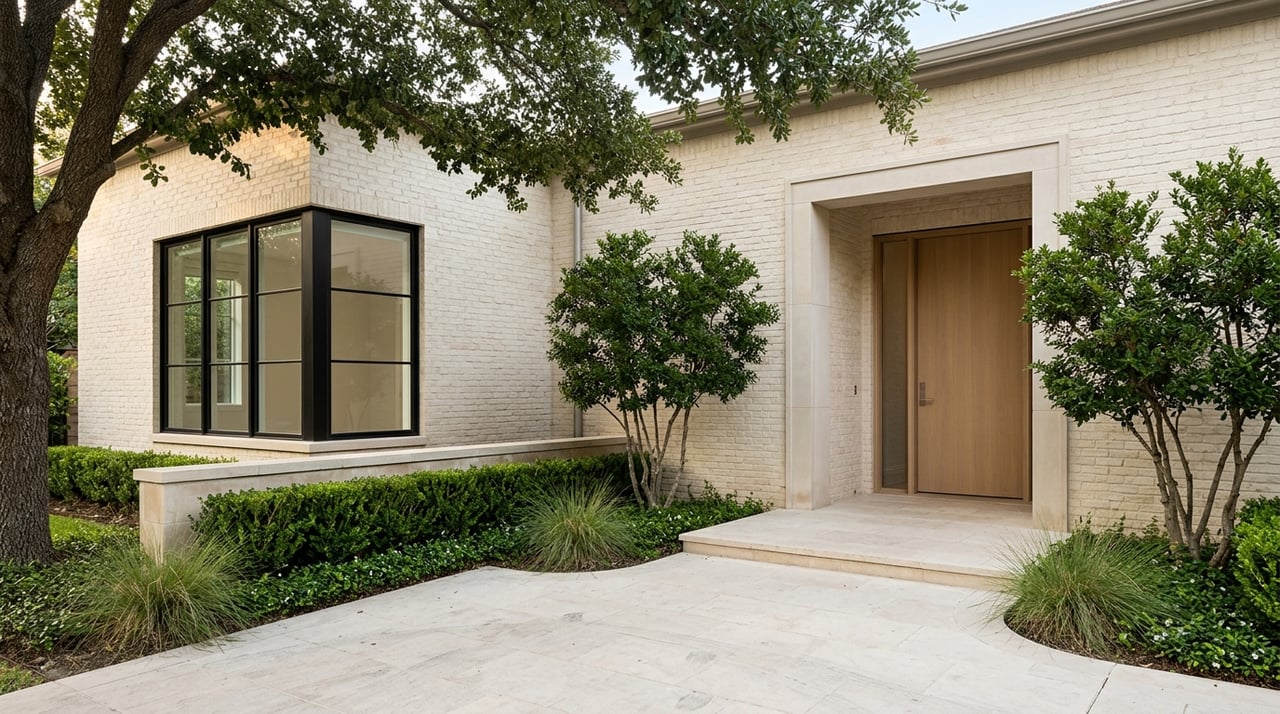
The west side also stands out because its housing stock developed over time. Fort Worth’s preservation planning documents show that many west-side neighborhoods grew in phases, from early 20th-century development to post-war expansion and later Ranch and Modern Movement homes.
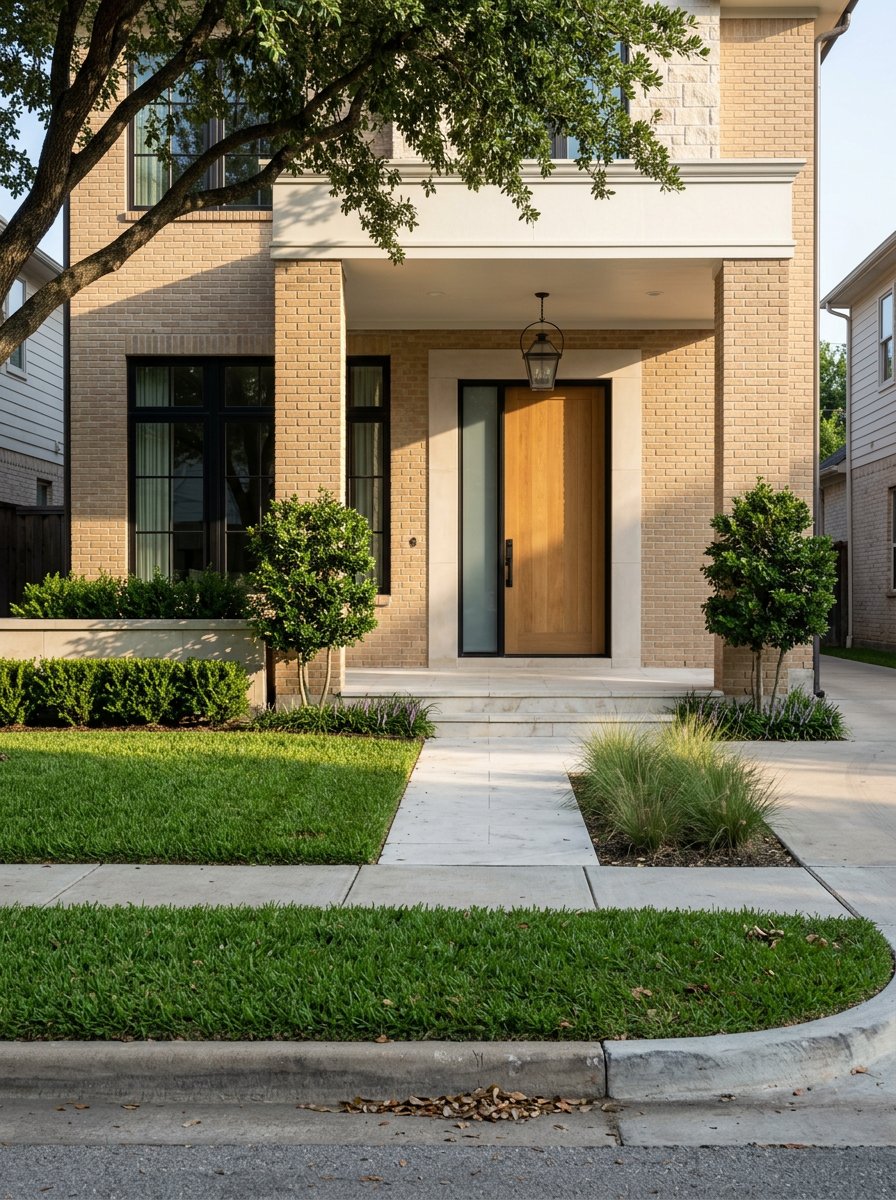
That history still shows up in the homes you see today. Areas tied to neighborhoods such as Park Hill, Rivercrest, Monticello, Westcliff, Ridglea Hills, and Western Hills offer a wider mix of home styles and lot sizes than you may find in newer, more uniform communities.
Older Homes, Larger Lots, More Character
For many buyers moving up, the appeal is simple. You may want a home that feels less standardized and a neighborhood with a stronger visual identity.
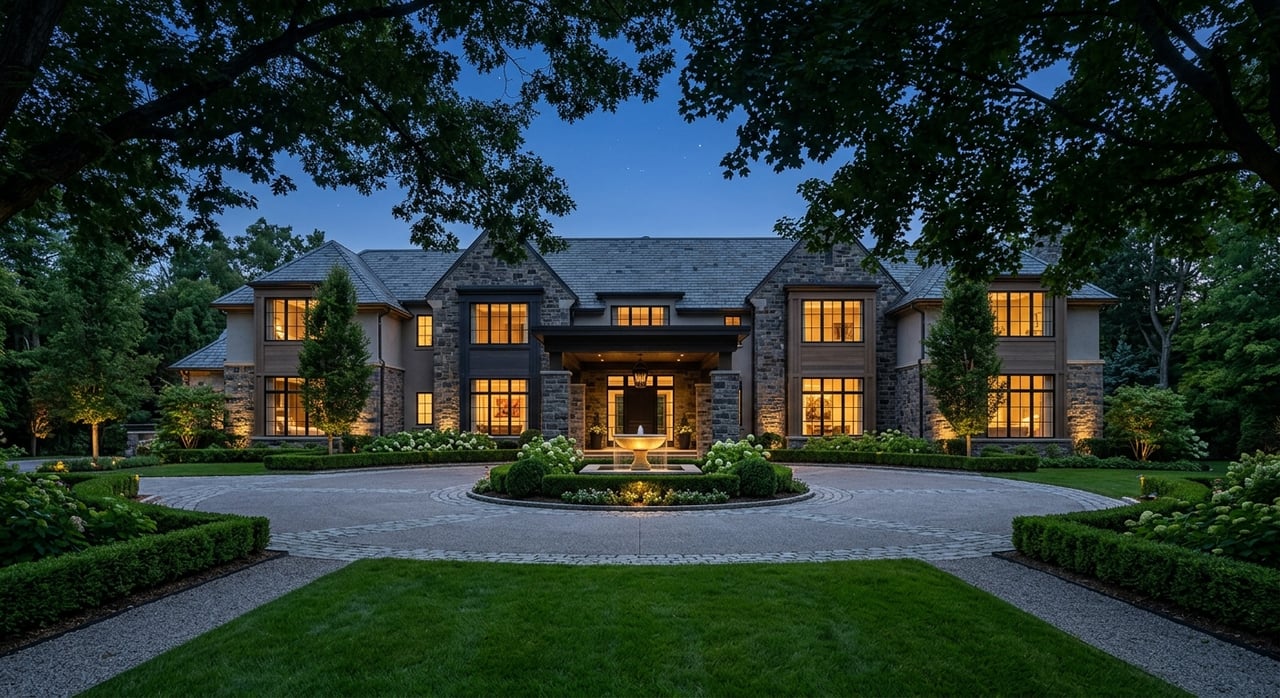
The west side often delivers that through older construction eras, established lot patterns, and tree-lined streets. Westover Hills, for example, describes its history as a community of large landscaped lots and tree-lined streets, with development continuing through the 1950s.
West Side Price Points Cover a Wide Range
Another reason the west side draws move-up buyers is flexibility across budget levels. This is not a single-price market.
The Greater Fort Worth Association of REALTORS April 2025 housing report showed Fort Worth’s median home price at about $338,000, while the research also notes West Fort Worth around $335,000 and a broader Fort Worth median sale price of $340,000 in early 2026. Within the west side itself, though, neighborhood pricing stretches much further.
From High-$300s To Luxury Levels
This range is one of the west side’s strongest move-up advantages. Research shows Ridglea Hills and Ridglea North around the high-$300,000s in February 2026, while Monticello was around $660,000 in median sale price and Westover Hills was far higher by home value index.
That means you can often stay in the same general side of town as your needs evolve. Whether you are stepping into a larger mid-range home or exploring a luxury purchase, the west side offers multiple entry points.
Buyers Still Have Room To Be Selective
A move-up purchase usually requires balancing timing, budget, and trade-offs. A market with at least some inventory can make that process less stressful.
The same April 2025 housing report reported 3.8 months of inventory in Fort Worth and average days on market of 54. It also noted a steady enough market that more families could upgrade their homes, which supports the idea that move-up buyers may still have opportunities to compare options and focus on value.
Established School Access Matters
For many buyers, a move-up decision is closely tied to daily logistics. You may want more home, but you also want to stay connected to established schools and familiar routines.
On the west side, that can be part of the appeal. Ridglea Hills Elementary states that it has served west Fort Worth for more than 60 years and enrolls more than 600 students, while Arlington Heights High School’s feeder pattern includes Ridglea Hills Elementary and William Monnig Middle School.
Public And Private Options Nearby
The draw here is access, not hype. Buyers often appreciate being near long-established public school campuses as well as private school options, including Fort Worth Country Day, which describes a nearby JK-12 campus in Fort Worth.
If you are planning around school-age years, the west side can support that next chapter without requiring a move far from central Fort Worth.
Parks Support Daily Lifestyle
A bigger home is only part of a move-up lifestyle. Many buyers also want better day-to-day access to outdoor spaces, walking routes, and neighborhood gathering spots.
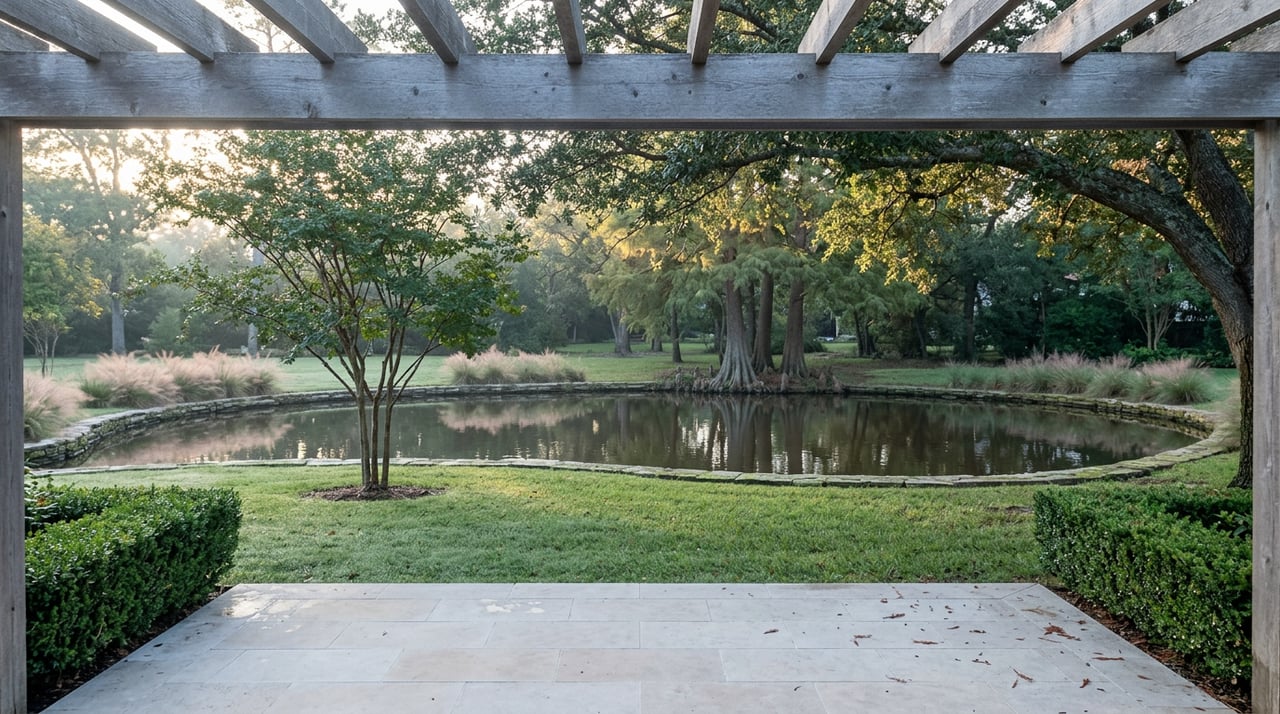
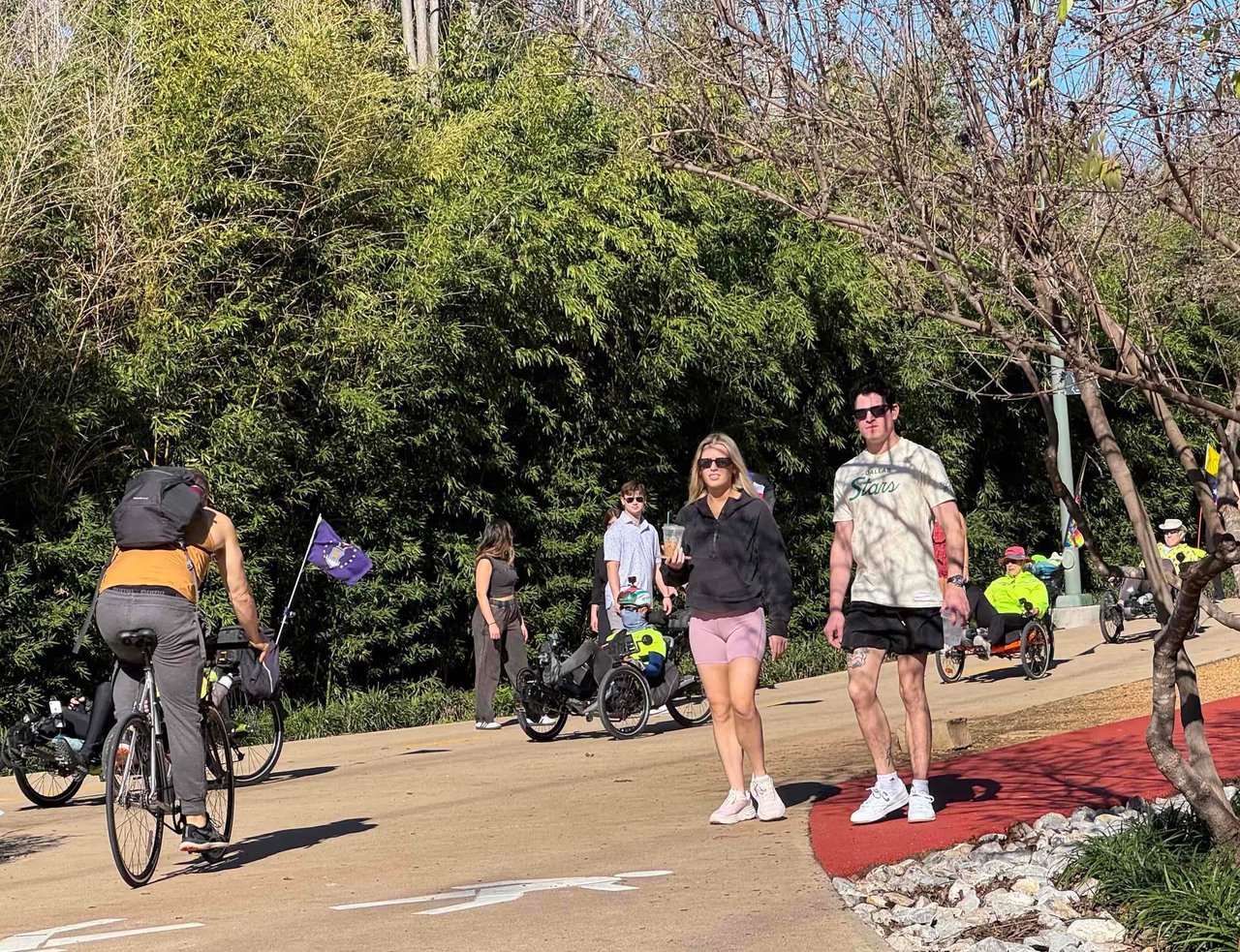
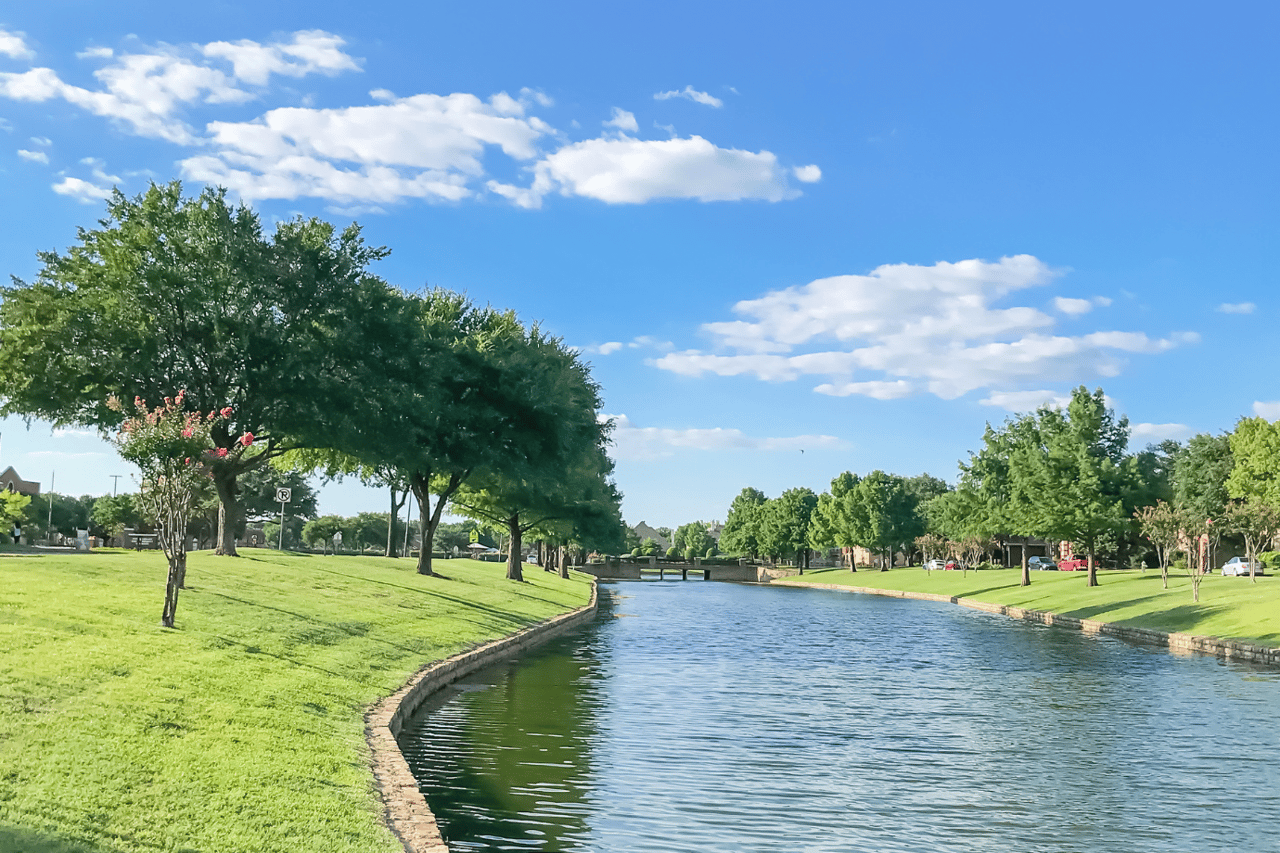
The west side performs well here. The city highlights Ridglea Hills Park as a 6.1-acre park with trails, a playground, and picnic-style amenities, while other west-side parks include Monticello Park, Western Hills Neighborhood Park, and River Park along the Clear Fork and Trinity Trails.
Green Space Makes A Difference
These parks add practical value to everyday life. Whether you want room for a morning walk, a playground stop, or easy outdoor time on weekends, the west side gives you options close to home.
That blend of established residential streets and accessible green space is a big reason buyers see the area as a long-term fit rather than a temporary step.
Cultural Access Sets The West Side Apart
One thing that makes Fort Worth’s west side different from many move-up areas is its central-city access. You are not choosing between neighborhood comfort and city convenience.
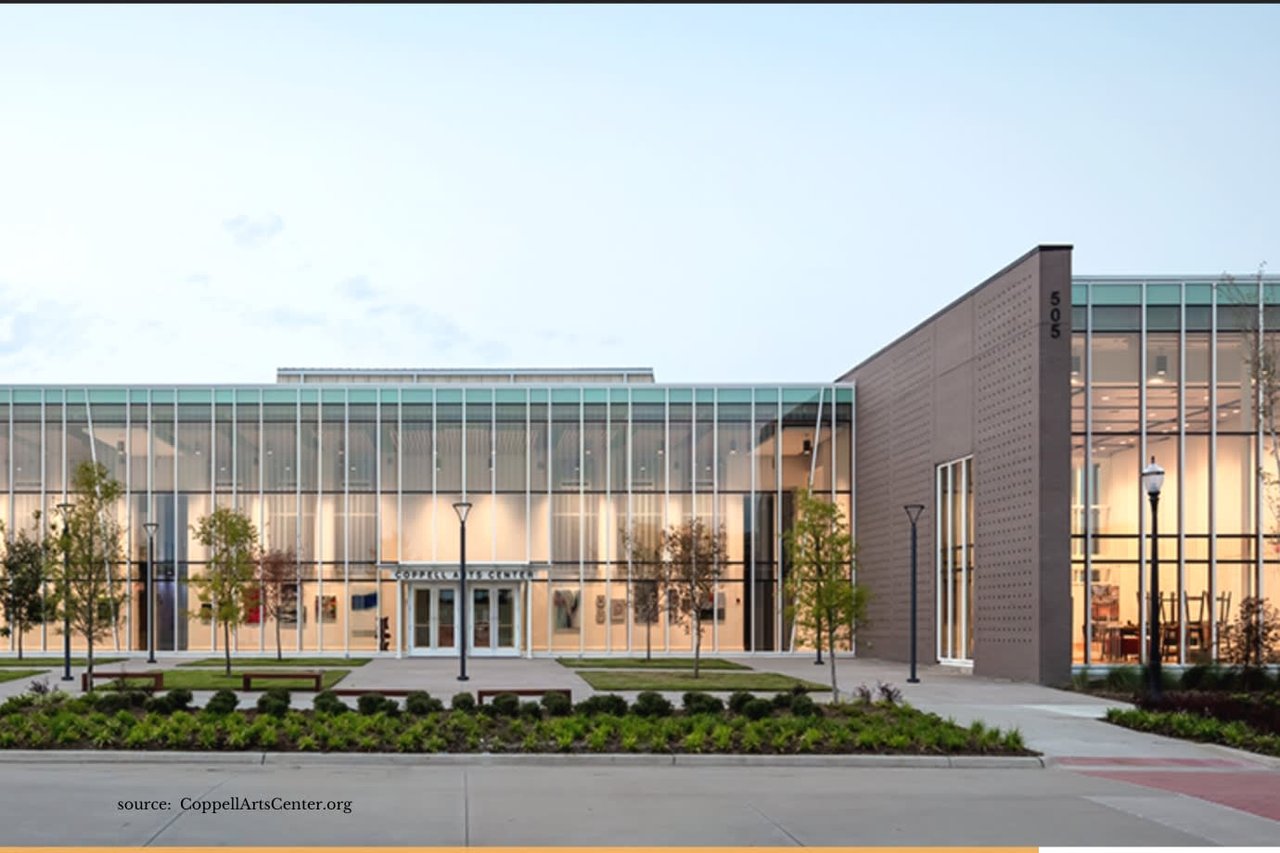
The city’s arts and culture planning documents describe the Cultural District as home to the Kimbell Art Museum, Modern Art Museum of Fort Worth, Amon Carter Museum, and Fort Worth Museum of Science and History. West Seventh also serves as an important connection between Downtown and the Cultural District.
Close To Downtown Without Feeling Downtown
That location is a practical advantage. Museums, dining, events, and major civic destinations stay within easy reach, but many west-side neighborhoods still feel distinctly residential.
For move-up buyers, that balance can be hard to find. You get access to Fort Worth’s cultural core without giving up the calmer feel of an established neighborhood setting.
Investment Supports Long-Term Confidence
Move-up buyers often think beyond the next year or two. You may be looking for a place that feels cared for today and supported for the future.
That is another positive signal on the west side. The city says Ridglea Urban Village has seen $55 million in commercial development and $56 million in new housing development, while Camp Bowie’s historic brick roadway is being repaired and west-side water and sewer improvements are planned through 2028 in areas that include West Side Alliance and Crestline.
Why Move-Up Buyers Keep Looking West
When you put it all together, the west side checks several boxes at once. You get established neighborhoods, mature trees, varied housing stock, broad price bands, parks, school access, and strong proximity to central Fort Worth.
That is what makes the area so appealing for your next move. If you are ready for more home and a more rooted neighborhood feel, Fort Worth’s west side offers a thoughtful mix of lifestyle, location, and long-term value.
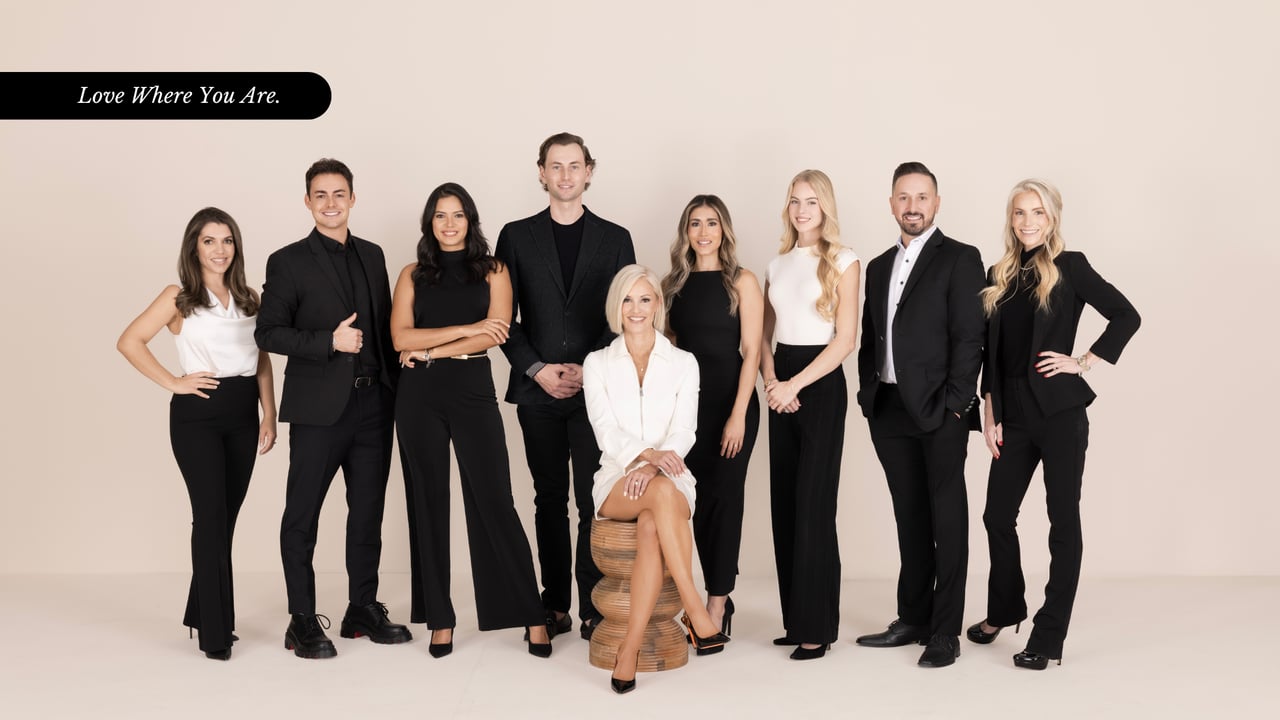
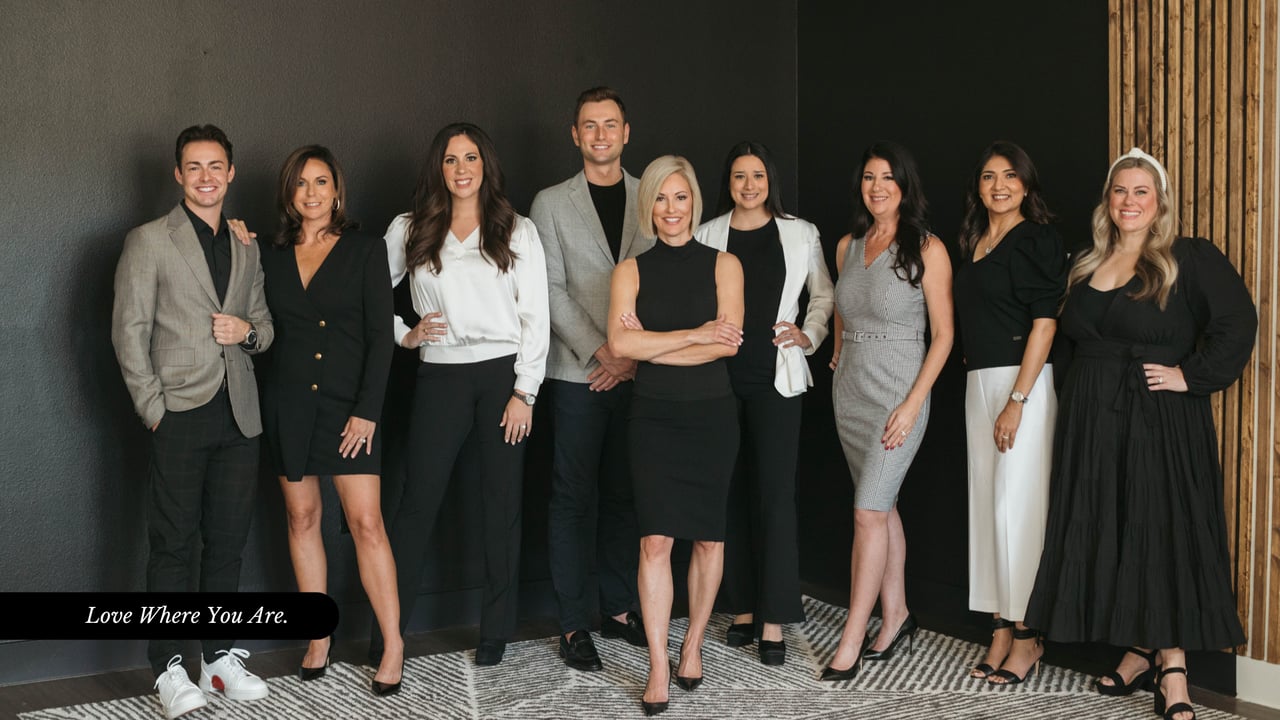
If you are weighing where to move next in Fort Worth, Torelli Properties Group can help you compare neighborhoods, identify the right fit for your goals, and navigate the process with a clear, personalized approach.
FAQs
Why does Fort Worth’s west side appeal to move-up buyers?
- It appeals to move-up buyers because it combines established neighborhoods, mature trees, varied home styles, parks, school access, and convenient proximity to Downtown and the Cultural District.
Which Fort Worth west-side neighborhoods are often part of the move-up conversation?
- Commonly referenced west-side areas include Ridglea Hills, Ridglea North, Monticello, Rivercrest, Western Hills, and Westover Hills.
What price range can you expect on Fort Worth’s west side?
- Research shows the west side spans a wide range, with some neighborhoods in the high-$300,000s, Monticello around the mid-$600,000s, and Westover Hills at a much higher luxury level.
Are parks and trails part of the west-side lifestyle in Fort Worth?
- Yes. The area includes parks such as Ridglea Hills Park, Monticello Park, Western Hills Neighborhood Park, and River Park near the Trinity Trails.
Does Fort Worth’s west side offer access to schools?
- Yes. The west side includes access to long-established public school campuses and nearby private school options, which can be important for buyers planning a long-term move.