If you are choosing between Historic Downtown McKinney and one of McKinney’s newer subdivisions, you are not just picking a home style. You are choosing a daily routine, a level of maintenance, and the kind of neighborhood structure that fits your life. The good news is that both options offer real value in McKinney. This guide will help you compare walkability, pricing, home styles, rules, and lifestyle so you can narrow in on the right fit. Let’s dive in.
How These Two McKinney Options Differ
At a high level, Historic Downtown McKinney and newer master-planned subdivisions serve different priorities. The historic core tends to appeal to buyers who want an in-town feel, distinctive homes, and easier access to shops and dining. Newer subdivisions usually attract buyers who want newer construction, planned amenities, and a more standardized ownership experience.
That difference shows up in both lifestyle and pricing. As of March through May 2026, McKinney’s overall median sale price was $485,000, while the McKinney Historic District median sale price was $700,000. That premium helps show how much demand there is for downtown living and character-rich housing.
Historic Downtown McKinney Lifestyle
Downtown McKinney stands out for its walkable setting and preserved character. Its Walk Score is 67 out of 100, compared with McKinney’s citywide average of 27. If you want a shorter path to local shops, dining, and a more connected street network, that is a meaningful difference.
The city’s own downtown policy supports a pedestrian-oriented, mixed-use pattern. It encourages urban-infill redevelopment, compact walkable development, and sidewalk activity such as cafés, patios, and parklets. For you as a buyer, that points to a lifestyle built around being closer to the center of activity rather than driving everywhere.
What Homes Look Like Downtown
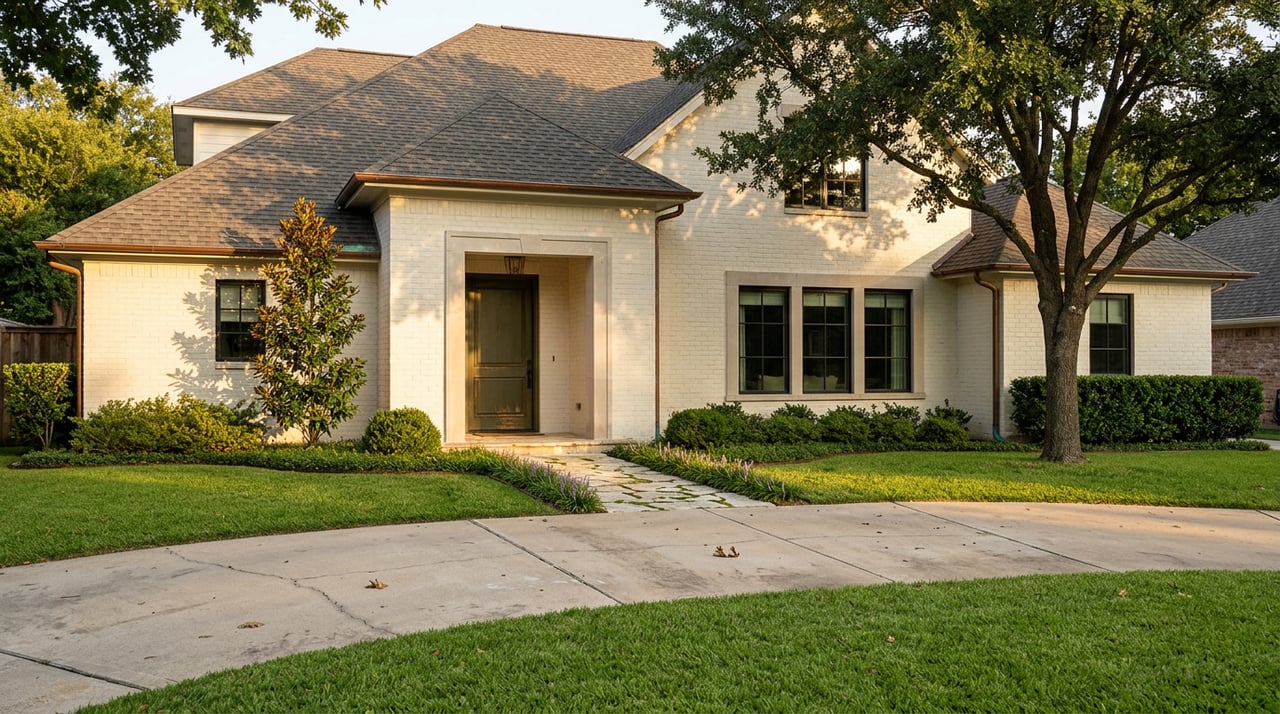
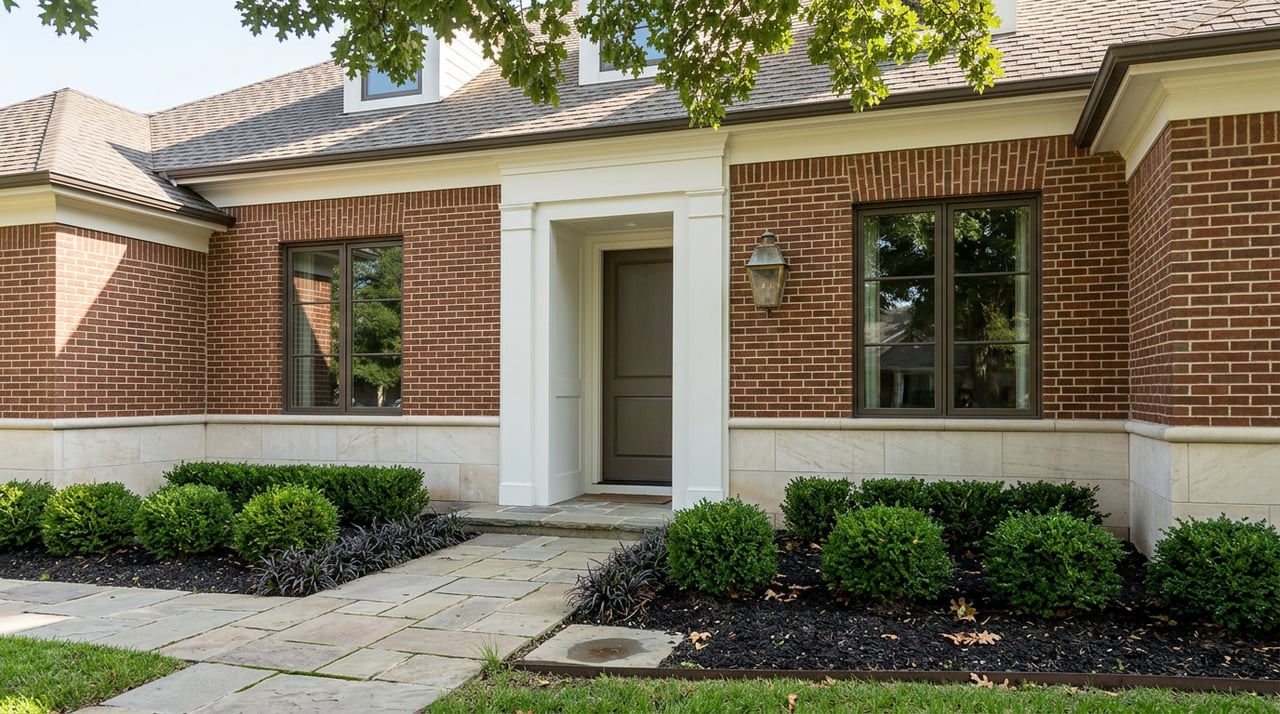
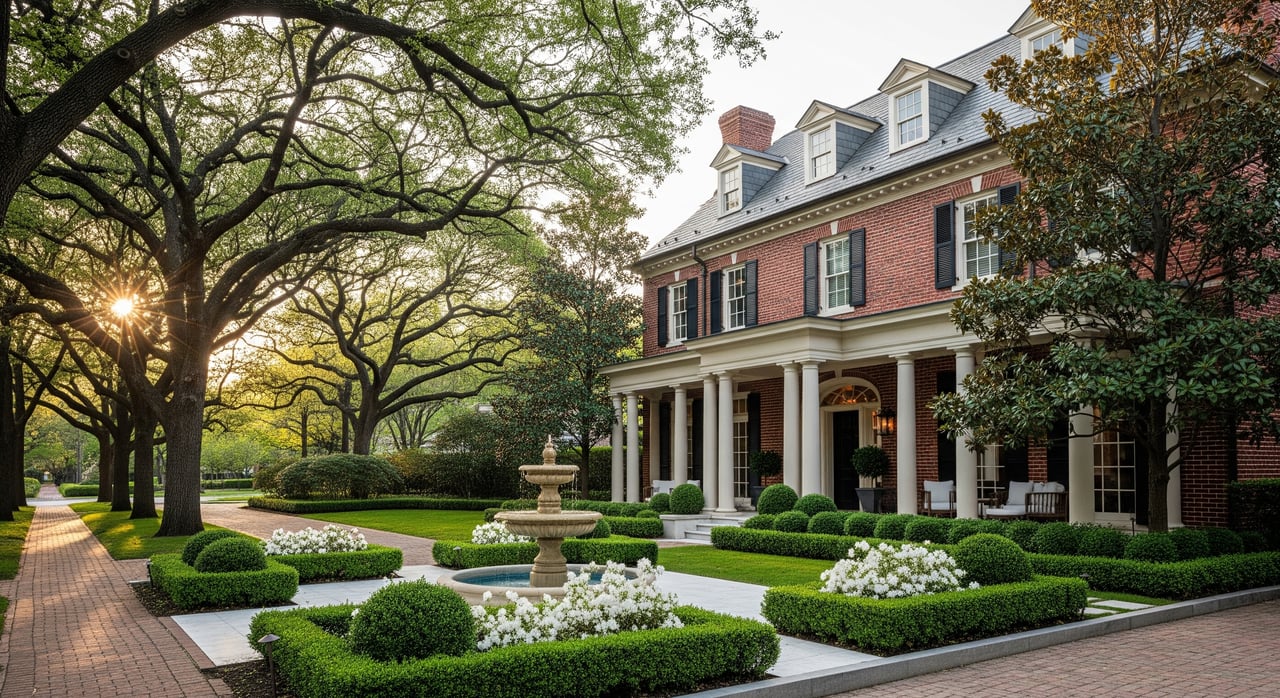
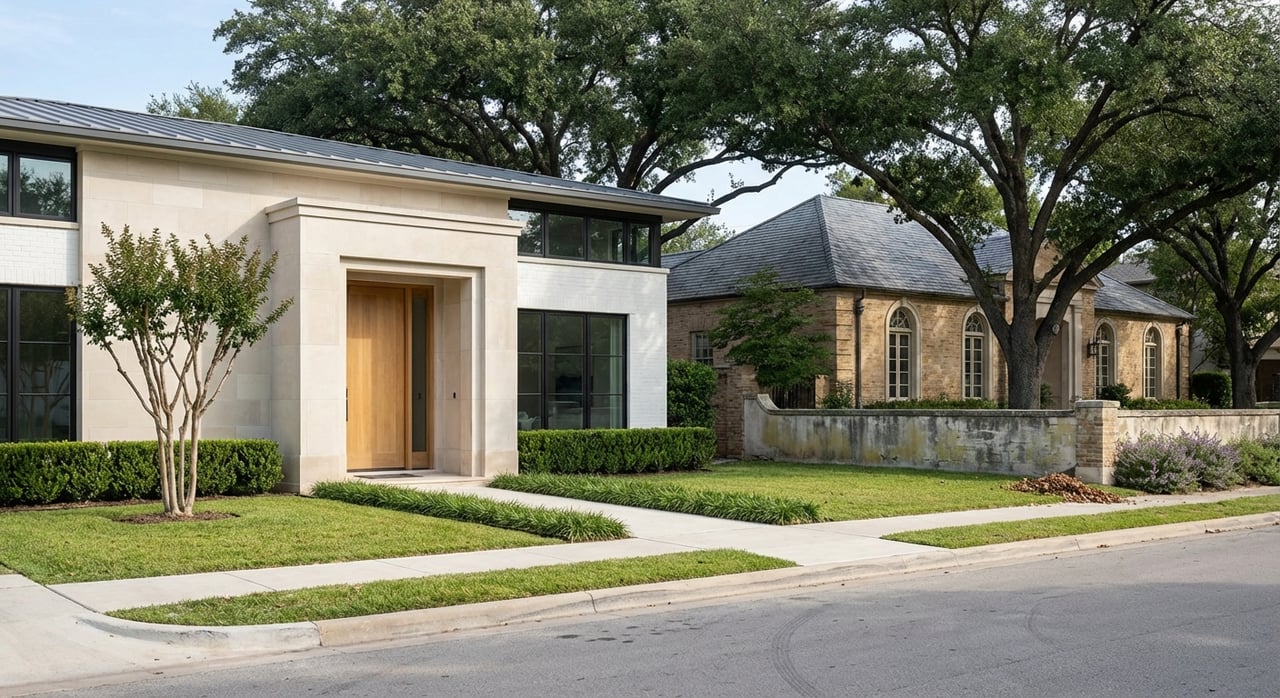
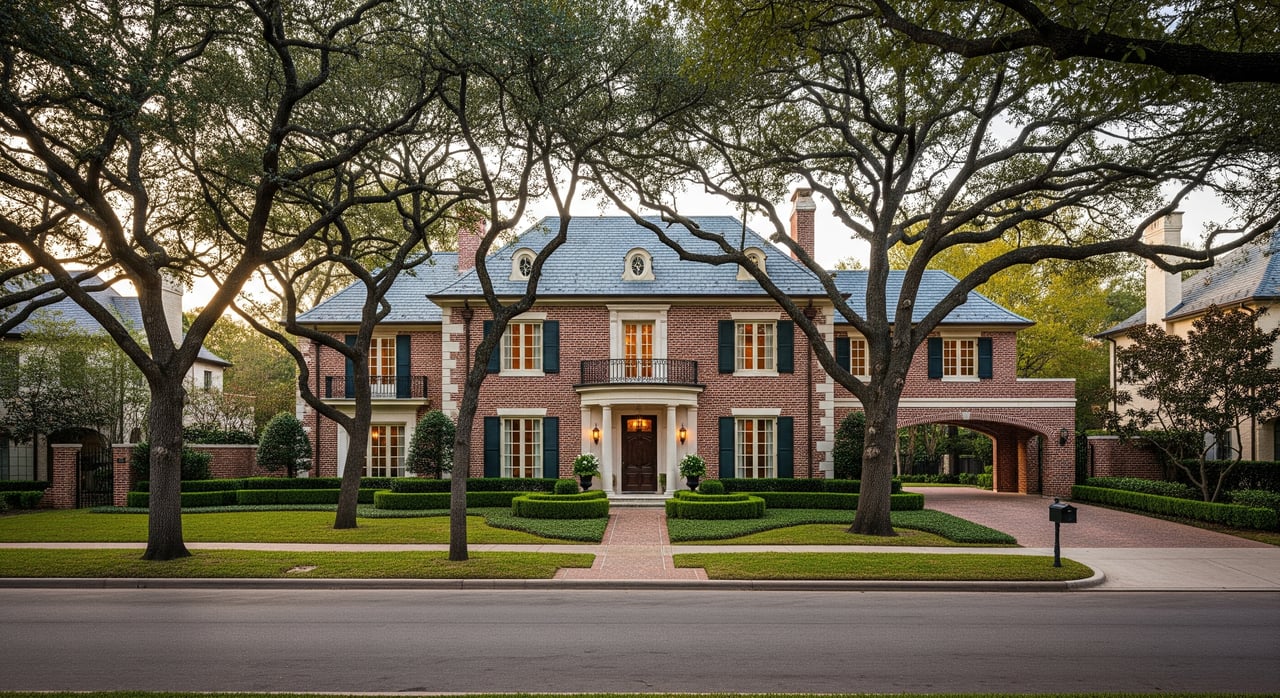
Historic Downtown McKinney is not one uniform product. The city describes the area as an eclectic mix of architecture and landscape, and many of its most notable historic homes were built in the 1890s. At the same time, buyers can also find renovated homes and newer infill properties in the district.
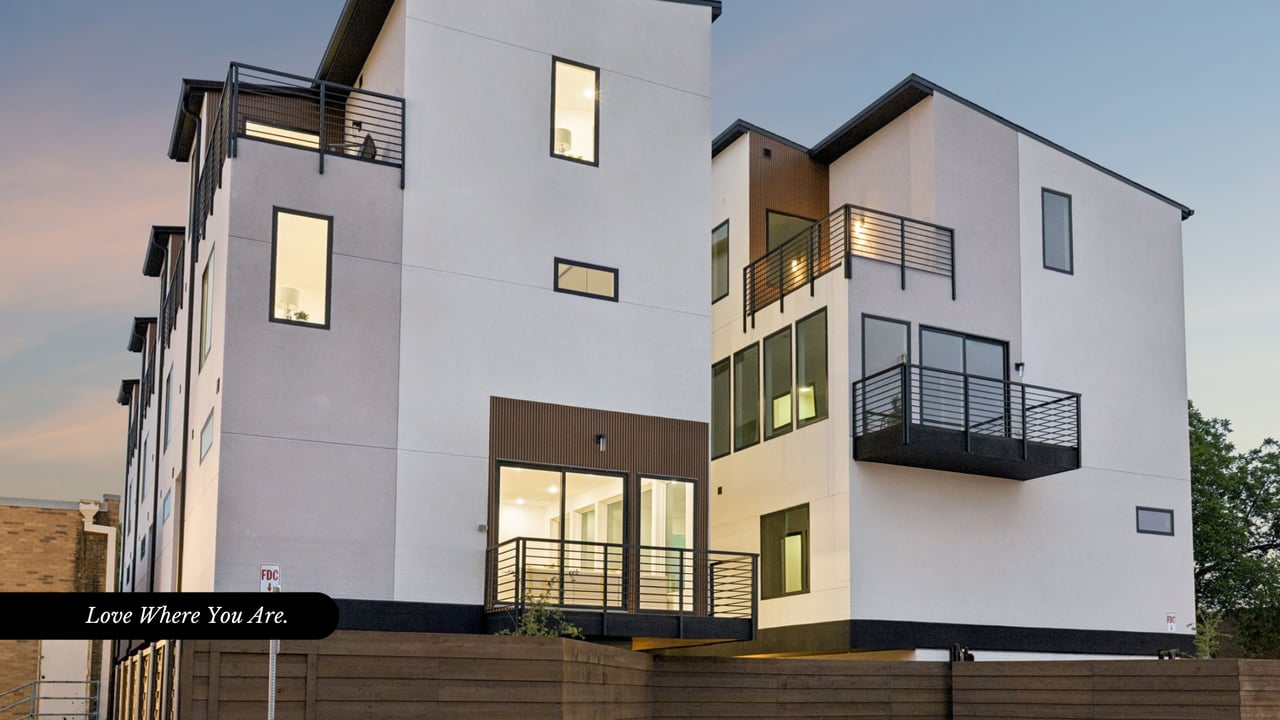
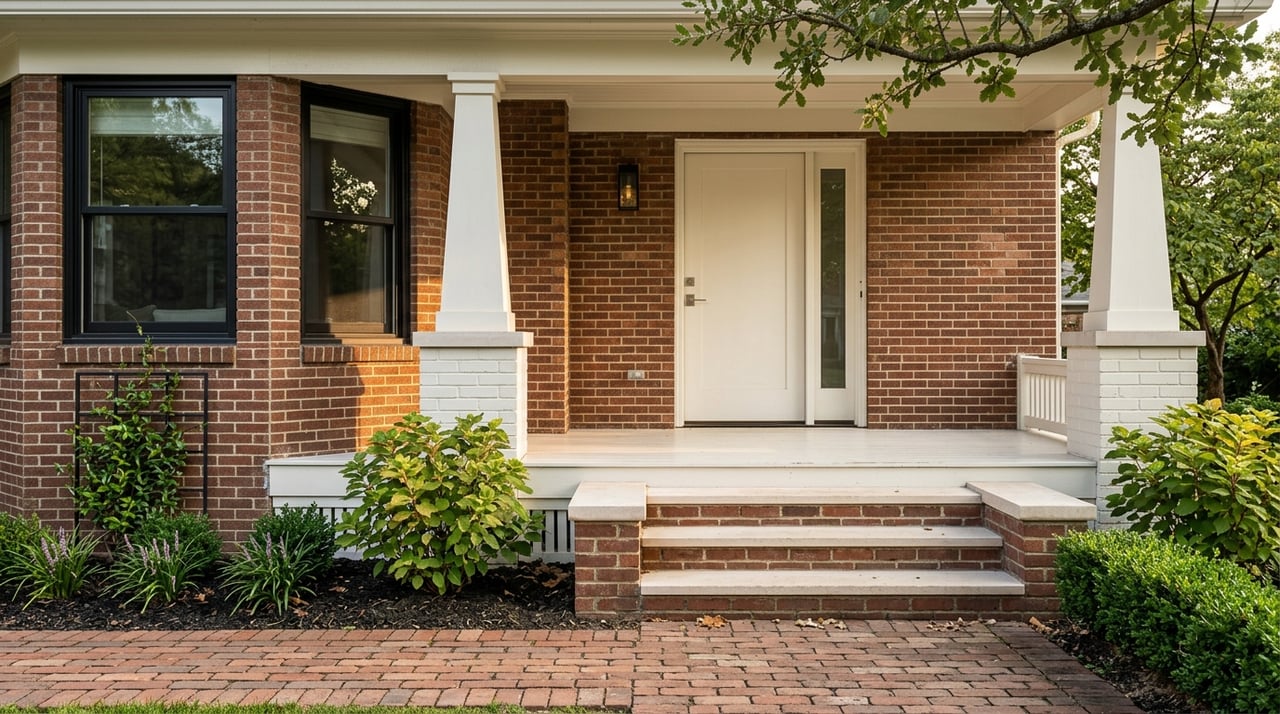
That variety matters because “historic” does not always mean untouched or outdated. Recent examples in the district include a 1930 Craftsman, a fully reimagined home, a 1940 Craftsman, and a 2016 Craftsman-style infill home. In practical terms, you may see original character on one block and newer finishes or newer construction on the next.
Lot Sizes and Setting Downtown
Lots in the historic core are often established and more compact than what many buyers expect in suburban neighborhoods, but they are not all the same. Recent examples include lots around 6,926 square feet, 6,970 square feet, 0.28 acres, and 0.41 acres. Mature trees and corner-lot settings also show up often.
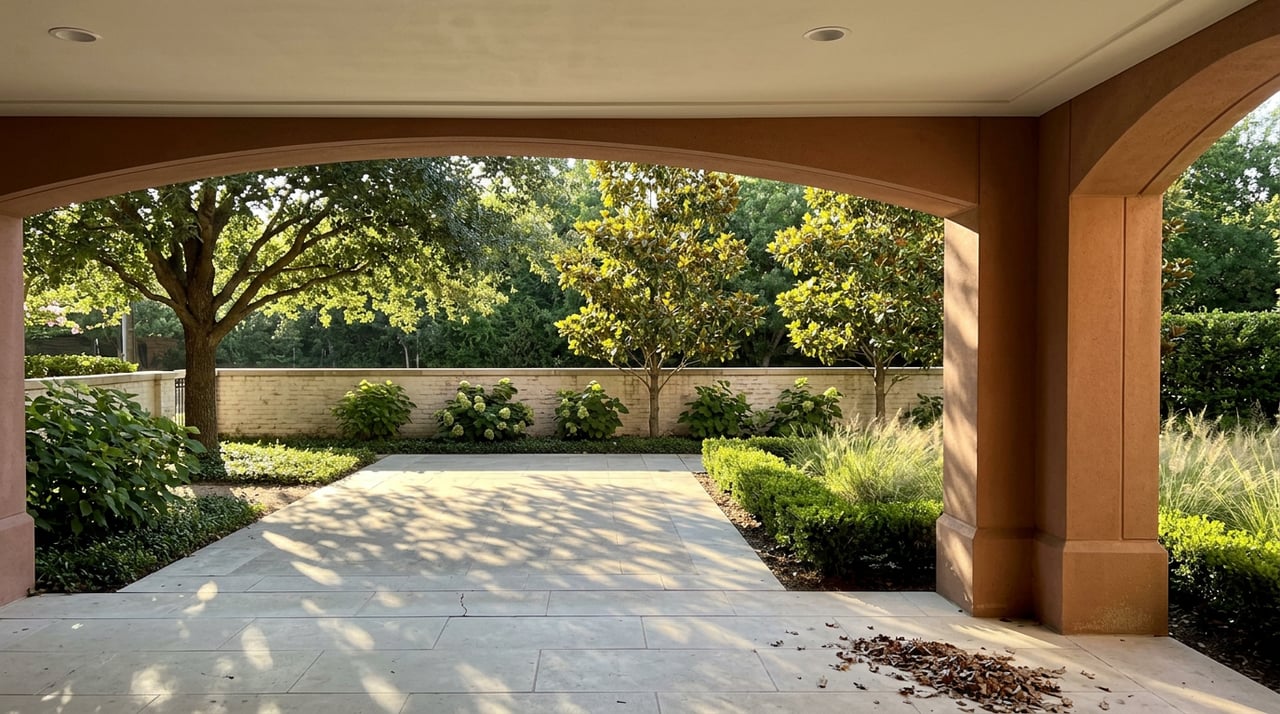
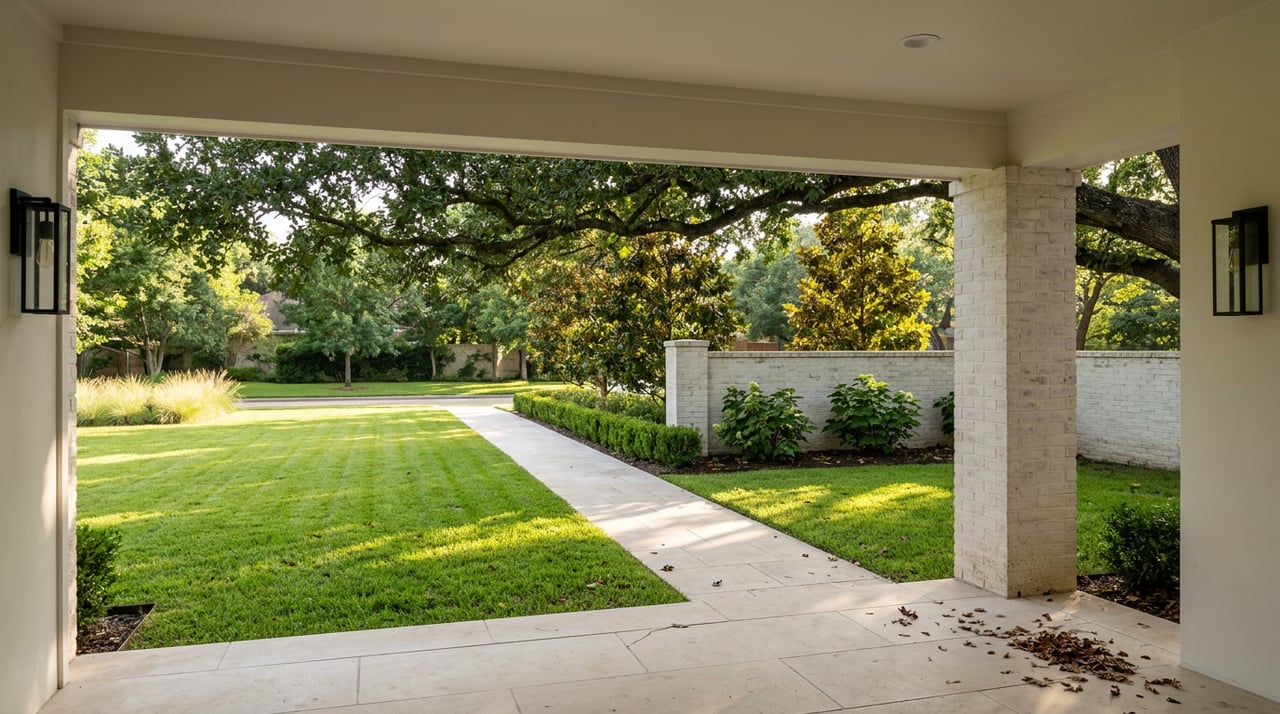
If you value an established streetscape, shade, and a neighborhood feel that has evolved over time, downtown may check those boxes. If you want more predictability from lot shape and home placement, newer subdivisions may feel simpler to compare.
Renovation Rules in Historic McKinney
The biggest ownership difference in the historic core is renovation oversight. McKinney’s Historic Overlay requires a Certificate of Appropriateness before exterior work visible from the public right of way. That includes new construction, reconstruction, expansion, alterations, material changes, and demolition.
Ordinary maintenance in kind is generally allowed without permission, which can help with routine upkeep. The city also notes that additions should be placed away from public view and designed to match the scale and massing of the existing structure. Residential paint colors are not regulated in the historic overlay, but fence height and transparency are regulated.
For some buyers, this review process is a fair trade for preserving neighborhood character. For others, it may feel restrictive if you want broad freedom to redesign the exterior. The city also notes that certain historic-area properties may be eligible for tax exemptions or other incentives, which is worth exploring when you evaluate total ownership costs.
Newer McKinney Subdivisions at a Glance
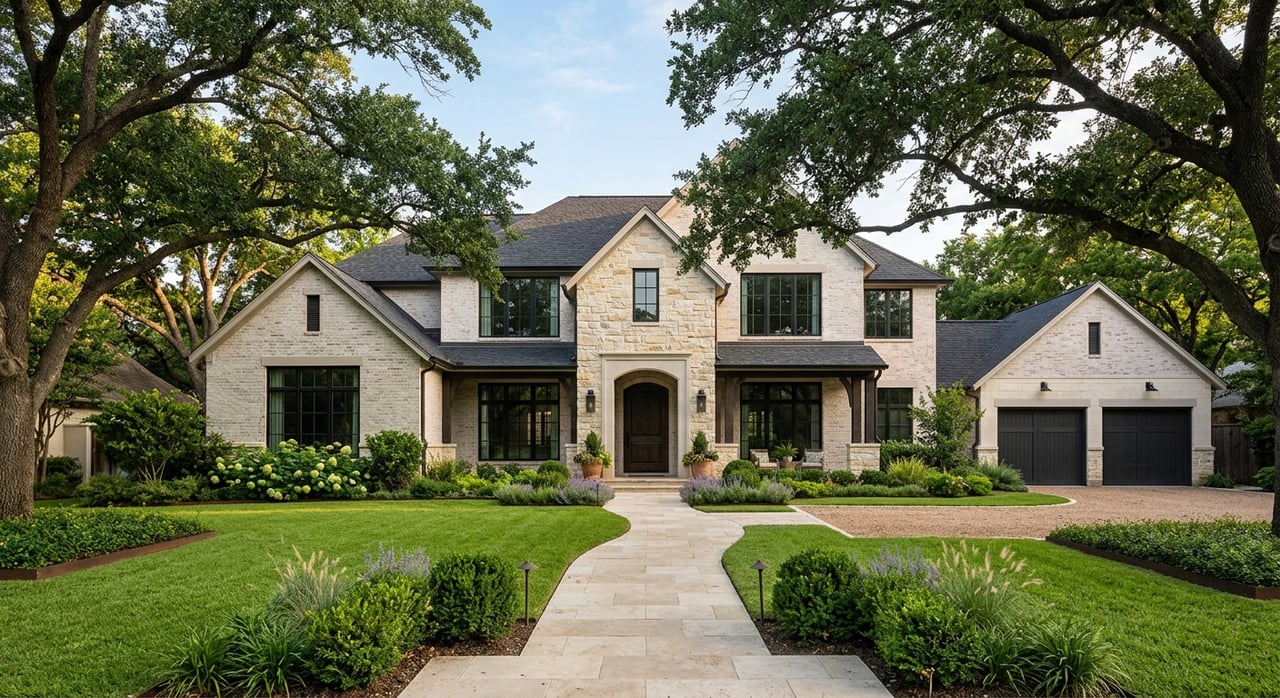
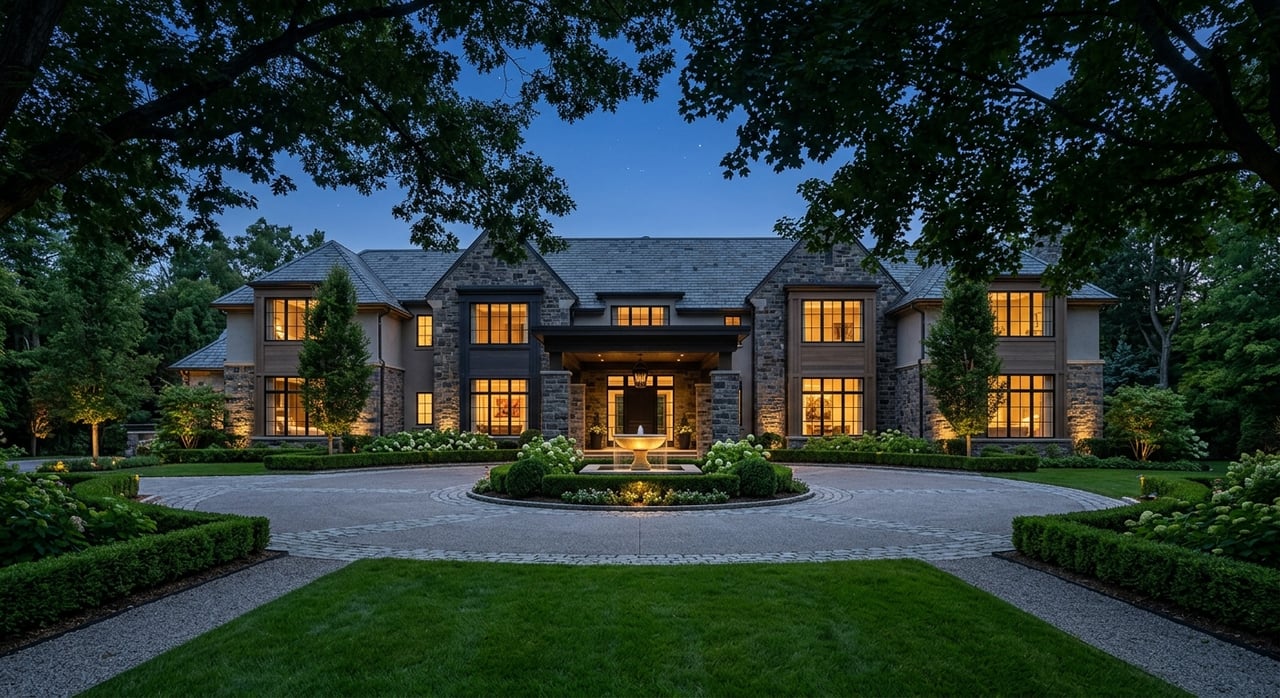
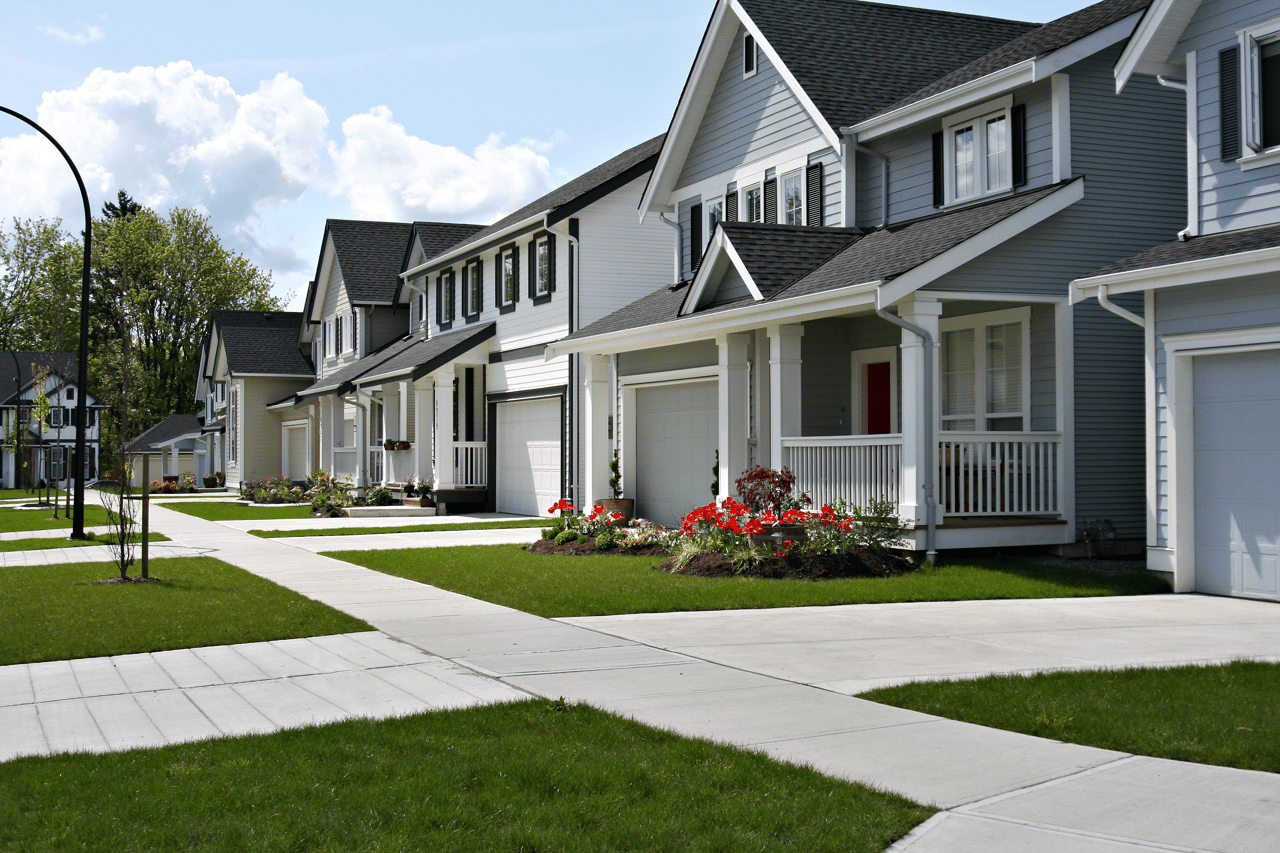
If you are leaning toward newer construction, McKinney offers large-scale communities with a very different experience from downtown. Trinity Falls and Painted Tree are two of the clearest examples. Both give buyers a modern neighborhood framework, builder options, and amenity-focused planning.
These communities tend to work well for buyers who want newer systems, more predictable floor plans, and neighborhood features built into the community design. Instead of preservation review, the structure is usually shaped by HOA rules and builder standards.
Trinity Falls Features and Price Range
Trinity Falls is a 2,000-acre community with homes starting in the 400s. It includes a 350-acre natural park and more than 20 miles of trails. Amenities include The Lodge, The Club, splash pads, playgrounds, a dog park, and an active 55+ component at Del Webb.
The price and product mix are broad. Current builder offerings include townhomes from the high $400s, Del Webb homes from the low $400s, Perry Homes from the mid $500s, Coventry from the mid $500s, Highland from the mid $600s, Chesmar from the high $600s to low $800s, and Drees from the low $700s. Homesites also vary, with options tied to lot widths such as 40-foot, 45-foot, 50-foot, 60-foot, and 65-foot homesites.
Painted Tree Features and Price Range
Painted Tree is about 3 miles north of downtown McKinney and offers another modern alternative. It is marketed with new homes from the $300s to $1M+, a 200-acre open-space framework, a 20-acre lake, and about 25 miles of trails. The community also emphasizes next-generation single-family homes, townhomes, energy-efficient construction, front porches, and detailed architectural design.
Current quick move-in homes range from about $394,610 to $619,990, while higher-end builder options run from about $749,990 to $986,900 and above. That wide spread makes it clear that newer subdivisions are not one-size-fits-all. You can find entry-level options, move-up homes, and higher-end inventory within the same broad community setting.
HOA Rules Versus Historic Rules
One of the most practical comparisons is this: historic areas are shaped by city preservation standards, while newer subdivisions are generally shaped by HOA governance. Trinity Falls lists a dedicated HOA office, including a separate Del Webb HOA. Painted Tree also references a residential community association.
For you, that means the question is not whether rules exist. It is what type of rules you would rather live with. In the historic core, rules focus on preserving visible exterior character. In newer subdivisions, rules often center on community standards and architectural consistency within the development.
Price Comparison: Old Versus New
It is easy to assume historic means cheaper or newer means more expensive, but McKinney does not work that way. The Historic District currently spans listings from the mid-$400,000s to well over $1 million. Newer communities range from the high $300,000s and low $400,000s up to homes near $1 million and beyond.
That overlap matters. Your decision may come down less to price alone and more to what you want your money to buy. In downtown, a premium may reflect walkability, charm, and location near the historic core. In a newer subdivision, the same budget may buy newer construction, community amenities, and a more turnkey ownership experience.
Which Option Fits Your Lifestyle?
If you love the idea of living near downtown activity, unique architecture, and established streets with mature trees, Historic Downtown McKinney may be the stronger fit. You may also appreciate the mix of preserved homes, updated homes, and select infill properties that create a less cookie-cutter feel.
If you prefer modern layouts, newer systems, amenity packages, and a neighborhood structure that is easier to understand at a glance, a newer subdivision may feel more comfortable. Many buyers also value the ability to compare builders, homesite widths, and move-in-ready options more directly.
Choose Historic Downtown McKinney If You Want
- More walkability and easier access to shops and dining
- Distinctive homes with architectural variety
- Mature trees and established streetscapes
- A neighborhood with strong preservation character
- Flexibility to consider restored homes or newer infill within the same area
Choose Newer Subdivisions If You Want
- Newer construction and more modern systems
- Amenity-rich neighborhoods with trails, parks, and gathering spaces
- More predictable floor plans and homesite options
- HOA-governed communities with builder standards
- A wider mix of brand-new and quick move-in inventory
The Best Choice Depends on Daily Life
The real choice is not simply historic versus new. It is whether you want your daily life centered around walkability, character, and preservation review, or around newer homes, community amenities, and HOA structure. McKinney offers both, and both can make sense depending on your priorities.
If you are relocating, moving up, or narrowing your search across McKinney, it helps to compare these options through the lens of how you actually live. The right home is the one that fits your routine, comfort level, and long-term goals. When you are ready for a guided, personalized search, Torelli Properties Group can help you evaluate the options with clarity and confidence.
FAQs
What is the main difference between Historic Downtown McKinney and newer subdivisions?
- Historic Downtown McKinney generally offers more walkability, older and more varied housing stock, and preservation review for certain exterior changes, while newer subdivisions typically offer newer homes, planned amenities, and HOA governance.
How walkable is Downtown McKinney compared with the rest of McKinney?
- Downtown McKinney has a Walk Score of 67 out of 100, compared with McKinney’s citywide average of 27.
Are homes in the McKinney Historic District all very old?
- No. Buyers can find older preserved homes, renovated homes, and newer infill properties in the district, so the area includes more than one era of construction.
Do historic homes in McKinney have renovation restrictions?
- Yes. The Historic Overlay requires a Certificate of Appropriateness for exterior work visible from the public right of way, though ordinary maintenance in kind is generally allowed without permission.
What are examples of newer master-planned communities in McKinney?
- Trinity Falls and Painted Tree are two major examples, each offering new homes, trails, open space, and community amenities.
Are newer McKinney subdivisions more affordable than historic downtown homes?
- Not always. Both options span a wide price range, with Historic District listings currently ranging from the mid-$400,000s to well over $1 million and newer communities ranging from the high $300,000s and low $400,000s to near $1 million and beyond.
What should buyers compare when choosing between old and new homes in McKinney?
- Focus on walkability, lot pattern, maintenance tolerance, HOA expectations, renovation flexibility, and whether you prefer character-rich homes or newer construction.