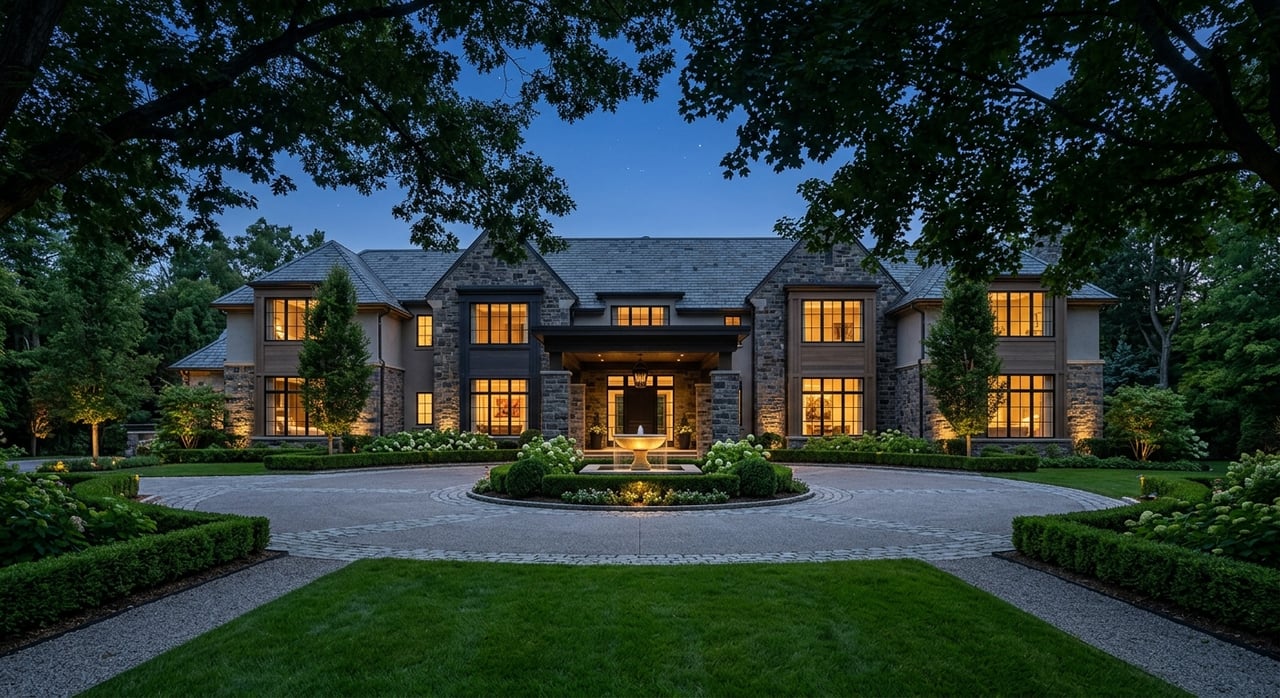
Are you picturing wide-open space in Colleyville, only to realize that "acreage" can mean very different things from one property to the next? If you want room for privacy, outbuildings, or even grazing animals, it helps to know that lot size is only part of the story. When you understand zoning, platting, drainage, tree rules, and improvement limits before you buy, you can shop with a lot more confidence. Let’s dive in.
Why acreage means more than lot size
In Colleyville, acreage is not a single official market category. The city divides land into zoning districts, and those districts control what you can do with a property, including uses, setbacks, height, parking, and other development standards.
For you as a buyer, that means two parcels with similar acreage can offer very different possibilities. The key question is not just how many acres a property has, but what the zoning allows and how much of the site is actually usable.
RE and AG zoning matter most
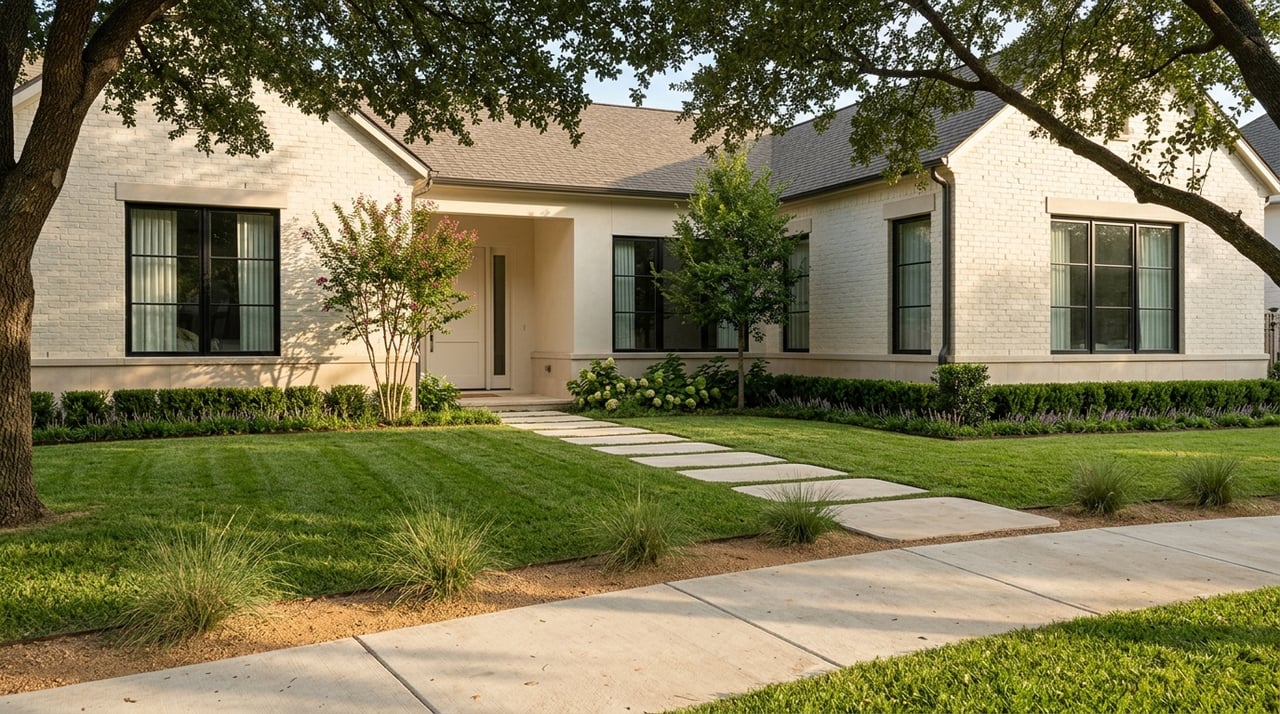
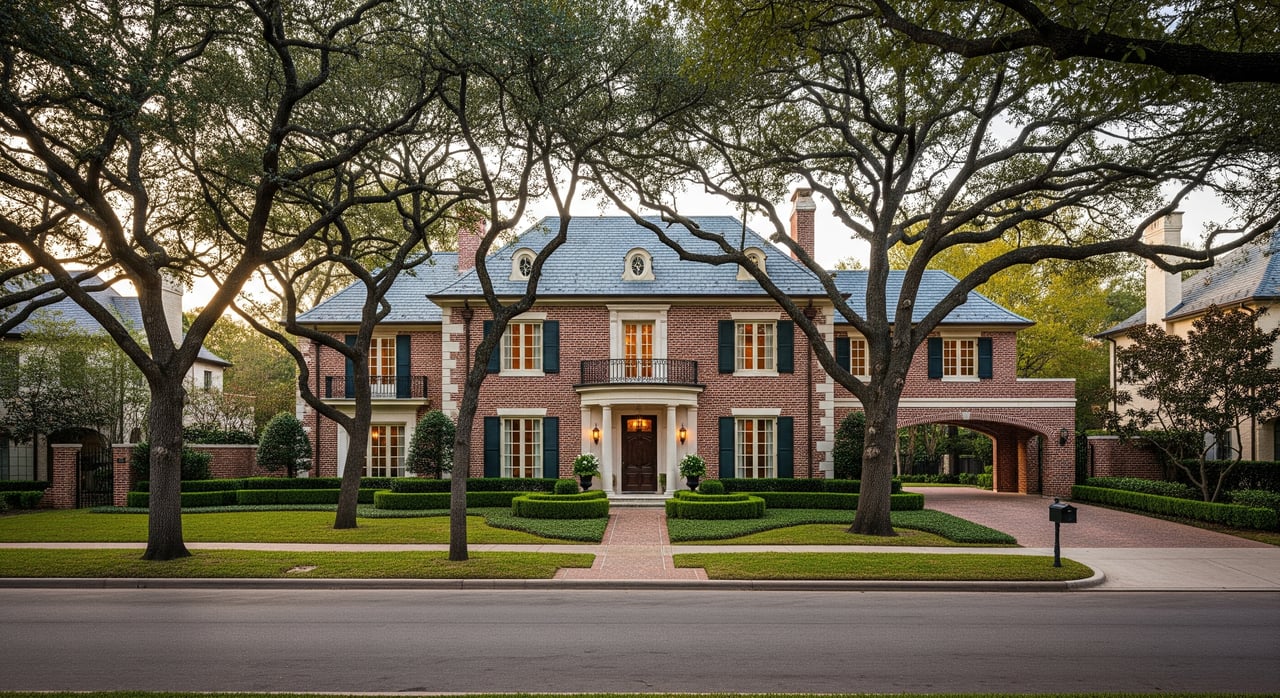
For many larger-lot residential buyers, the most relevant districts are RE and AG. RE is the Single Family Estate Residential District, intended for low-density estate uses, select agricultural uses, open space, and selected community facility uses.
AG is the Agricultural District, intended for farming, ranching, and extremely low-density residential purposes. This is one reason some Colleyville acreage properties feel more spacious and semi-rural while still being within a suburban city setting.
Do not assume rural infrastructure
A larger lot does not always mean rural-style utilities. Colleyville notes that many low-density districts are normally connected to approved public or private sewage collection and treatment systems rather than individual septic systems.
That detail matters if you are moving from a more rural area and expect acreage to function the same way. In Colleyville, bigger lots often come with a blend of estate-style space and more suburban infrastructure.
What to verify before you make an offer
Before you get too far into a contract, Colleyville recommends contacting Community Development to verify the zoning and allowed use for a parcel. If the current zoning does not allow your intended use, a zoning change is a public process with notice, hearings, Planning and Zoning Commission review, and final City Council action.
In plain terms, you should not assume you can easily change the use later. On acreage properties, the original zoning often matters more than buyers expect.
Check plat status early
Plat status is one of the most important due diligence items on larger parcels. The city explains that a subdivision plat establishes lot lines, easements, and the legal description used in real estate transactions.
Colleyville also says building permits generally cannot be issued unless the property has been platted of record, except for limited lot-of-record exceptions. That makes it smart to verify the survey, plat, easements, and title details early in the process.
Review drainage and grading
Drainage can have a major impact on how usable a property feels. Colleyville's lot drainage procedure requires a Texas-licensed engineer or surveyor to confirm that a developed lot complies with the city-approved drainage plan, or a licensed engineer must provide one if no approved plan exists.
The city's new dwelling guidelines also note that the city engineer may require lot grading and drainage design by a professional engineer. If you are considering building, expanding, or making significant site changes, drainage should be part of your decision from the start.
Understand tree preservation rules
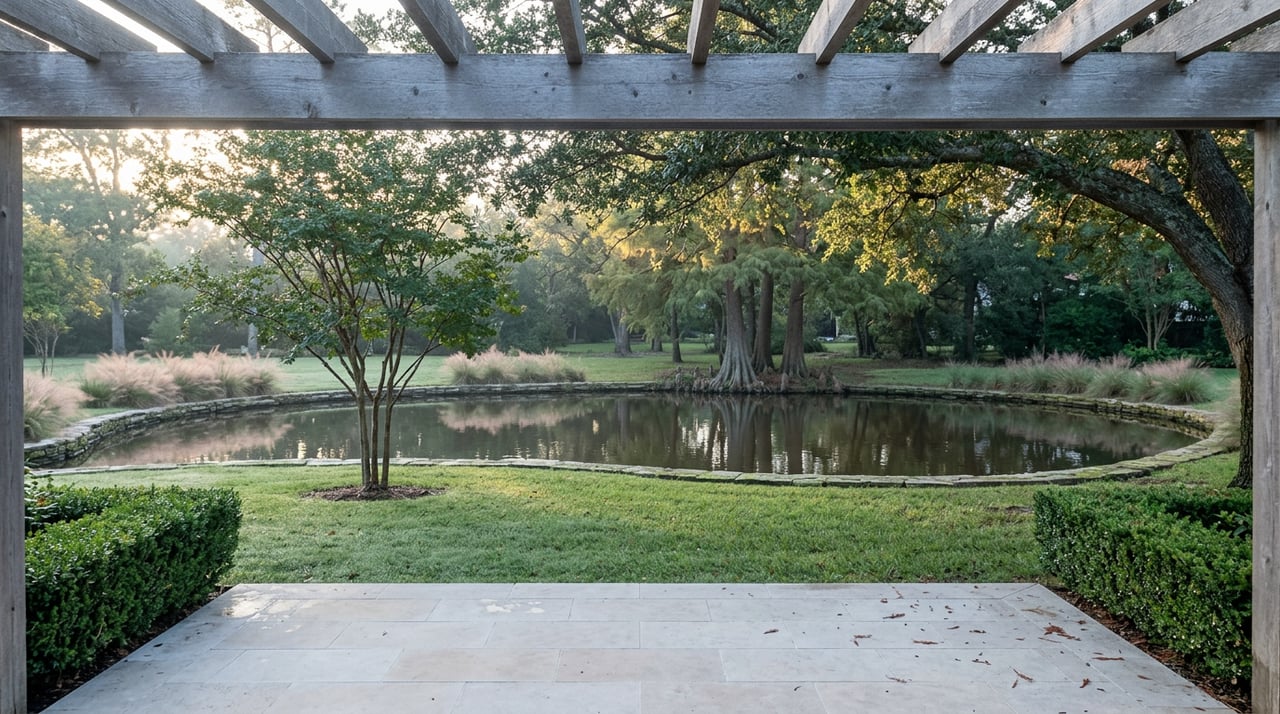
Mature trees are a big part of Colleyville's character, and they often add to the privacy and appeal buyers want in an acreage property. At the same time, the city actively regulates tree preservation on private property.
Most new homes, expansions, and clearing or grading projects require an Urban Forestry Review. The city usually requires a Tree Survey and an Urban Forestry Plan, and tree removal may require a permit unless an exemption applies.
Features buyers often want on acreage lots
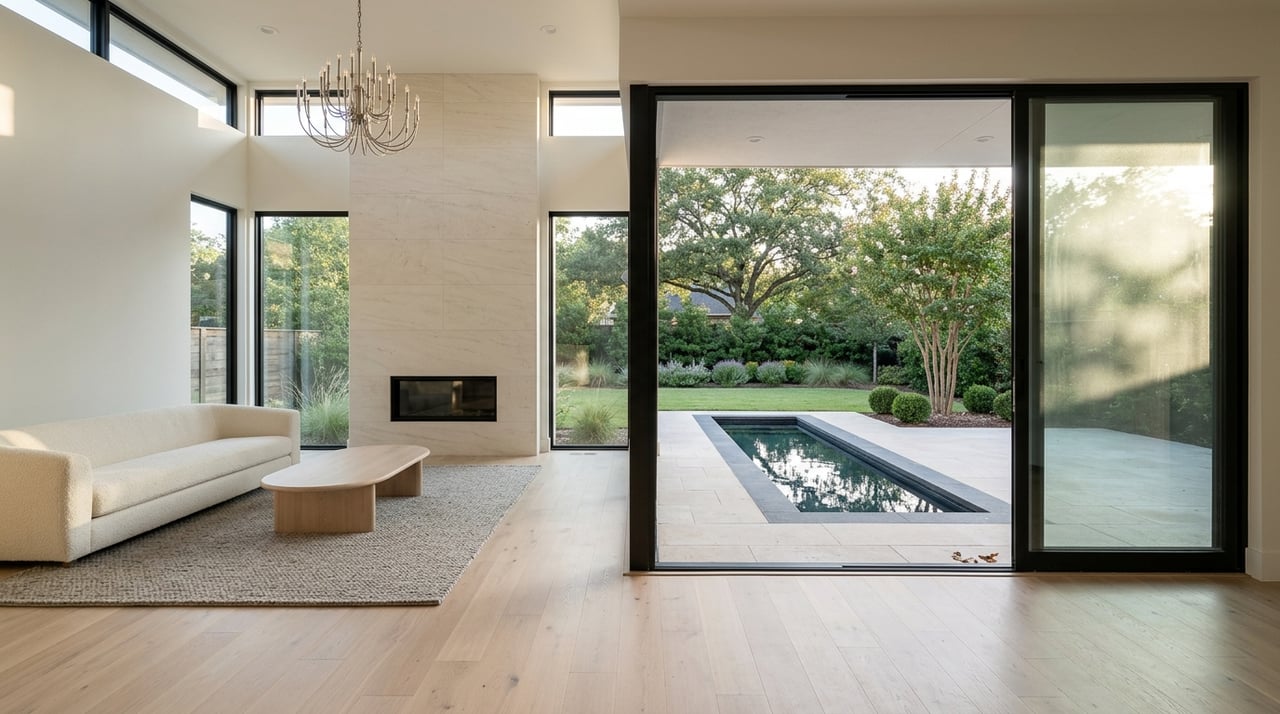
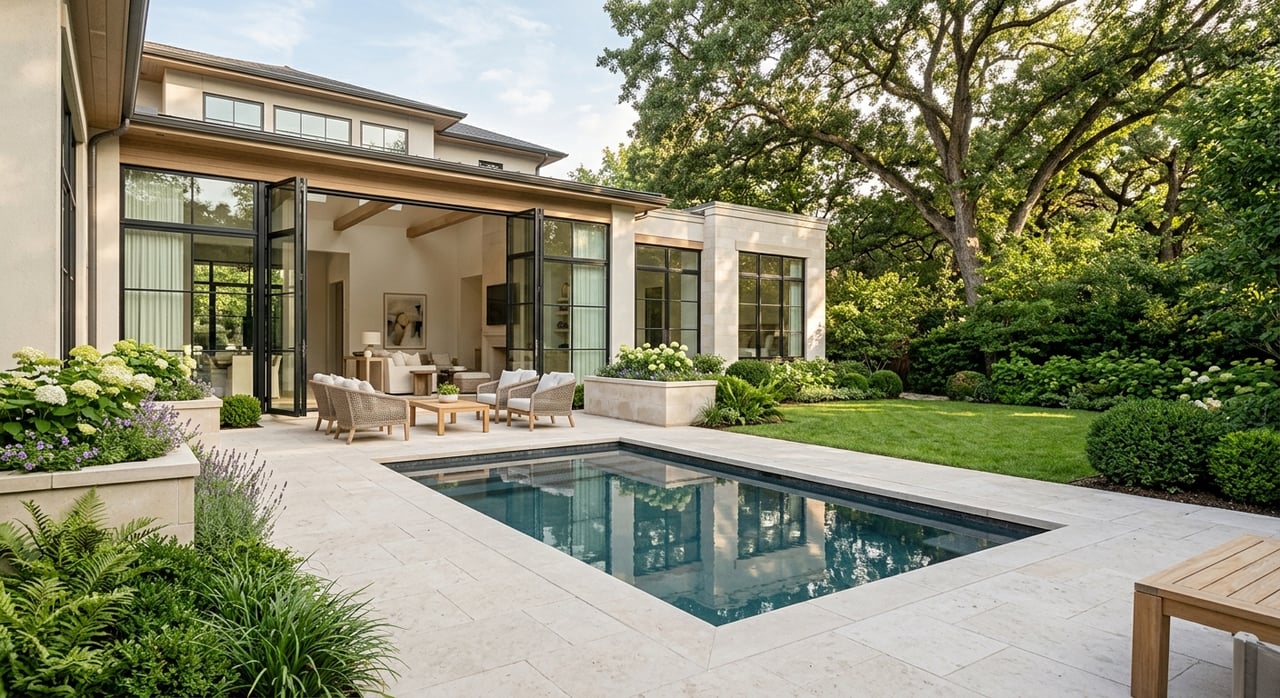
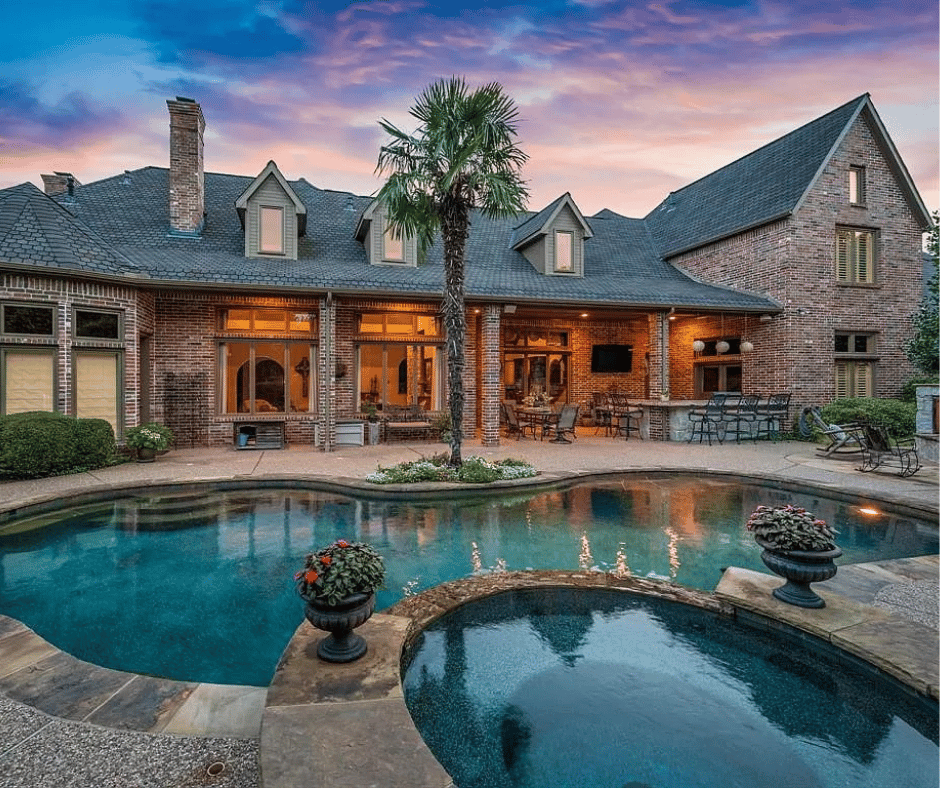
One of the biggest draws of acreage is flexibility. In Colleyville, larger-lot homes may support privacy-oriented features such as pools, gazebos, greenhouses, private garages, and accessory dwellings because those uses are specifically addressed in the estate and residential code sections.
RE zoning also allows private stables for grazing animals, home occupations, and storage of certain recreational vehicles, subject to code limits. That can create attractive options, but every improvement still needs to fit the zoning and permitting rules.
Accessory buildings and guest spaces
Accessory buildings are tightly regulated in Colleyville. In residential districts, a permit is required for accessory buildings over 120 square feet.
The code generally limits a lot to three accessory buildings and caps their combined square footage at 4% of the lot area. Accessory dwellings are limited to the most restrictive of 50% of the primary structure, the lot's accessory-building maximum, or 1,200 square feet.
There is also a useful threshold to know. Lots of at least 80,000 square feet, which is about 1.84 acres, are exempt from some accessory-building number and placement limits.
If you are thinking about a guest suite, workshop, or larger outbuilding, that threshold may shape which properties make the most sense for you. It is one of those details that can meaningfully affect long-term satisfaction.
Fences and privacy design
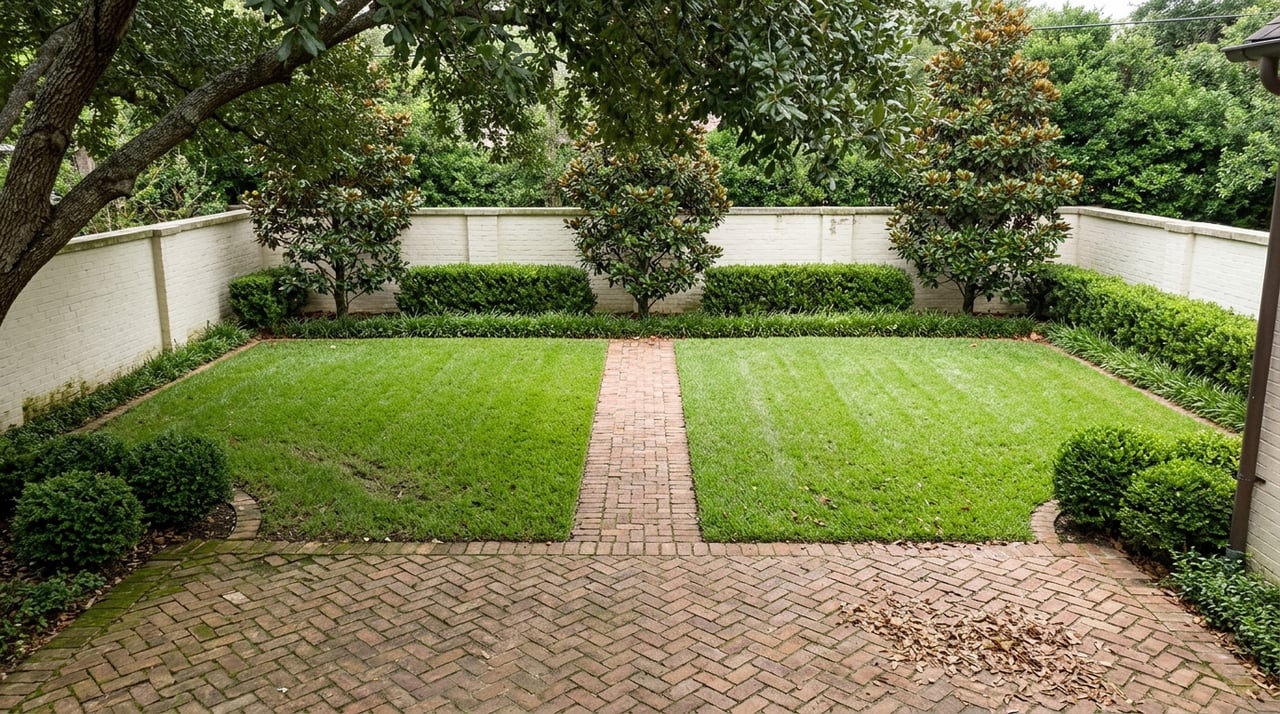
Privacy is a common reason buyers search for acreage, but privacy is not just about land size. Colleyville requires a fence permit for permanent fences, and the permit application may require a survey, though AG zoning can allow a scaled plot plan instead.
The fence code also includes setback and opacity rules for certain street-facing or perimeter walls. So if your vision includes a highly secluded outdoor setup, the design and permit path are just as important as the lot dimensions.
Boat, trailer, and RV storage
If you want space for a boat, camper, trailer, or similar equipment, make sure you review the storage rules. In residential districts, that equipment generally must be kept in a carport or enclosed building, or in a side or rear yard on an all-weather hard-surface driveway.
Lots of 40,000 square feet, or about 0.92 acres, are exempt from the hard-surface driveway requirement for that type of storage. Even so, street parking and storage are still limited by time and location rules.
Horses and grazing animals
Some buyers are drawn to acreage because they want horse-friendly property. Colleyville's estate and agricultural districts can allow private stables and grazing animals, but those uses still come with controls.
The city requires nuisance prevention, proper manure disposal, and minimum space per animal. In other words, horse-friendly zoning can be a real advantage, but it does not mean unlimited livestock use.
What affects value on acreage properties
In Colleyville, price is usually shaped by more than raw lot size. Usable land, tree cover, drainage, easements, and zoning flexibility can all influence what a property is worth and how it lives day to day.
That is why two similarly sized parcels can feel very different in value. One may offer more buildable space, better privacy, or easier improvement options, while another may have more constraints tied to site conditions or code requirements.
Privacy is about more than acres
A larger lot does not automatically create a more private setting. Tree preservation rules, fence standards, and building-location requirements all help shape how secluded a property actually feels.
In many cases, a well-wooded parcel with smart siting may feel more private than a larger but more exposed tract. When you tour acreage homes, it helps to evaluate the setting, not just the dimensions.
Maintenance can be higher
More land often means more ongoing care. You may be looking at additional mowing, irrigation, tree maintenance, fence upkeep, drainage work, and permit coordination if you plan to add improvements later.
Colleyville's construction guidelines also require erosion control on residential construction sites. That reinforces the idea that larger properties usually bring a higher level of planning and maintenance.
A smart buying approach in Colleyville
If you are searching for acreage in Colleyville, a clear process can save you time and expensive surprises. The goal is to confirm that the property fits not just your lifestyle today, but also the way you want to use it in the future.
A practical review should include:
- Zoning district and allowed uses
- Plat status and legal lot description
- Survey, easements, and title details
- Drainage and grading conditions
- Tree preservation requirements
- Rules for accessory buildings, fences, and storage
- Whether any animal-related use fits city standards
- Property tax value and exemption information through the Tarrant Appraisal District
This kind of due diligence is especially helpful if you are relocating, buying for privacy, or planning future improvements. It gives you a clearer picture of what you are really buying beyond the listing photos.
Buying acreage in Colleyville can be a great way to gain more room, flexibility, and a more private setting, but the best opportunities are usually the ones that align lot size with zoning, site usability, and your long-term goals. When you approach the search with a detailed plan, you can make a more confident decision and avoid assumptions that lead to costly changes later.
If you want help evaluating acreage properties in Colleyville with a clear, concierge-style process, Torelli Properties Group can help you navigate the details and identify the right fit.
FAQs
What zoning should you check when buying acreage in Colleyville?
- In many cases, RE and AG are the most relevant districts for larger-lot buyers, but you should confirm the exact zoning and allowed use with Colleyville Community Development before making assumptions.
What should you verify before buying a Colleyville acreage property?
- Focus on zoning, plat status, survey, easements, drainage, grading, tree preservation requirements, and any rules that affect your planned improvements or property use.
Can you add a guest house or workshop on a Colleyville acreage lot?
- Possibly, but the use, size, setbacks, and permit requirements must fit Colleyville's accessory-building rules, and accessory dwellings have specific size limits.
Can you keep horses on acreage in Colleyville?
- Some RE and AG properties can allow private stables and grazing animals, but city rules still apply for nuisance prevention, manure disposal, fencing, and minimum space per animal.
Do larger lots in Colleyville always offer more privacy?
- Not always. Privacy also depends on tree cover, fence rules, building placement, and how much of the property is usable and screened from surrounding areas.
Where should you check property tax and exemption information for a Colleyville property?
- Colleyville directs residents to the Tarrant Appraisal District for residential property tax, value, exemption, and account information.