If you have ever driven through Highland Park and wondered why the streets feel so polished and the homes feel so distinct from one block to the next, you are noticing a place shaped by planning as much as architecture. Whether you are buying, selling, or simply trying to understand what gives this neighborhood its curb appeal, it helps to know what you are really looking at. This guide breaks down Highland Park’s home styles, lot patterns, and public-facing design so you can read the neighborhood with more confidence. Let’s dive in.
How Highland Park’s Layout Shaped Its Look
Highland Park was not built one lot at a time without a plan. The Town says the community was laid out in 1907 by Wilbur David Cook as a garden-suburb development, with the first lots sold in 1909 and incorporation following in 1913. Later phases extended west of Preston Road in 1915 and 1917, with the final major land development arriving in 1924.
That timeline matters because it helps explain why some areas feel older, more formal, and more established than others. Instead of a single wave of construction, Highland Park developed in layers. As you move through town, that layered history can show up in lot size, home style, and the overall rhythm of the street.
Why Streetscapes Feel So Ordered
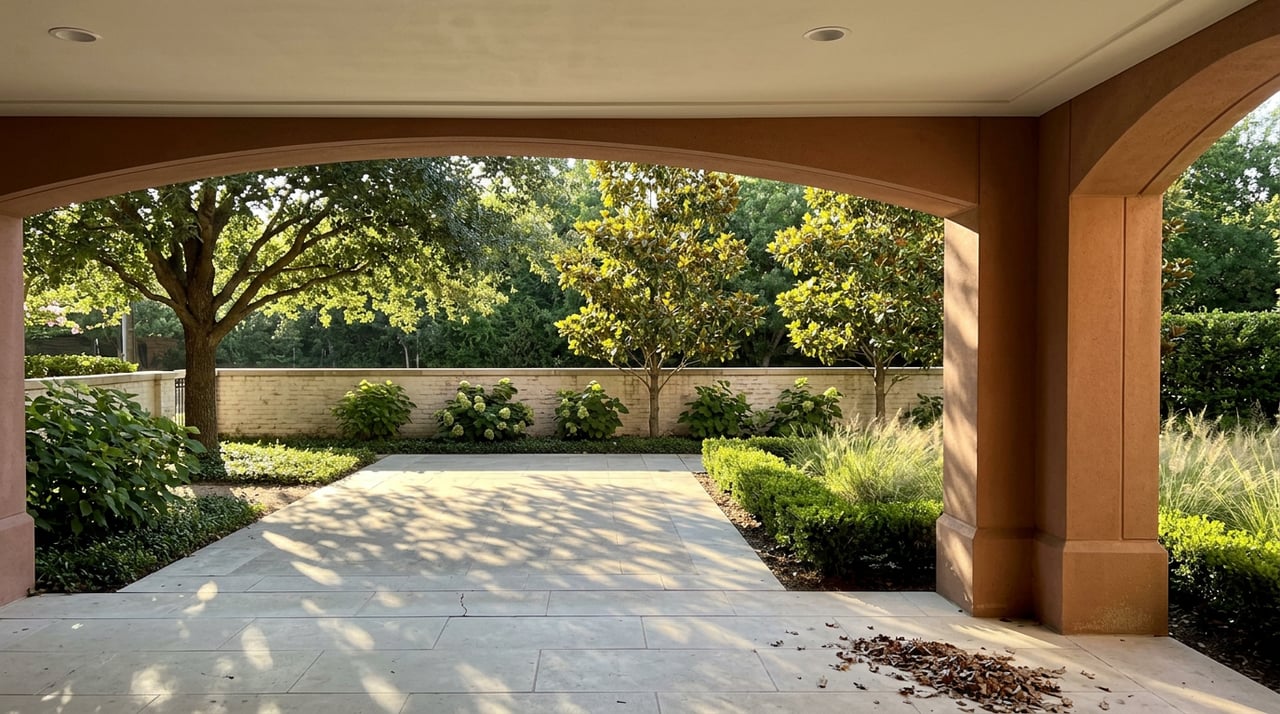
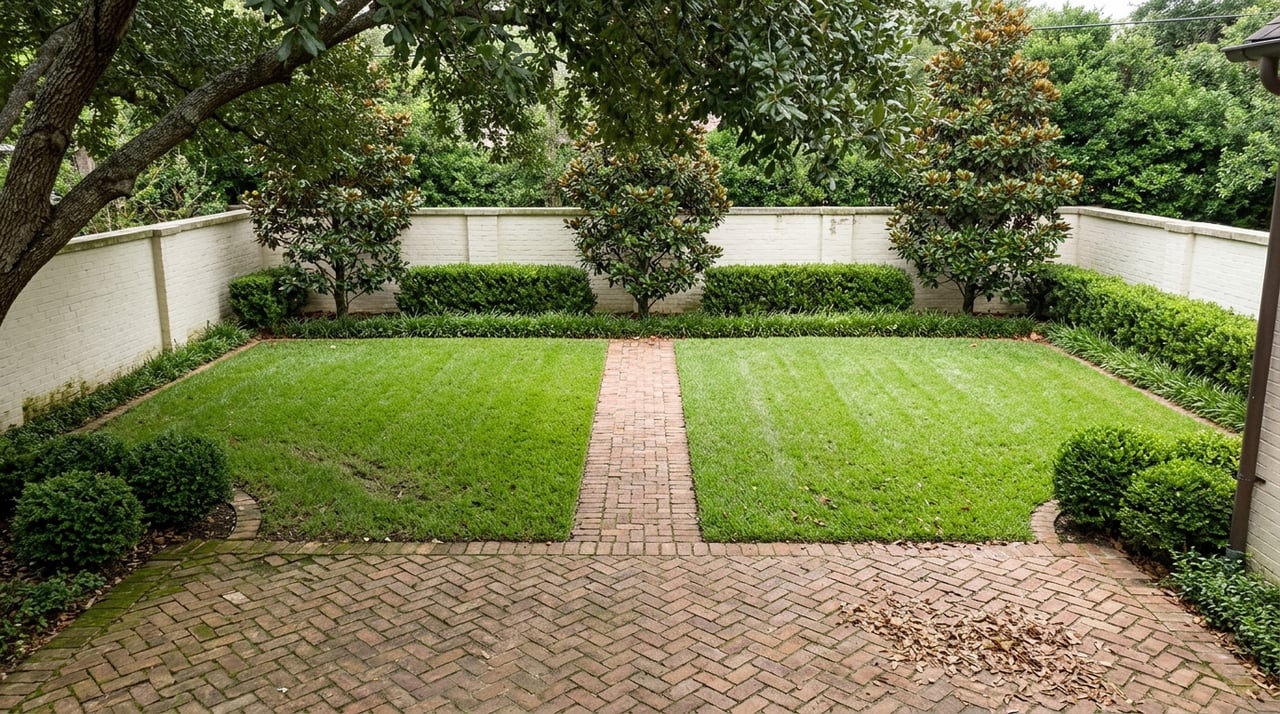
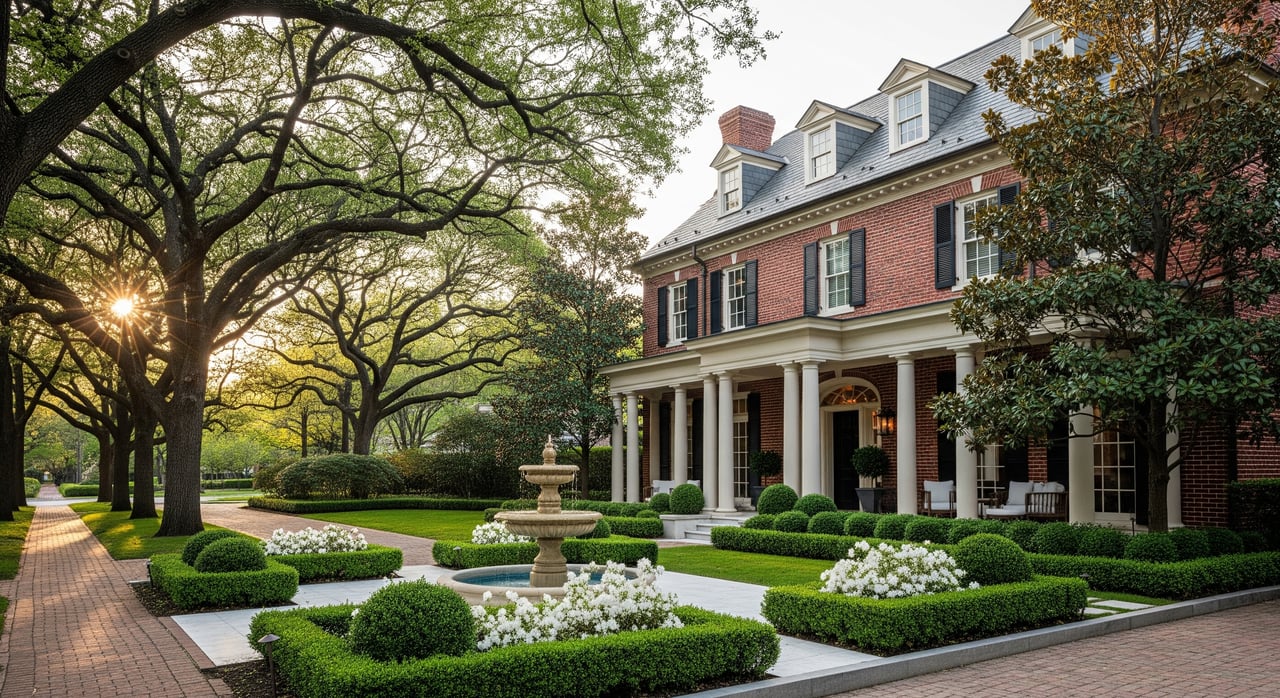
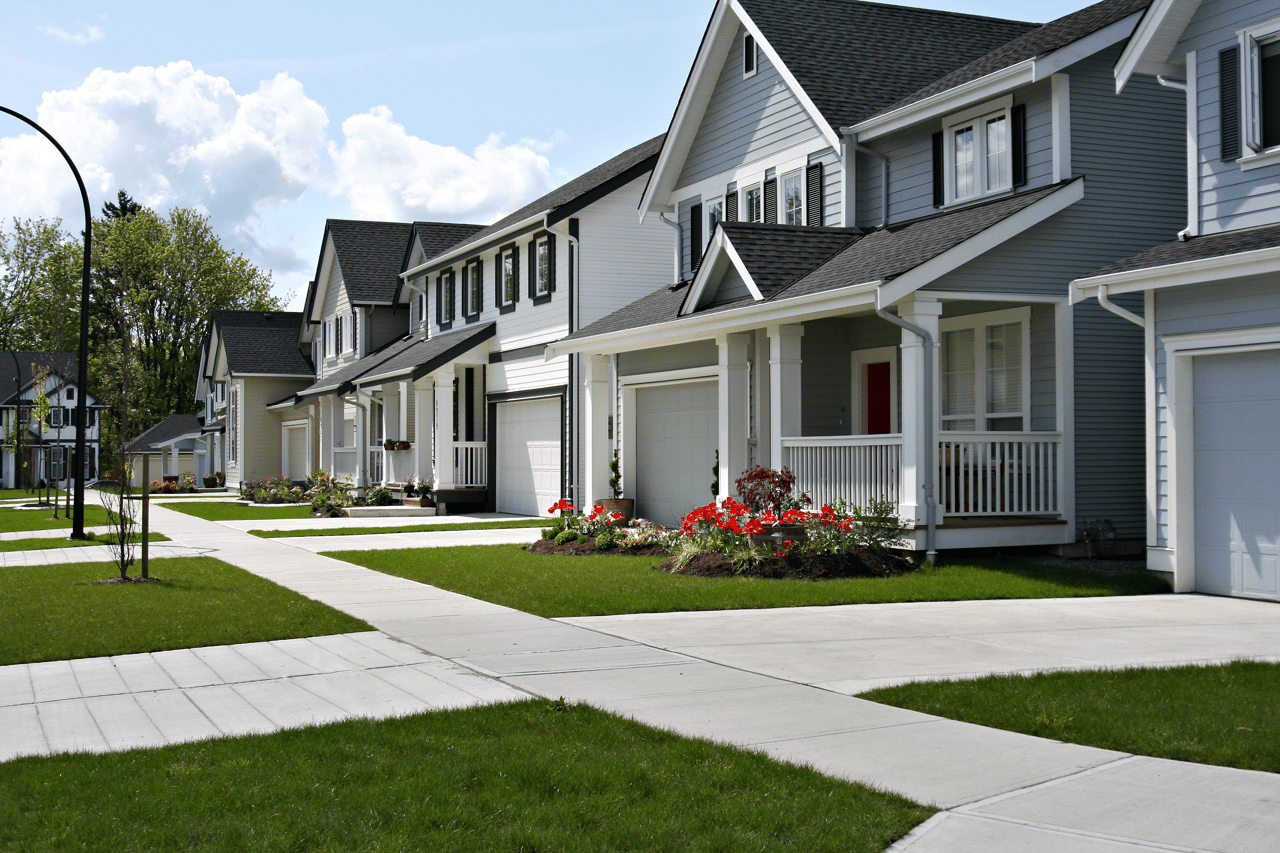
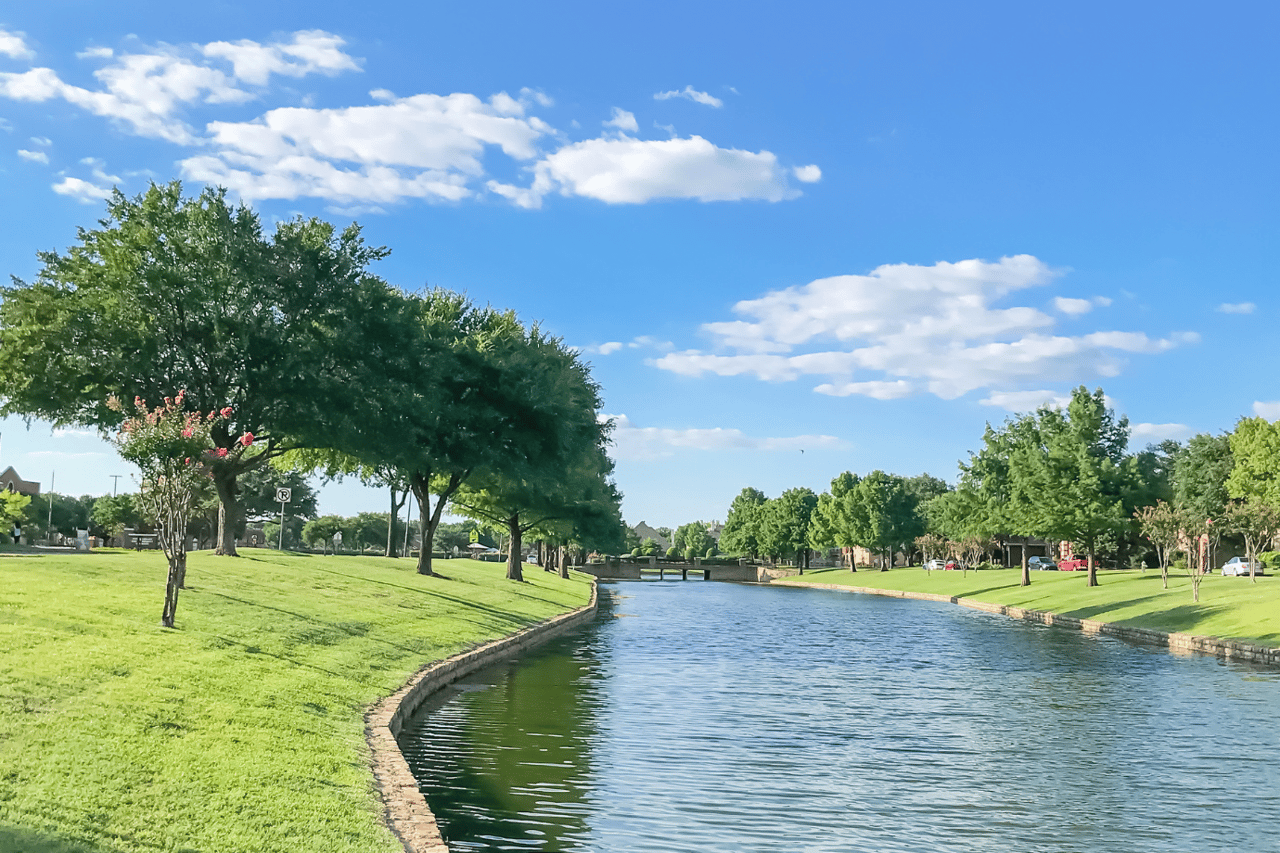
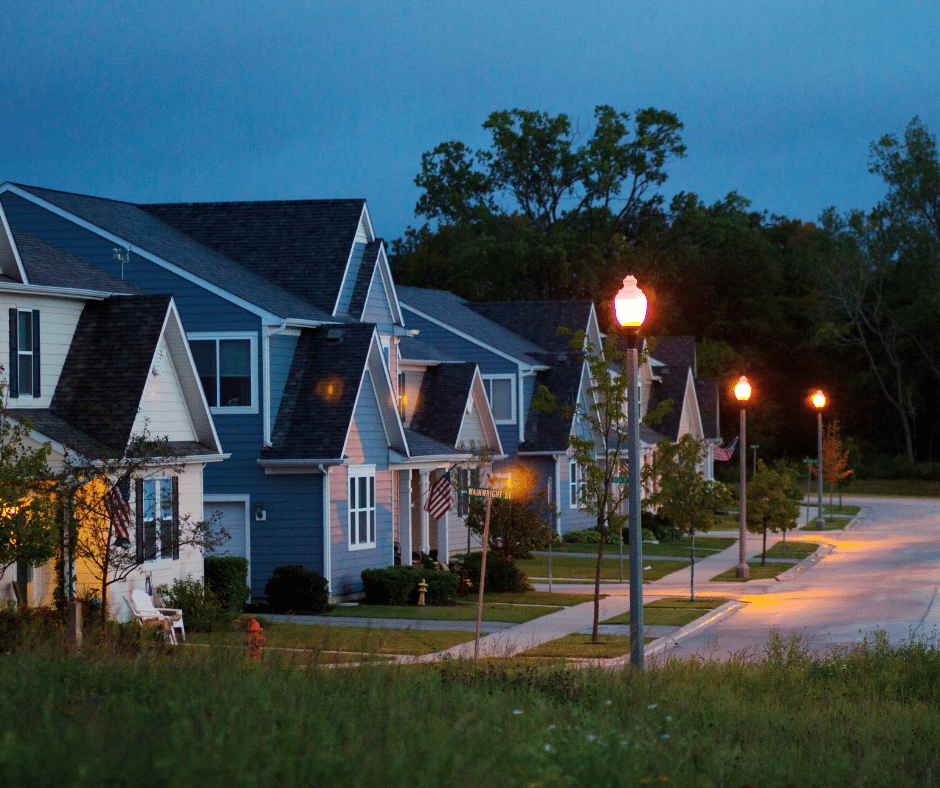
One of Highland Park’s defining features is how much the public realm contributes to the neighborhood’s identity. The Town reports 22 park locations, 12 landscaped traffic islands, and 59.3 acres of green space. Lakeside Park, at 14.32 acres along Turtle Creek, stands out as a major visual anchor.
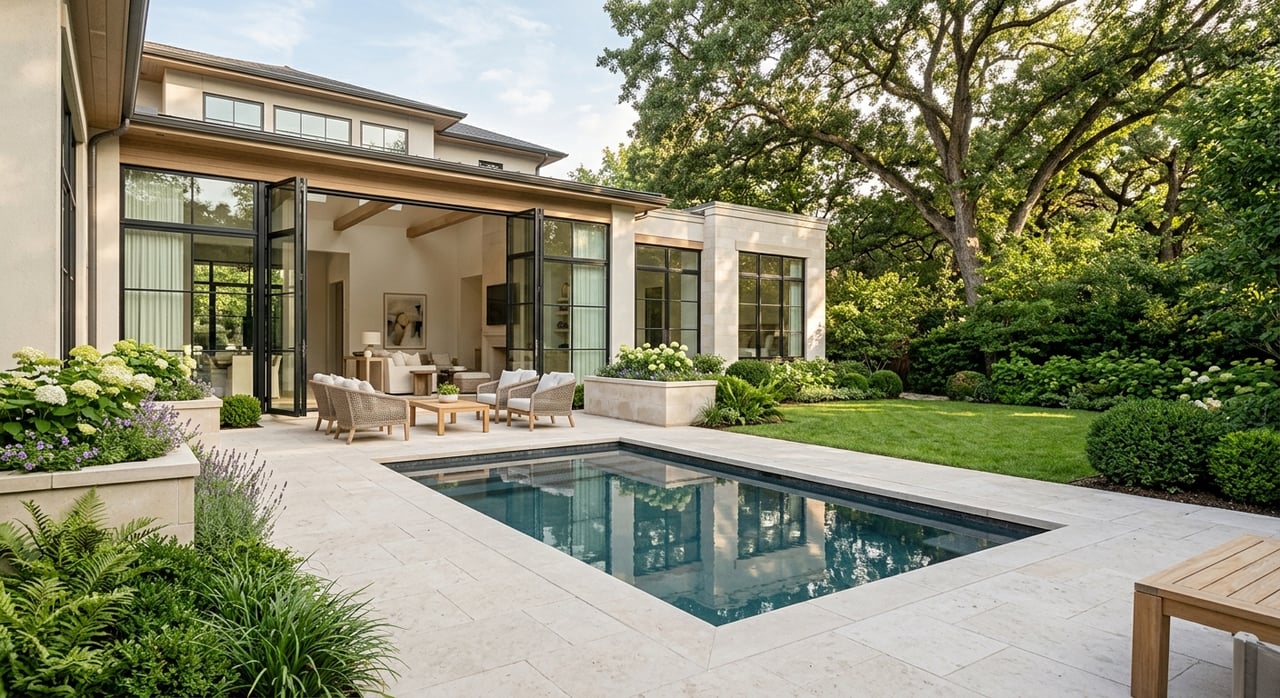
Mature trees also play a big role in how the streets feel. They soften the built environment and help homes sit more naturally within the landscape. The Town reinforces that appearance with year-round street sweeping and code enforcement focused on tree limbs, weeds, and debris along the curbside environment.
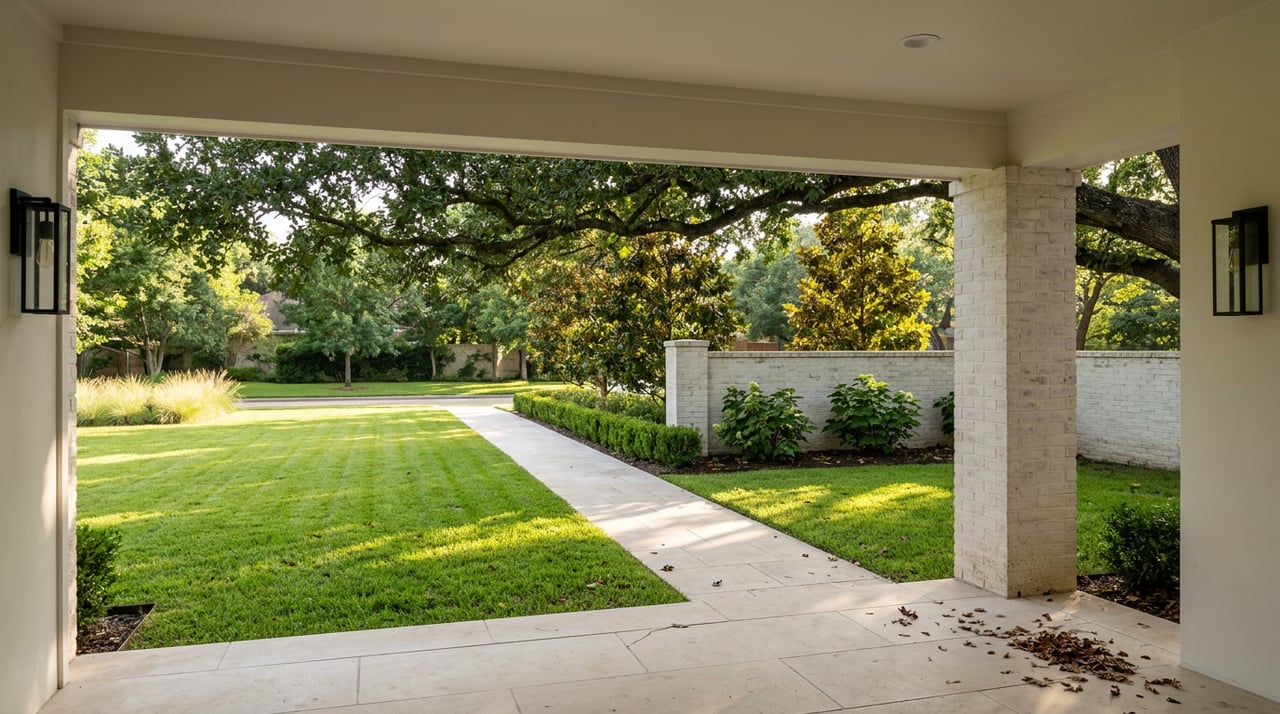
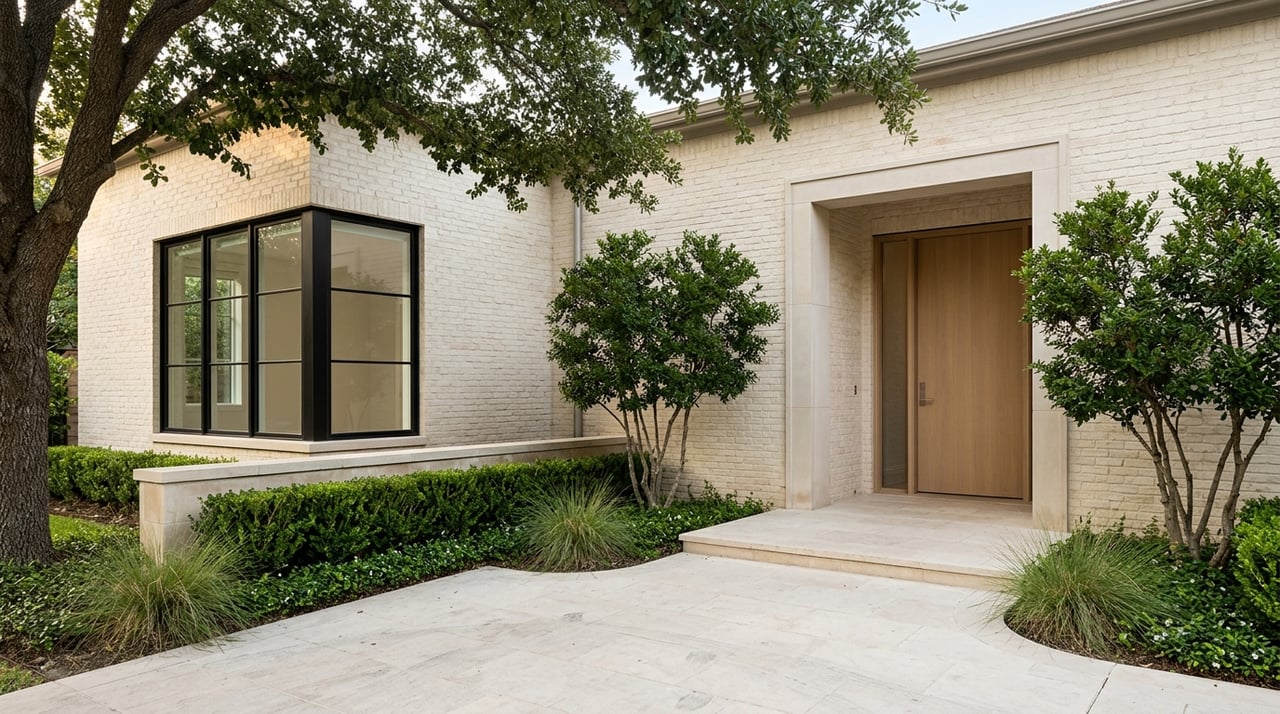
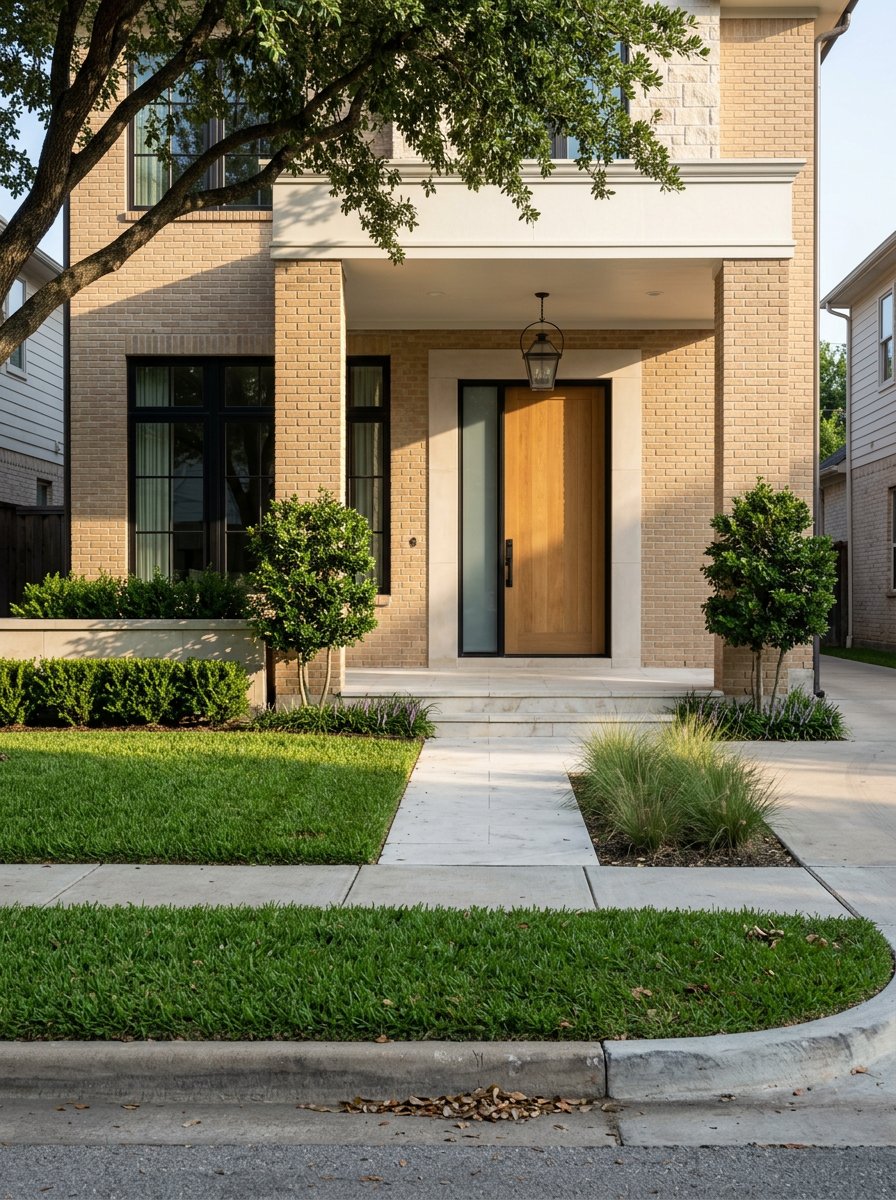
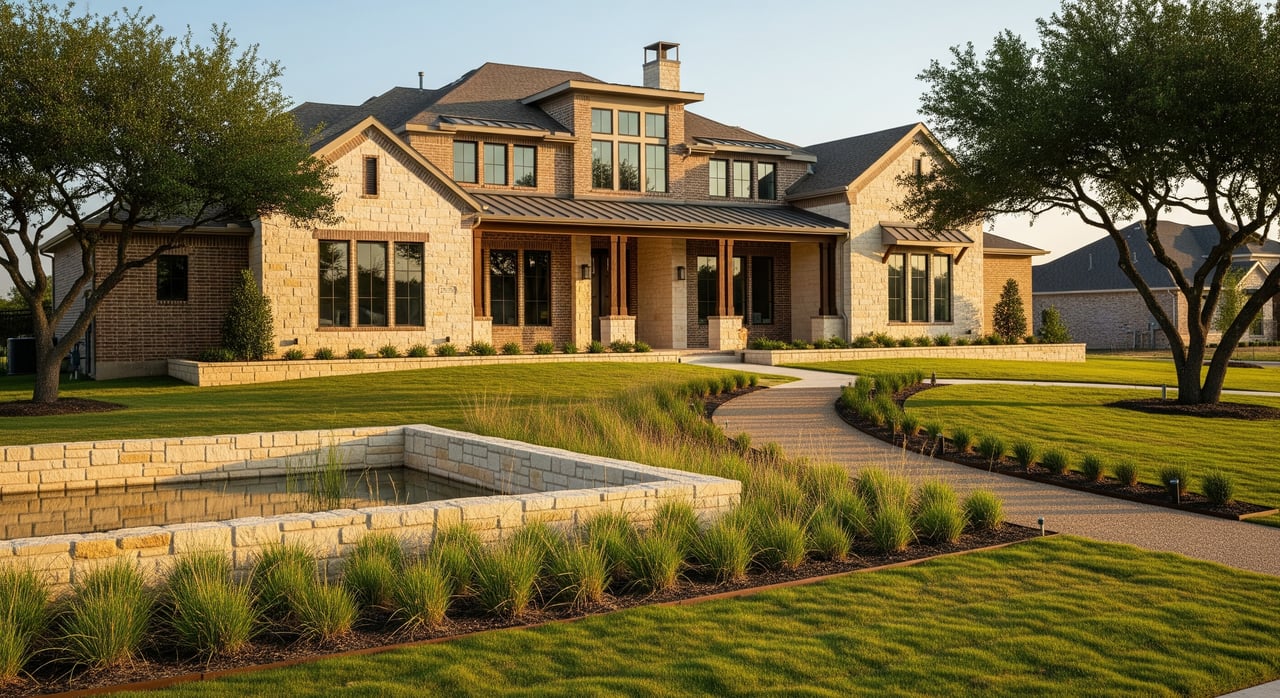
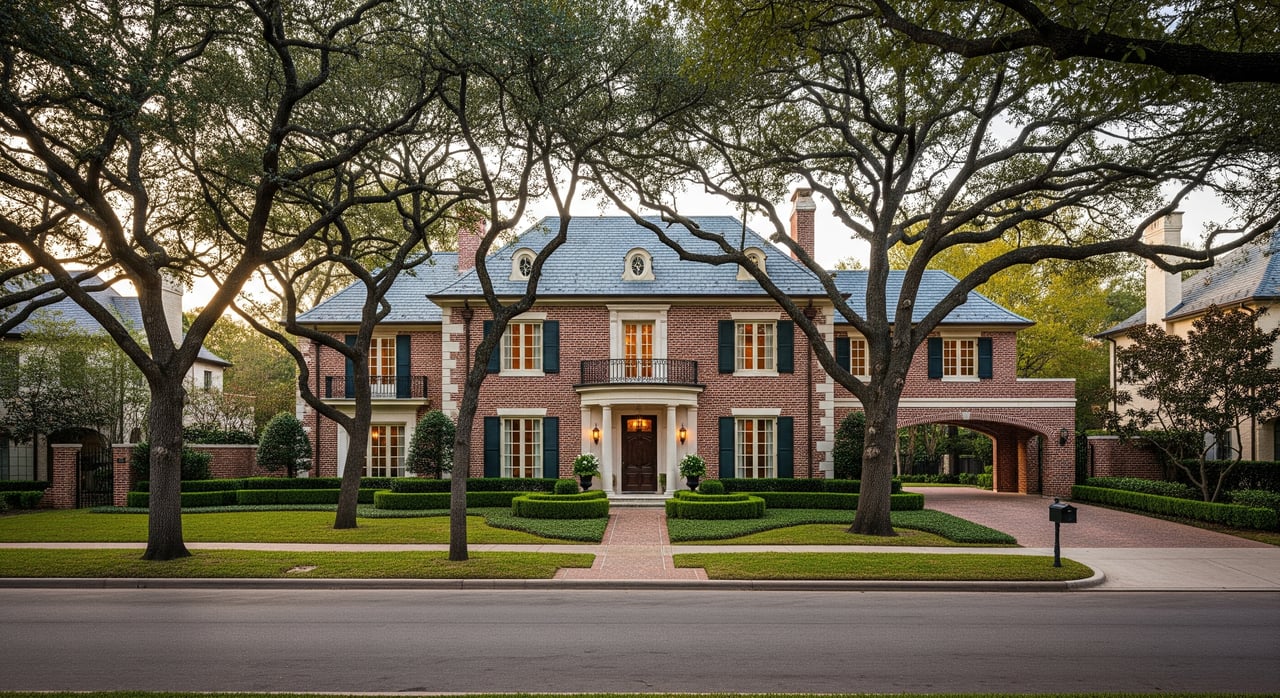
For you as a buyer or seller, this means curb appeal in Highland Park is not only about the house itself. It is also about the block, the landscaping, and the consistency of the surrounding streetscape.
Highland Park Home Styles You’ll See Most
Highland Park includes homes built over nearly 100 years, which creates real variety from block to block. Preservation Park Cities highlights Prairie and Tudor as standout styles in the Park Cities, and its historic-home inventory also includes Ranch and Mid-Century Contemporary homes. In practical terms, that means you can see a range of architectural periods while still feeling a strong sense of neighborhood cohesion.
Tudor Homes
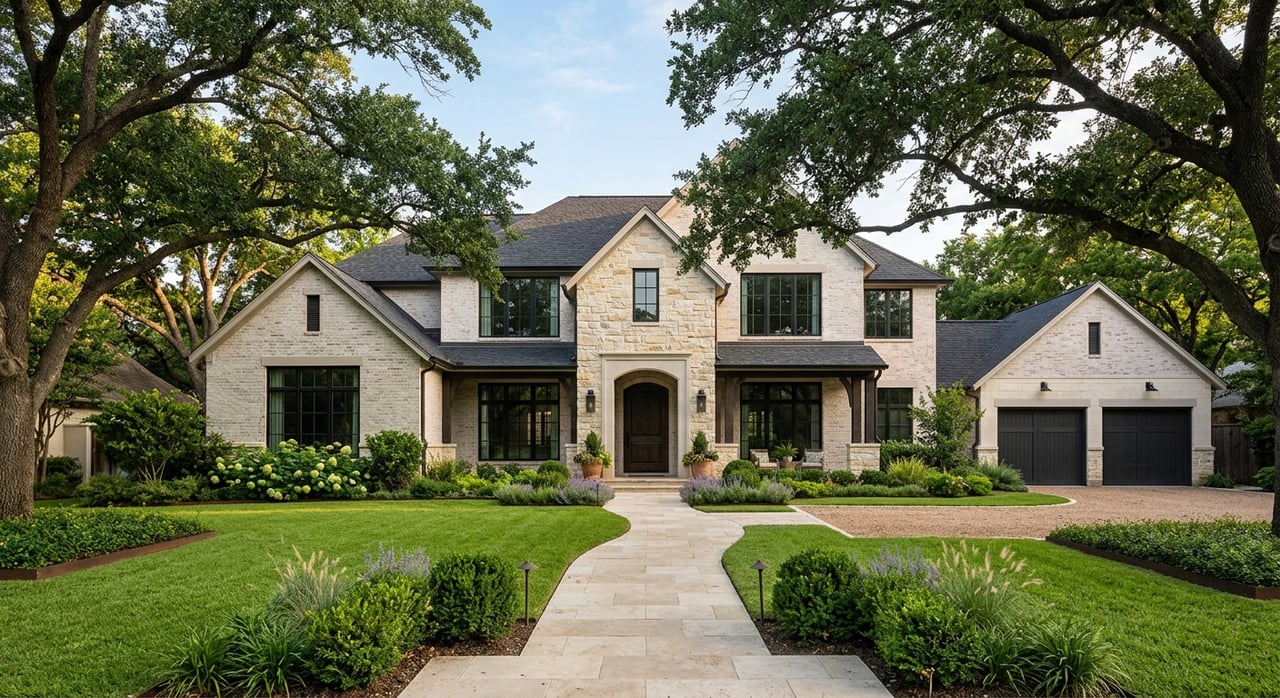
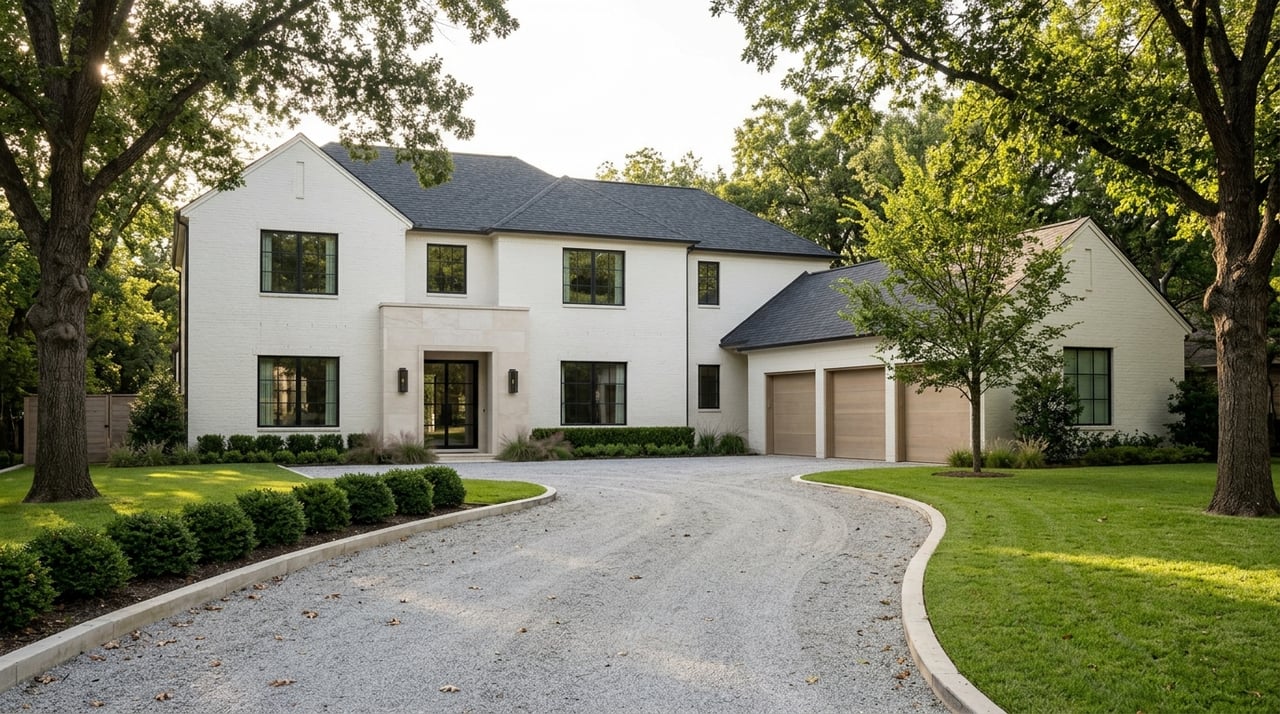
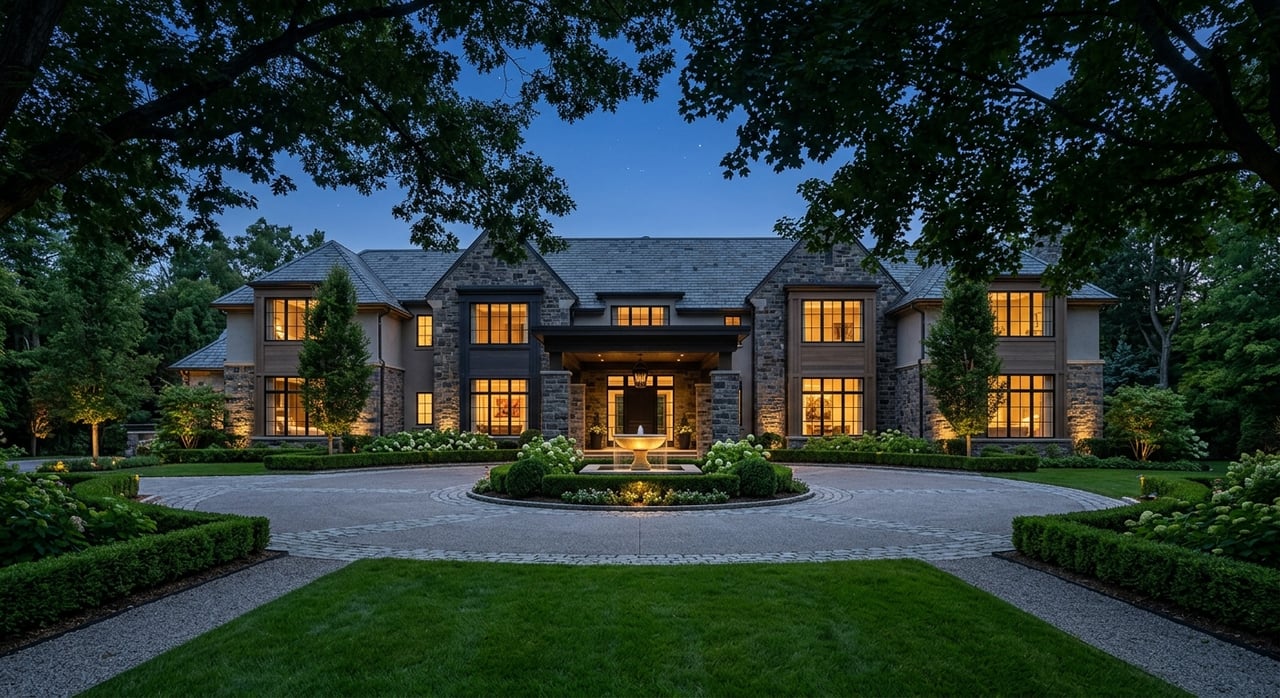
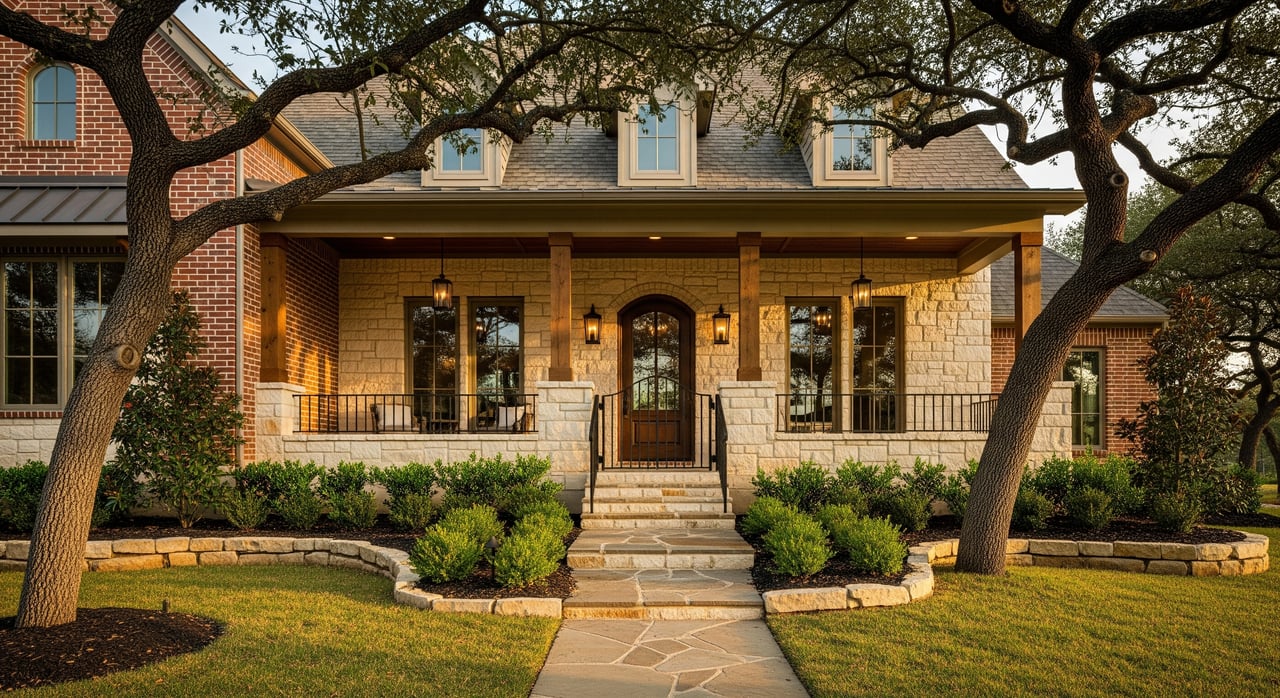
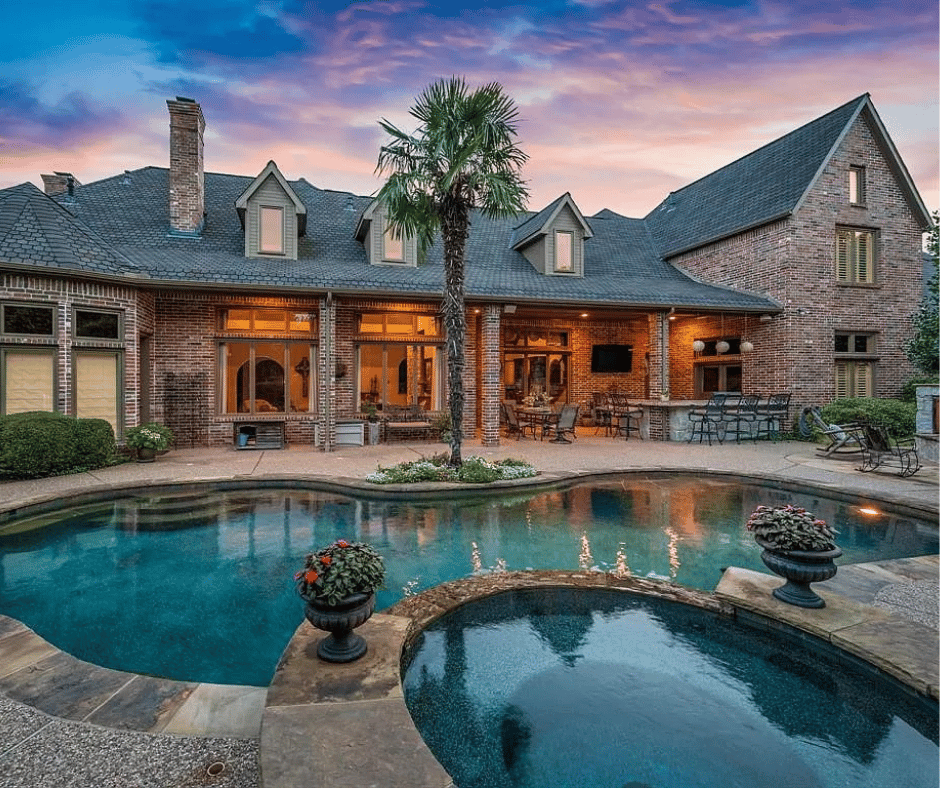
Tudor homes are one of the styles many people associate with Highland Park. These homes often read as traditional and composed from the street, which fits the town’s broader visual identity. On certain blocks, Tudor architecture helps create the classic, established look buyers often expect in the area.
Prairie Homes
Prairie-style homes are another important part of Highland Park’s architectural mix. These homes typically contribute a lower, more horizontal visual profile than some revival styles. In a neighborhood known for architectural character, Prairie homes add depth to the overall streetscape.
Ranch And Mid-Century Contemporary Homes
Not every Highland Park home follows an early revival style. Preservation Park Cities also recognizes Ranch and Mid-Century Contemporary homes, which shows that the neighborhood’s visual story is broader than many people assume. These homes can appear especially relevant when you look at later phases of development or properties that reflect postwar design trends.
Why Many Homes Look Traditional From The Street
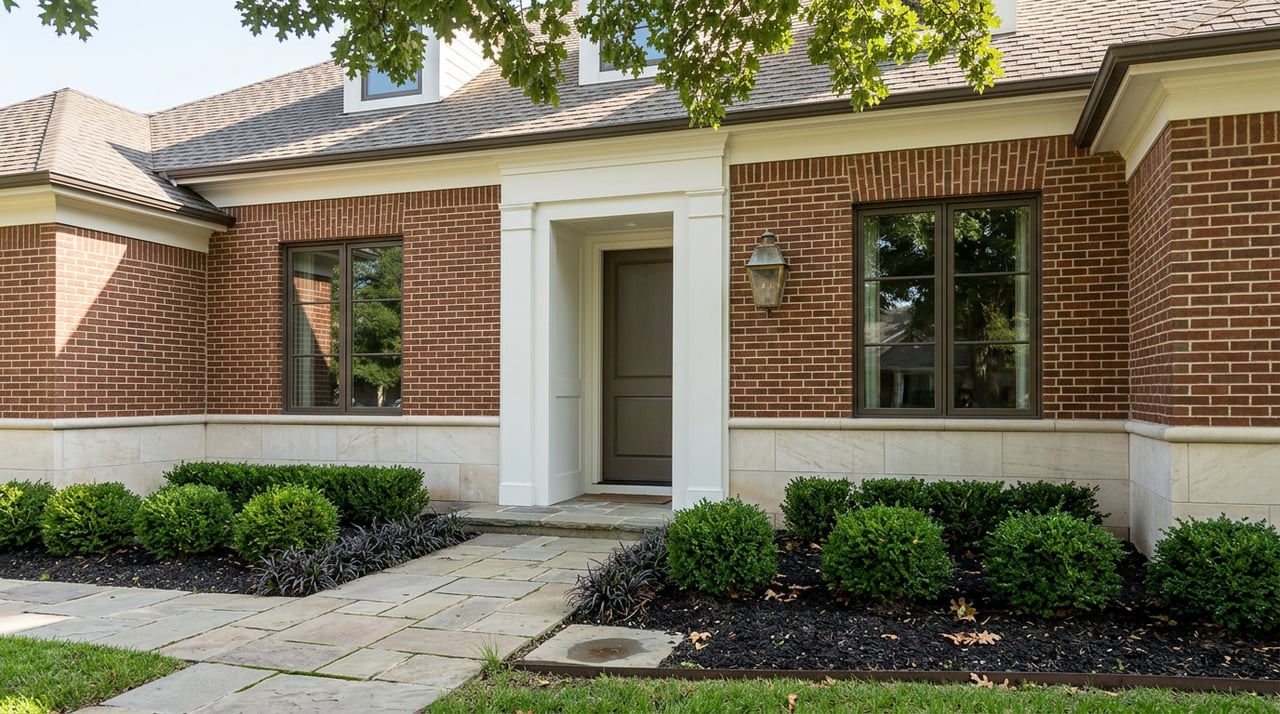
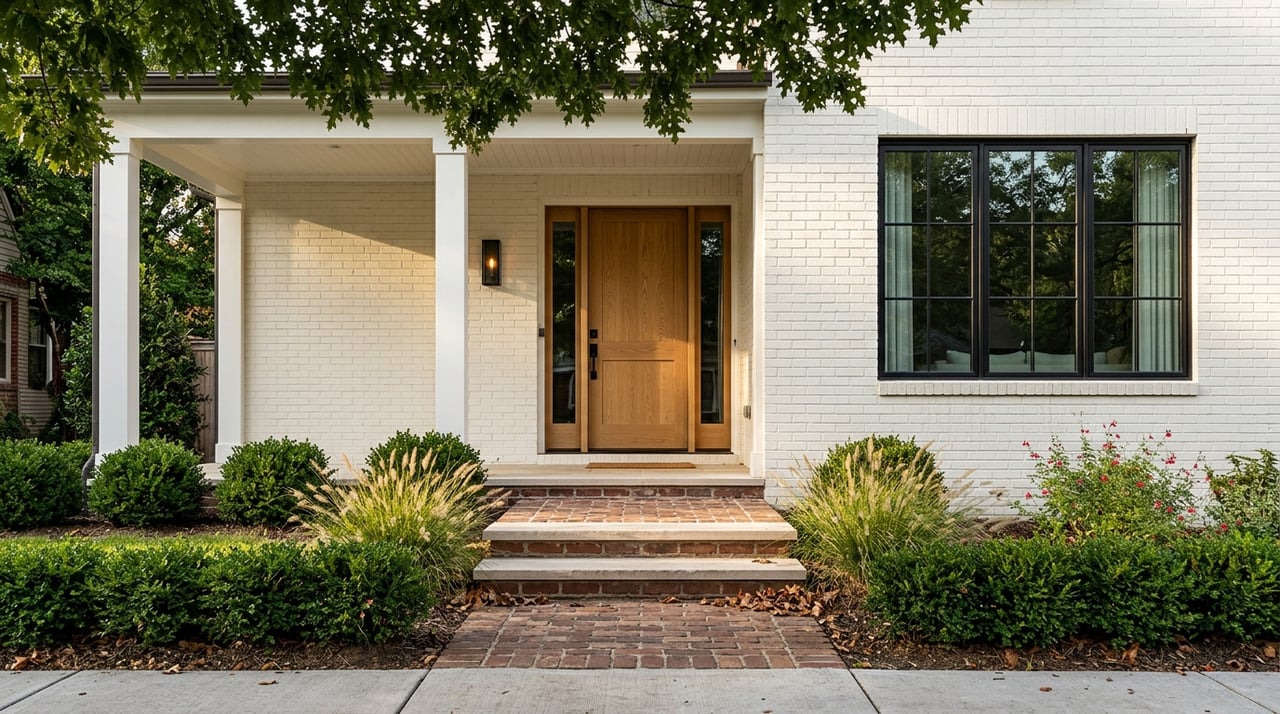
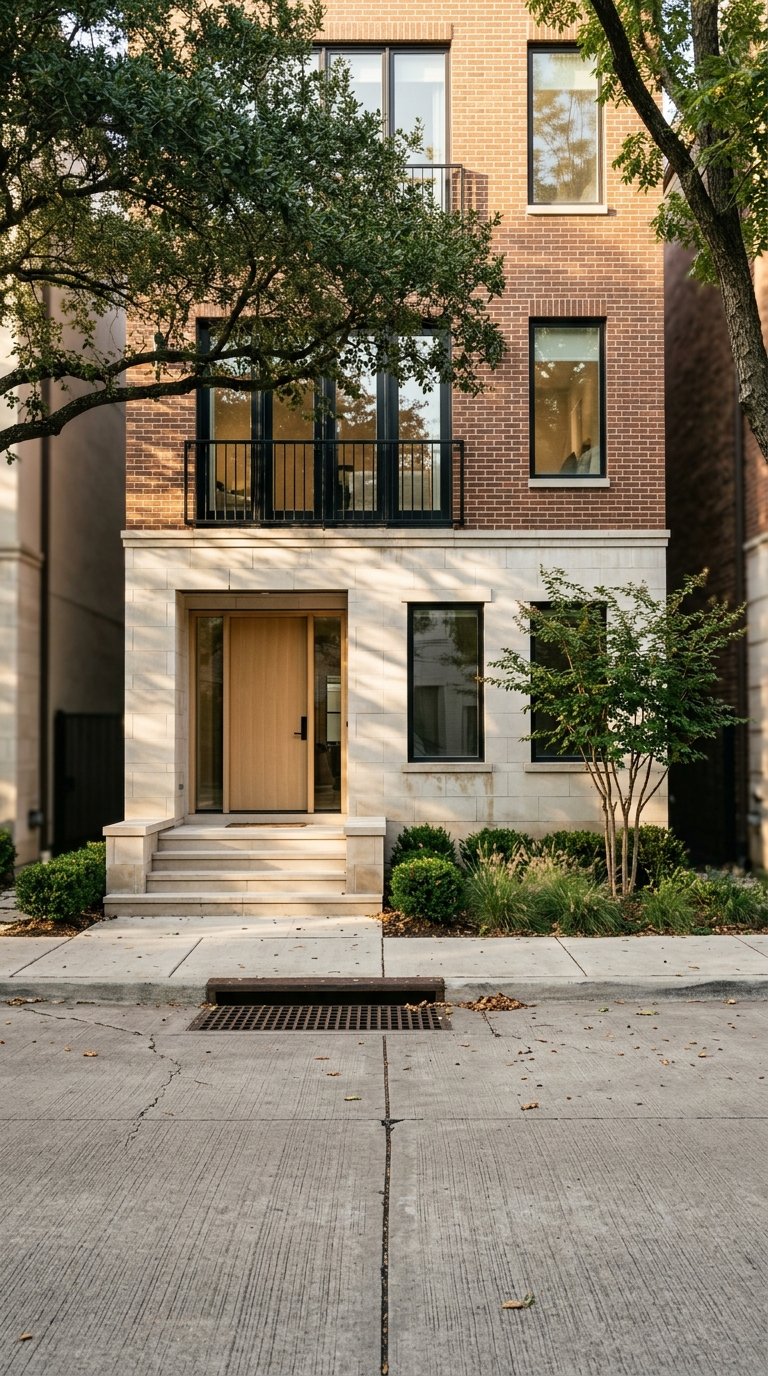
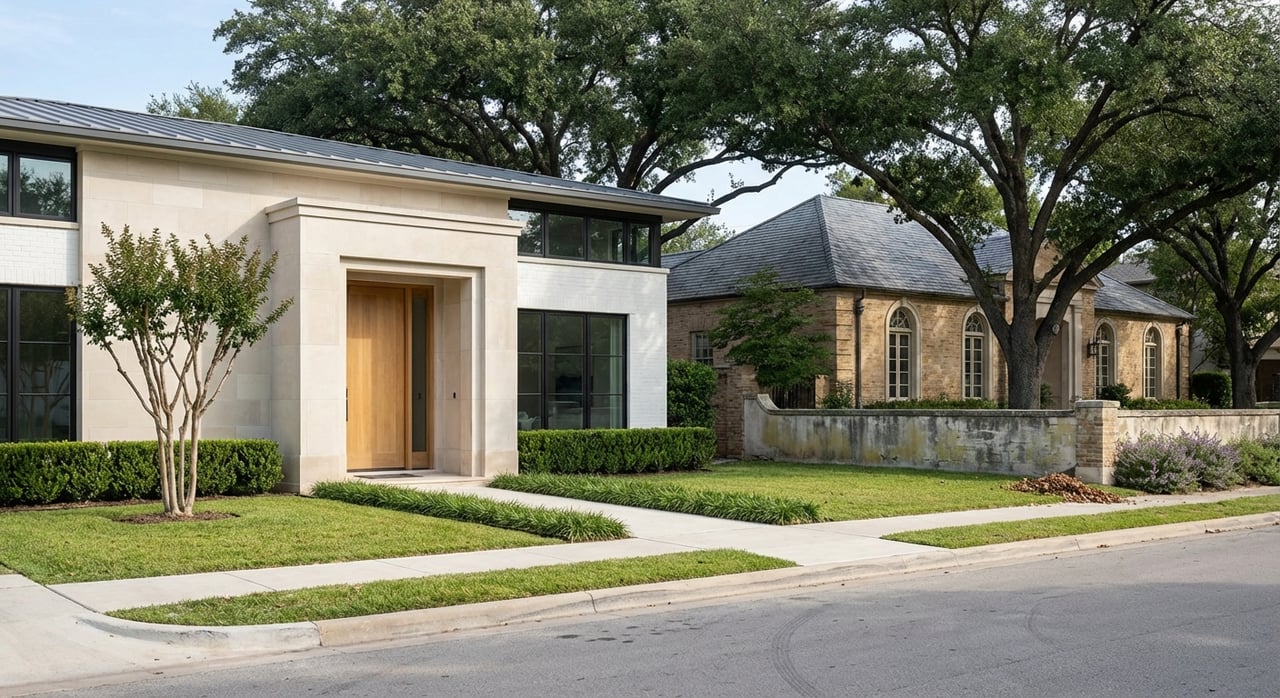
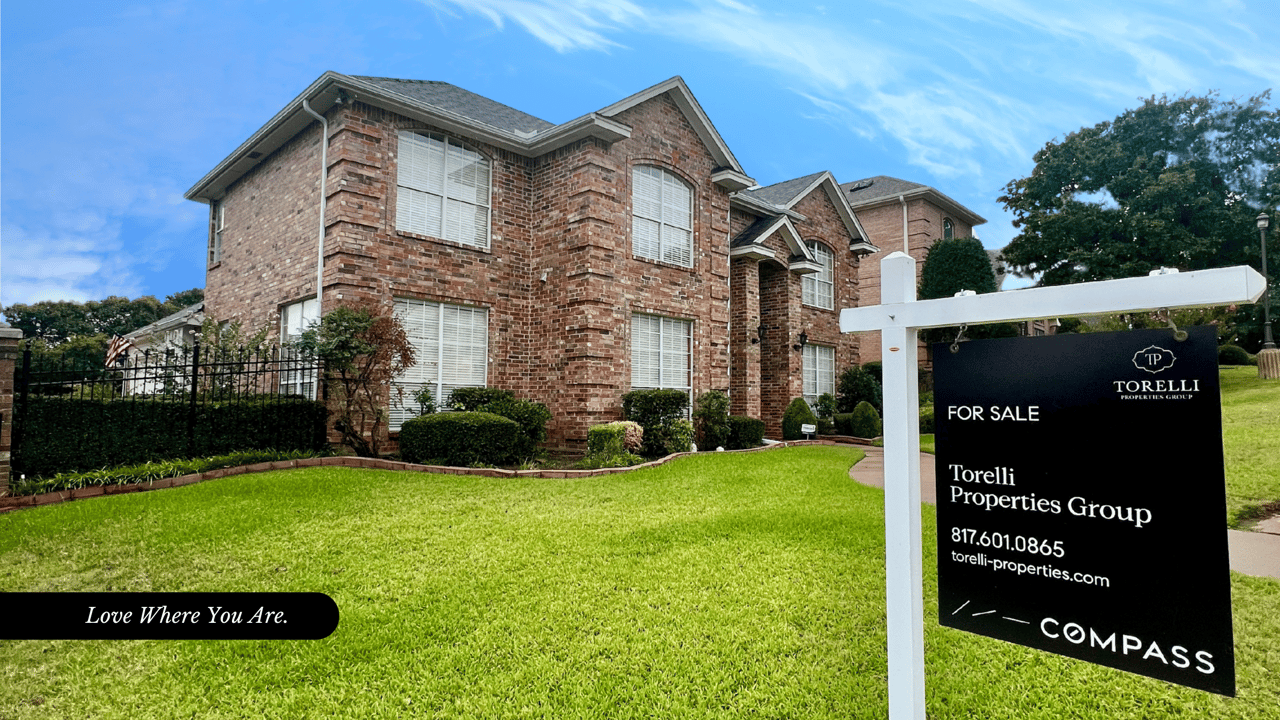
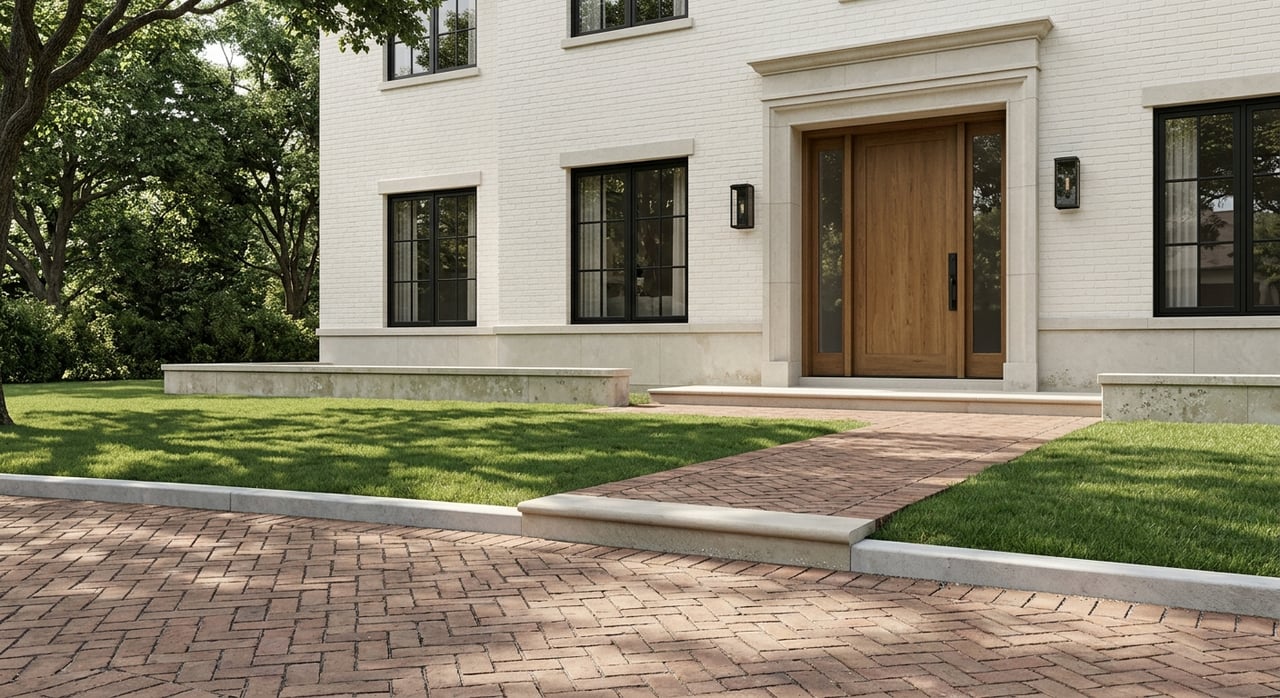
A key reason Highland Park feels architecturally consistent is that street-facing character carries a lot of weight. Preservation Park Cities emphasizes the street-facing façade and roofline when evaluating historic character. Rear additions may be acceptable when they do not substantially change how the home appears from the street.
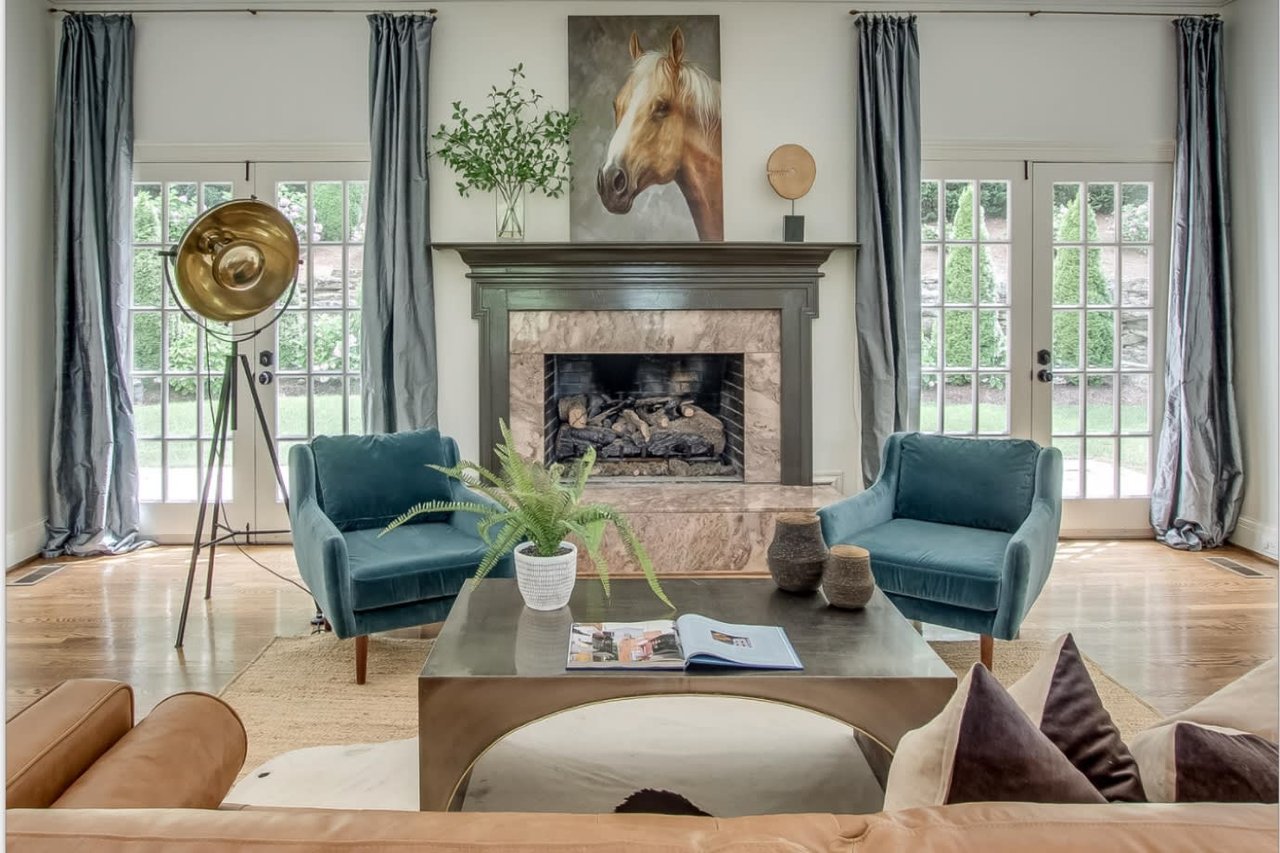
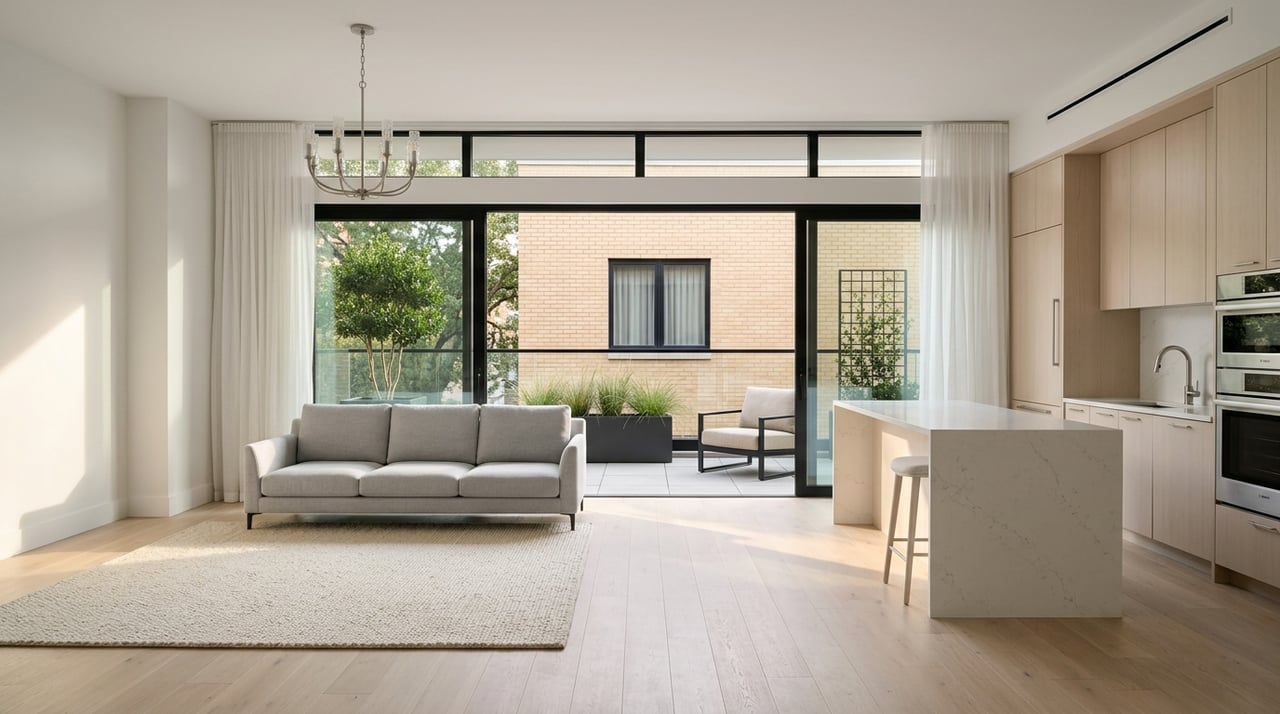
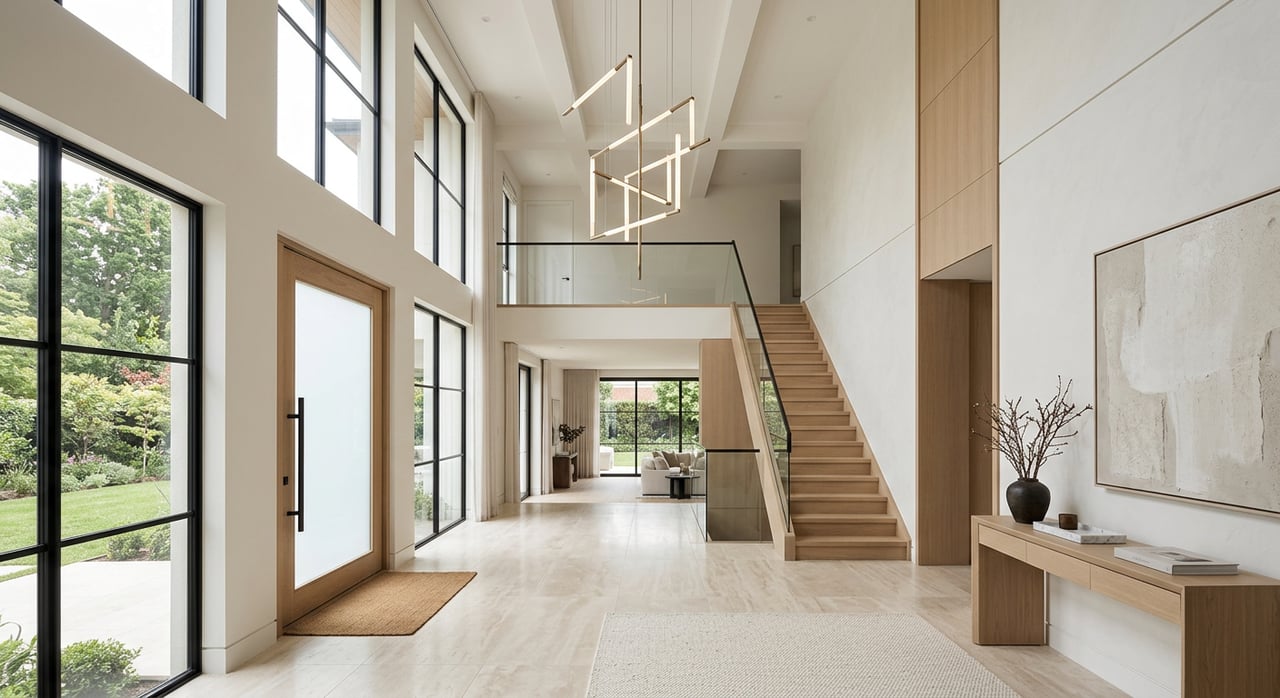
That helps explain why a home may look traditional at the curb while offering a more updated interior layout inside. For you, that means the exterior impression can tell only part of the story. In Highland Park, original street presence still matters, even when a property has been extensively modernized behind that front elevation.
Civic Buildings Also Shape The Visual Identity
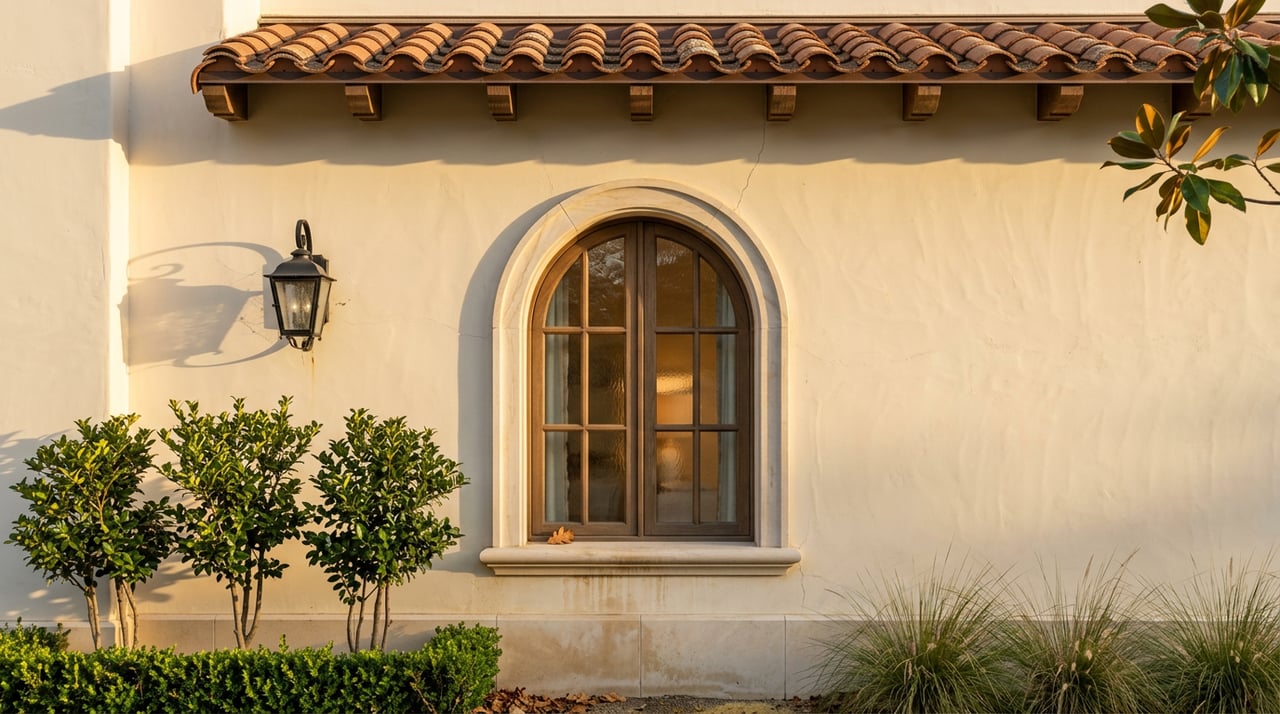
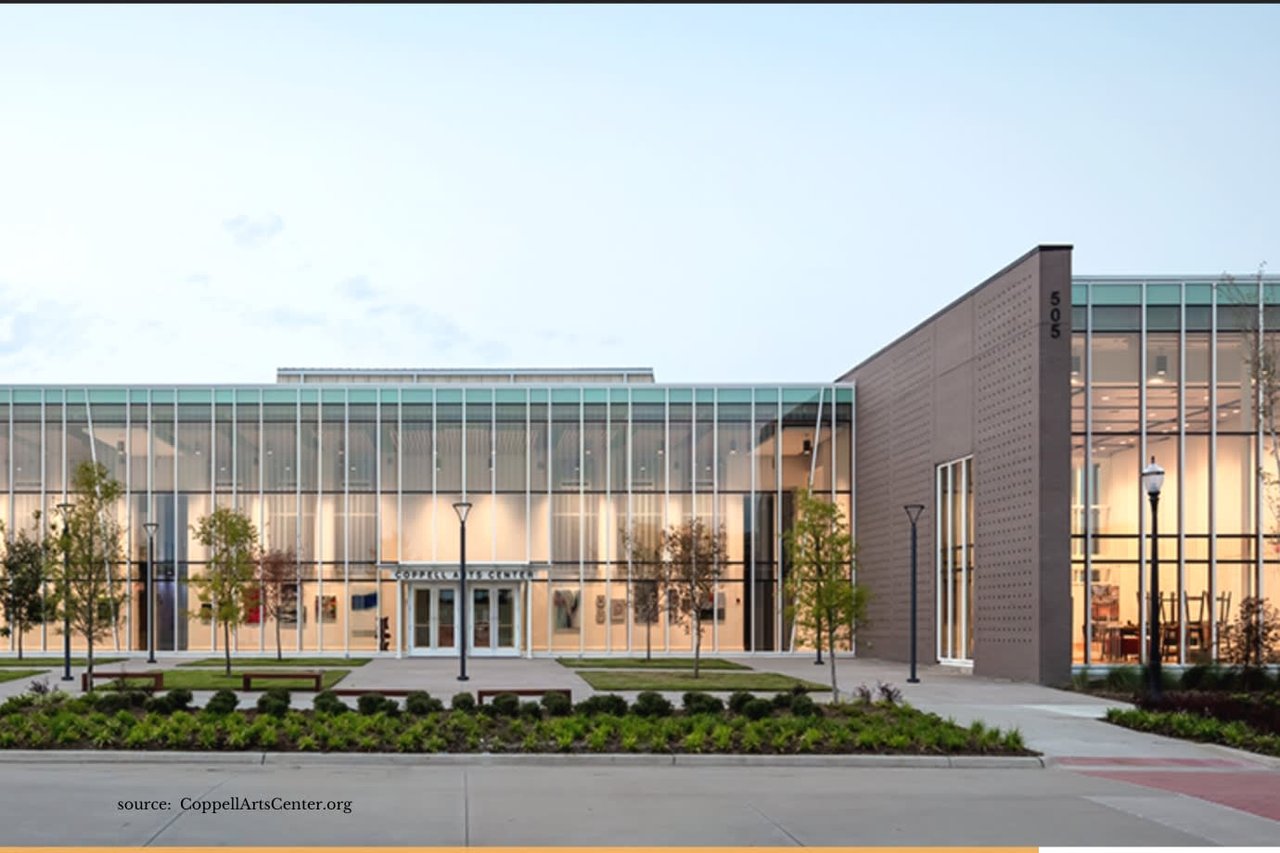
Residential architecture is only part of the picture. Highland Park’s civic buildings help reinforce the town’s overall design language too. The Town notes that the library addition was built in the same Spanish Colonial Revival style as Town Hall.
Even though these are public buildings, they still influence how the area feels as a whole. They add to the sense that Highland Park values classic, carefully composed architecture rather than purely functional design.
Lot Widths And Setbacks Matter More Than You Think
Highland Park’s zoning code helps explain why the neighborhood feels spacious rather than crowded. For detached single-family homes, minimum lot widths range from 55 feet in many residential districts up to 100 feet or 200 feet in more restrictive districts. Minimum lot areas include 6,500 square feet in several districts and go up to 25,000 square feet in stricter categories.
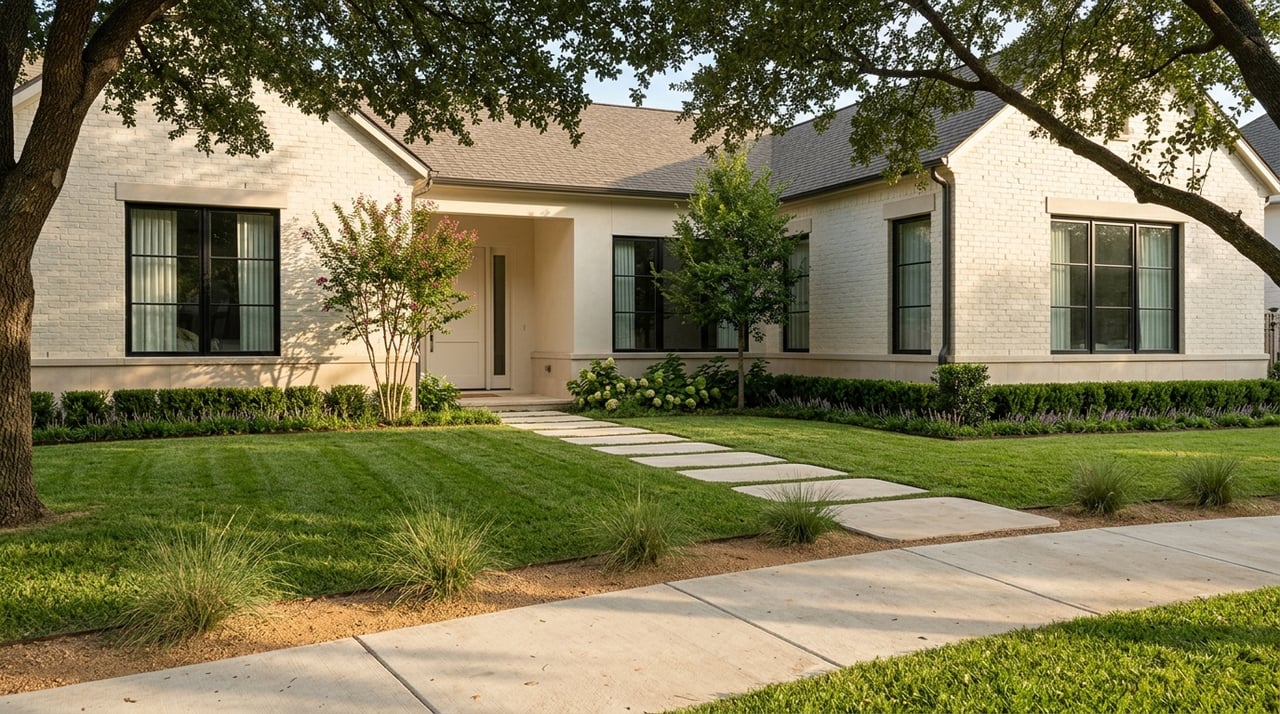
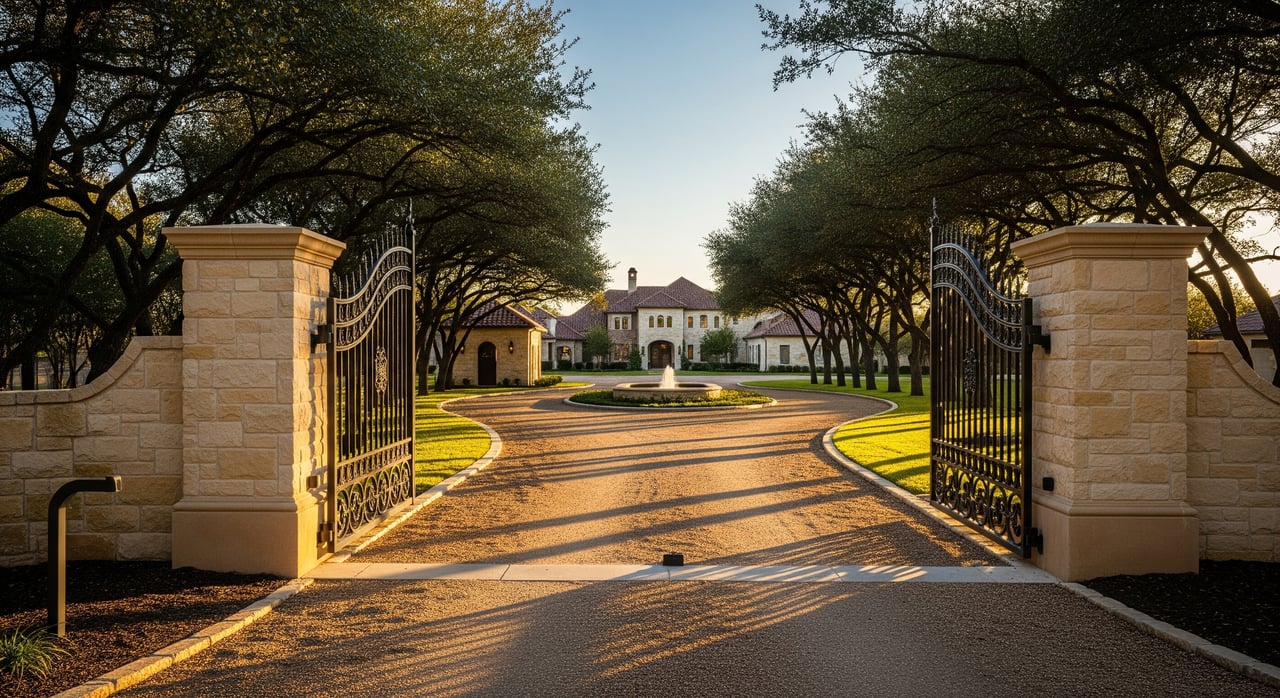
Building coverage is also capped by district, generally within the 20% to 40% range. Together, those rules support a streetscape with broader lawns, deeper setbacks, and more breathing room around homes. That spacing is a major part of Highland Park’s visual appeal.
What That Means For Buyers
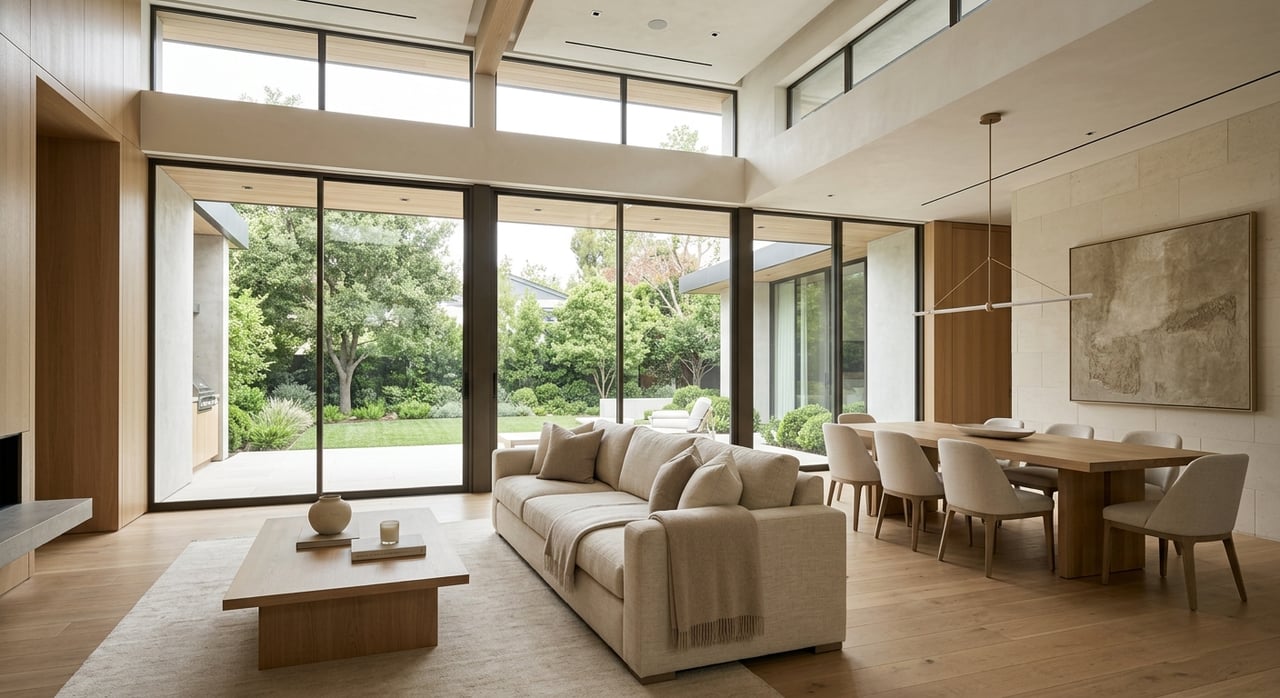
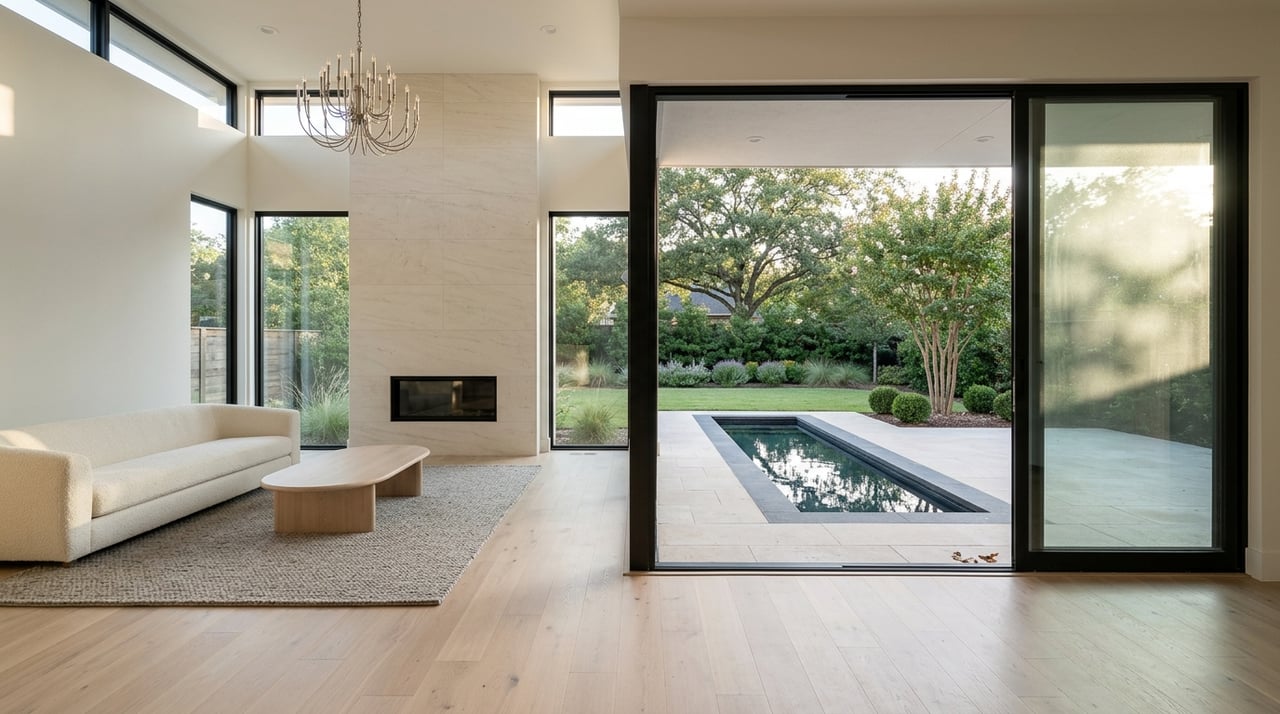
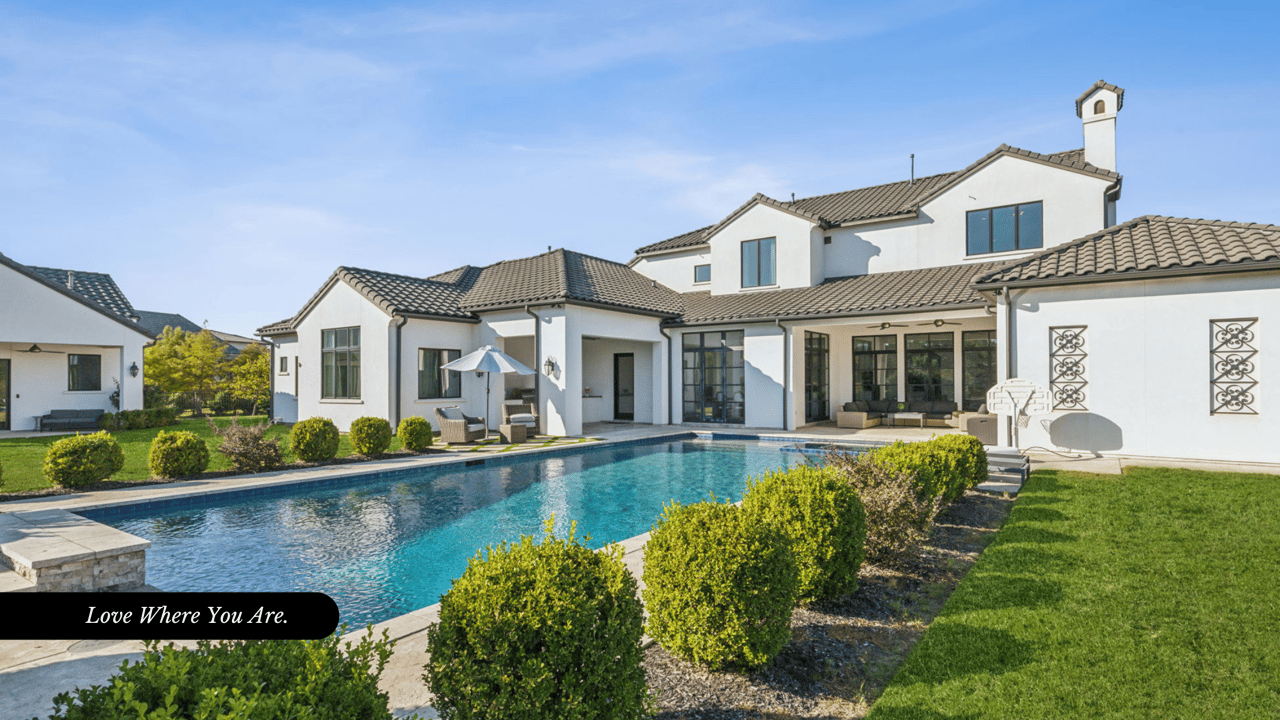
If you are comparing homes, square footage alone will not tell you everything. Lot width, setbacks, and how a home sits on the site can shape your day-to-day experience just as much as interior finishes. A wider lot or stronger landscaped setting may create a very different curb impression, even when two homes have similar living area.
What That Means For Sellers
If you are preparing to sell, your home’s value story may be tied to more than upgrades inside the house. Buyers in Highland Park often respond to the total setting, including street presence, mature trees, and the relationship between the house and the lot. The broader composition matters.
Landscaping And Maintenance Support Curb Appeal
Highland Park’s appearance is not accidental. Code compliance rules require eight feet of clearance for tree limbs above sidewalks and ten feet above streets. The Town also prohibits weeds, debris, and obstructed easements, while maintaining street and alley sweeping throughout the year.
This kind of maintenance culture makes a real difference. It helps preserve a clean pedestrian environment and creates a more consistent look from one block to the next. When you walk or drive through Highland Park, that visual order is part of what makes the area feel so well kept.
Why Newer Homes Still Fit The Story
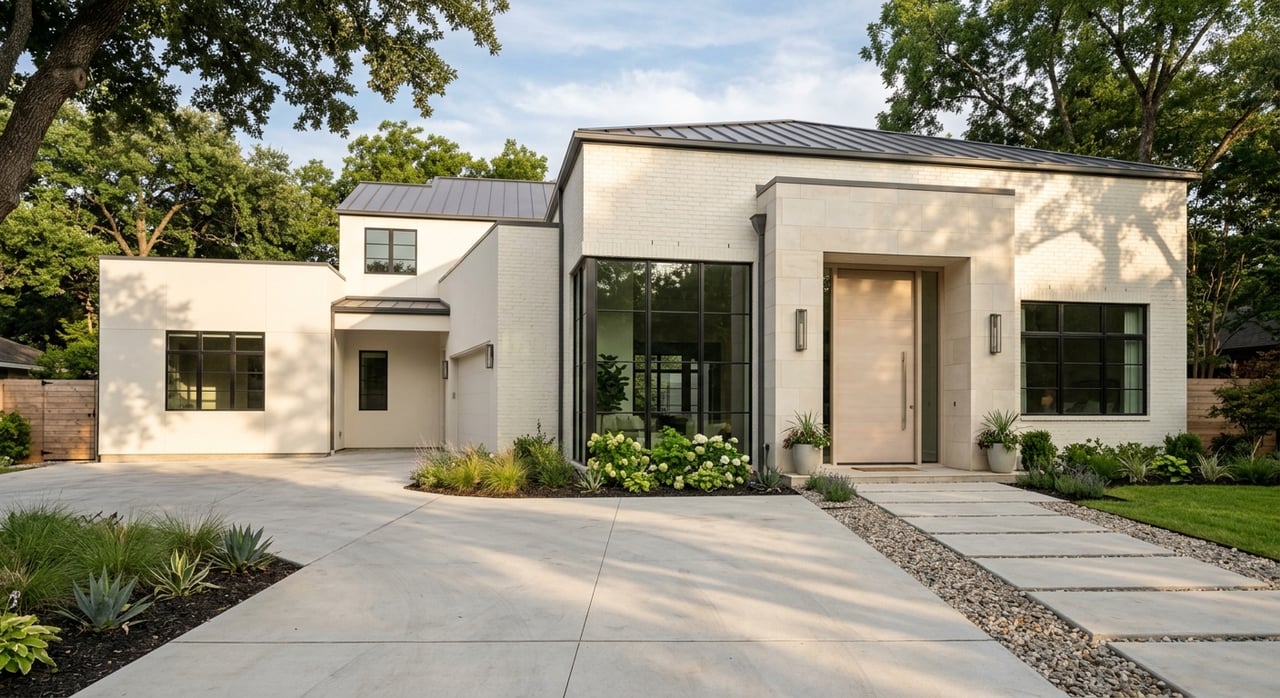
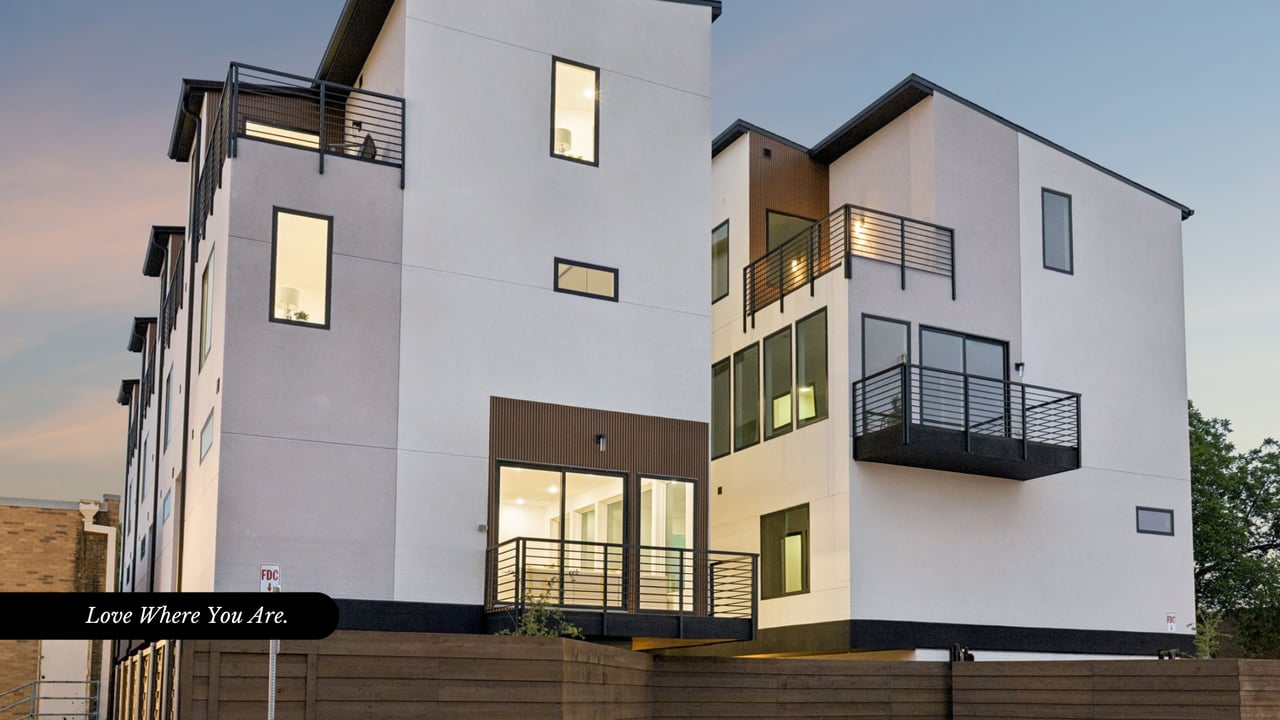
Although Highland Park is strongly associated with historic homes, newer construction and major remodels are also part of the landscape. The Town notes that after the 1950s, Highland Park largely grew by building on remaining vacant lots. That helps explain why you may see replacement homes or newer builds in an area still known for its original houses.
This mix can be important if you are searching for a specific type of property. Some buyers want preserved architectural character, while others want a home with newer systems or a more current layout. In Highland Park, both can exist within the same broader neighborhood story.
How Highland Park Compares Nearby
Highland Park is often compared with other luxury pockets in Dallas, but the differences are meaningful. University Park is a close comparison because it is also part of the Park Cities, yet its growth pattern and development framework differ. According to the City of University Park, it grew around Southern Methodist University, incorporated in 1924, and uses a formal platting process that requires a single platted lot before new construction.
That means both towns are tightly regulated, but Highland Park’s earlier garden-suburb planning and phased development create more historical layering. If you are evaluating homes across both areas, that context can help you understand why Highland Park may feel more formally composed on certain blocks.
Preston Hollow offers another useful contrast. A D Magazine neighborhood guide says many Preston Hollow streets are lined with modest ranch-style homes, even though the west-side estate area includes large lots, rolling hills, and winding streets. Compared with that broader housing mix, Highland Park tends to feel more compact, more formal, and more consistently guided by one early planning vision.
What To Notice When Touring Highland Park
When you walk or drive through Highland Park, try to look beyond the front door and square footage. Pay attention to the features that shape long-term visual value and neighborhood feel.
Key details to watch
- Lot width and how the home sits on the site
- Front setback and lawn depth
- Mature trees and landscaped setting
- Roofline and street-facing façade character
- Block-to-block consistency
- Signs of rear additions versus street-facing changes
- Overall condition of the surrounding curb and streetscape
Preservation Park Cities specifically points to district integrity, landscaped setting, and original façade and roofline character as major markers of significance. That means two homes with similar size can feel very different in person depending on their block and how much original street presence remains.
Why This Matters In A Real Estate Decision
In Highland Park, value is not only about finishes, bedroom count, or price per square foot. The neighborhood rewards careful attention to setting, proportion, and curb presence. Understanding those factors can help you make a stronger purchase decision or position your home more effectively for the market.
If you are relocating, moving up, or considering a discreet sale, this kind of neighborhood reading can save time and reduce guesswork. It gives you a clearer framework for comparing homes that may look similar on paper but feel very different in person.
At Torelli Properties Group, you can expect a personalized, high-touch approach grounded in local market knowledge, thoughtful guidance, and polished execution if you are buying or selling in Highland Park.
FAQs
What architectural styles are common in Highland Park, Dallas County?
- Highland Park features a mix of styles built across many decades, with Prairie and Tudor standing out, along with Ranch and Mid-Century Contemporary homes identified by Preservation Park Cities.
Why do Highland Park streets look so landscaped and consistent?
- The Town reports 22 park locations, 12 landscaped traffic islands, 59.3 acres of green space, mature tree programs, and year-round street and alley sweeping, all of which support a polished streetscape.
How does zoning affect Highland Park home appearance?
- Minimum lot widths, lot-area requirements, and building coverage limits help create broader lawns, deeper setbacks, and more space between homes, which contributes to a measured, less crowded look.
Why do some Highland Park homes look historic outside but updated inside?
- Preservation Park Cities places strong emphasis on the street-facing façade and roofline, so homes may keep a traditional curb appearance even when interiors or rear portions have been modernized.
How is Highland Park different from University Park or Preston Hollow?
- Highland Park’s earlier garden-suburb planning and phased development create more historical layering than University Park, while its streets tend to feel more compact and formal than the broader housing mix found in Preston Hollow.