If you want a Fort Worth neighborhood where art, green space, and city energy all show up in your regular routine, the Cultural District stands out fast. This area is not just a place you visit once for a museum day. It is a close-in part of the city where parks, events, dining, and a range of home styles can shape how you spend an ordinary week. If you are thinking about living near the Cultural District, here is what everyday life really looks like. Let’s dive in.
What sets the Cultural District apart
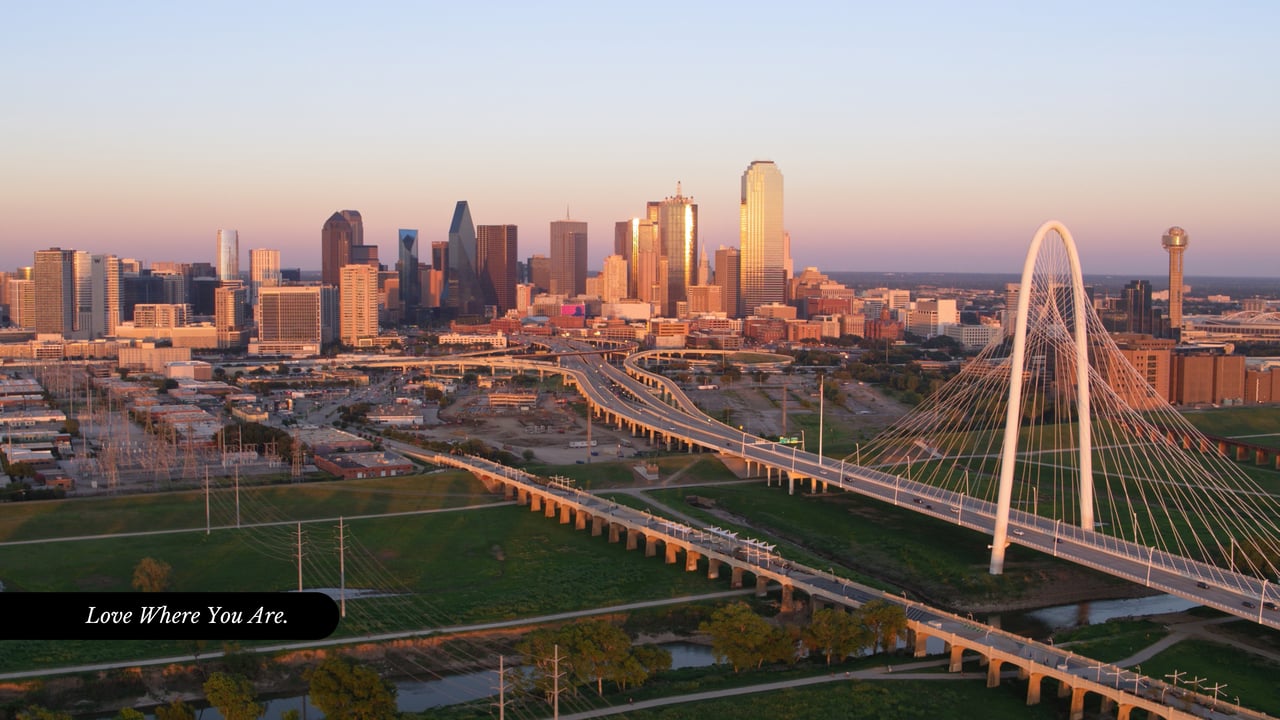
Fort Worth’s Cultural District sits just west of Downtown, above the Trinity River, and city planning materials identify it as one of Fort Worth’s major cultural areas. The city also describes it as the nation’s third largest cultural district. That gives you a quick sense of scale, but the real appeal is how many different experiences are packed into one connected area.
This part of Fort Worth feels less like a single street and more like a compact cluster of museums, parkland, event venues, and nearby residential pockets. Because Trinity Park and the Fort Worth Botanic Garden shape so much of the area, the setting often feels more open and campus-like than a tight downtown grid.
Fort Worth’s arts and culture planning also frames the district broadly. In other words, daily life here is not limited to museum visits. Music, theater, horticulture, sports, agriculture, and equestrian activity all help define the area’s identity.
Daily routines in the Cultural District
For many residents and frequent visitors, proximity is the biggest lifestyle perk. You are close enough to major attractions that they can become part of your normal week instead of a special occasion. That changes the rhythm of daily life in a meaningful way.
A free afternoon can turn into a quick museum stop. A weekend might include a walk through the park, lunch nearby, and an event at Dickies Arena later that evening. The area supports a routine that blends culture, outdoor time, and city convenience.
Museums become part of your week
The district’s daily rhythm is anchored by major institutions like the Kimbell Art Museum, the Modern Art Museum of Fort Worth, the Amon Carter Museum of American Art, the National Cowgirl Museum and Hall of Fame, and the Fort Worth Museum of Science and History. These are not scattered across the metroplex. They sit close enough together to make short, flexible visits realistic.
That matters if you value easy access to things to do without a long drive or a major time commitment. The Kimbell’s permanent collection is always free, the Modern includes outdoor sculpture grounds, a reflecting pond, and a café, and the Science and History museum offers family programming and is open most days except Monday.
The result is a lifestyle where cultural stops can feel casual and repeatable. Instead of planning a full-day outing every time, you may find yourself dropping in for an hour, meeting friends nearby, or building a museum visit into a broader day around Fort Worth.
Events keep the area active
Dickies Arena and Will Rogers Memorial Center help keep the district busy beyond daytime museum traffic. Concerts, sports, rodeo events, conferences, and large public gatherings bring a steady flow of activity to this side of Fort Worth.
If you enjoy living near major venues, this is a practical advantage. You can be close to big-ticket events without committing to a downtown high-rise environment. At the same time, event nights can mean heavier traffic and a busier feel, especially near major corridors.
West 7th ties it together
West Seventh is a key connector between Downtown Fort Worth and the Cultural District. City materials note that the corridor has growing amounts of housing, retail, and restaurants, and that shows up in daily life.
In practical terms, West 7th helps support a live-near-it-all routine. You can pair a museum visit with dinner, meet friends before a concert, or use the corridor as a quick link between home, work, and entertainment.
Green space is part of everyday life
One of the biggest differences between the Cultural District and other close-in neighborhoods is how much green space shapes the area. This is not just about pretty surroundings. Parks and trails are part of how people move, relax, and spend time outdoors throughout the week.
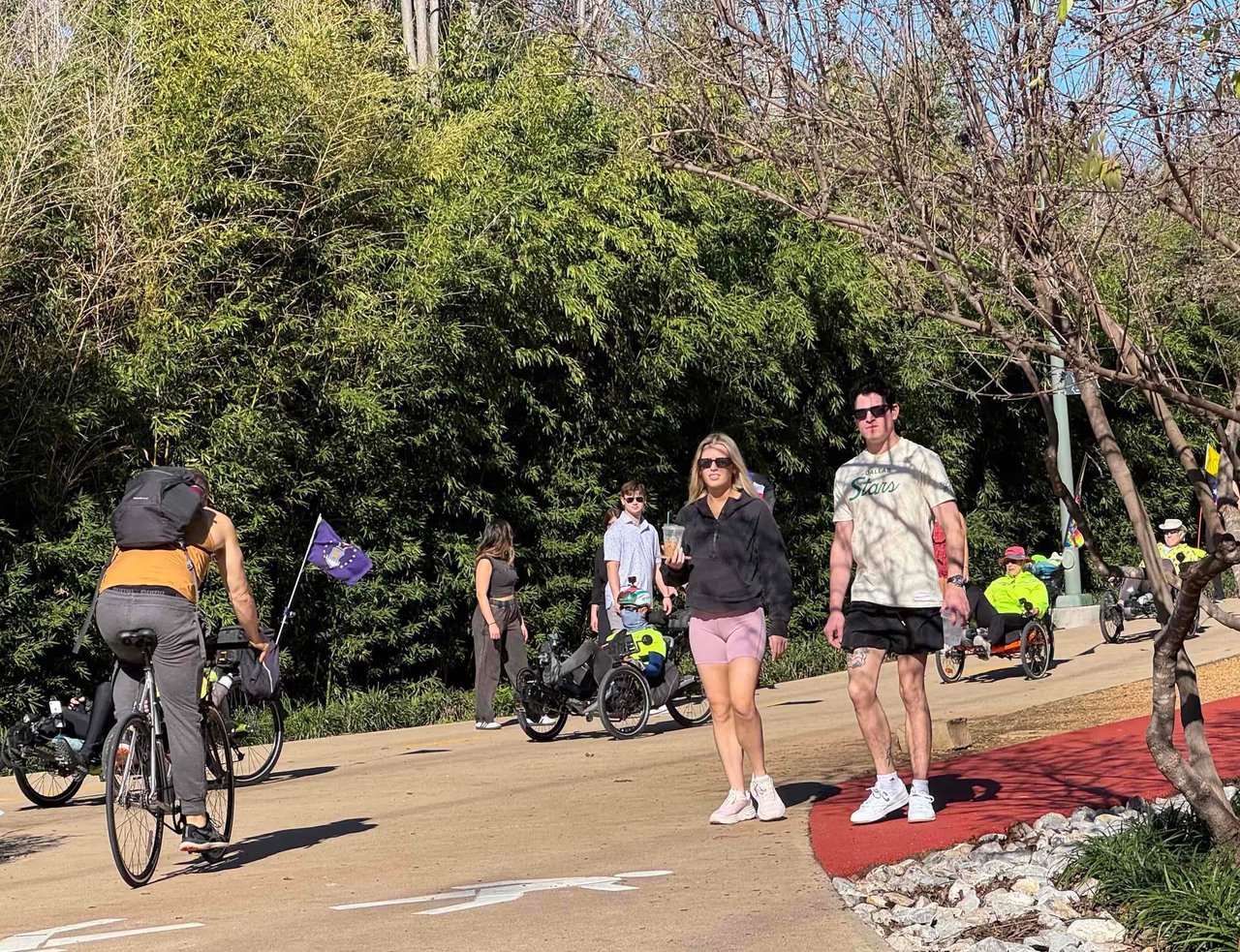
Trinity Park is a major daily-life asset. The park spans 252 acres and includes trails, a playground, picnic areas, a duck pond, and access to the Trinity River trail network.
The city also notes that the broader Trinity River Trails system includes more than 100 miles of paved trails. That gives you options for walking, biking, or simply getting outside without leaving the urban core.
The Fort Worth Botanic Garden adds another major outdoor destination to the area. With daily public hours and the Japanese Garden’s 7.5-acre strolling layout, it offers a quieter, more landscaped counterpoint to the activity around West 7th and the arena.
Getting around the Cultural District
The Cultural District works best if you think of it as a hybrid neighborhood. You can walk short distances between some destinations, but most people will still use a mix of walking, transit, driving, and rideshare depending on the day.
That flexibility is part of the appeal. You are not locked into one mode of transportation, but you should expect some planning around event timing and parking.
Transit and short trips
Trinity Metro says Routes 2 and 4 connect Downtown Fort Worth directly to the Cultural District. The service also promotes The Cup - Cultural District as an easy option for reaching museums and green space without dealing with parking.
For someone who wants alternatives to driving every time, that can be a real convenience. It also reinforces the district’s close connection to Downtown rather than making it feel isolated.
Parking and event-night traffic
Parking is more mixed. According to the City of Fort Worth, standard Cultural District parking is typically $6 for up to 120 minutes, $12 for more than 120 minutes, and $15 for more than 180 minutes. Special-event parking usually ranges from $12 to $15.
The city has also created designated West 7th rideshare zones on Friday and Saturday nights because demand is high. That is a useful clue for daily life: the area is convenient, but event nights can be traffic-sensitive and busier than usual.
Housing near the Cultural District
One of the most appealing things about this area is the variety of housing types nearby. You are not limited to one format or one kind of streetscape. Instead, the housing pattern changes as you move through the surrounding pockets.
That gives buyers more flexibility based on lifestyle, budget, and maintenance preferences. It also means sellers benefit from a location that appeals to more than one type of buyer.
West Seventh and Montgomery Plaza
If you want a more urban, close-to-the-action feel, the West Seventh and Montgomery Plaza area is the clearest fit. The city describes the West Seventh Urban Village as a vibrant, walkable live-work environment with mid- and high-rise housing, retail, and offices.
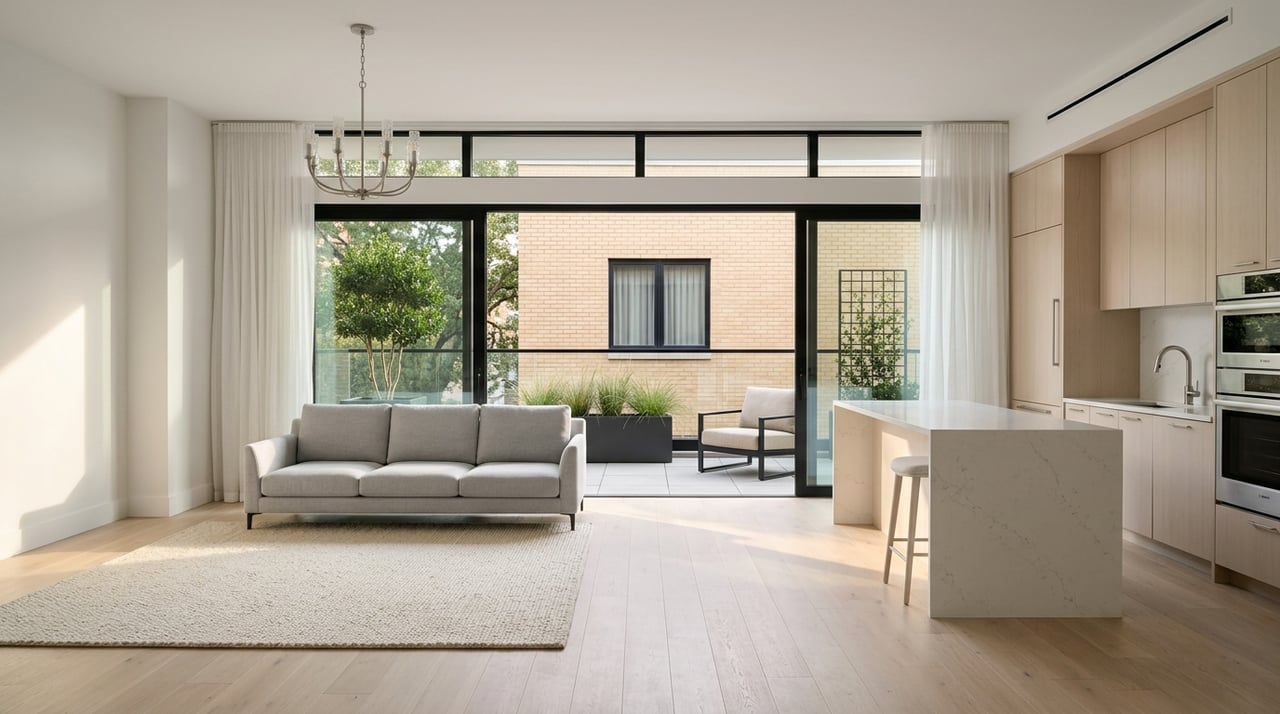
Montgomery Plaza is a strong example of that pattern, with first-floor retail, structured parking, and condos above. This pocket is one of the strongest options near the district for condo living and other attached housing.
Linwood and infill pockets
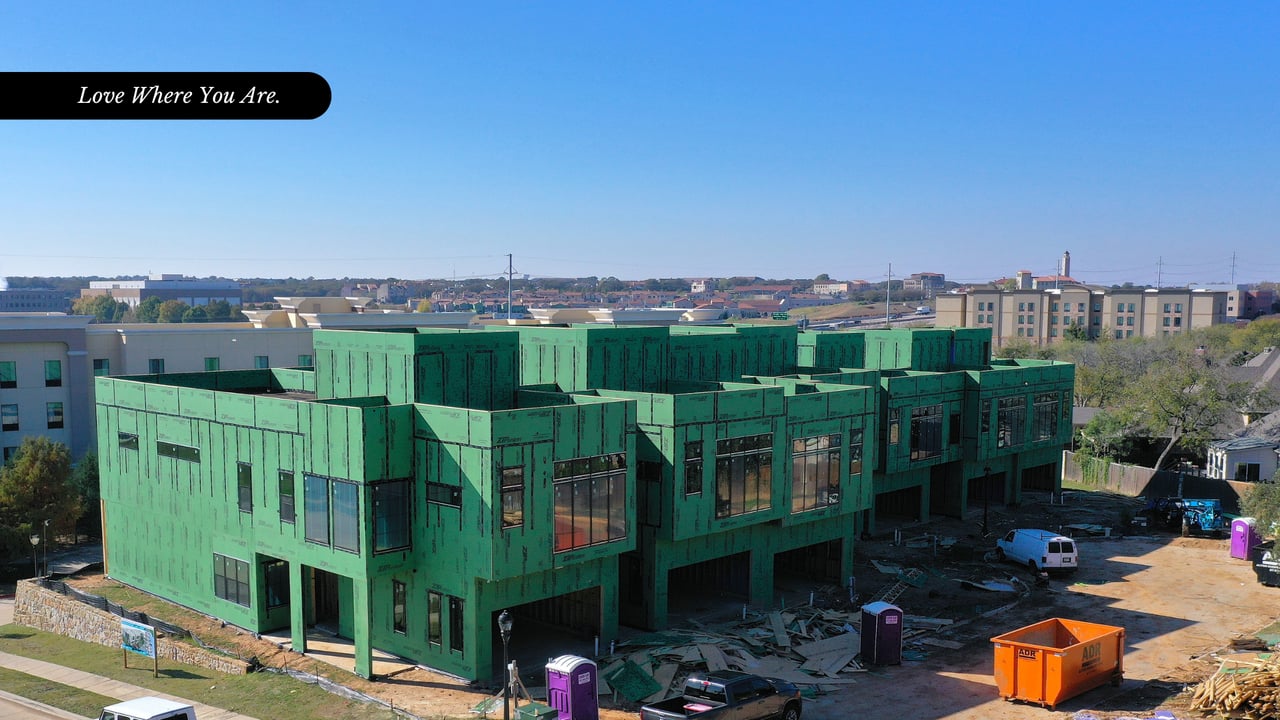
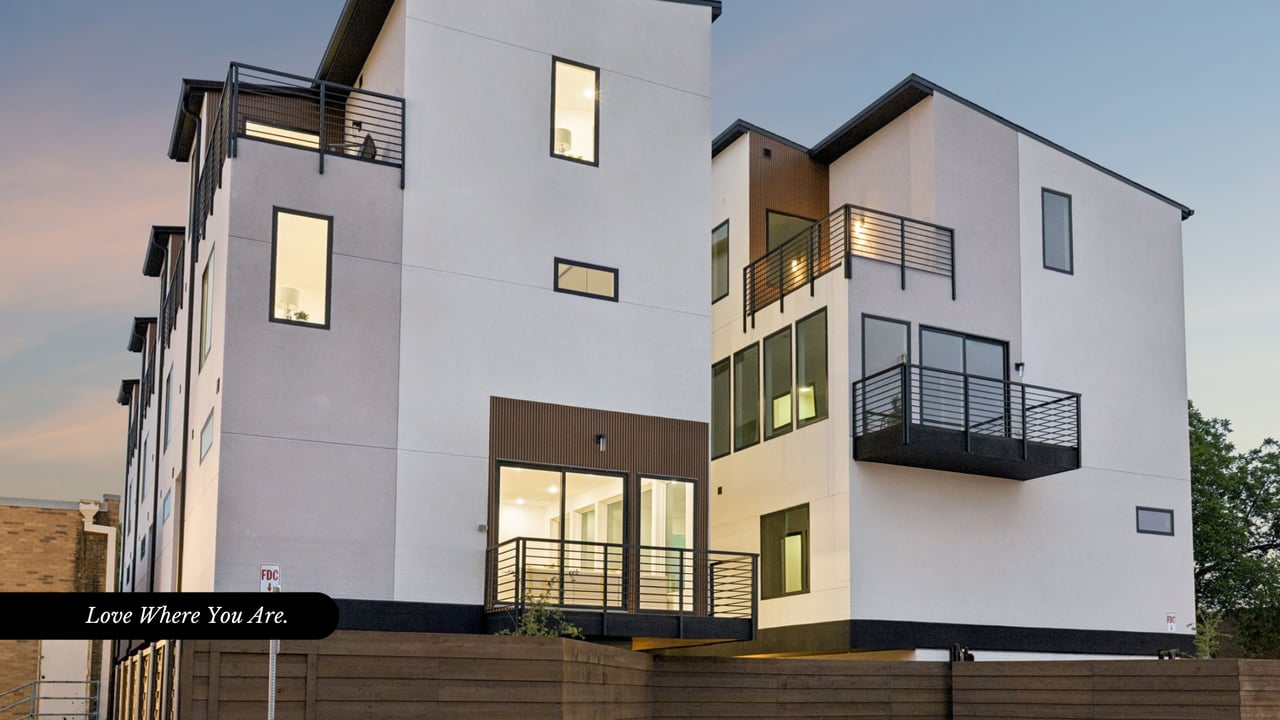
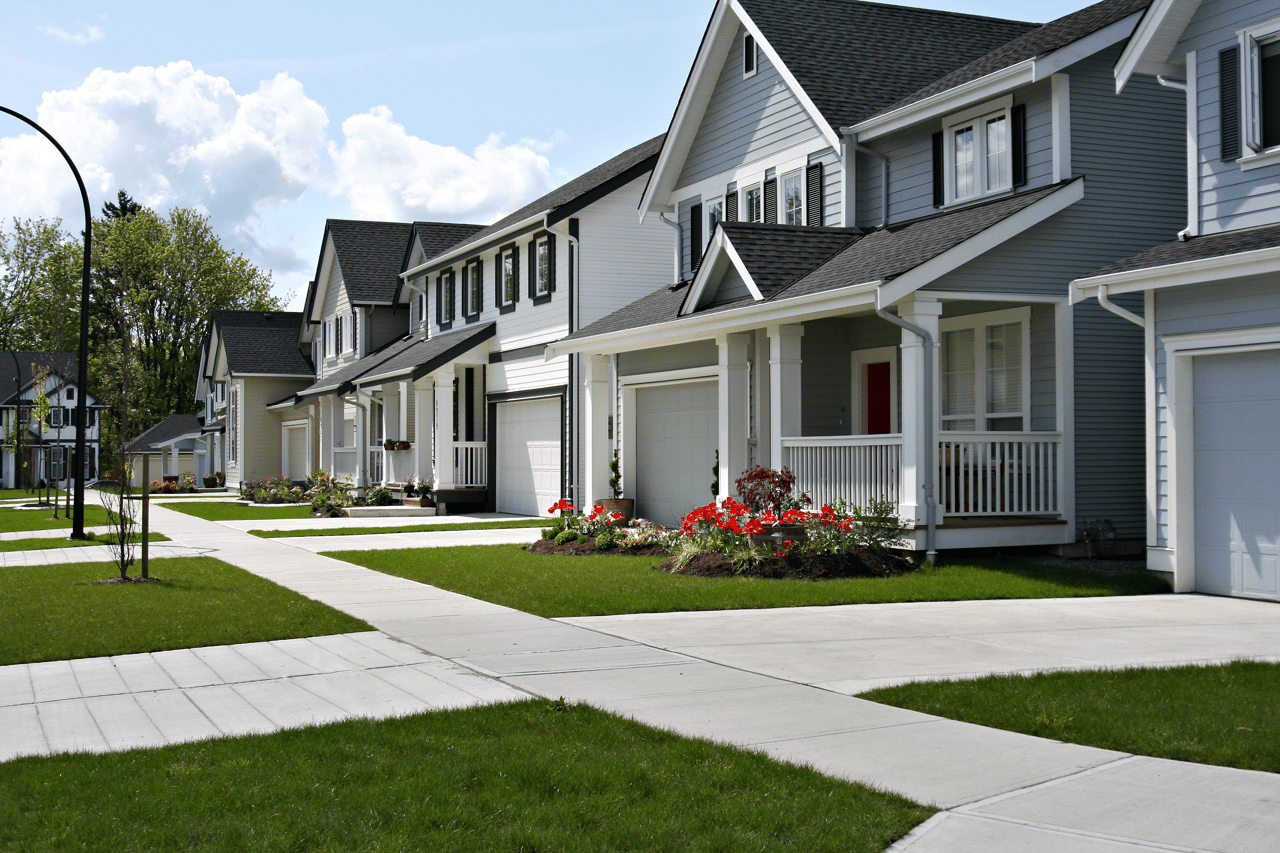
Just north of the mixed-use West 7th area, Linwood shows a different residential pattern. City zoning materials describe repeated lot replats here to accommodate townhomes and other higher-density residential forms.
That helps explain why the area feels like an infill edge rather than a traditional detached-lot neighborhood. If you want something with a more residential feel than the core corridor but still value lower-maintenance attached housing, this area may be worth a closer look.
Arlington Heights and nearby homes
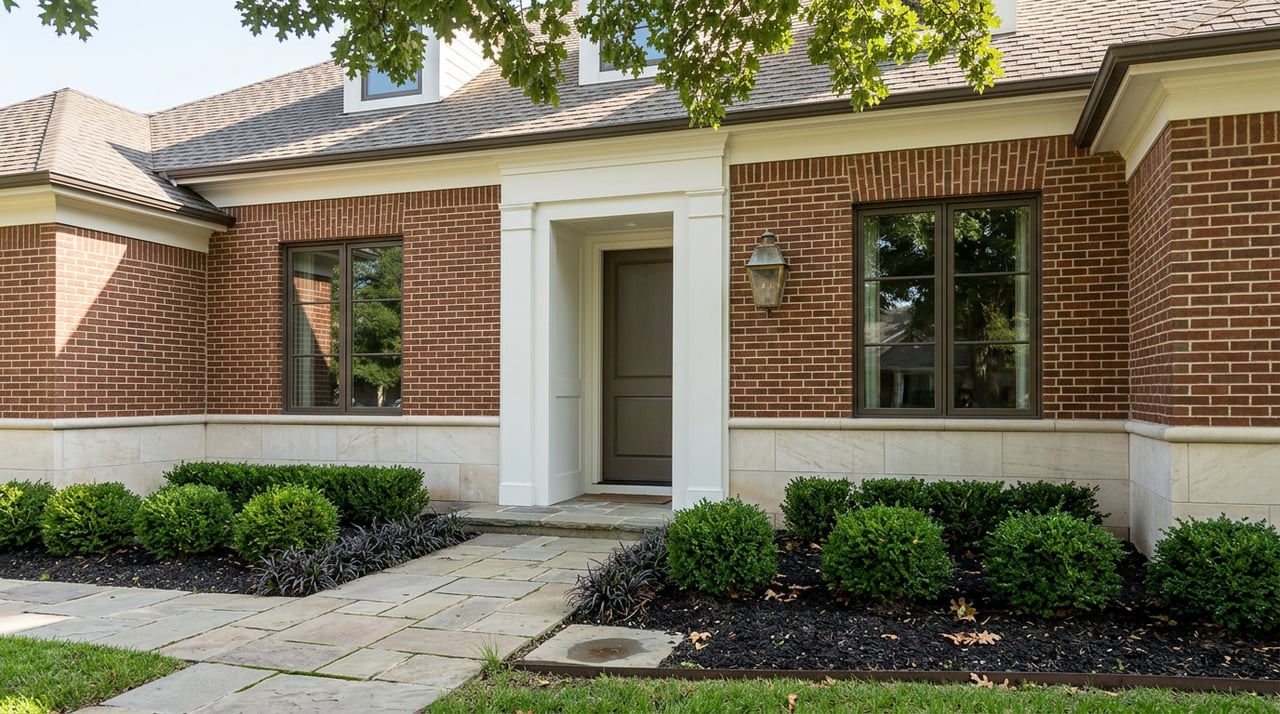
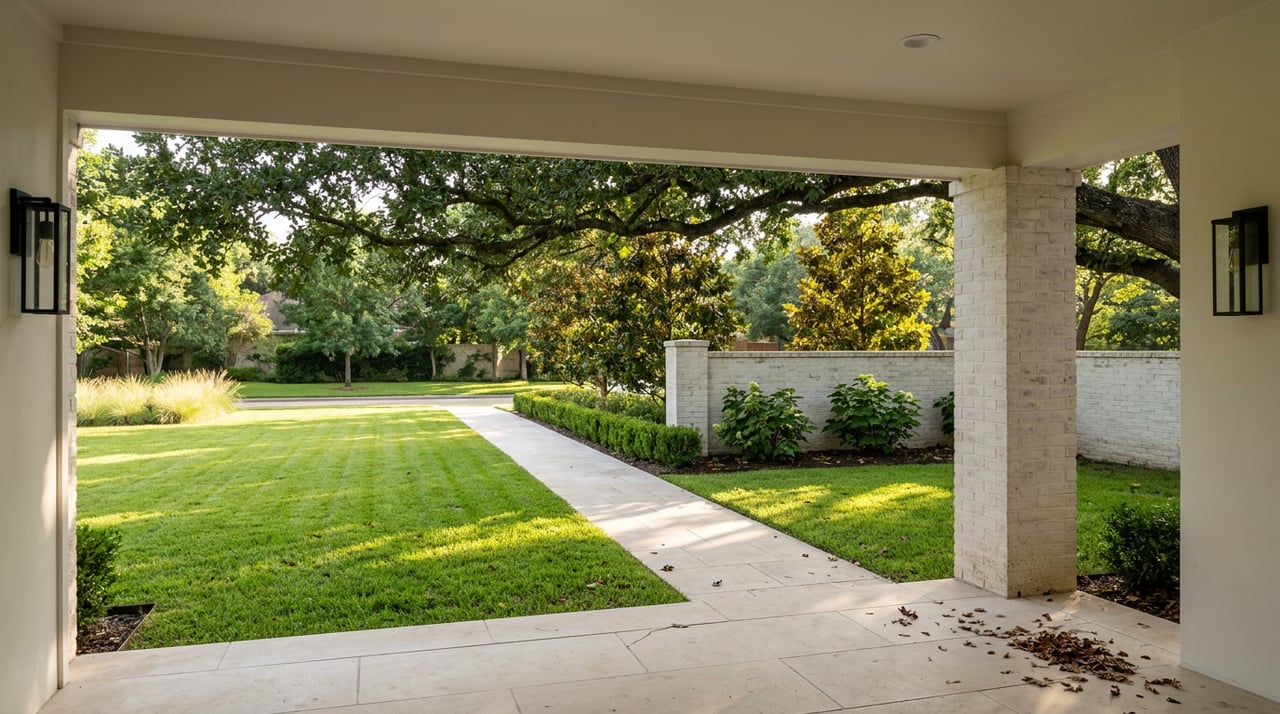
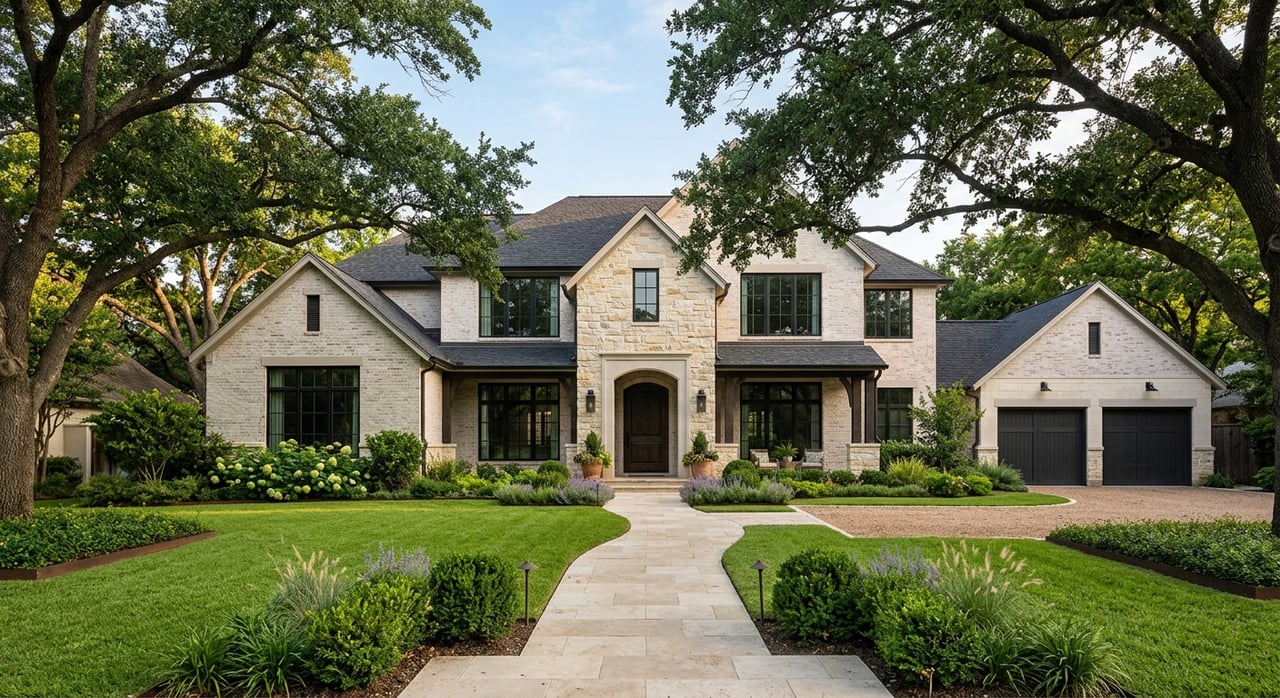
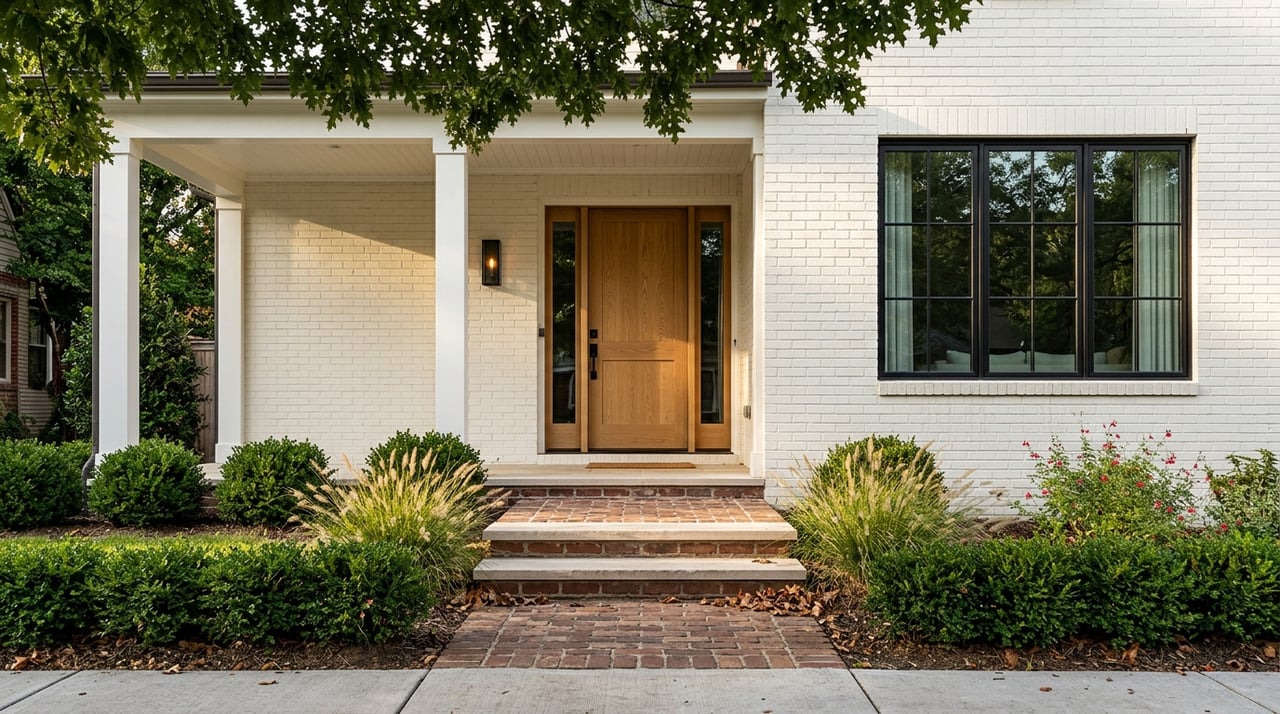
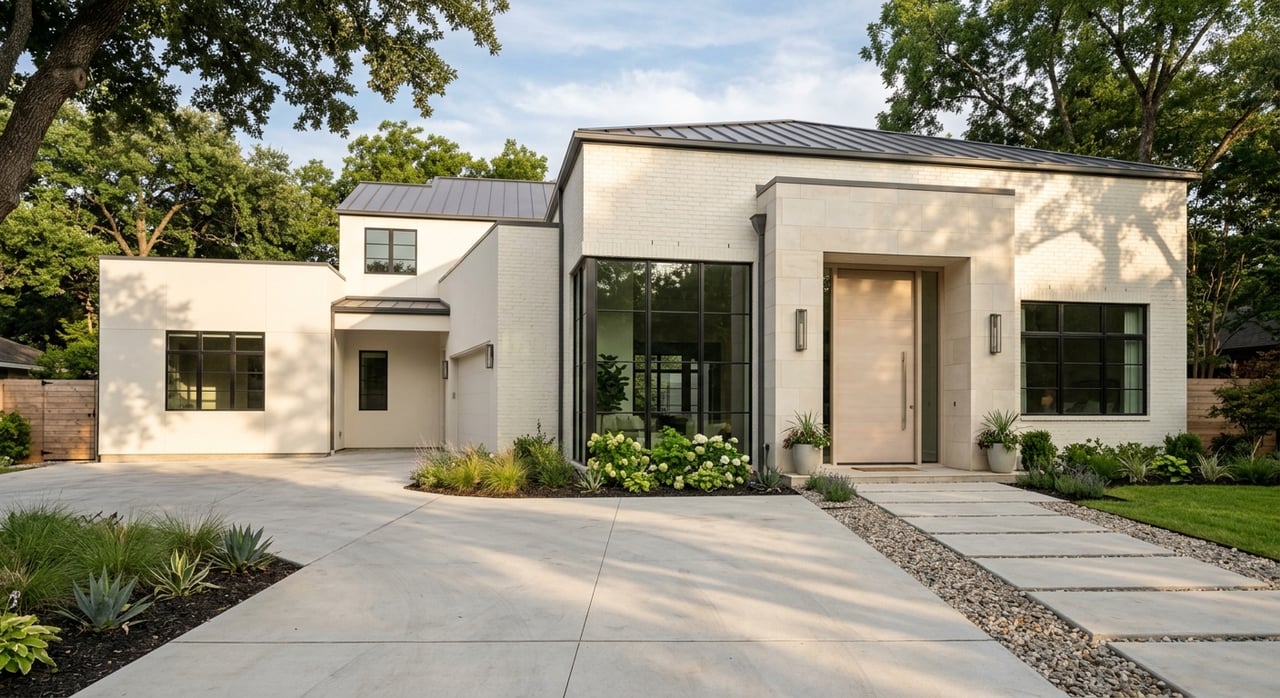
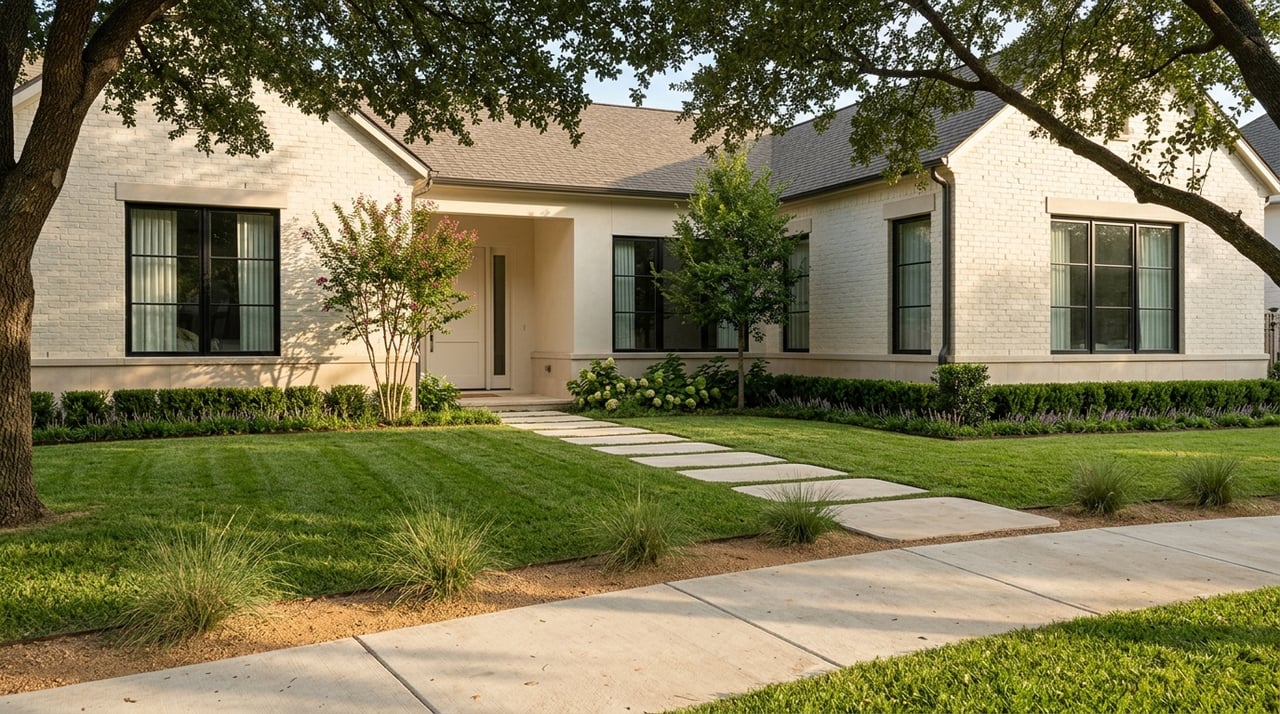
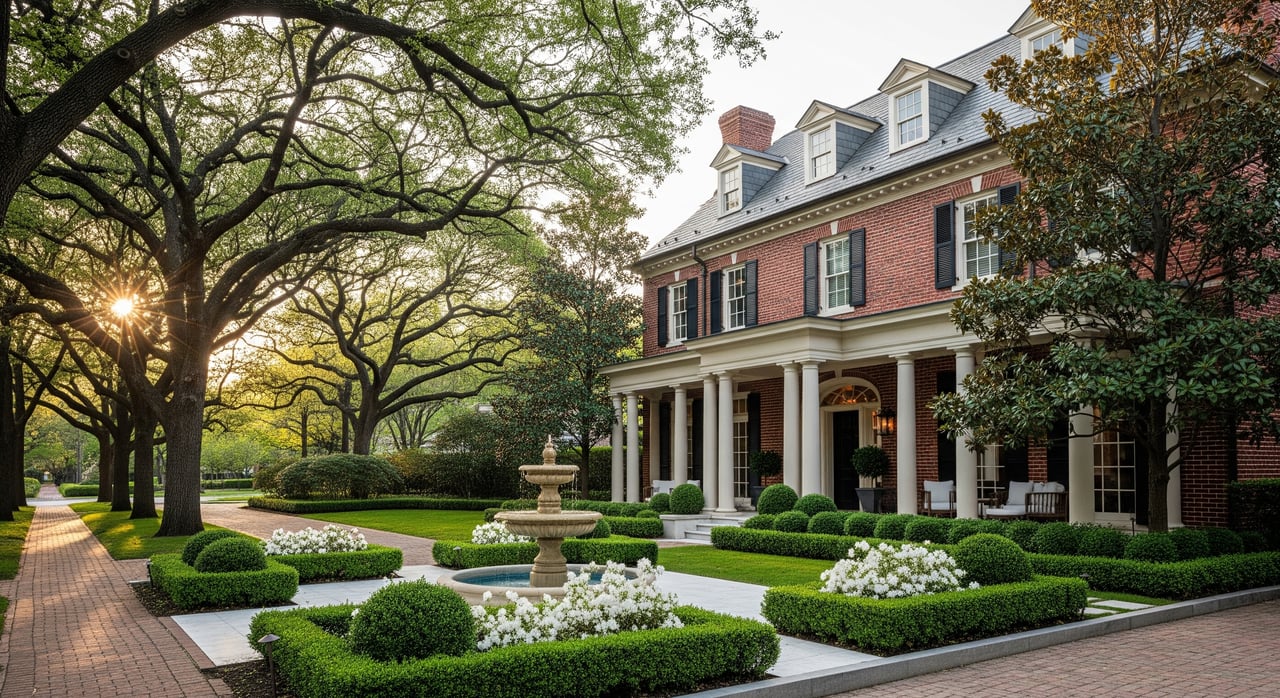
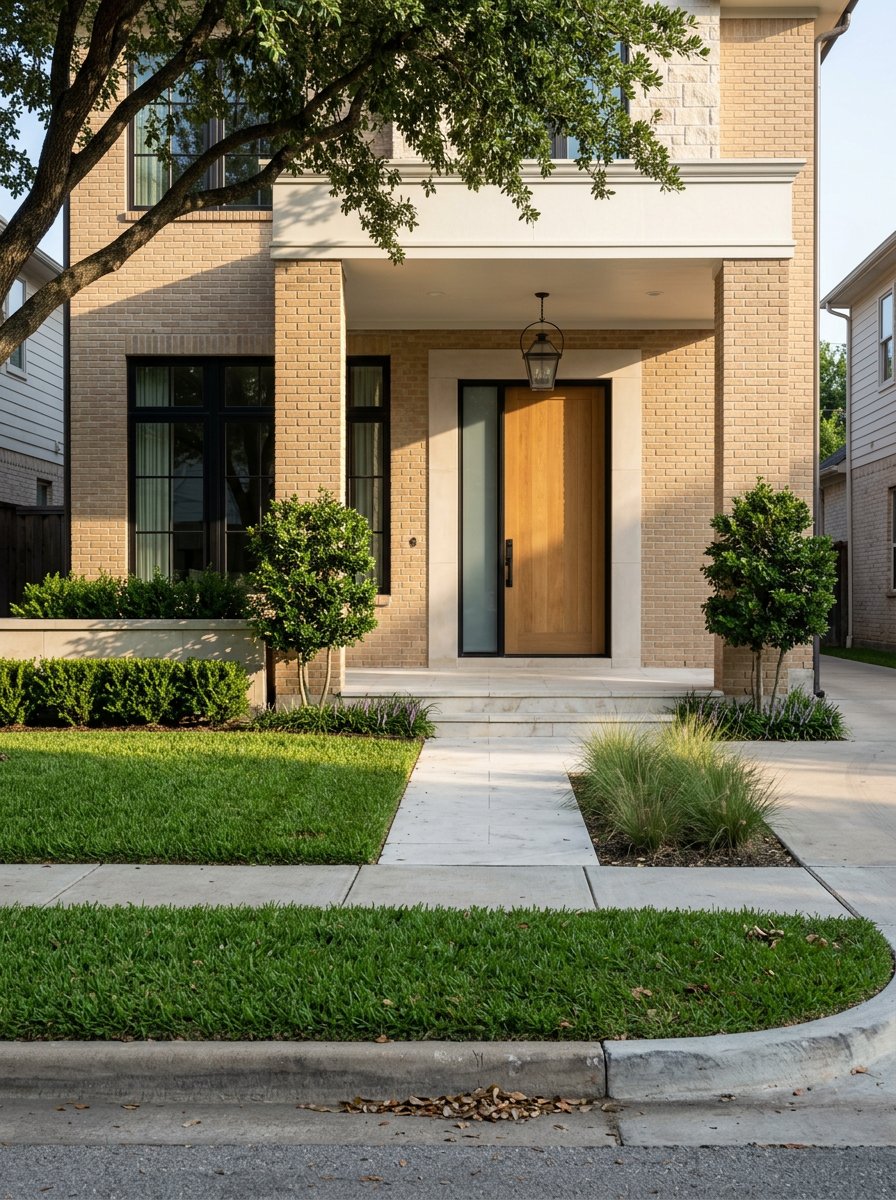
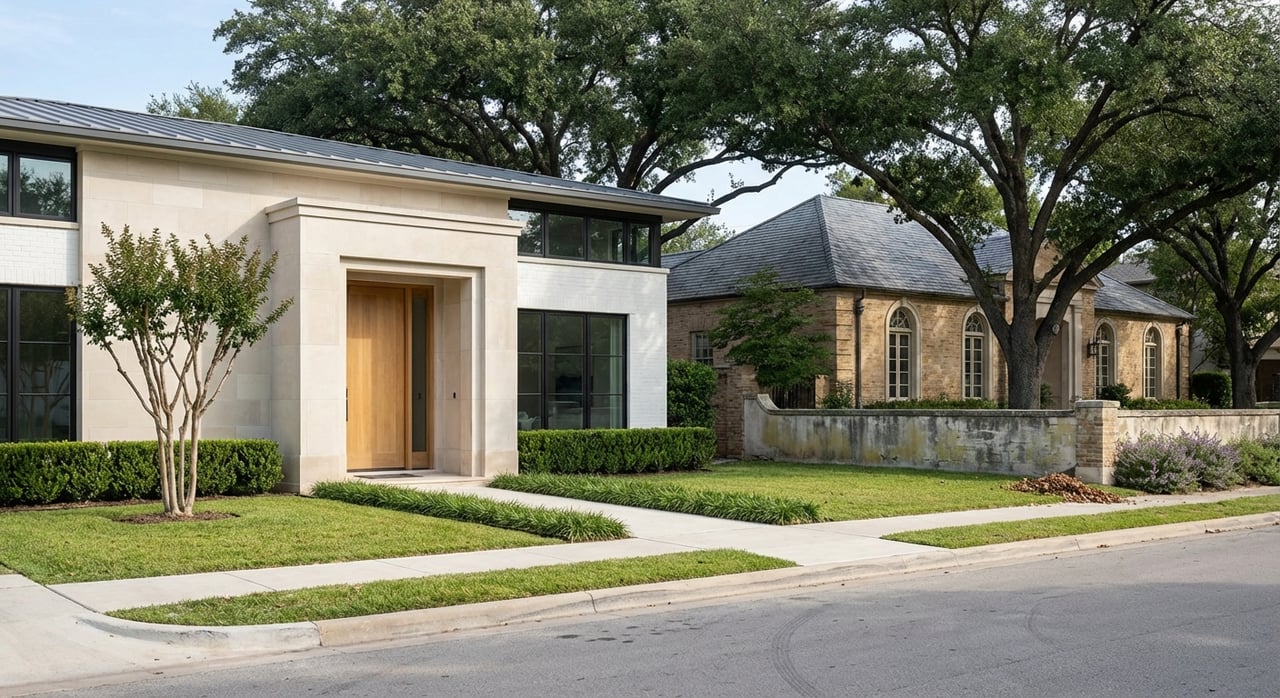
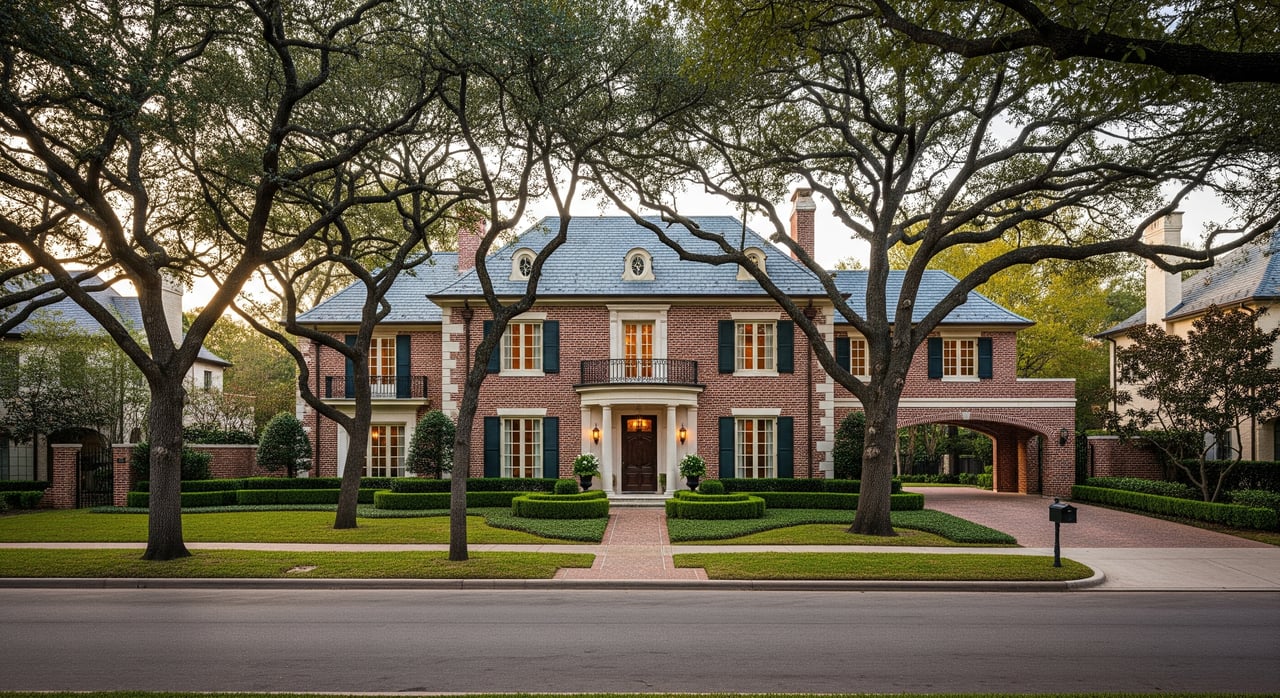
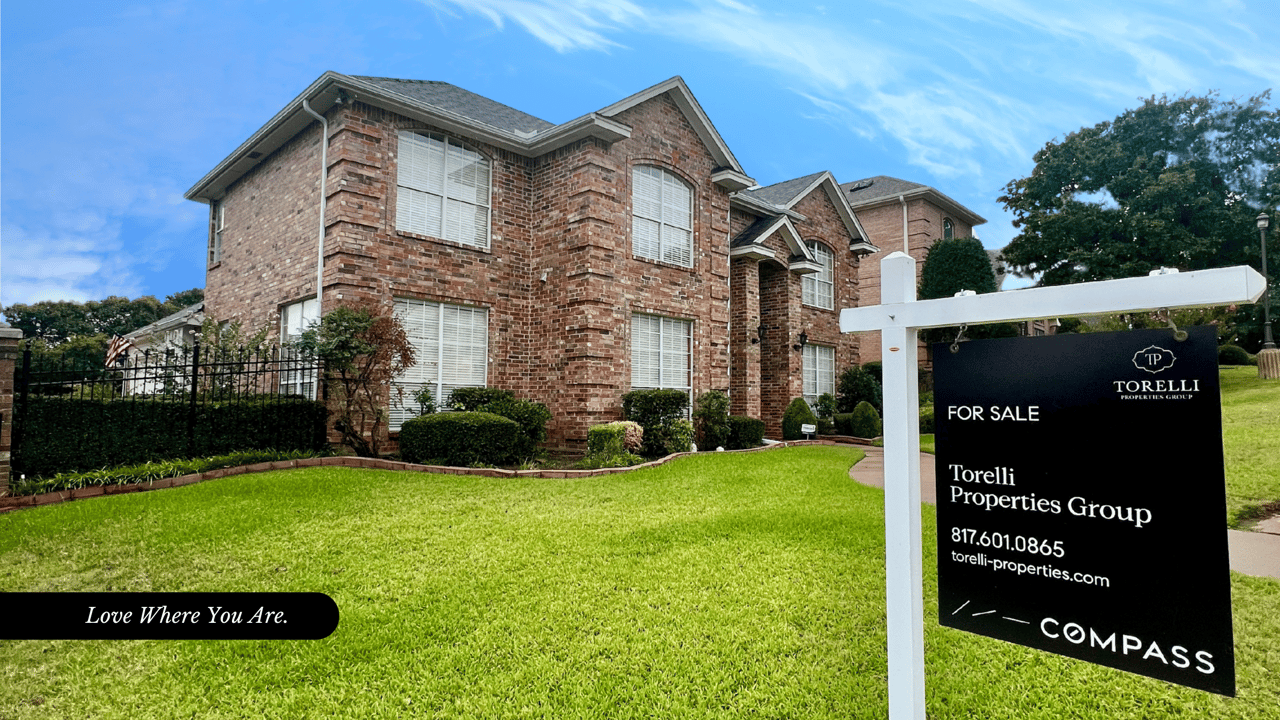
If your goal is a detached single-family home near the Cultural District, Arlington Heights stands out. City design guidelines describe the neighborhood as having tree-lined streets, sidewalks, and modest single-family and duplex homes.
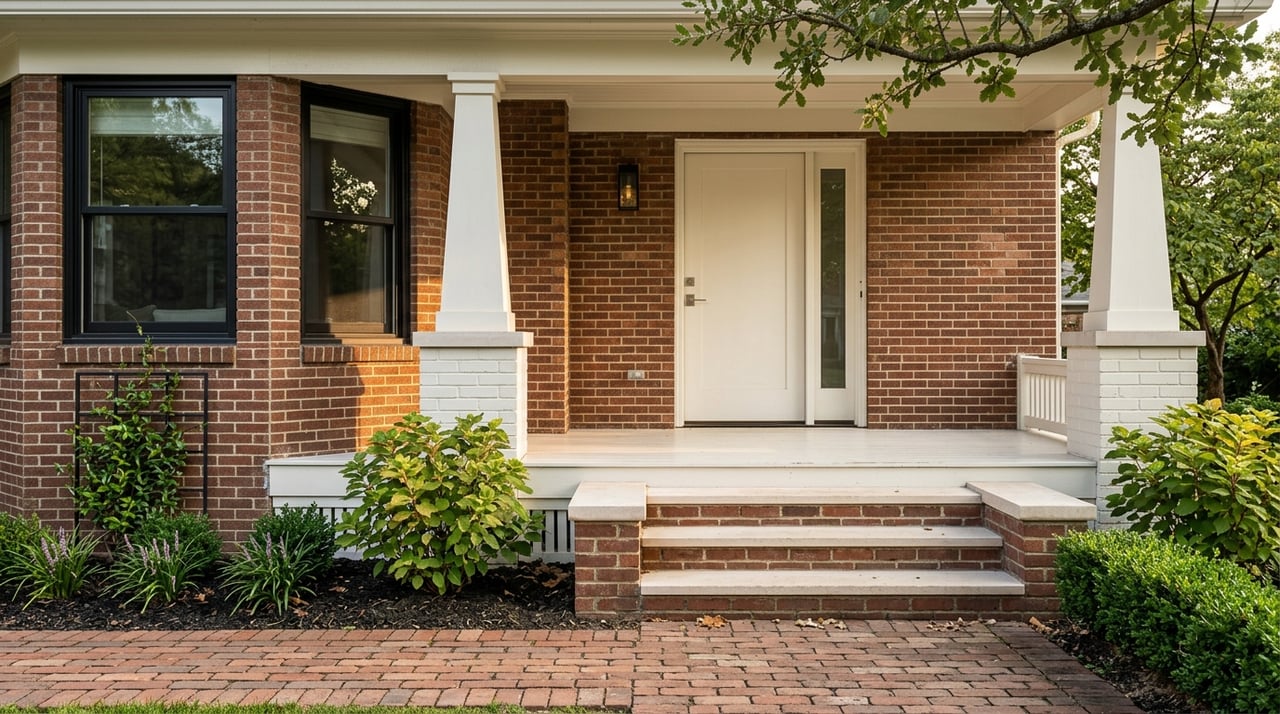
The same materials note that much of the housing stock is historic, with Craftsman, Tudor Revival, and Minimal Traditional styles especially prominent. This is one of the clearest nearby pockets for buyers who want classic single-family homes with close access to the district’s amenities.
Historic district considerations
In some nearby areas, historic preservation rules can affect renovation plans. Fort Worth’s historic preservation office notes that exterior changes to historic properties generally require a Certificate of Appropriateness before permits are issued or work begins.
For buyers, that means it is smart to understand design review requirements early if a home is in a locally designated historic district. For sellers, it can also be helpful to prepare clear information about any prior approvals or exterior updates before listing.
How the area fits the Fort Worth market
The Cultural District sits in a part of Fort Worth that tends to attract buyers who value location and amenities. Research for the surrounding 76107 ZIP code reports an average home value of $367,246, while homes go pending in about 24 days. Redfin reports Fort Worth’s median sale price at $339K over the last three months.
These numbers are not directly identical measures, so the best way to read them is directionally. Together, they suggest that this west-side, close-in market sits on the stronger amenity-driven side of Fort Worth while still offering multiple housing types and price points.
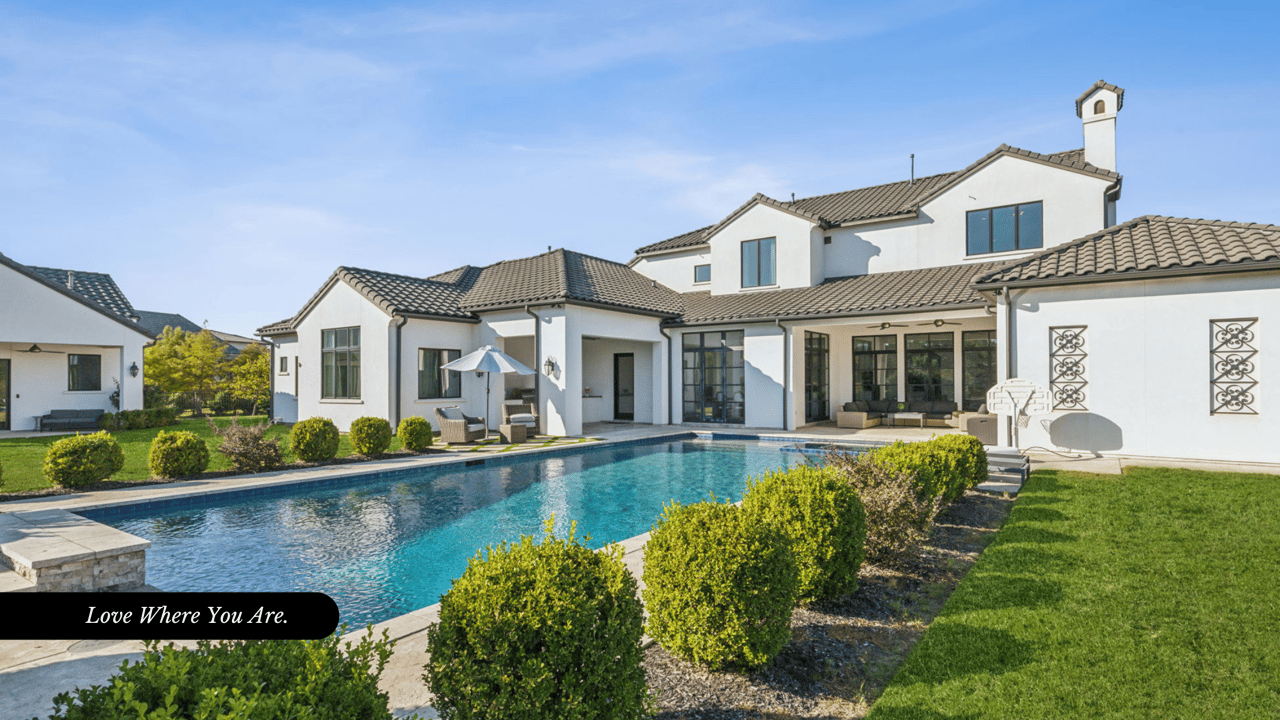
That mix is part of what makes the area appealing. Whether you prefer a condo near West 7th, a townhome-style option, or a detached home in a nearby historic pocket, the district connects a range of housing choices to a very consistent lifestyle draw.
Who the Cultural District fits best
The Cultural District tends to work well if you want your neighborhood to offer more than just a place to sleep. It suits buyers who value access to parks, museums, events, and connected urban amenities without giving up all sense of openness or greenery.
You may especially appreciate this area if your ideal week includes a mix of outdoor time, dining, and easy access to major Fort Worth destinations. It can also be a smart fit if you want options, since the surrounding housing stock spans condos, townhomes, duplexes, and detached homes.
For sellers, the district’s appeal often comes down to lifestyle clarity. Buyers are not just choosing a property here. They are choosing a location where culture, recreation, and convenience all sit close together.
If you are considering a move near Fort Worth’s Cultural District, the right strategy starts with understanding which nearby pocket best matches the way you want to live. The team at Torelli Properties Group can help you navigate Fort Worth housing options with a personalized, high-touch approach.
FAQs
What is everyday life like in Fort Worth’s Cultural District?
- Everyday life in the Cultural District often blends museum access, park time, dining, and major events, with Trinity Park, the Botanic Garden, West 7th, and several museums all close together.
What types of homes are near Fort Worth’s Cultural District?
- Housing near the Cultural District includes condos and attached housing around West 7th and Montgomery Plaza, townhome and infill options in Linwood, and detached single-family homes in nearby areas like Arlington Heights.
Is Fort Worth’s Cultural District walkable?
- The Cultural District is walkable for short trips between some museums, parks, and nearby restaurants, but most people use a mix of walking, transit, driving, and rideshare.
How do you get around Fort Worth’s Cultural District without driving?
- Trinity Metro says Routes 2 and 4 connect Downtown Fort Worth to the Cultural District, and The Cup - Cultural District is also promoted as an option for reaching museums and green space.
Are there historic-home rules near Fort Worth’s Cultural District?
- Yes. In locally designated historic districts, exterior changes generally require a Certificate of Appropriateness before permits are issued or work begins.
How does the Fort Worth Cultural District compare to the broader market?
- Available market data suggests the surrounding 76107 area sits on the stronger amenity-driven side of Fort Worth’s central market, with a mix of housing types and relatively quick pending times.