If you are thinking about buying in Frisco, one question matters more than ever: what happens to housing when a city keeps adding major employers? In Frisco, the answer is not just higher visibility or more buzz. It can shape demand, pricing, inventory, and even the kind of home that makes the most sense for your next move. Let’s break down what Frisco’s corporate growth means for you as a buyer, and how to shop this market with more confidence.
Why Frisco’s corporate growth matters
Frisco’s corporate expansion is not a passing headline. The Frisco Economic Development Corporation continues to position the city as a strong market for headquarters and business expansion, citing its central U.S. location, no state income tax, available land, educated workforce, and business-friendly environment.
That growth is visible in the employer base. Major names listed by the Frisco EDC include TIAA, PGA of America, T-Mobile, and Thomson Reuters. In fiscal year 2025, the EDC said it supported 14 corporate office relocations and expansions.
The development pipeline is also substantial. The EDC says Frisco has 10 master-planned mixed-use developments projected to add at least 10 million square feet of office space over the next 15 years. For homebuyers, that matters because office growth often supports long-term housing demand.
Major projects shaping demand
Several large projects help explain why Frisco continues to attract attention from buyers, renters, and relocating professionals. The City of Frisco says PGA of America moved its headquarters to Frisco in 2022 as part of a 600-acre mixed-use development.
The city also approved The Mix, a 112-acre project planned for 2 million square feet of Class A office space and 3,299 residential units. The Star remains another major landmark as the Cowboys’ headquarters and practice facility, and Fields is a 2,544-acre mixed-use development.
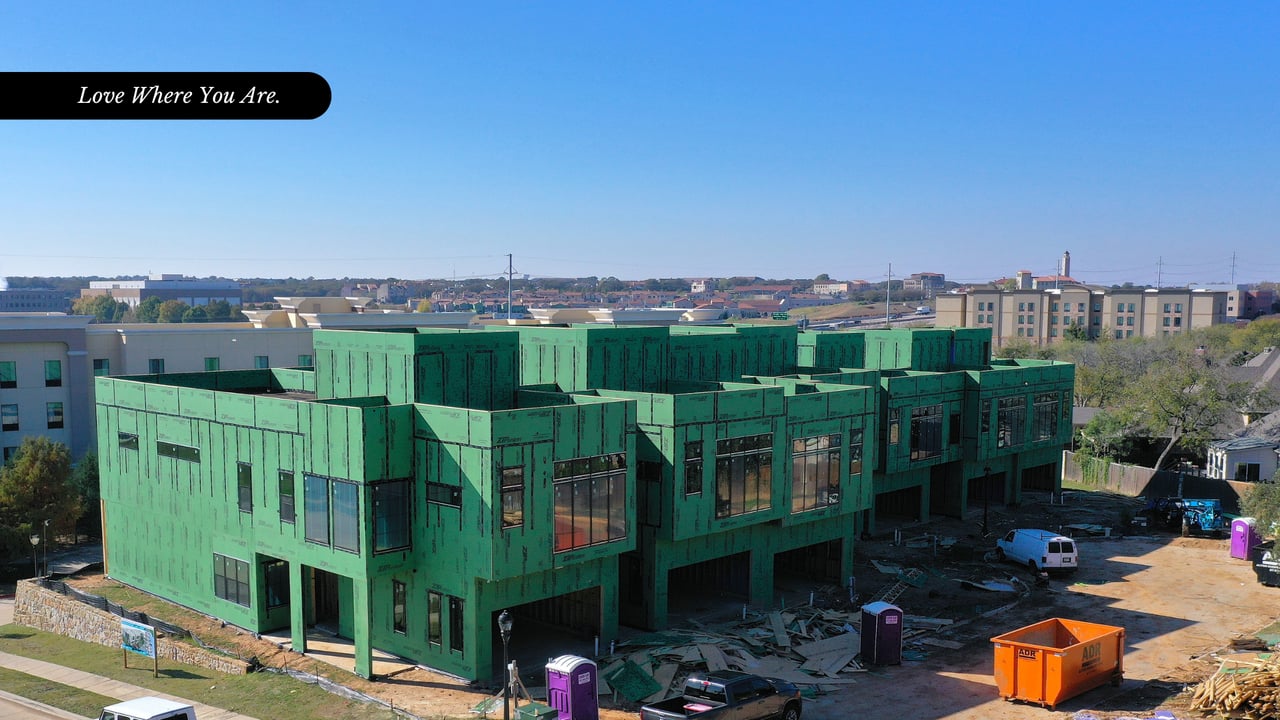
These projects do more than add buildings. They create employment centers, attract supporting businesses, and expand the number of people who want to live near work, retail, and entertainment. That can influence where buyer demand concentrates over time.
What the city’s long-term plan suggests
Frisco’s 2040 comprehensive plan points to meaningful future growth if remaining vacant land develops as planned. The city projects the potential for more than 29,000 additional jobs and more than 99,000 additional residents by 2040.
The same plan also notes that Frisco is home to about 350 startups. It specifically describes mixed-use environments as talent attractors because they combine housing, commercial services, and amenities in one setting.
For you as a buyer, the takeaway is fairly simple. Frisco’s corporate boom appears to support long-run housing demand, even if short-term pricing does not move in a straight line.
What today’s buyer pool looks like
Frisco’s 2026 at-a-glance profile, based on 2024 ACS data, offers a useful snapshot of the local market. The city reports a population of 245,470, a median age of 39.4, and 69.3% of adults with a bachelor’s degree or higher.
The profile also says 33.7% of residents work from home. That is a notable figure because it helps explain why flexible floor plans, dedicated office space, and homes with extra rooms can remain attractive to buyers.
Housing occupancy also shows a balanced picture of ownership and renting. Frisco reports 63.7% owner-occupied housing and 36.3% renter-occupied housing, with a median home value of $736,094.
How the corporate boom affects homebuyer demand
Corporate growth can influence the market in a few practical ways. First, it tends to bring more relocating professionals into the area, including people who may rent first and buy later. Realtor.com lists 1,022 rental properties in Frisco with a median rent of $1,971 per month, which suggests a sizable bridge market.
Second, job growth can increase demand for homes near major employment corridors and mixed-use centers. Buyers may place more value on commute convenience, layout flexibility, and access to daily services than they did in a less employment-driven market.
Third, not every buyer is looking for the same thing. Some may prioritize a larger single-family home, while others may want a lower-maintenance property near emerging office and lifestyle hubs.
Frisco is not one single market
One of the biggest mistakes buyers can make is treating all of Frisco the same. Neighborhood-level pricing shows a wide range across the city.
According to Realtor.com, Starwood is listed around $1.4395 million, Richwoods around $1.025 million, and Stonebriar around $995,000. At the same time, Plantation Resort sits around $566,500, Panther Creek Estates around $629,000, and Preston Vineyards around $458,450.
That spread matters. It suggests higher-end, amenity-rich areas may continue to attract strong relocation and executive demand, while other parts of Frisco may offer more approachable price points for buyers who still want a Frisco address.
What the current market says about leverage
The good news for buyers is that Frisco does not appear to be in the same frenzy it experienced during the hottest pandemic-era years. Realtor.com’s June 2026 snapshot shows 782 homes for sale, a median listing price of $731,000, a median sold price of $593,000, 36 median days on market, and a 95% sale-to-list ratio.
Realtor.com classifies Frisco as a buyer’s market for that period. It also reports active listings up 103.55% over three years, which points to more options than many buyers had during the peak competition cycle.
Other housing data sources show a similar cooling trend, even if the exact numbers differ. Zillow reports an average home value of $658,055, down 5.3% year over year through May 31, 2026, while Redfin reports a $688,000 median sale price over the last three months, down 1.5% year over year.
What this means for your buying strategy
A cooler market does not mean Frisco is cheap. It does mean you may have more room to compare homes carefully, negotiate thoughtfully, and avoid rushing into a decision based only on fear of missing out.
At the same time, Frisco’s long-term development pipeline suggests demand drivers are still in place. In other words, you may be shopping in a market with better near-term leverage, while still buying into a city with a large economic growth story.
That balance can be attractive if you are planning to stay put for several years. It may also matter if you are relocating and want a home that fits both your daily life and longer-term resale potential.
Look beyond the list price
In Frisco, the address alone does not tell the full financial story. Because the city spans both Collin and Denton counties, carrying costs can vary depending on where the property is located.
The City of Frisco directs property owners to county-specific billing and appraisal districts. For buyers, that means it is important to compare the full tax picture, not just the neighborhood name or purchase price.
This is especially important when you are comparing homes that seem similar on paper. A lower list price does not always translate into lower monthly ownership costs.
Smart factors to compare in Frisco
If you are buying in Frisco during this phase of growth, it helps to compare homes through a broader lens. A smart search usually goes beyond square footage and finishes.
Consider these factors as you narrow your options:
- Commute patterns to your workplace or key business districts
- County location and total property tax picture
- Floor plan flexibility, especially if you work from home
- Proximity to mixed-use developments and daily conveniences
- Neighborhood price band and how it fits your budget goals
- Short-term lifestyle fit and longer-term resale appeal
These comparisons can help you choose a home that works for your real life, not just one that looks good in a listing.
A practical view for relocating buyers
If you are moving to Frisco because of a corporate transfer or new role, the market can feel fast and fragmented. Large developments, varied price points, and county-specific tax differences can create more moving parts than many buyers expect.
That is why a clear process matters. Instead of assuming every Frisco neighborhood behaves the same way, it is more useful to compare commute flow, housing style, monthly carrying costs, and where current inventory gives you the strongest options.
This is where local guidance can save time. In a market with both luxury pockets and more price-sensitive segments, strategy matters just as much as budget.
Why Frisco still stands out
Frisco’s corporate boom does not guarantee rapid price spikes in every season. What it does suggest is a durable demand story built on jobs, mixed-use development, and continued business investment.
For buyers, that can create an appealing window. You may be entering the market at a time when inventory is healthier and pricing has cooled, while the city’s long-range growth story remains intact.
If you want help evaluating Frisco through the lens of relocation, lifestyle, budget, or long-term value, the team at Torelli Properties Group can help you build a clear, personalized plan.
FAQs
How does corporate growth affect Frisco home prices?
- Corporate growth can support long-term housing demand by bringing more jobs and residents to the area, but current 2026 market data also shows higher inventory and cooler pricing than during the earlier boom.
Is Frisco a buyer’s market right now?
- Realtor.com classified Frisco as a buyer’s market in June 2026, with 782 homes for sale, 36 median days on market, and a 95% sale-to-list ratio.
Are all Frisco neighborhoods priced the same?
- No. Neighborhood-level data shows wide variation, from areas like Preston Vineyards around $458,450 to higher-priced areas like Starwood around $1.4395 million.
Why do taxes vary within Frisco?
- Frisco is split between Collin and Denton counties, so buyers should compare the full property tax picture by address rather than assuming costs are the same across the city.
What should relocating buyers focus on in Frisco?
- Relocating buyers should compare commute patterns, total tax costs, home layout flexibility, and how each area fits their budget and daily routine.