Drive south on Henderson Street any weekday this summer and the 85-foot Mediterranean-style tower at Lancaster is doing something it has not done in most residents' memory. It is lit. Cars are parked around it. There is a leasing office on the ground floor, an outdoor pool behind it, and a café that started serving pastries and coffee in the spring. If you have lived in Fort Worth for more than a few years, you have watched the 1930 Public Market building sit empty. It has been vacant since 2002. It closed the first time in 1941.
The building coming back to life is a story on its own. The bigger story, the one worth understanding if you already live here, is what it does to the walk between the Medical District and South Main. For the first time in decades, the downtown southwest corridor has an anchor that pulls the Near Southside toward it instead of past it.
The building, before the food
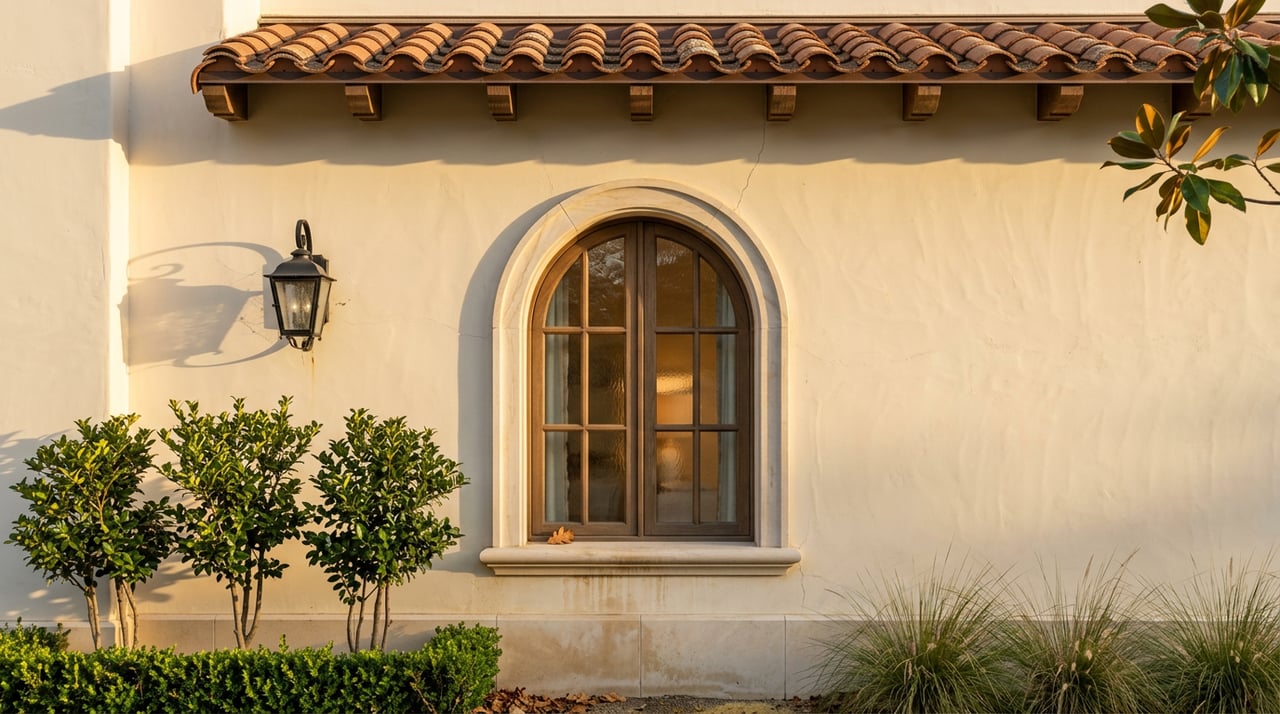
The Fort Worth Public Market at 1400 Henderson was developed by an Oklahoma City businessman named John J. Harden, designed by B. Gaylord Noftsger in Spanish Colonial Revival style, and originally built so farmers had a central place to sell and the streets could be cleared of produce wagons. It was listed as a Texas Historic Landmark in 1980 and placed on the National Register of Historic Places in 1984, which is why Wilks Development was able to layer state and federal historic tax credits onto a restoration that was estimated at $54 million in June 2023, with credits that would refund up to 45% of eligible expenses. Boka Powell designed the redevelopment. NE Construction handled the build.
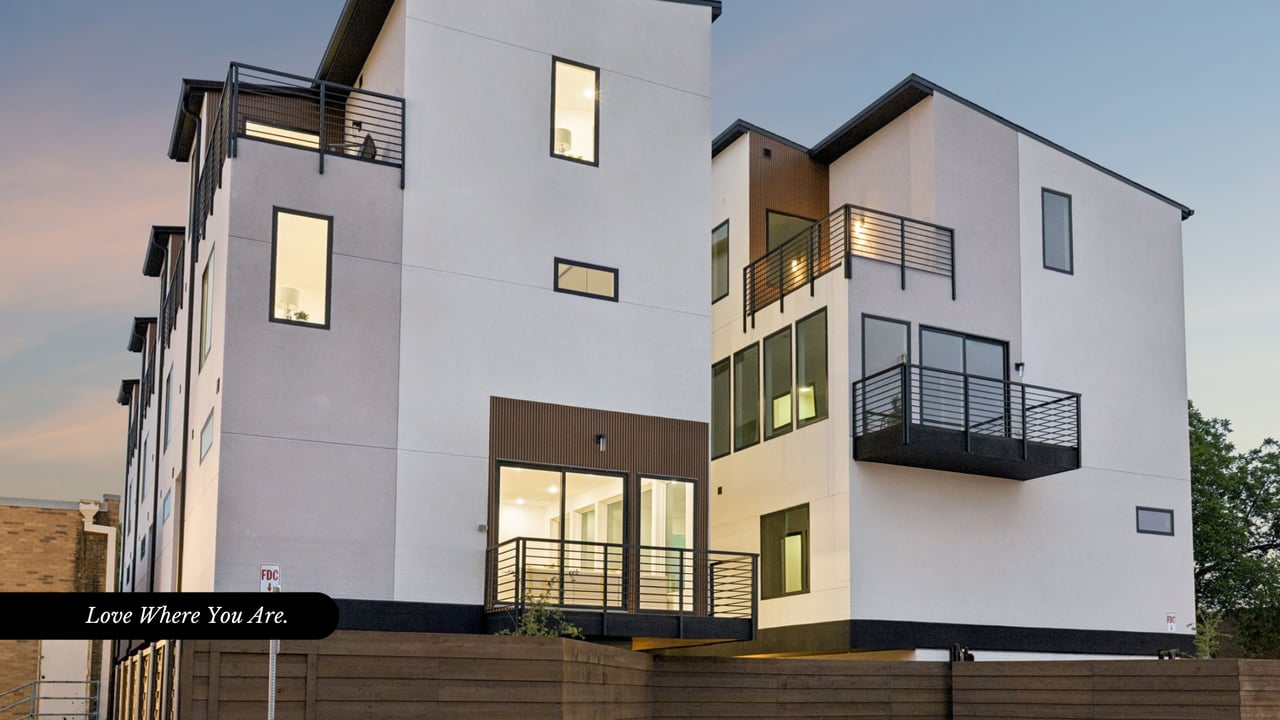
Two things are opening on the property, and it helps to keep them separate in your head. The Harden at Public Market is a 199-unit apartment community immediately next door, now open to residents of all ages, with the food and beverage concepts anticipated to open in mid-2026. The Public Market building itself is the historic structure with the tower, and it holds three food and beverage concepts totaling roughly 15,365 square feet of restored market space plus 4,500 square feet for the leasing office and fitness center.
Three concepts, three different visits
The Kinards, Chef Jenna and her husband Micah, are running all three concepts under one operational umbrella. That decision is the interesting one. Wilks originally floated three separate operators, and senior vice president Jess Green described the prospect of three different vendors as a "complicated nightmare". Consolidating under one team lets the concepts share sourcing, staff, and the hydroponic garden that will grow microgreens, herbs, and tomatoes inside the building.
The practical result for someone who lives here is a single address that serves three different day-parts.
| Concept | Format | When you'd actually go |
|---|---|---|
| Public Market Café & Goods | North-side café with baked goods, coffee, locally made products, on-site hydroponic produce | Weekday mornings, grab-and-go, Saturday errands |
| Bar Willow | Cocktail lounge with a premium liquor locker program | After work, before a downtown show, a nightcap |
| Madrone | Chef's tasting menus and private dining, "refined Texas flair" | Anniversaries, out-of-town guests, closing dinners |
The Café is slated to open first, followed by Bar Willow and Madrone, and Wilks has said the three should finish within a couple of weeks of each other even if service is phased in. Madrone is named for the Texas evergreen that thrives in West Texas, and Kinard describes the food as uniquely Texana with a focus on seasonal native ingredients, "a taste of Texas in an elevated way," with an opening menu featuring Texas wagyu tartare, deviled eggs, hamachi with mesquite bean miso, and Gulf oysters.
Kinard is not a newcomer. She has been executive chef at Max's Wine Dive, Hotel Drover's 97 West, and Jellico's at the Westin Southlake, and won Fort Worth Magazine's Top Chef competition in 2019. If Madrone lands, it will be the most ambitious downtown fine-dining room the city has opened in years.
"That's what it has come back to again and again — what an honor it is to get to steward such a historic building, such a historic place that has meant a great deal to so many people for many, many years." — Chef Jenna Kinard, on the Public Market
What it connects to, block by block
The reason the Public Market matters beyond its own walls is what already exists inside a fifteen-minute walk. The Near Southside has been thickening for two years, and most of the operators moving into permanent addresses this summer came out of pop-ups, food-truck routes, or food halls inside the same two-mile radius. They are not new to the neighborhood. They are graduating within it.
A partial map of what has landed or is landing in 2026:
- Salt & Straw, 1305 W. Magnolia Ave. The Portland ice cream shop opened around June 2026 as a west coast favorite making its second North Texas debut, with flavors like strawberry honey balsamic with black pepper and Arbequina olive oil.
- At The Oaks, 304 W. Cannon Street. A restored craftsman home converted into a coffee shop that roasts its own beans in-house, with a Cottage House next door already running pop-up events before the main café opens.
- Brooklyn's, 401 S. Main Street. NYC-inspired street food and cocktails in the space that sat dormant for two years after Tre Mogli closed.
- Sweet Stacks, W. Magnolia Ave. Asian soufflé pancakes and Lao-influenced rice bowls in the former Vice Burger space, drawing weekend lines.
- Yoichi, Near Southside. Counter omakase in the space last occupied by Shinjuku Station.
- Hiro's Kitchen, Near Southside, this summer. Hiroto and Nami Ochiai are making permanent the Wednesday night sushi pop-up they ran at The Holly wine bar.
- Enchiladas Ole and Holy Cue, 1208 W. Magnolia Ave. Mary Patino Perez's two concepts running under one roof in Cat City Grill's former space, with nothing priced over $16.
- Duong DeVille, Entrepreneur Park. Chef Hao Tran's first full-scale restaurant, planned for later this summer, honoring South and Central Vietnamese cooking.
- Beverley's, downtown, in the basement of the historic Hogan Building at 901 Houston St. From the team behind The Mont, a subterranean Mexican room designed by Kellye Raughton.
Add the Public Market at the north end of that corridor and the geography changes. Downtown's southwest corner used to be the point at which a Magnolia dinner ended and a downtown drink began, requiring a car. Now it is a destination in itself, and the two districts read as one continuous evening.
What the Harden tells you about who is moving in
The Harden is a 199-unit apartment community open to residents of all ages, with a pickleball court, resort-style pool and spa, fitness center, dog park, and resident clubhouse. It opened in January 2026. Rents start at $1,546 per month for a 723-square-foot one-bedroom and run past $3,000 per month for a 1,473-square-foot two-bedroom, with 164 one-bedrooms and 35 two-bedrooms in the mix. That is a specific pricing signal for anyone paying attention to what downtown-adjacent Fort Worth is willing to charge for a walkable address next to a historic building. It is not luxury tower pricing. It is not entry pricing either.
The people leasing at the Harden and the people already living in Ryan Place, Fairmount, and Mistletoe Heights are now sharing the same short list of coffee, cocktails, and Saturday brunch. That overlap is what will drive whether Madrone books out on Friday nights.
A Saturday, if you want one
If you have not walked this piece of the city on foot since the Public Market wrapped, here is a route that uses the new geography:
- Morning espresso and a pastry at Public Market Café & Goods, 1400 Henderson.
- Walk south on Henderson to Magnolia, then west. Stop at At The Oaks on Cannon for a second cup and a browse of the local goods.
- Lunch at Enchiladas Ole on Magnolia. Nothing over $16.
- Afternoon scoop at Salt & Straw, 1305 W. Magnolia.
- Late afternoon drink at Southside Cellar, which opened a craft beer bar just months before a global pandemic and became one of Fort Worth's most beloved destinations for thoughtful drinking.
- Dinner at Brooklyn's on South Main, or the omakase counter at Yoichi if the reservation gods allow.
- Nightcap at Bar Willow inside the Public Market on your way home.
You can do the whole loop without moving your car after the first stop, which is a sentence that was not true in Fort Worth twelve months ago.
What to actually watch
Two things will tell you whether the corridor holds. The first is whether Madrone books a consistent Wednesday and Thursday, not just weekends. Tasting-menu rooms live or die on midweek covers, and Fort Worth has historically been a Friday-Saturday market for high-end dining. The Chumley House and The Mont have proven the ceiling is higher than it used to be. Madrone will test it.
The second is whether the Public Market's hydroponic program actually ships product to the Café case and the Madrone kitchen the way the plan describes. On-site growing is a differentiator on paper. In practice it is a labor and yield problem that most restaurants outsource within a year. If the Kinards make it work, expect other operators on Magnolia to copy the model. If they quietly source from a wholesaler by next spring, that tells you something too.
Either way, the map has changed. The walk from Rosedale to Lancaster is denser than it was in May, and the building that has been a landmark in silhouette for a hundred years is now a landmark you can walk into.
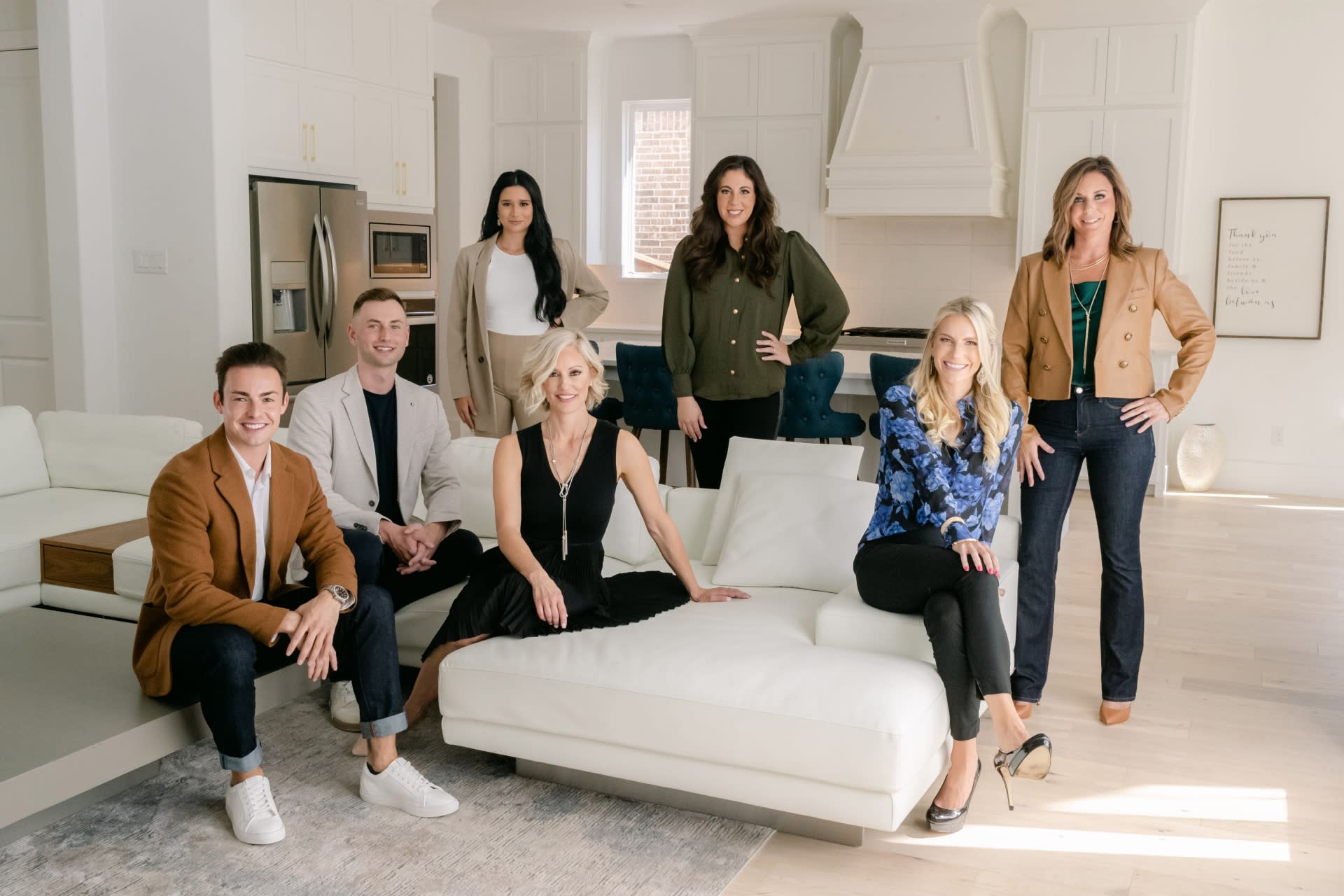
If you are thinking about what a move within Fort Worth looks like as this corridor tightens, or how your current block sits relative to the new spine of walkable dining, the team at Torelli Properties Group is happy to talk through the neighborhood specifics. Schedule Your Personalized Consultation.