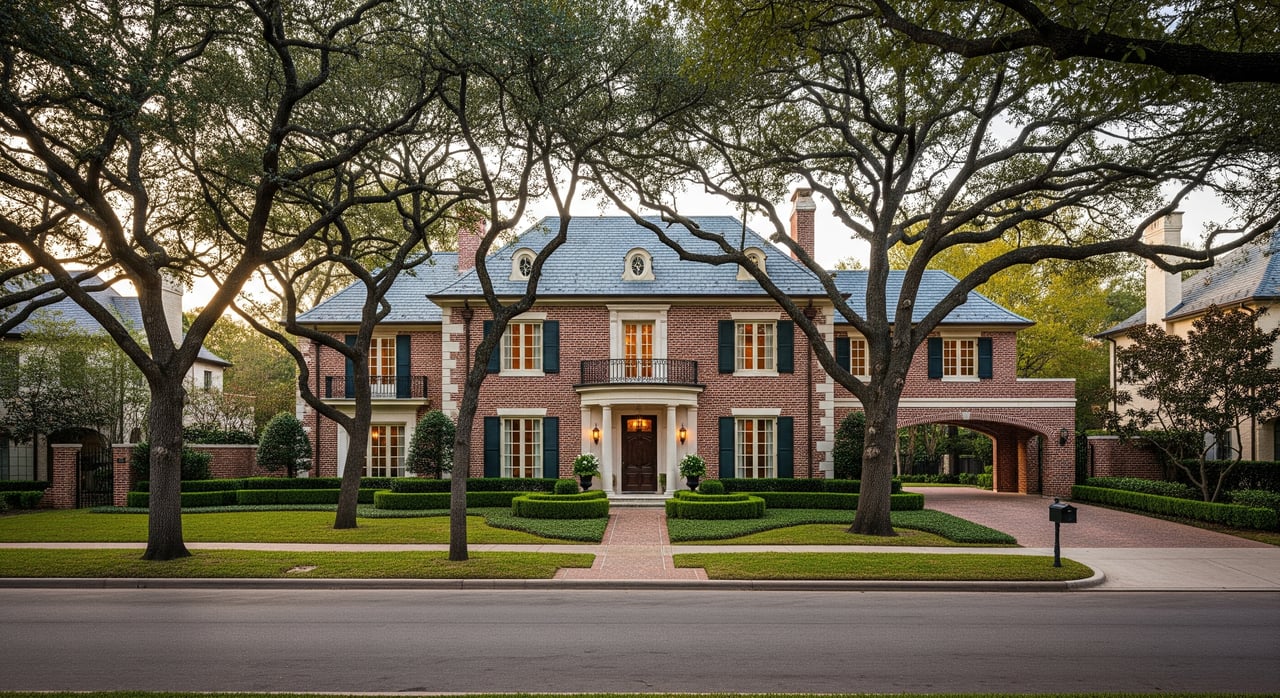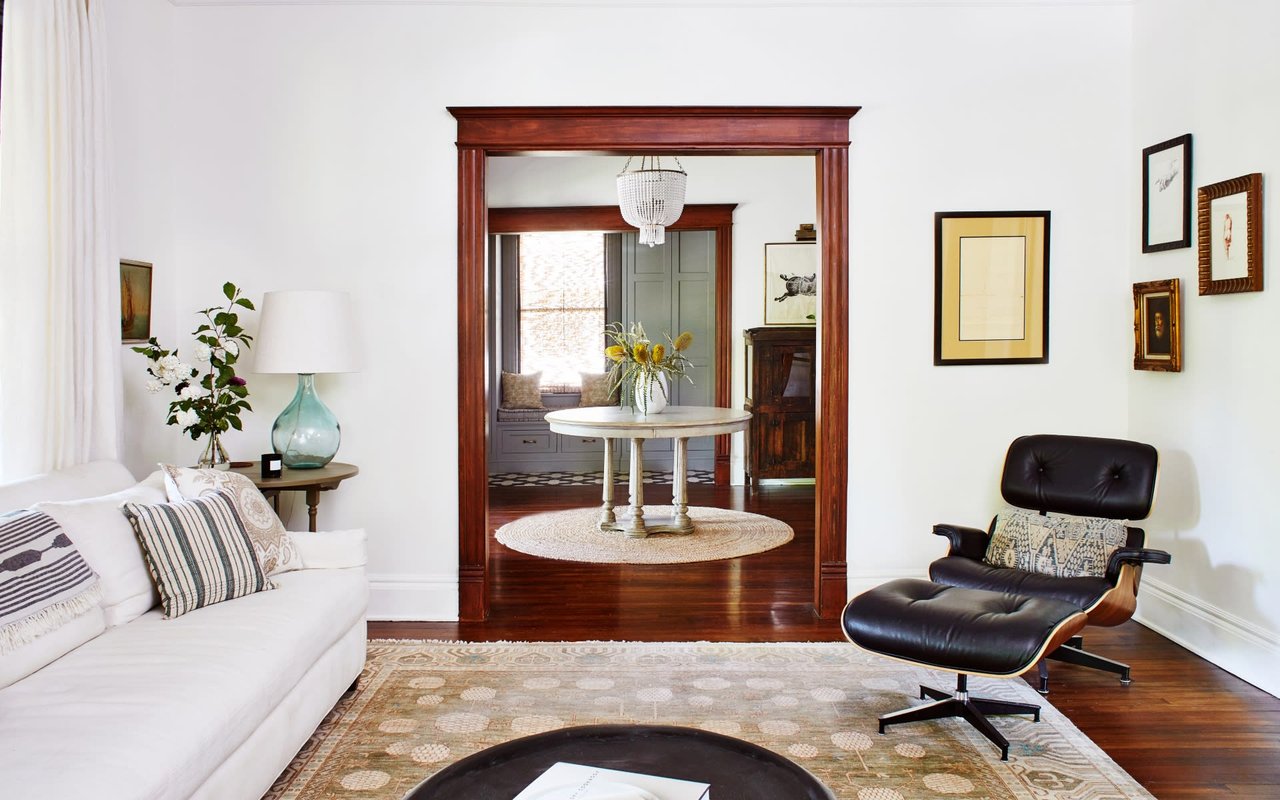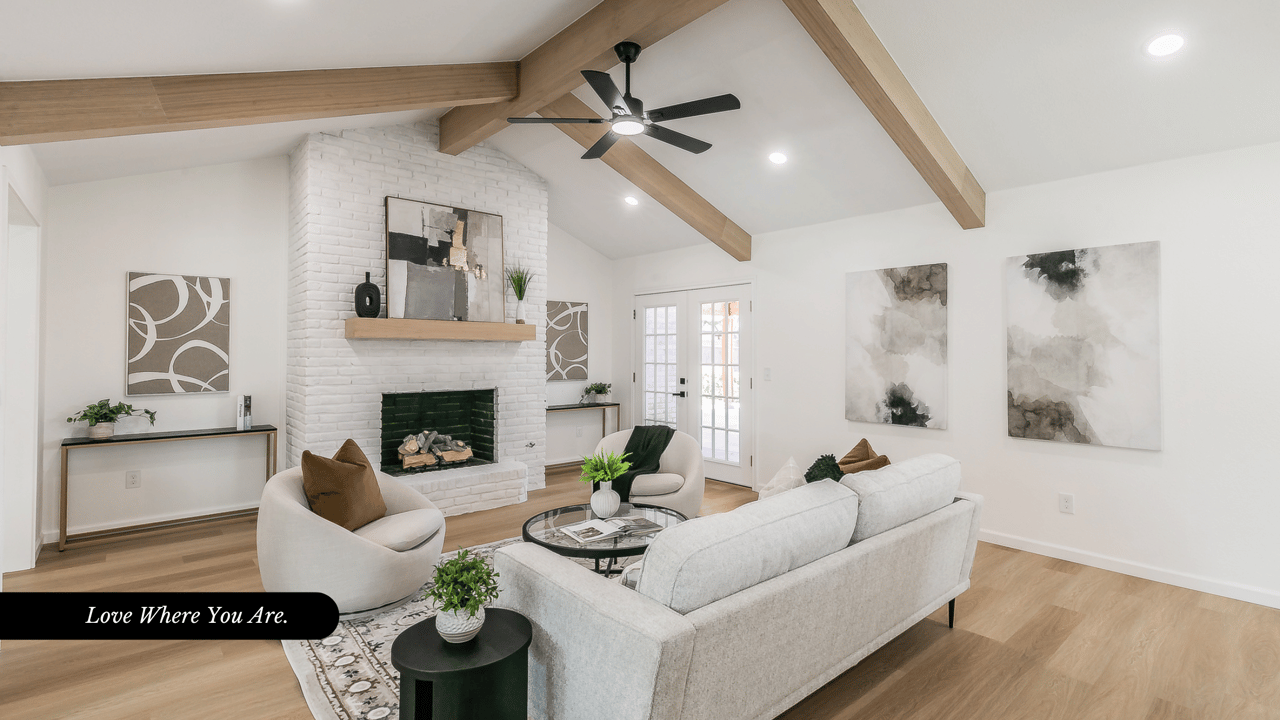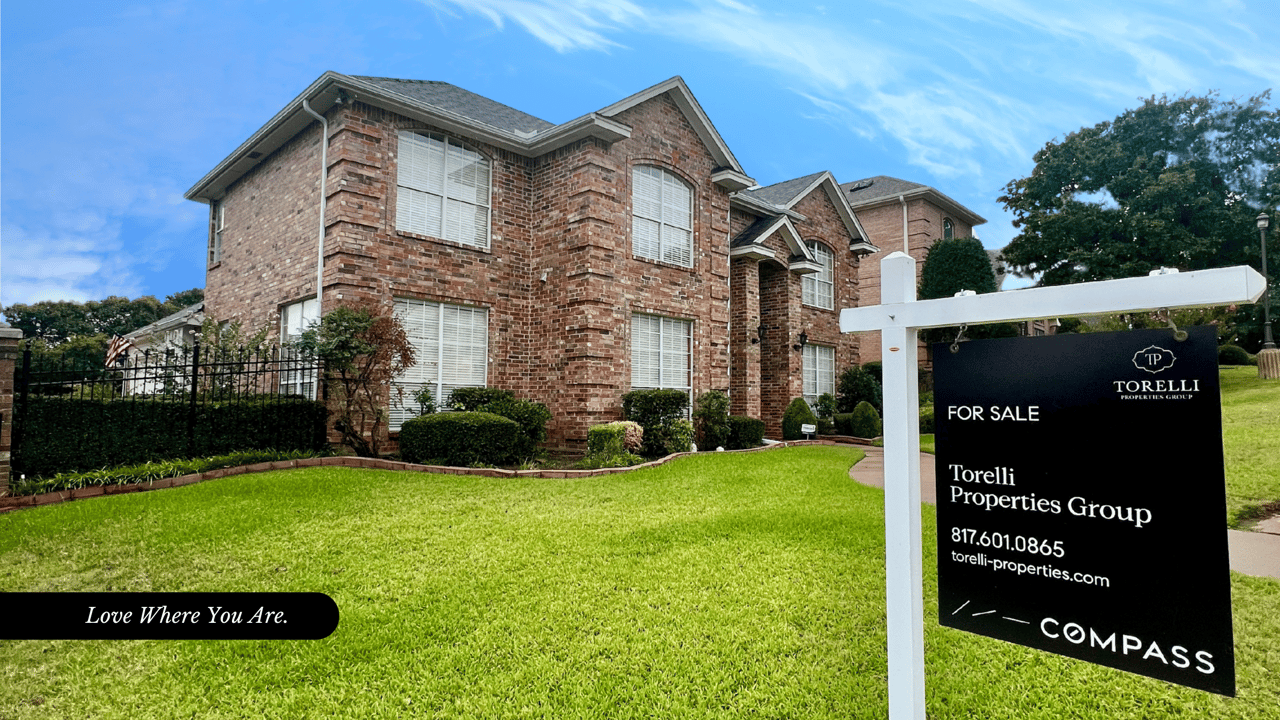
Pull up five real estate sites for Colleyville and you will get five different numbers for the same word: median. As of late spring 2026, one major portal pegged the typical Colleyville home value at $925,491. Another showed the median sale price at $1.0 million over the trailing three months, up 11 percent year over year, while reporting in the same breath that the average house price had fallen 2.4 percent the month before. A third site put the 30-day median at $960,000, down 6.5 percent from a year earlier. A fourth listed the median at $1,050,000 as of June 2026. None of these sites made an error. They are all measuring the same city and landing in different places because Colleyville's luxury market does not generate enough monthly sales to produce a stable number, and that instability is itself the thing a buyer or seller needs to understand before trusting any single figure.
Why the Middle Keeps Moving
A median is only as steady as the sample behind it. In a high-volume suburb, hundreds of closings a month smooth out the noise from any one unusual sale. Colleyville does not have that luxury, literally. One data source counted just 16 home sales in a recent 30-day window, down from 37 in the same period a year earlier. Another counted 98 sales in a single month. That gap alone tells you the two sites are drawing their sample from different boundaries, different property types, or different time slices, and any of those choices can swing a median by tens of thousands of dollars when the total pool is this small.
This is not a quirk unique to one website. It is a structural feature of how Colleyville's market behaves. Because the city's inventory leans toward custom homes, larger lots, and a limited supply of true luxury product, a single $3 million estate closing in the same month as a run of $650,000 resales can pull the median in a direction that has nothing to do with broader buyer demand. Market analysts who track Colleyville closely have made this point directly: median price movement here is influenced more by which handful of high-end transactions happened to close than by any citywide shift in what buyers are willing to pay.
Price per square foot, often treated as the more reliable stand-in for median price, tells the same story. One source put it at $280.11, up 2 percent year over year. Another put it at $294, up 6.9 percent. Both numbers are accurate to their own sample. Neither is wrong. But treating either one as gospel for a specific street or subdivision misses the point entirely.
The $550,000 Gap Inside One ZIP Code
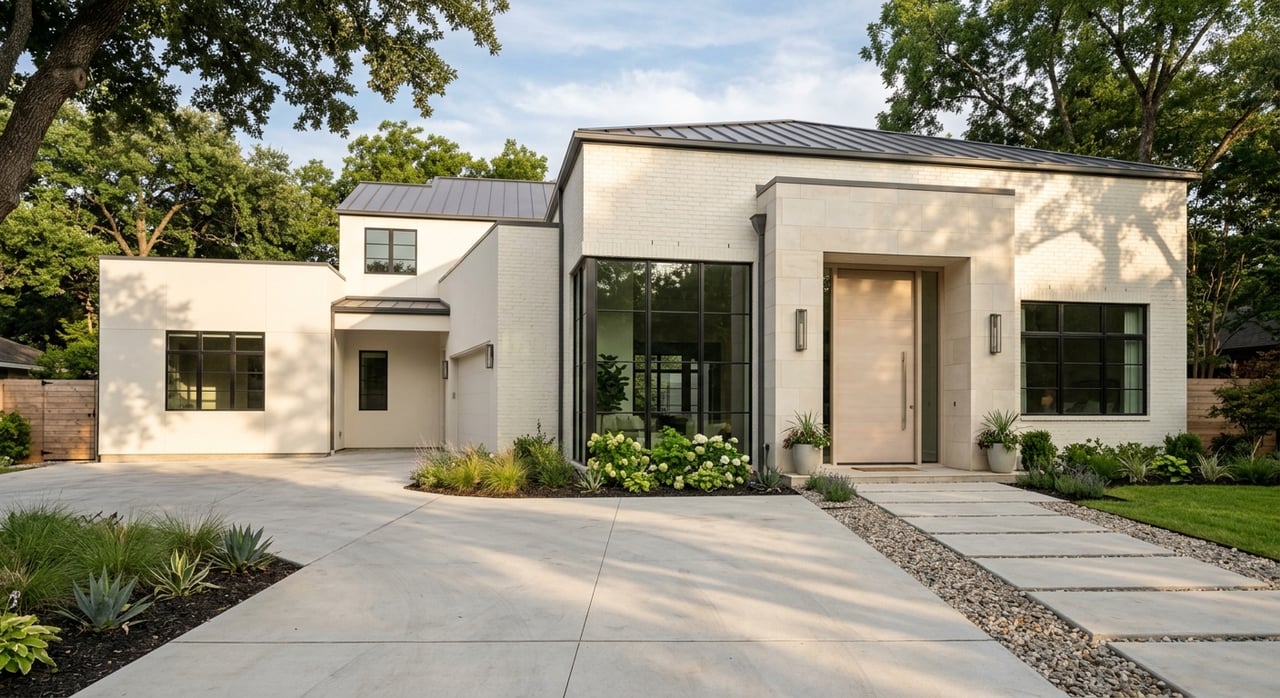
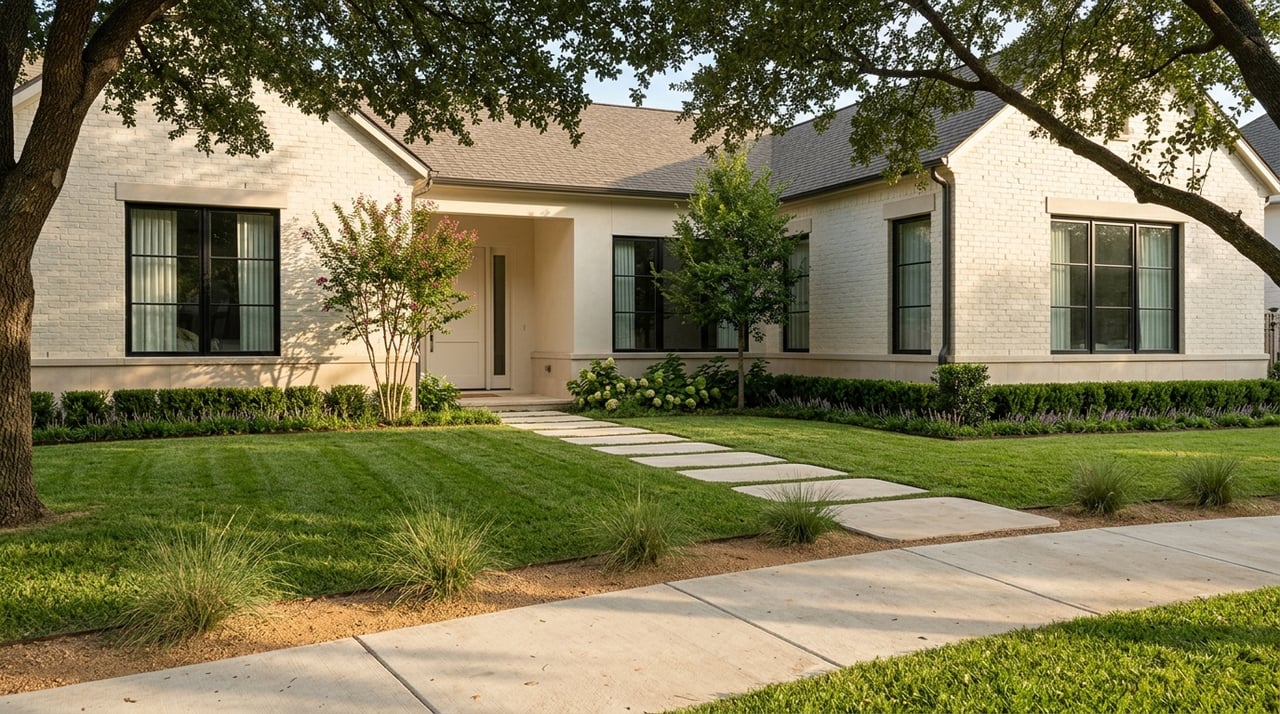
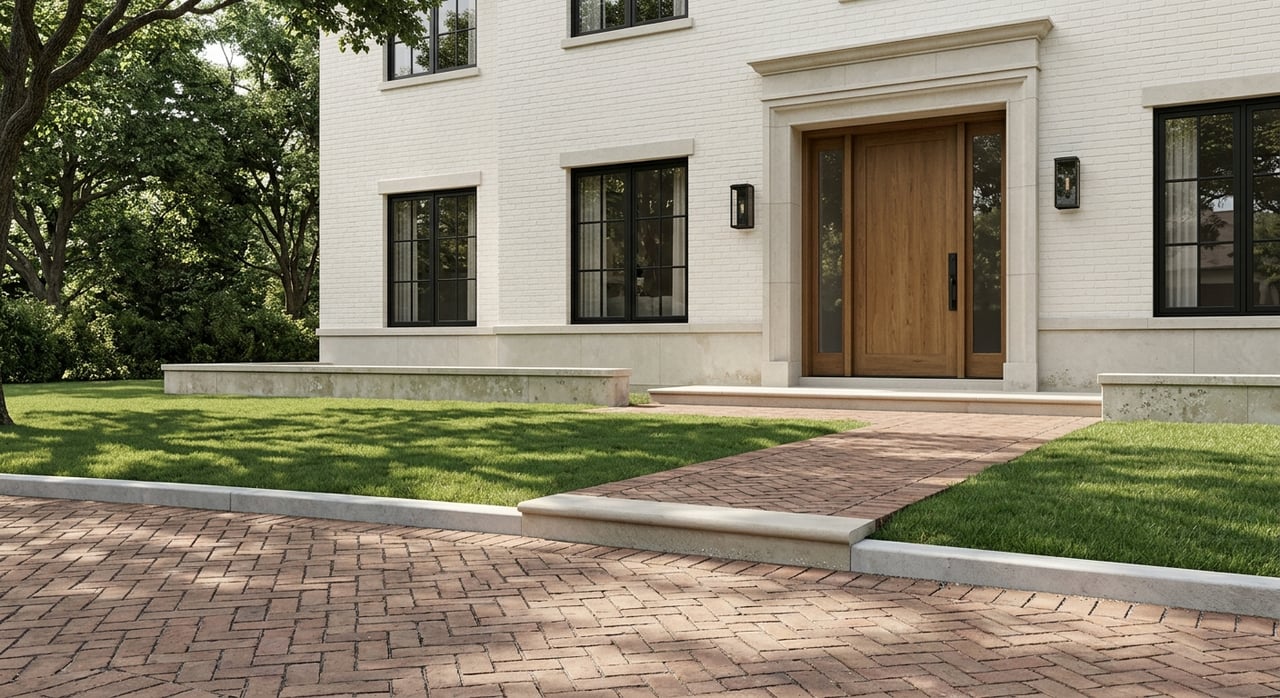
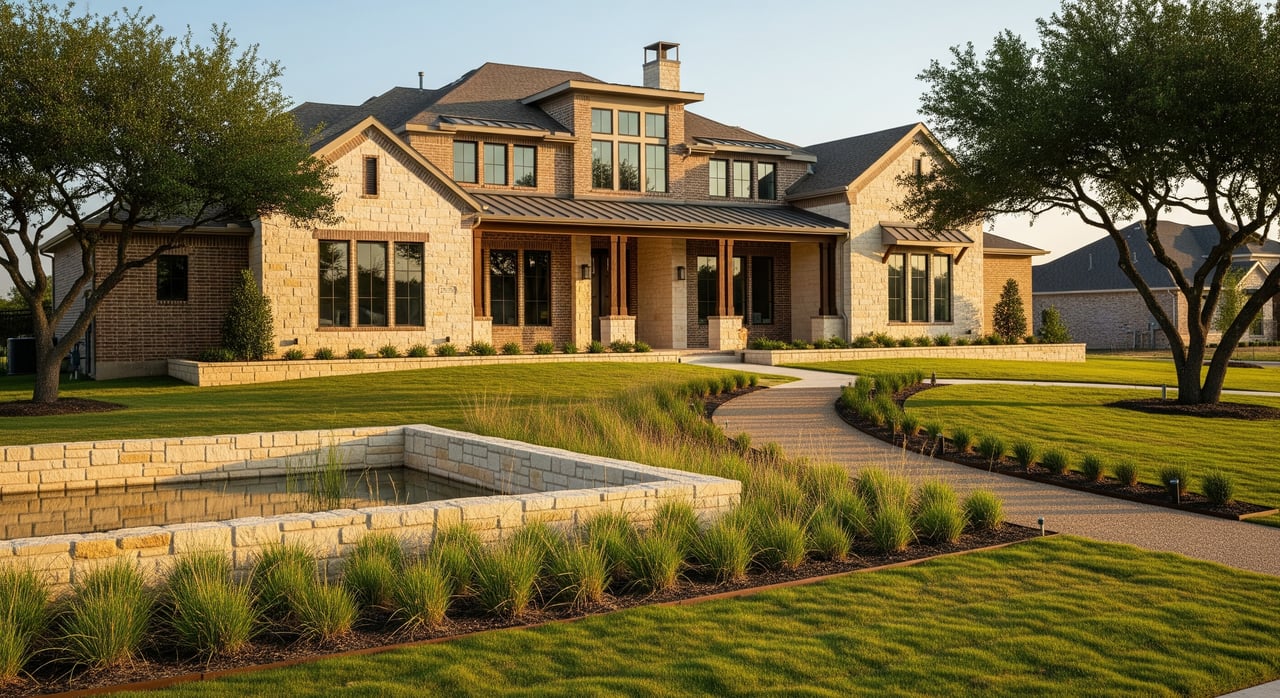
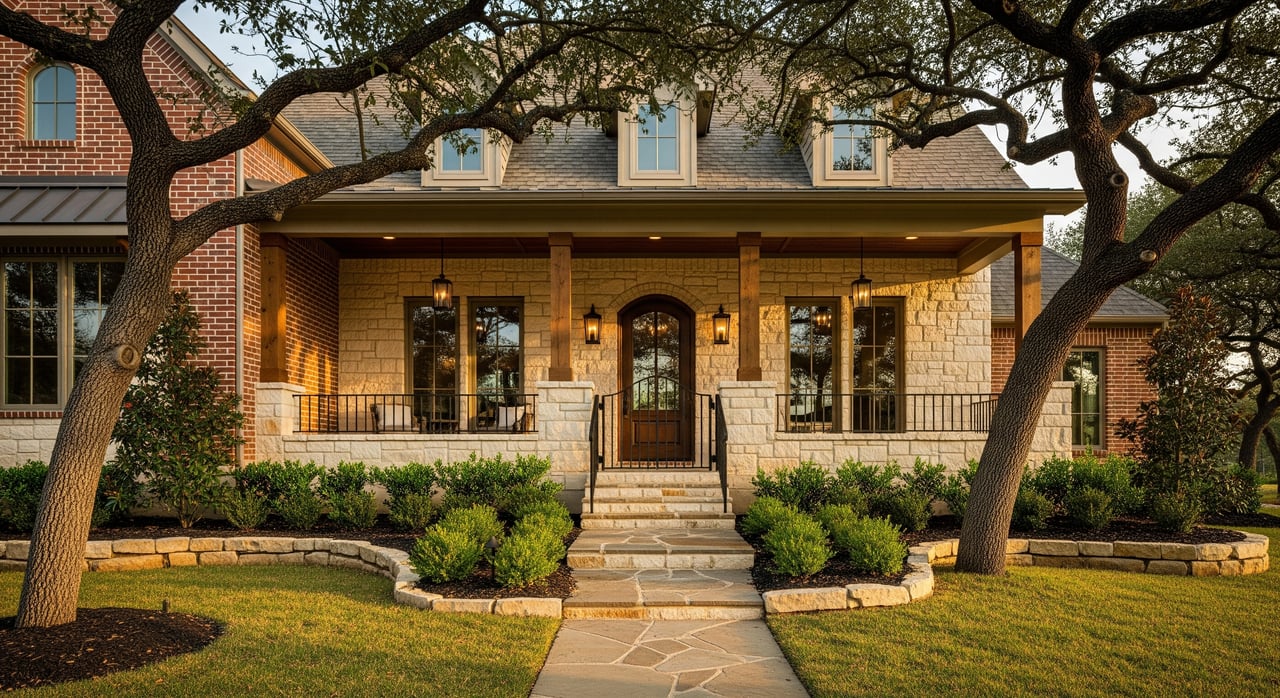
The reason a single median cannot describe Colleyville is that Colleyville is not one market. It is a patchwork of established neighborhoods, each with its own price band, and the spread between them is wide enough to make a citywide average nearly meaningless for anyone shopping a specific pocket.
Consider the range across a handful of established Colleyville neighborhoods:
- Heritage Glen and Indian Trail, centrally located with updated homes in mature settings, run roughly $500,000 to $700,000.
- Colleyville Meadows and the Bransford Road area, built mostly in the 1990s and 2000s on larger lots, offer what many consider the most accessible entry point into Grapevine-Colleyville ISD at Colleyville prices, in the $500,000 to $750,000 range.
- The Parks of Colleyville, one of the few pockets with relatively recent construction and contemporary floor plans, sits at $550,000 to $800,000.
- Woodland Hills, quiet and residential with generous, tree-lined lots, spans roughly $700,000 to $1.2 million.
- Pembrooke, an established enclave of custom and semi-custom homes on large lots, runs $800,000 to $1.3 million.
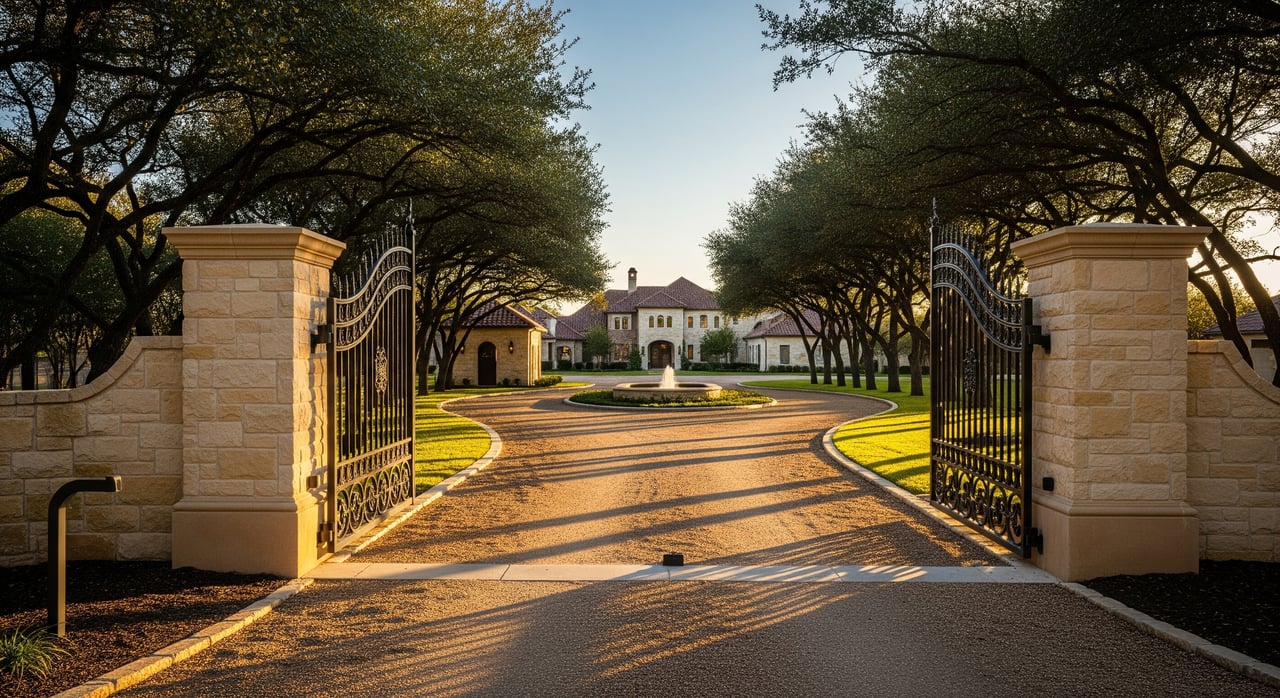
- Montclair Parc, a guard-gated community built around a private pond and walking paths, reaches well past $1 million, with gated estate properties commanding $3 million and above.
That is a gap of roughly $2.5 million between the entry tier and the top of the gated tier, all inside a single city that any headline median tries to compress into one number. A buyer comparing "Colleyville's median" to a listing in Pembrooke or Montclair Parc is not comparing like to like. They are comparing a blended average to a specific neighborhood's own micro-market, and the two will rarely agree.
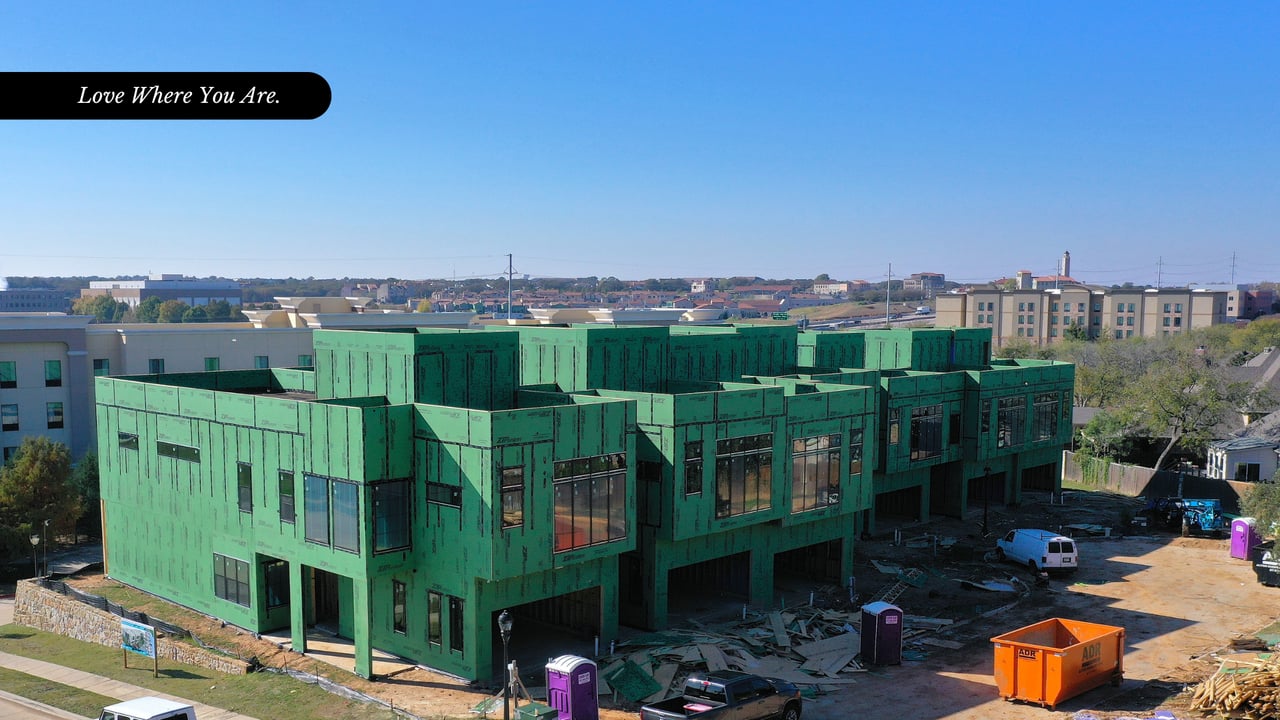
New construction complicates the picture further. Because most of Colleyville built out during the 1980s and 1990s boom, land for ground-up building is scarce, and the "micro" infill subdivisions now appearing on former estate lots, developments like Holt Farms and Park Hill, are bringing new multi-million dollar sites into a city where new construction had nearly stopped. Every one of those closings, when it happens, is large enough to tug the citywide median in a way a comparable transaction in a bigger suburb never could.
Where Colleyville Sits Next to Its Neighbors
Zoomed out, Colleyville's price volatility makes more sense when set against its immediate neighbors. Westlake, the ultra-luxury enclave just to the northwest, posted a median sale price around $5.147 million with homes taking about 81 days to sell and typically closing roughly 7 percent below list. That places Colleyville, wherever its true median lands between $925,000 and $1.05 million, solidly in the middle of the regional luxury spectrum rather than at the top of it. For a buyer priced out of Westlake's acreage estates, Colleyville offers access to genuine luxury inventory, mature lots, and a strong school district at a fraction of the entry cost, without giving up the low-density, heavily treed character that draws people to both cities.
The wider Dallas-Fort Worth market adds useful context too. As of April 2026, regional data tracked by the Texas Real Estate Research Center showed active inventory across DFW up 0.4 percent year over year while home prices were down 1.3 percent, with median seller price reductions of $12,500 spreading across the metro. That is a market where sellers, broadly, were losing a bit of leverage. Colleyville's own numbers do not track that pattern cleanly, not because the city is immune to regional trends, but because its sample size is too small to reflect a gradual, metro-wide shift. A handful of strong closings in Montclair Parc can make Colleyville look like it is defying the DFW slowdown in the same month that a cluster of price-reduced listings in Heritage Glen tells the opposite story.
What to Actually Watch Instead
None of this means median price is useless. It means a single median, pulled from a single site, on a single day, is the wrong tool for pricing a specific home or evaluating a specific offer. A few adjustments make the number far more useful:
Anchor to the neighborhood, not the city. Ask what similar homes sold for in Pembrooke or Woodland Hills specifically, not what "Colleyville" did last month as a whole.
Watch the direction of days on market and inventory rather than the single-point figure. Whether a city's homes are taking longer to sell this quarter than last, and whether active listings are climbing or shrinking, says more about where negotiating leverage is heading than any one median snapshot.
Treat sale-to-list ratio as a sanity check. When most closings are landing close to asking price rather than far above or below it, that tells you the market is closer to equilibrium than either a headline "hot market" or "buyer's market" framing suggests.
Cross-check more than one data source before anchoring a number in your head, and when they disagree by more than a rounding error, assume the disagreement is telling you something about sample size rather than assuming one source is right and the others are wrong.
A Few Questions Worth Asking Before You Anchor to a Number
Why do real estate sites disagree so much on Colleyville's median price? Colleyville sells relatively few homes each month compared to larger suburbs, and its inventory spans a wide range from $500,000 resales to $3 million gated estates. A small sample pulled from different date windows or geographic boundaries can produce medians that differ by more than $100,000 without any site making an error.
Is Colleyville more or less expensive than Southlake or Westlake? By the numbers available, Colleyville sits below both. Westlake's median has run well into the multi-million range, and Southlake's established range has generally landed above Colleyville's own. Colleyville offers a lower entry point into large-lot, tree-canopied luxury living than either of its immediate neighbors, though the right comparison depends heavily on which neighborhood within each city you are actually pricing.
Numbers like these are only useful with someone who can tell you which side of a $2.5 million neighborhood spread your target property actually sits on. That is the kind of read Torelli Properties Group works through with every Colleyville buyer and seller, street by street rather than headline by headline. Schedule Your Personalized Consultation to talk through what the current numbers actually mean for the specific home or neighborhood you have in mind.